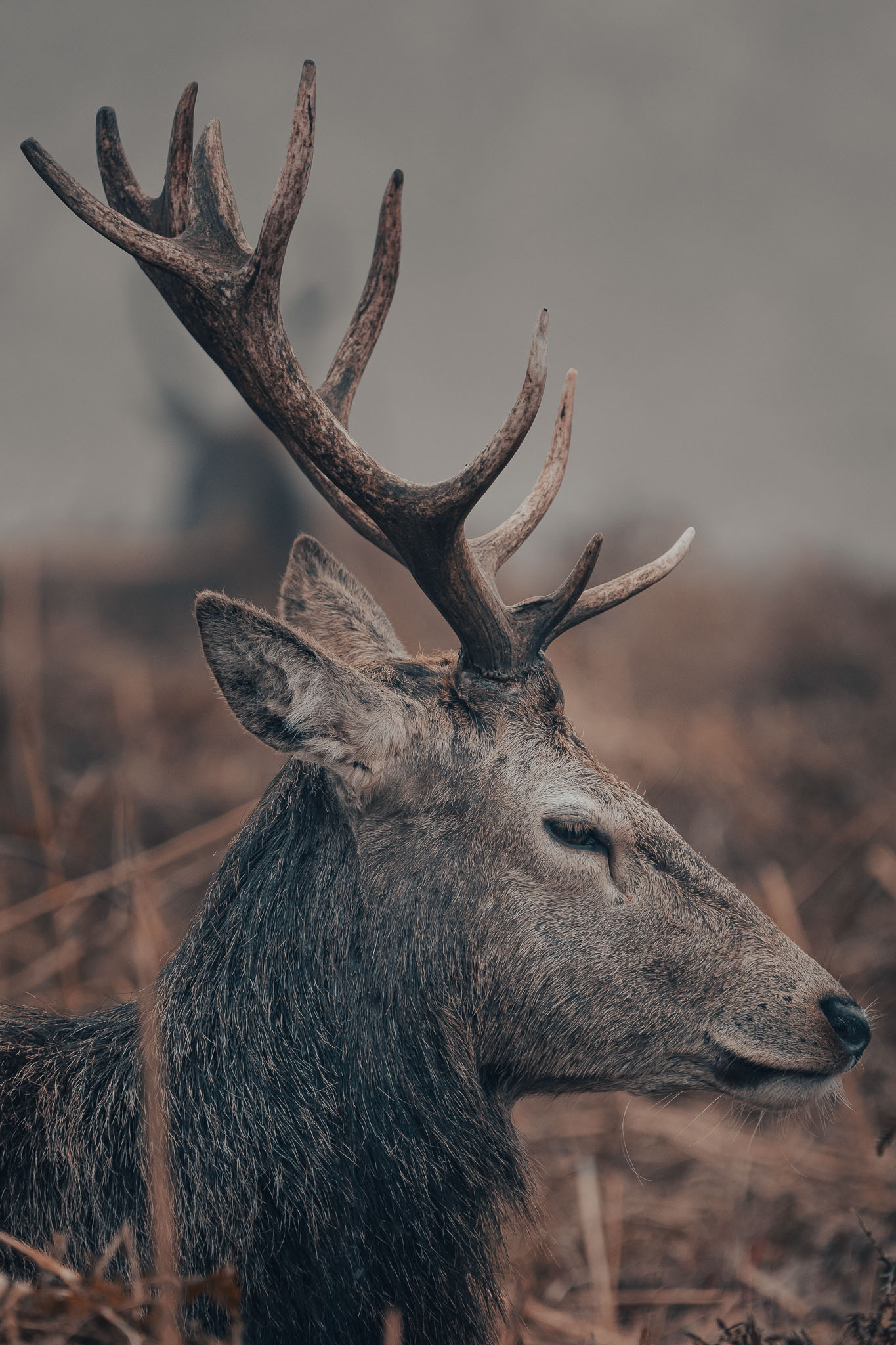
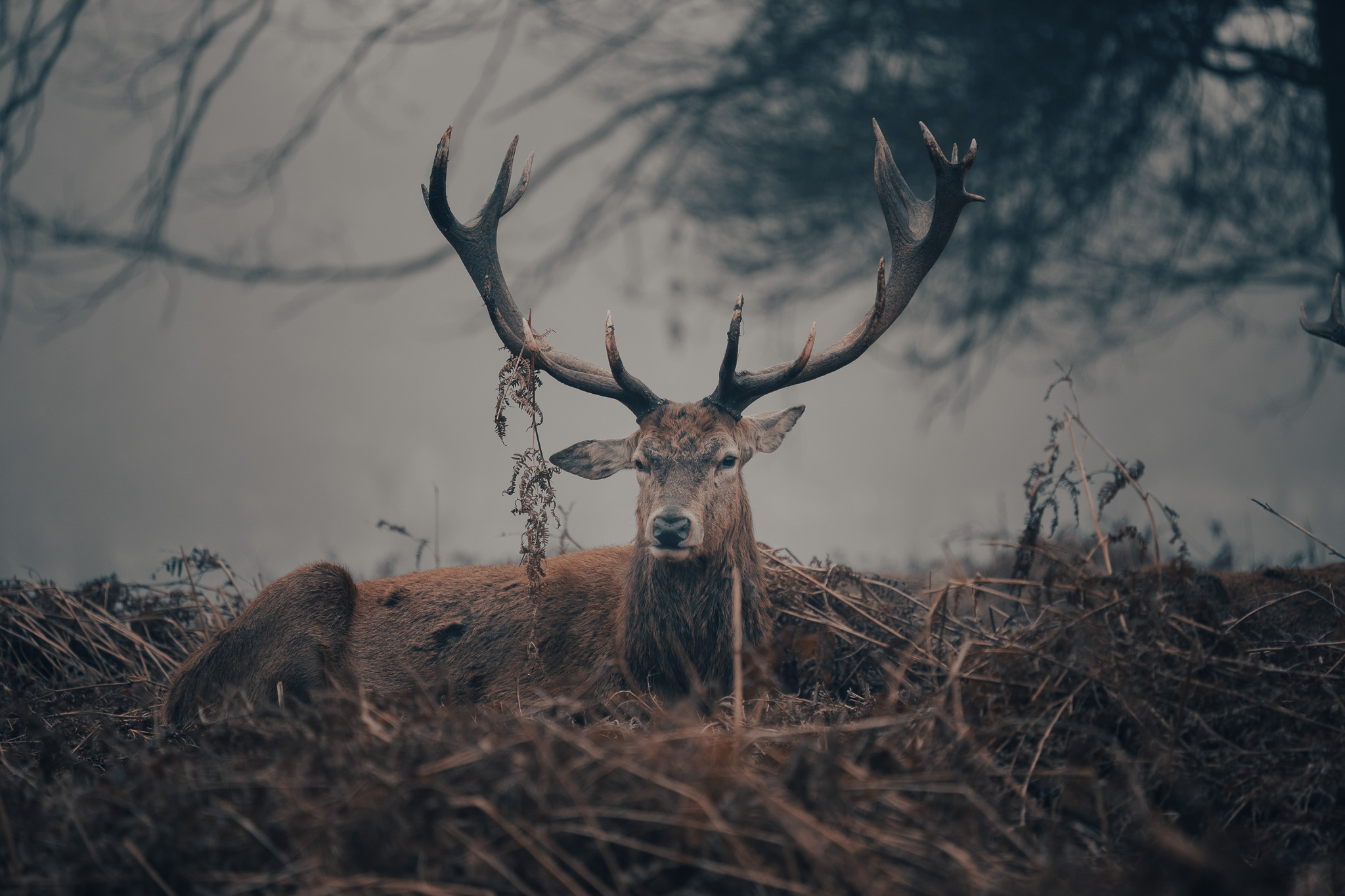
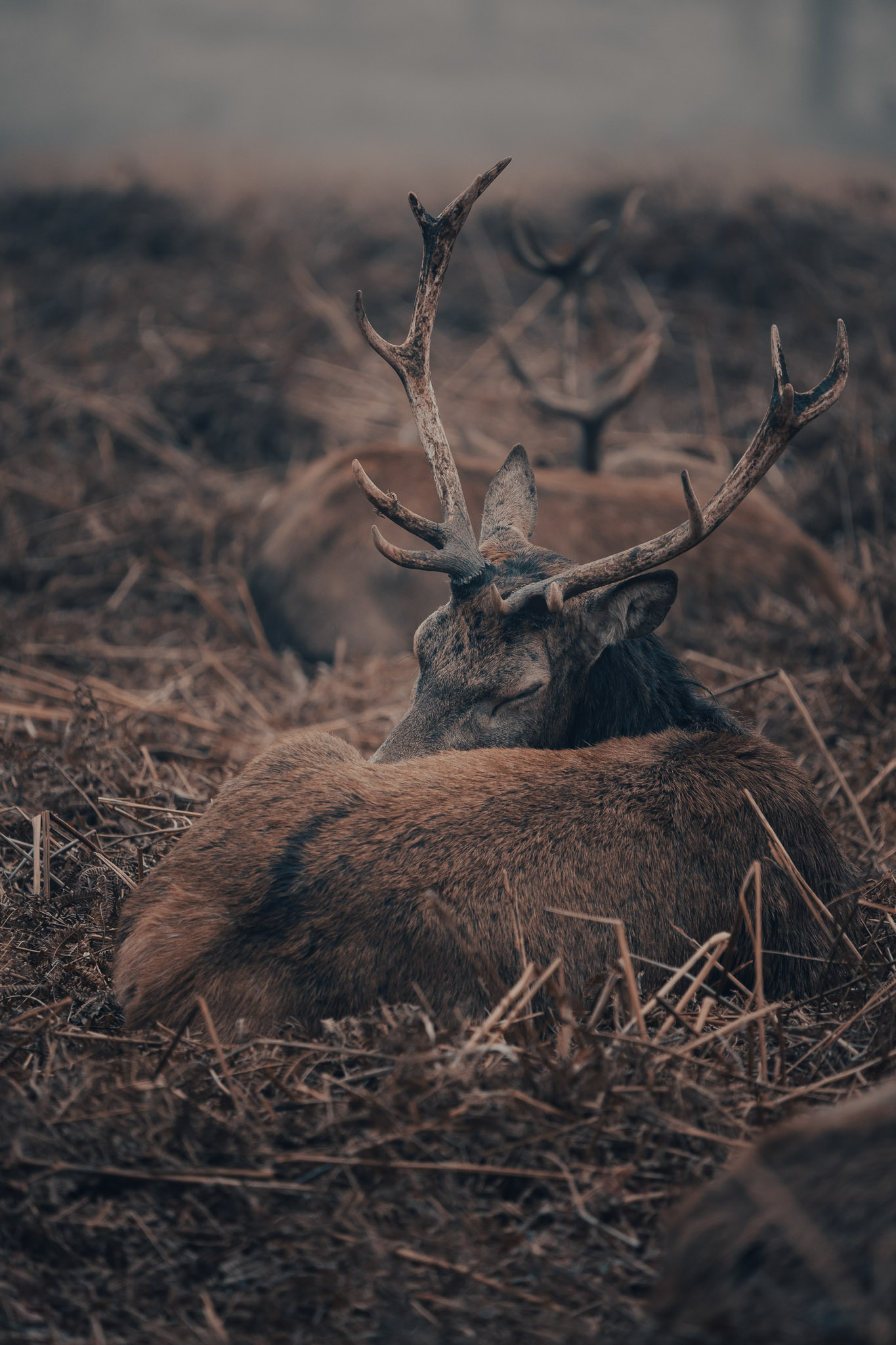
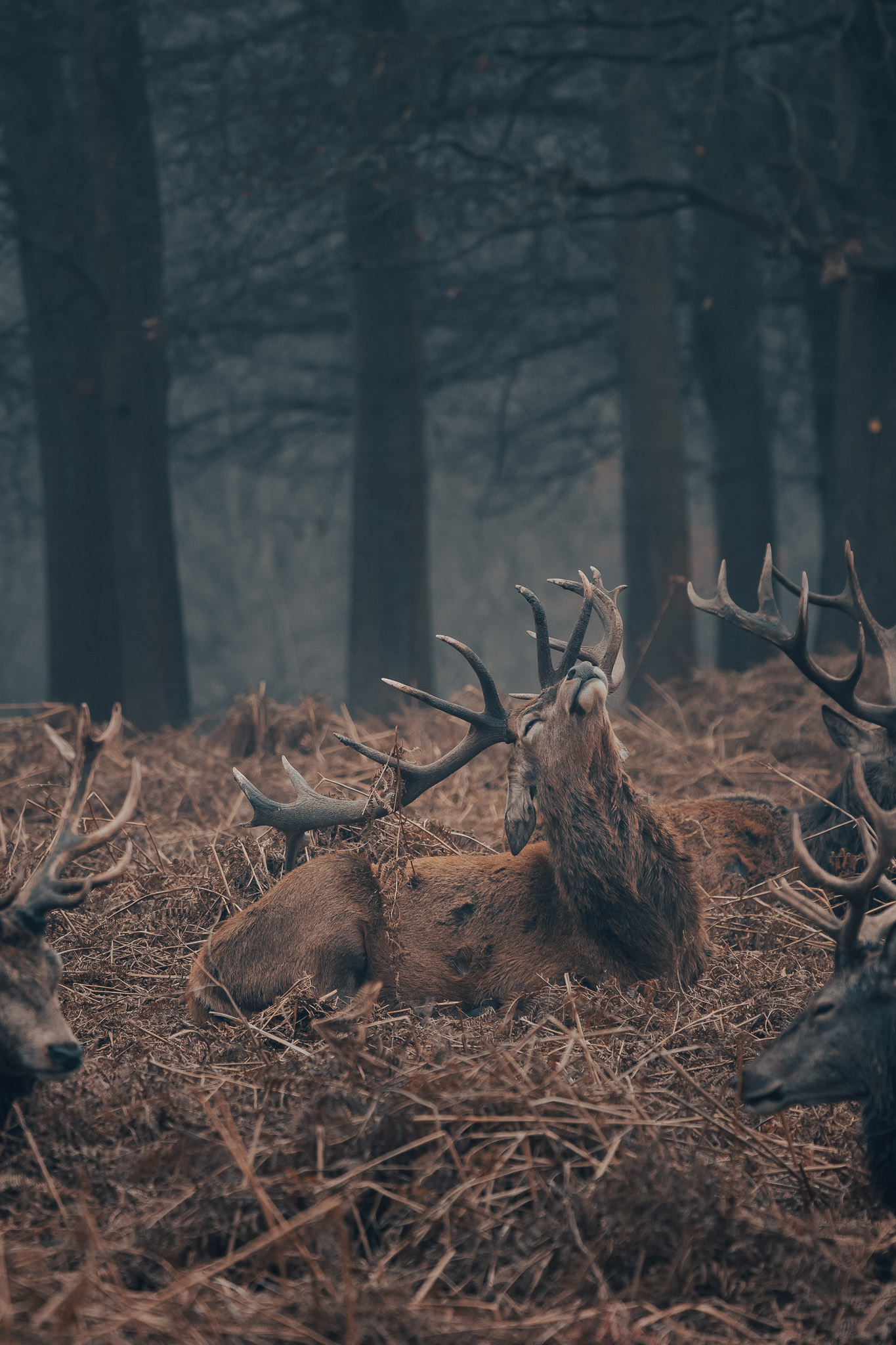
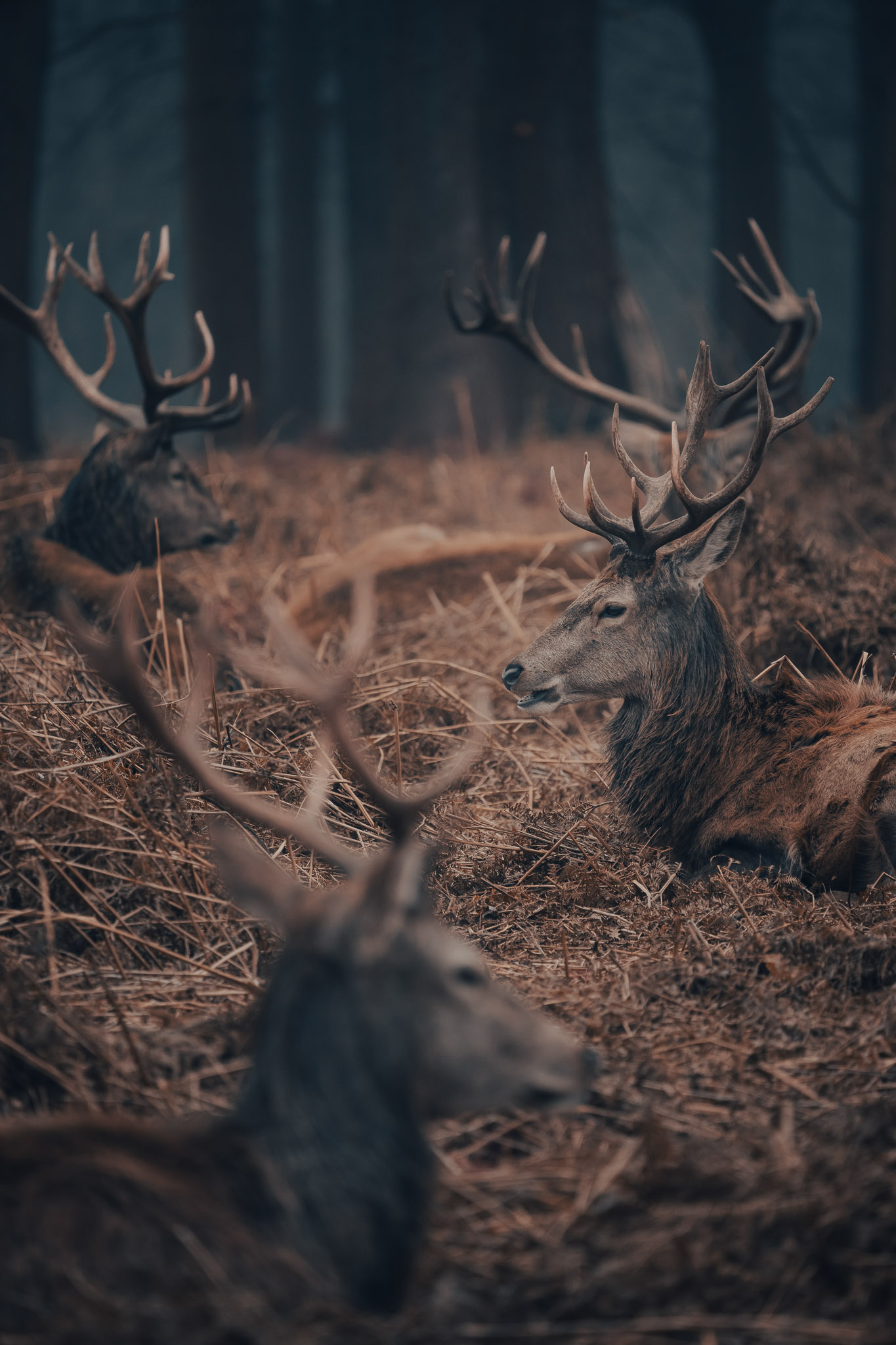
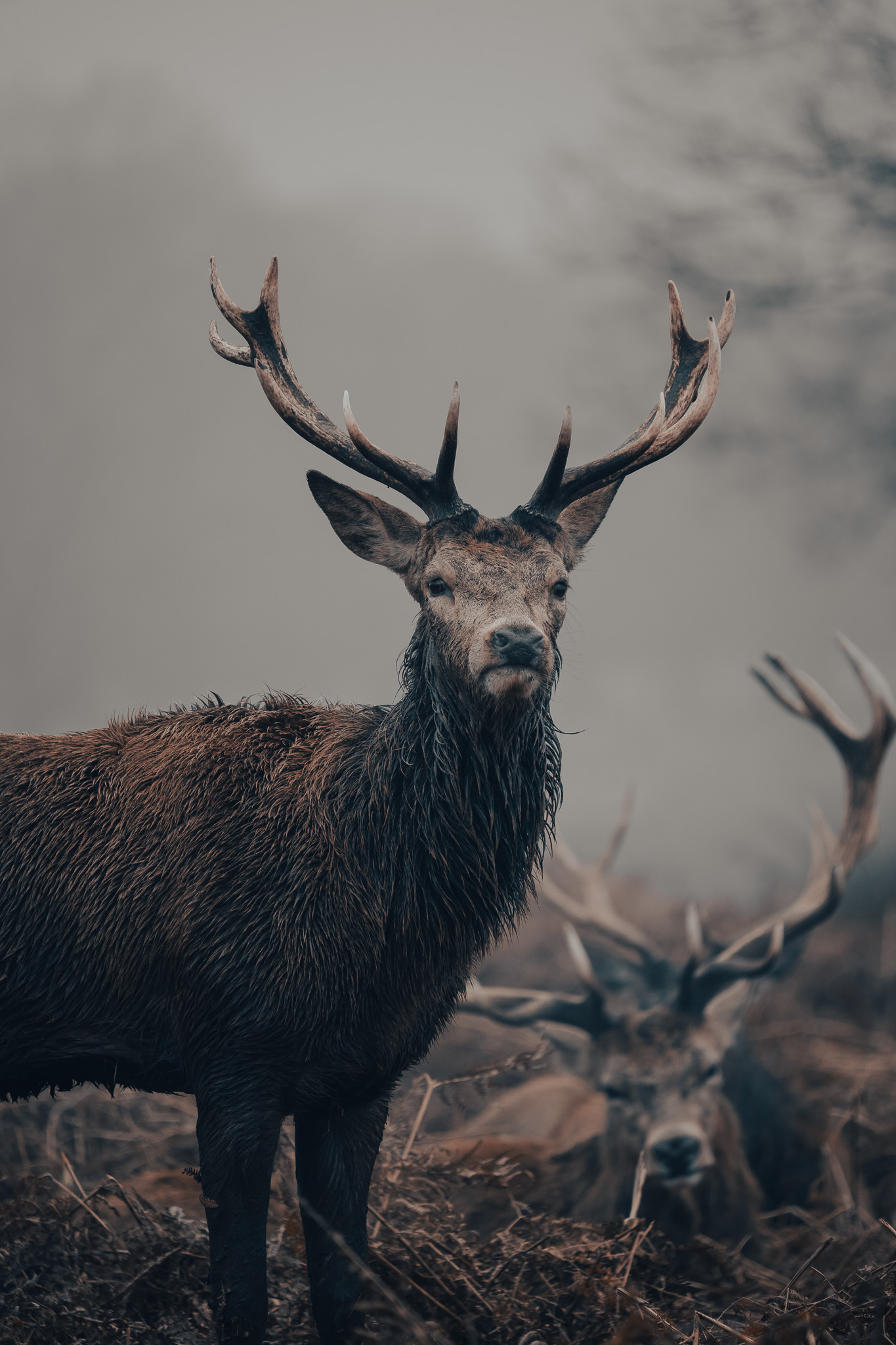
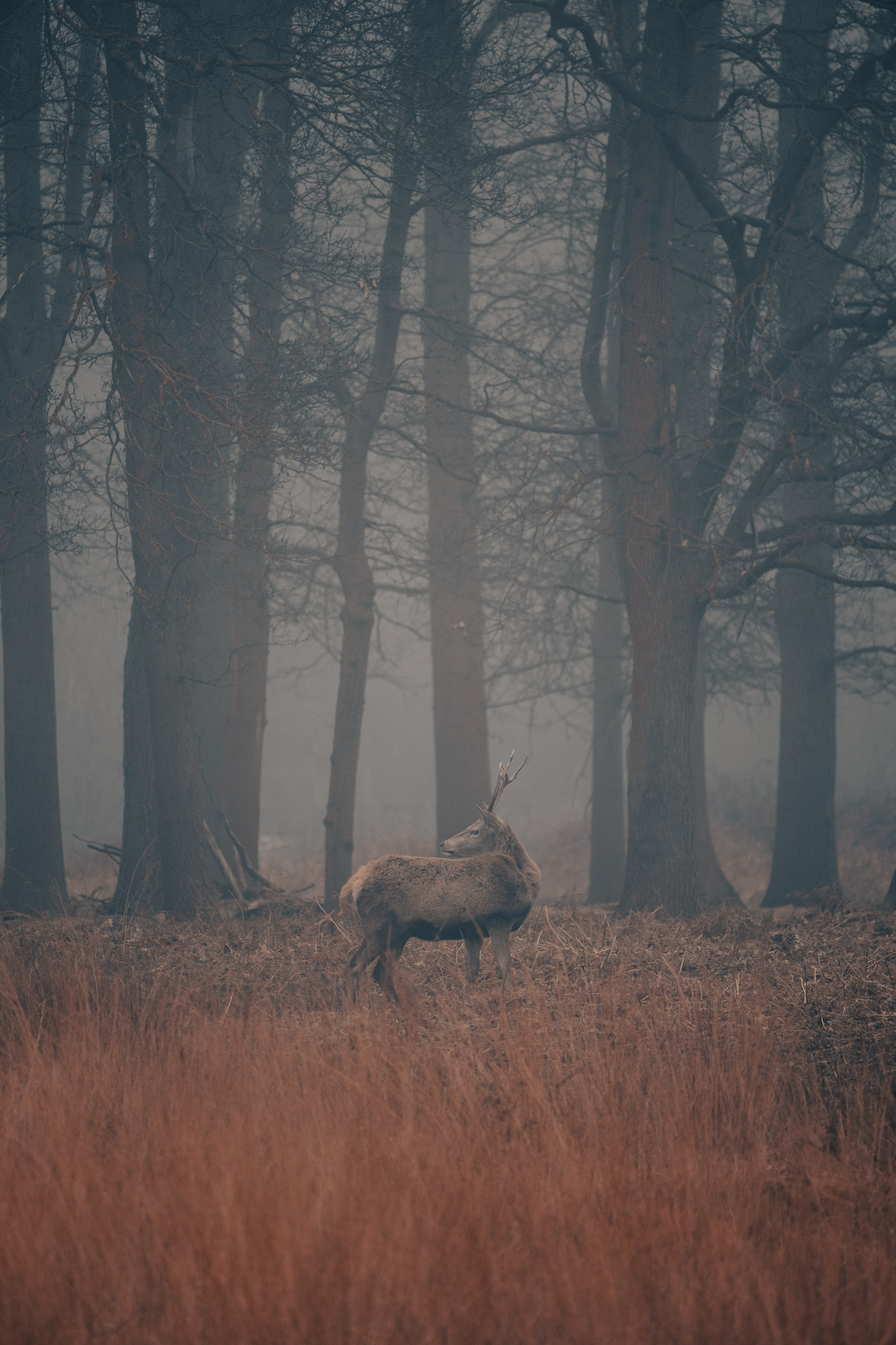
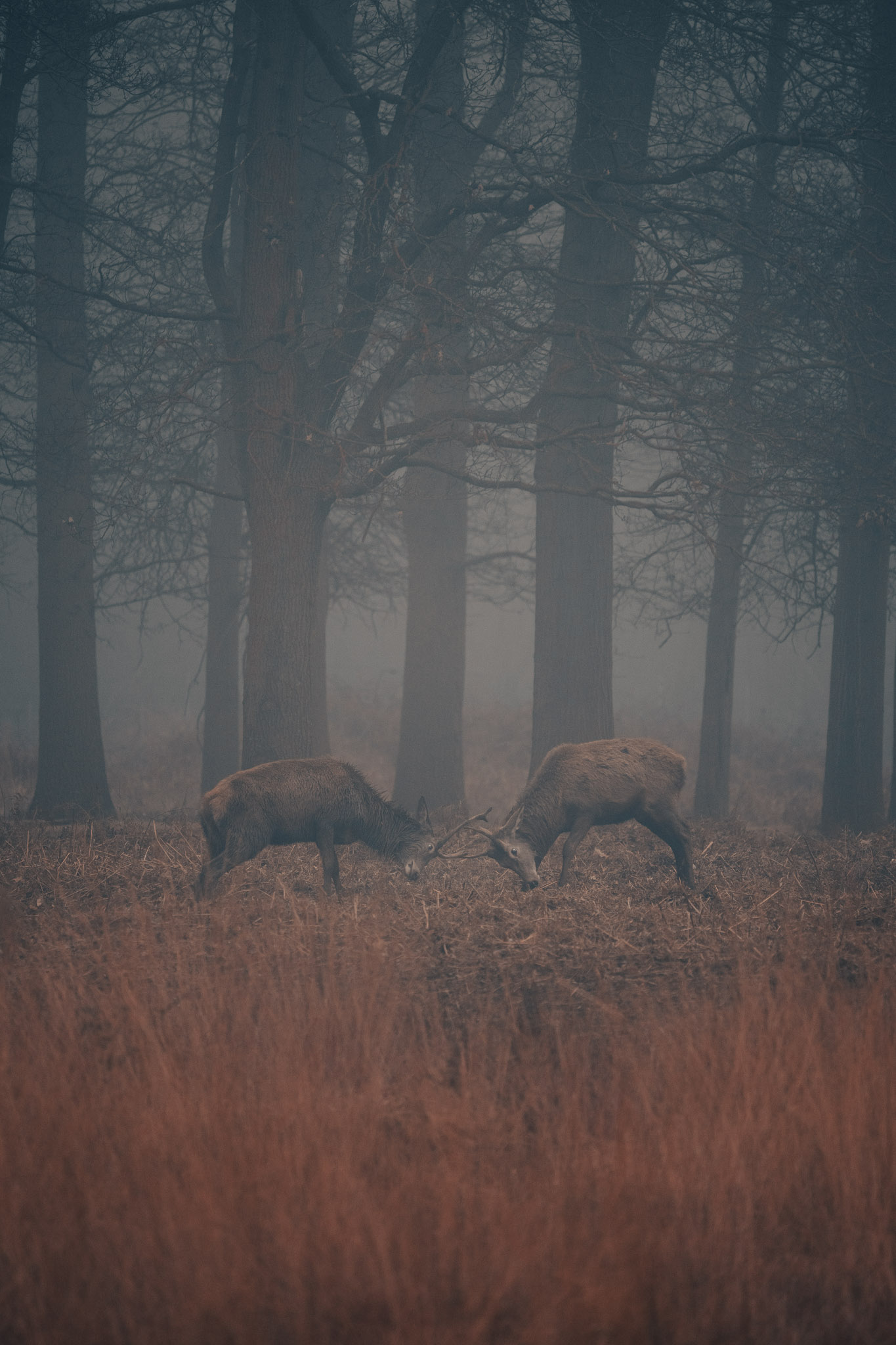
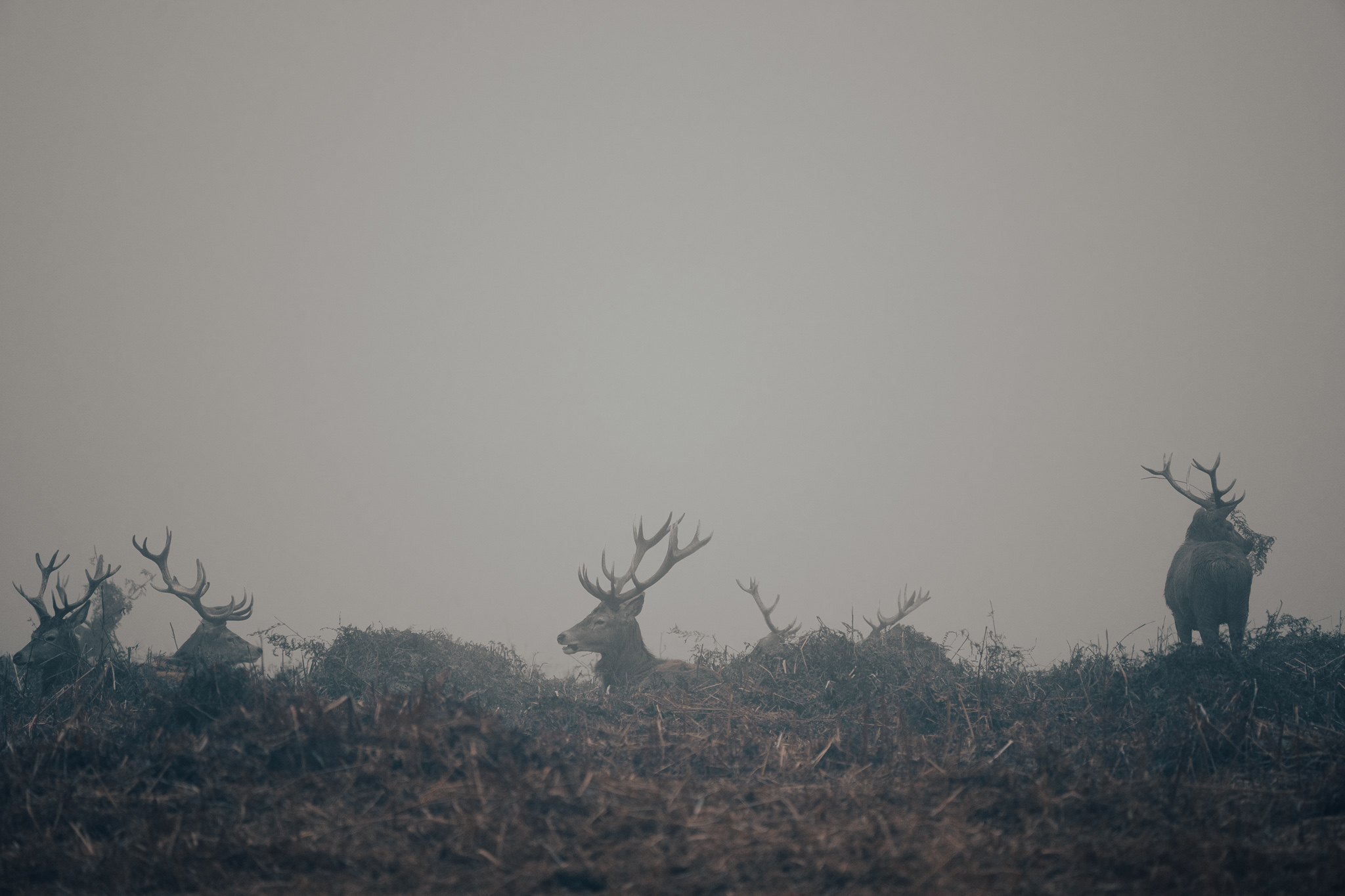
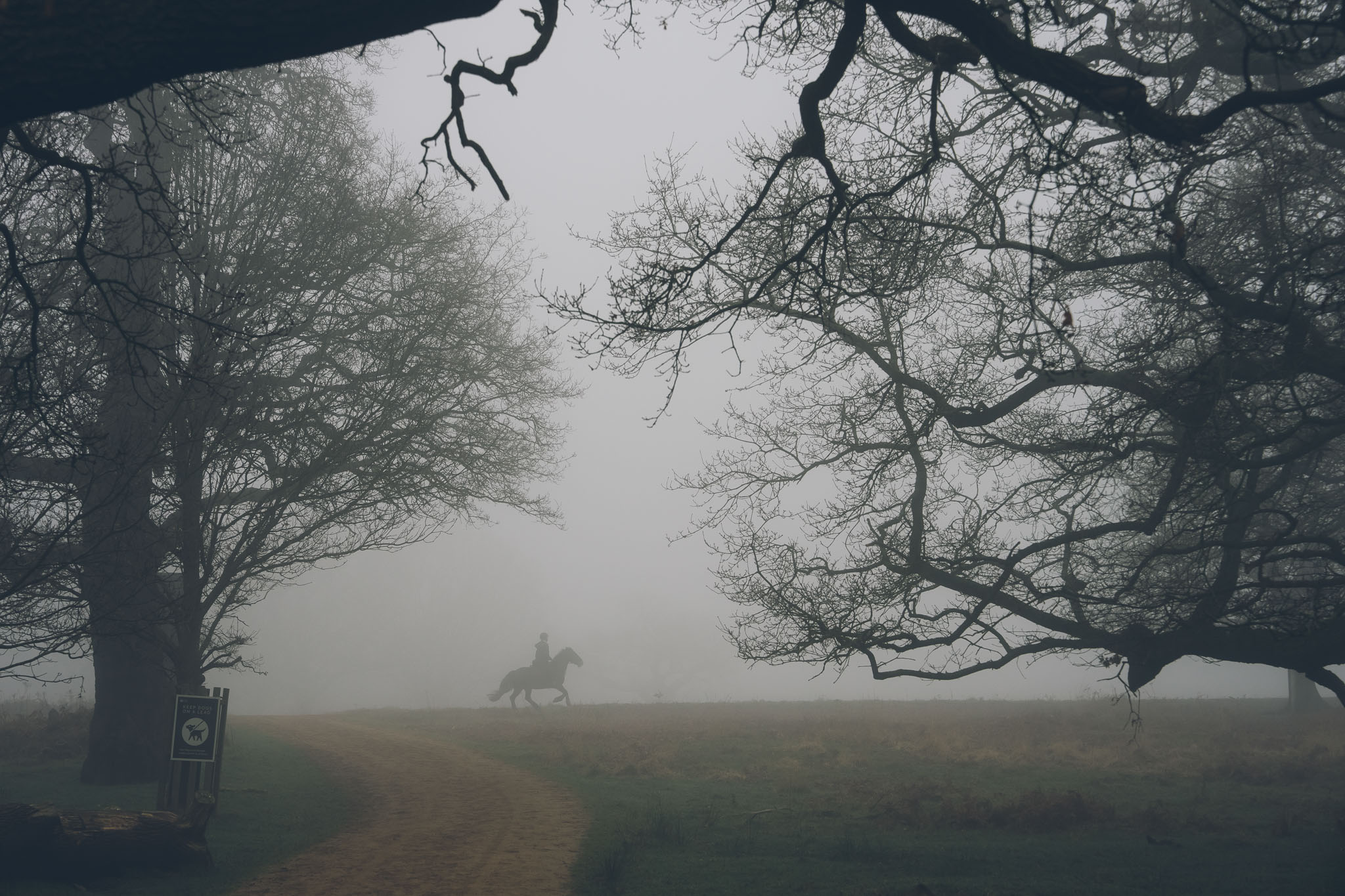
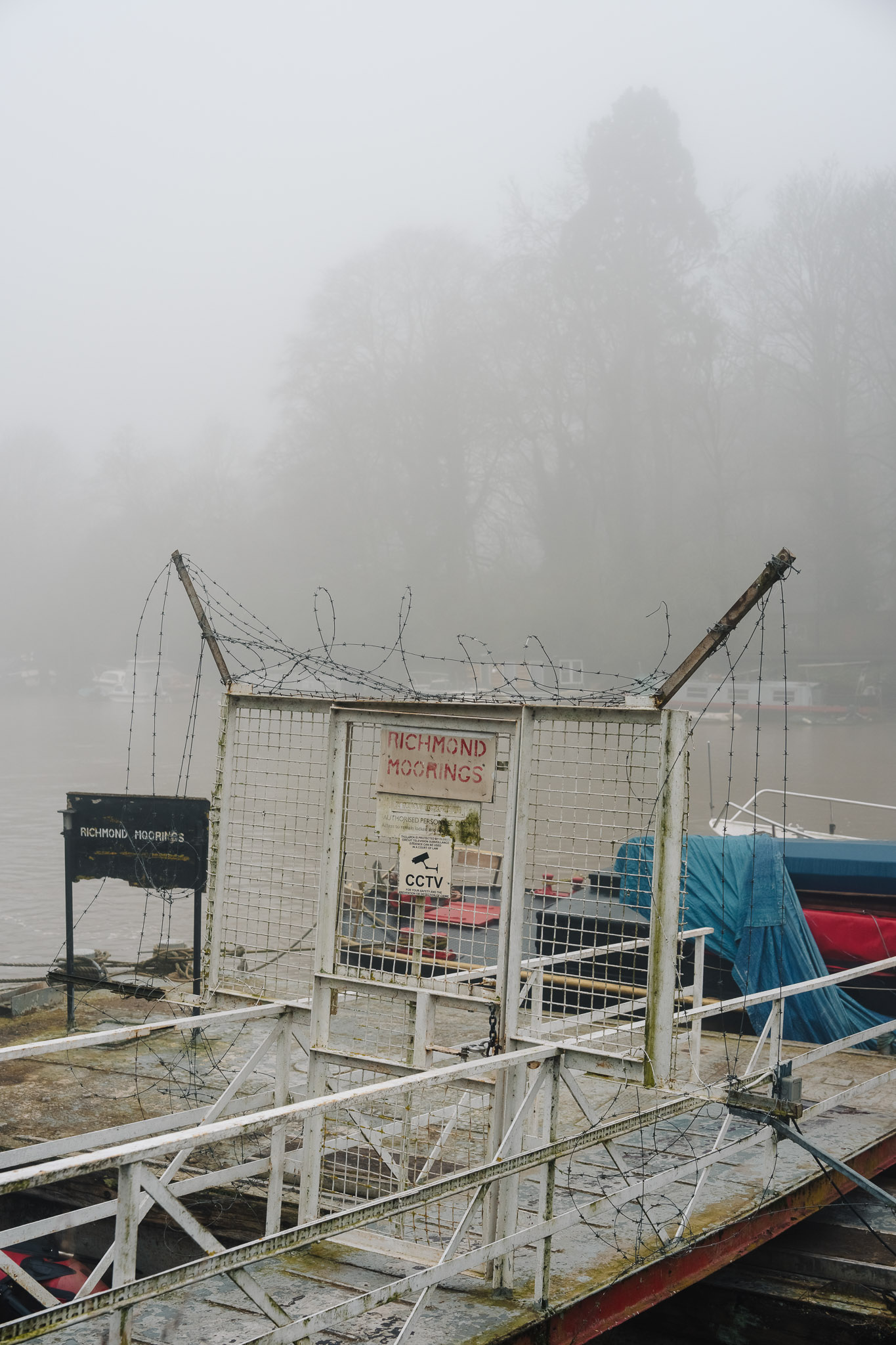
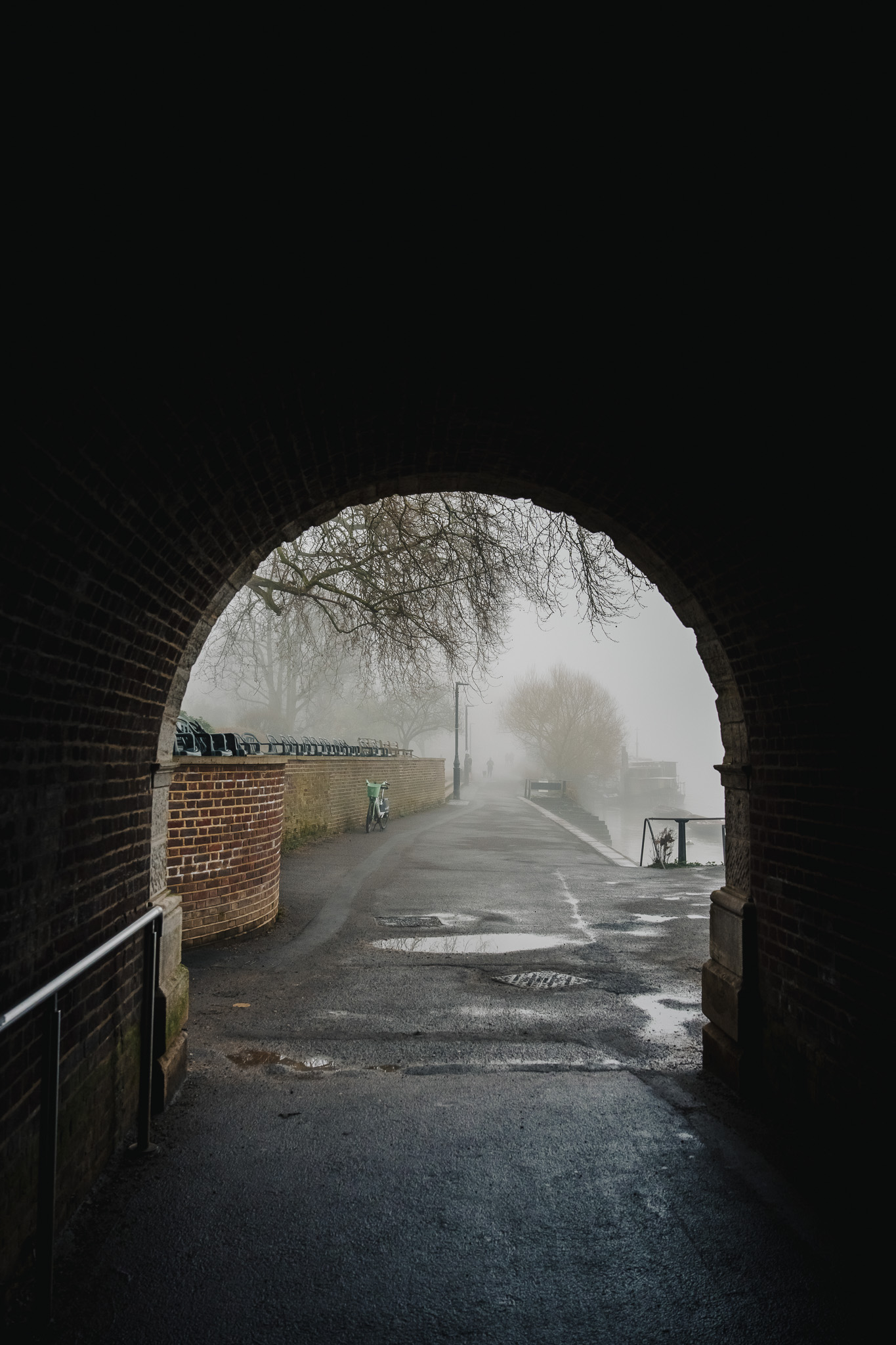
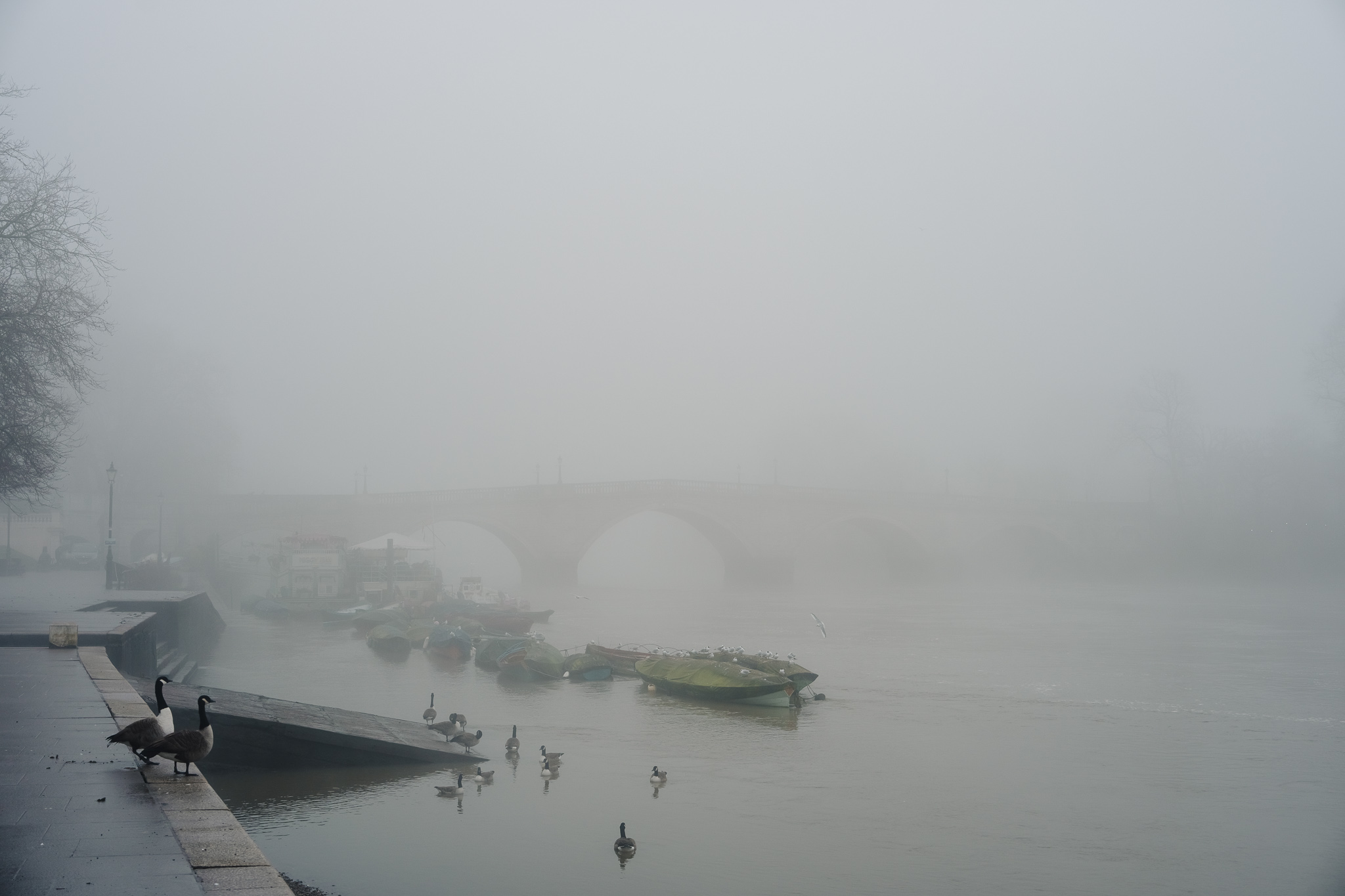
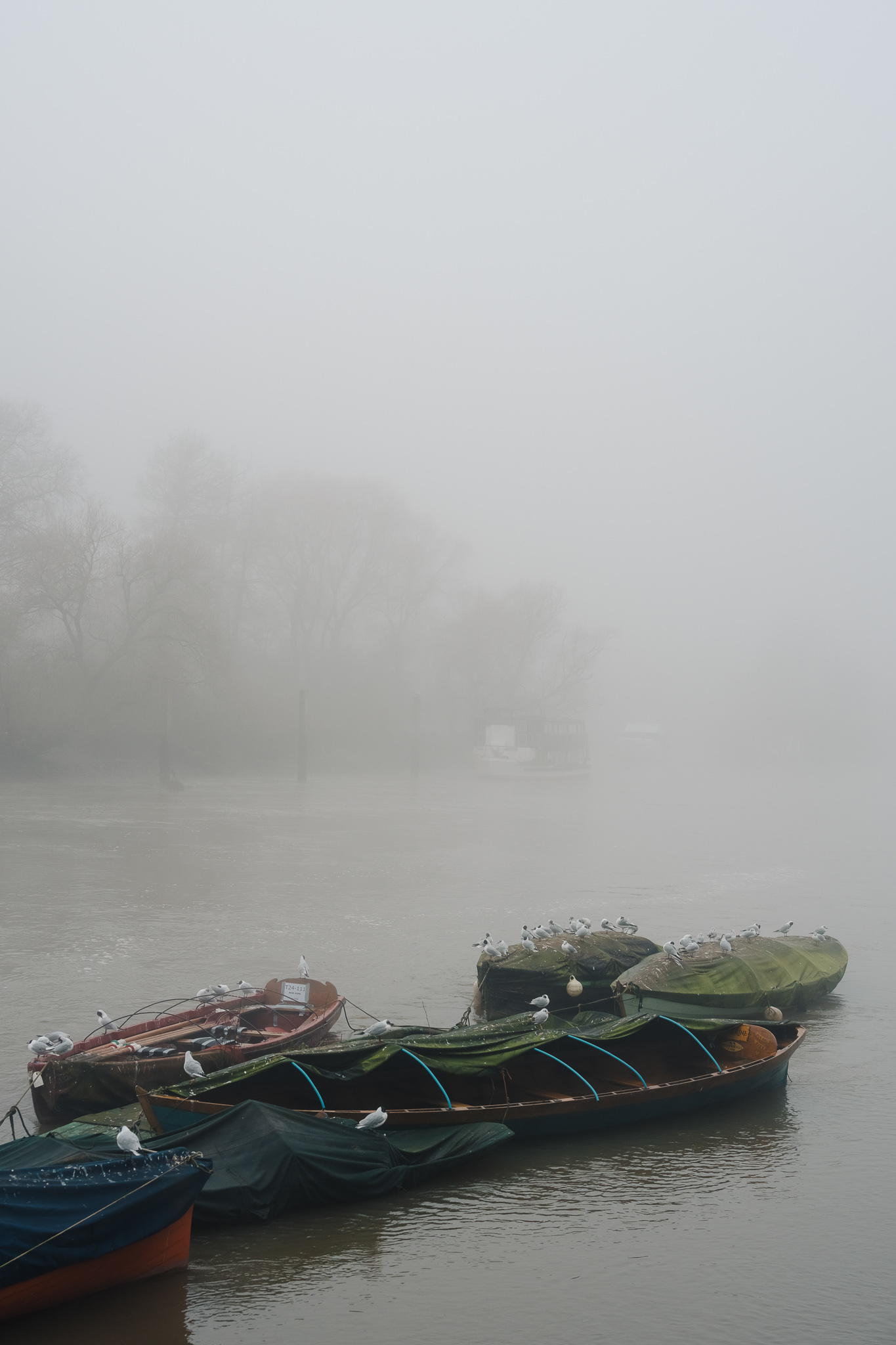
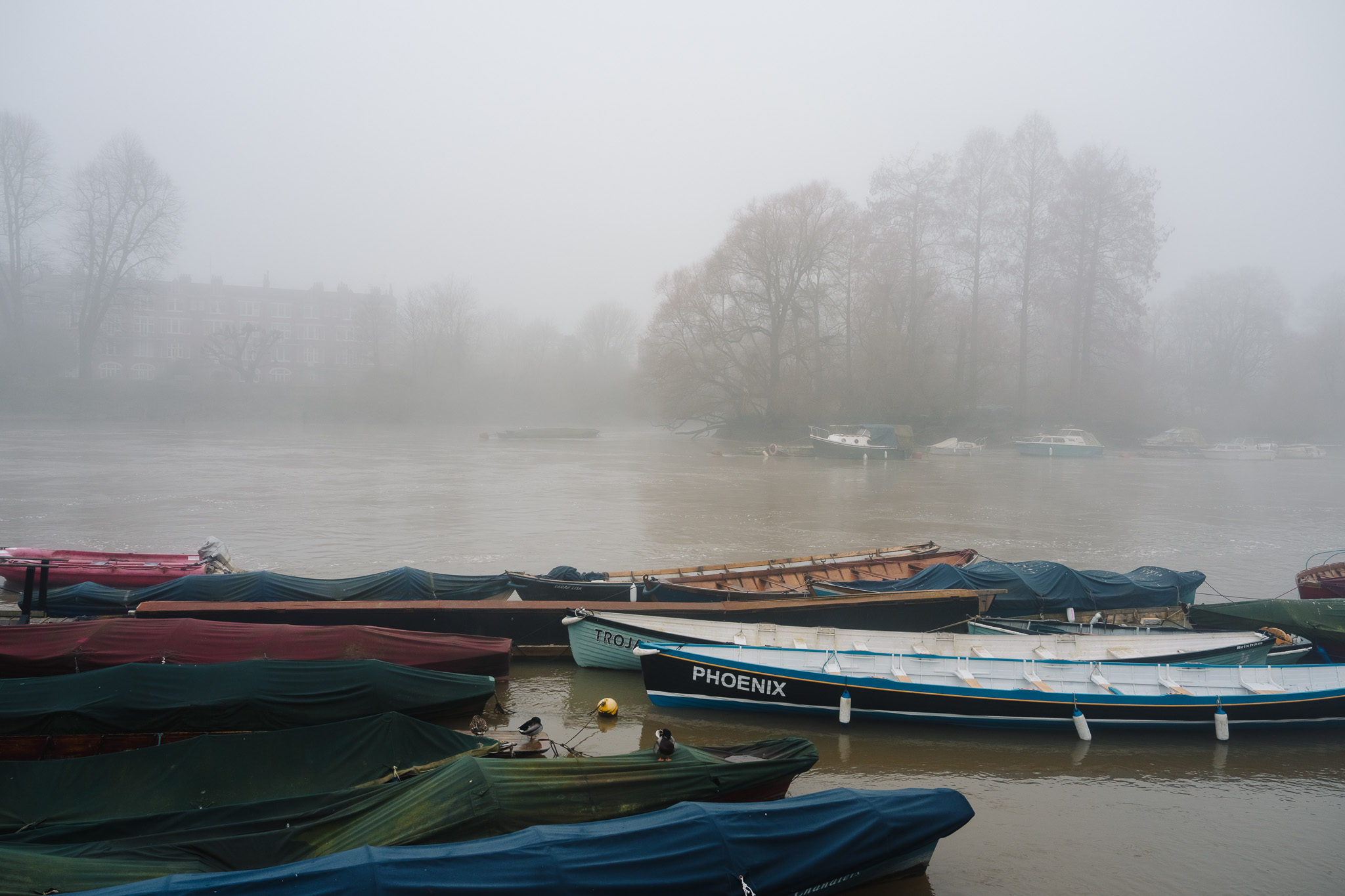
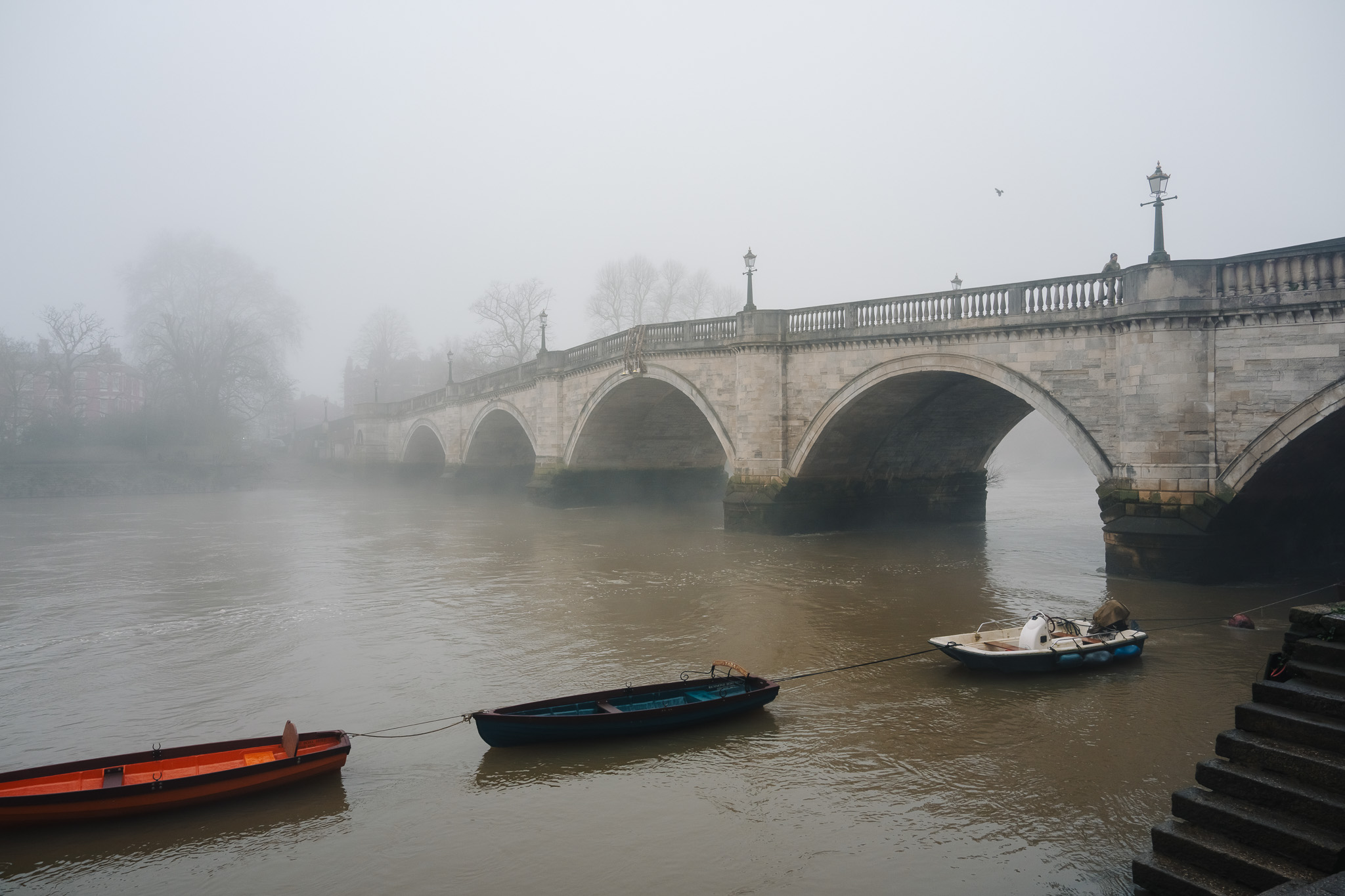
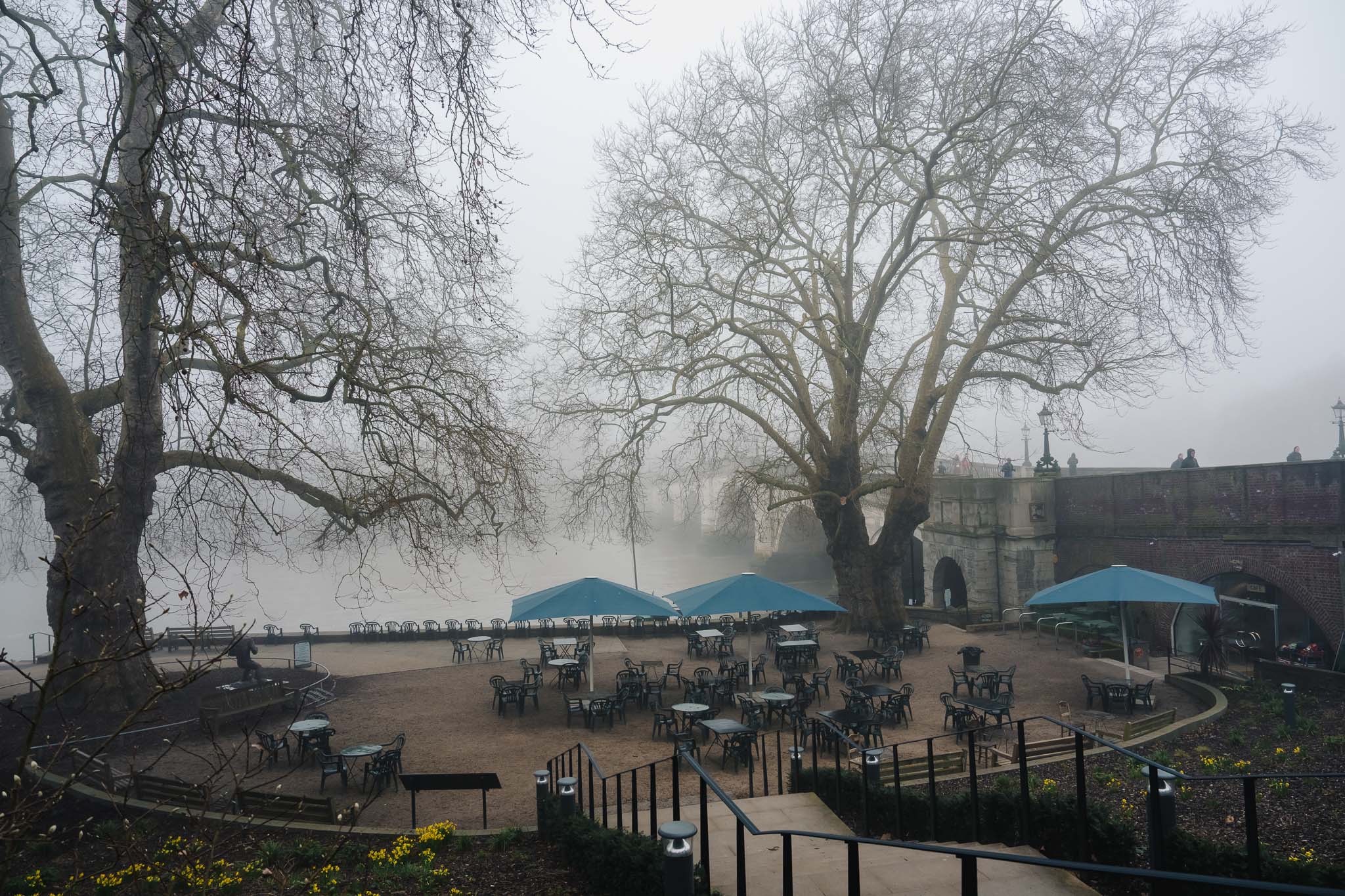
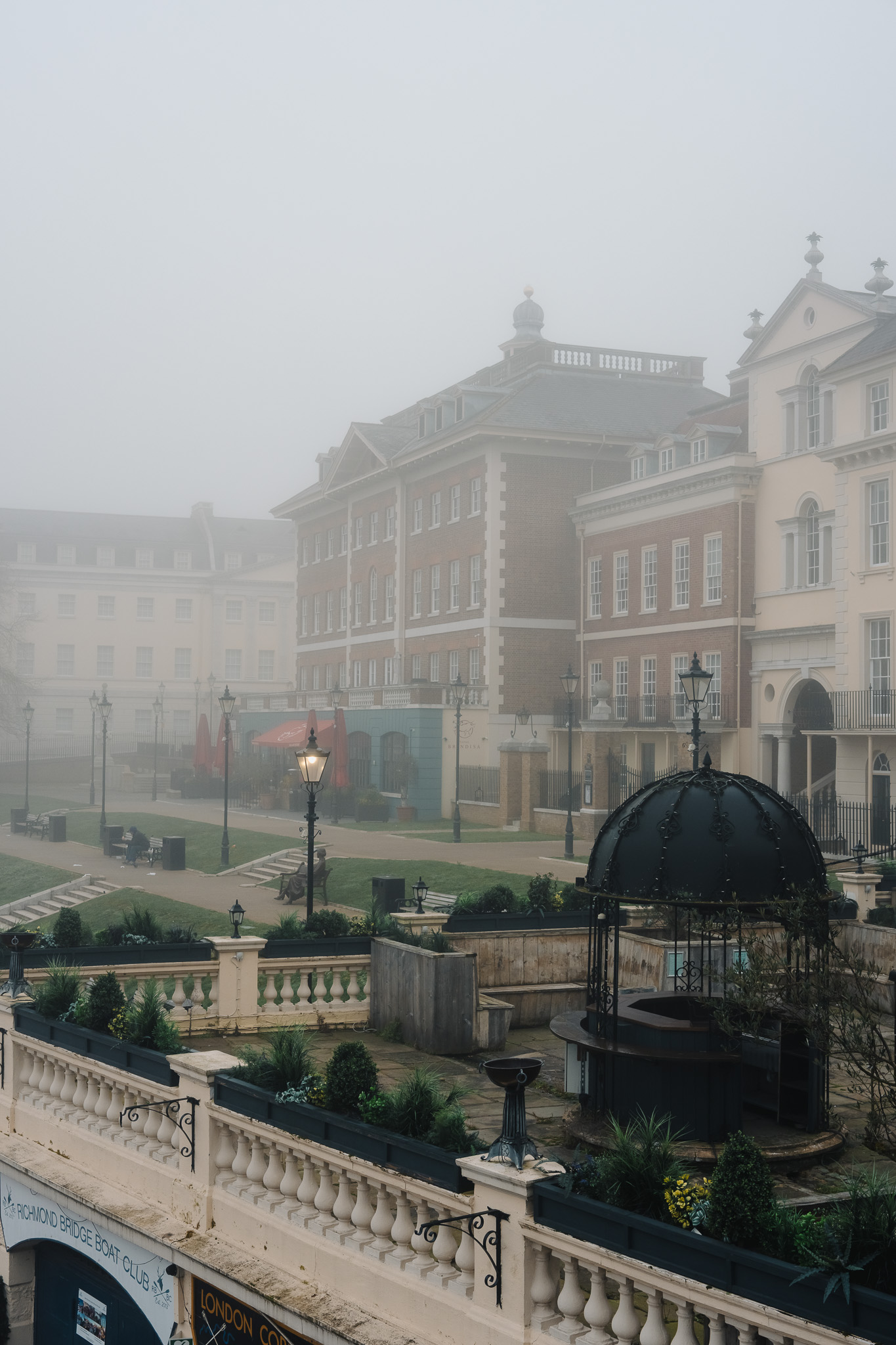
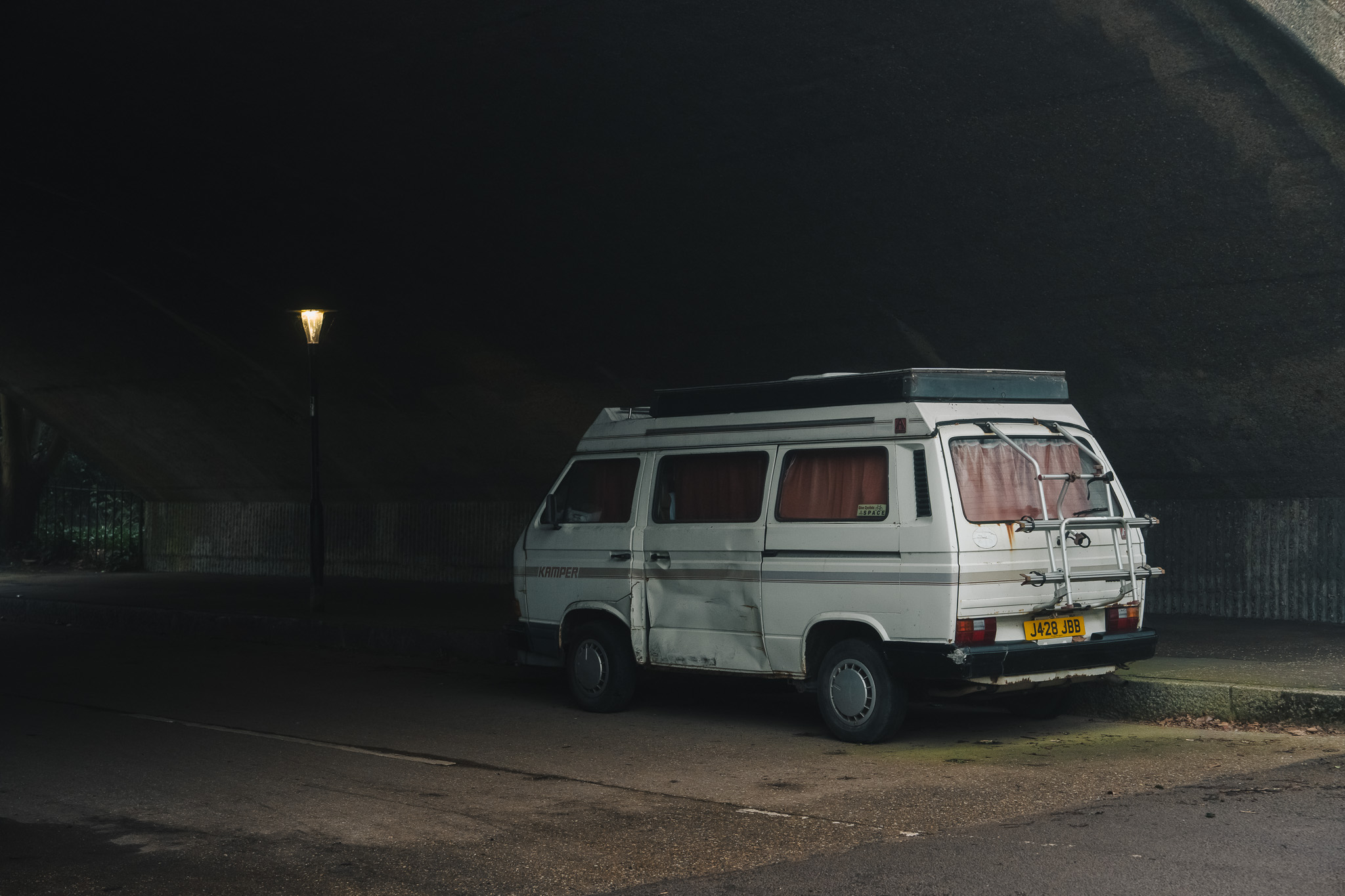
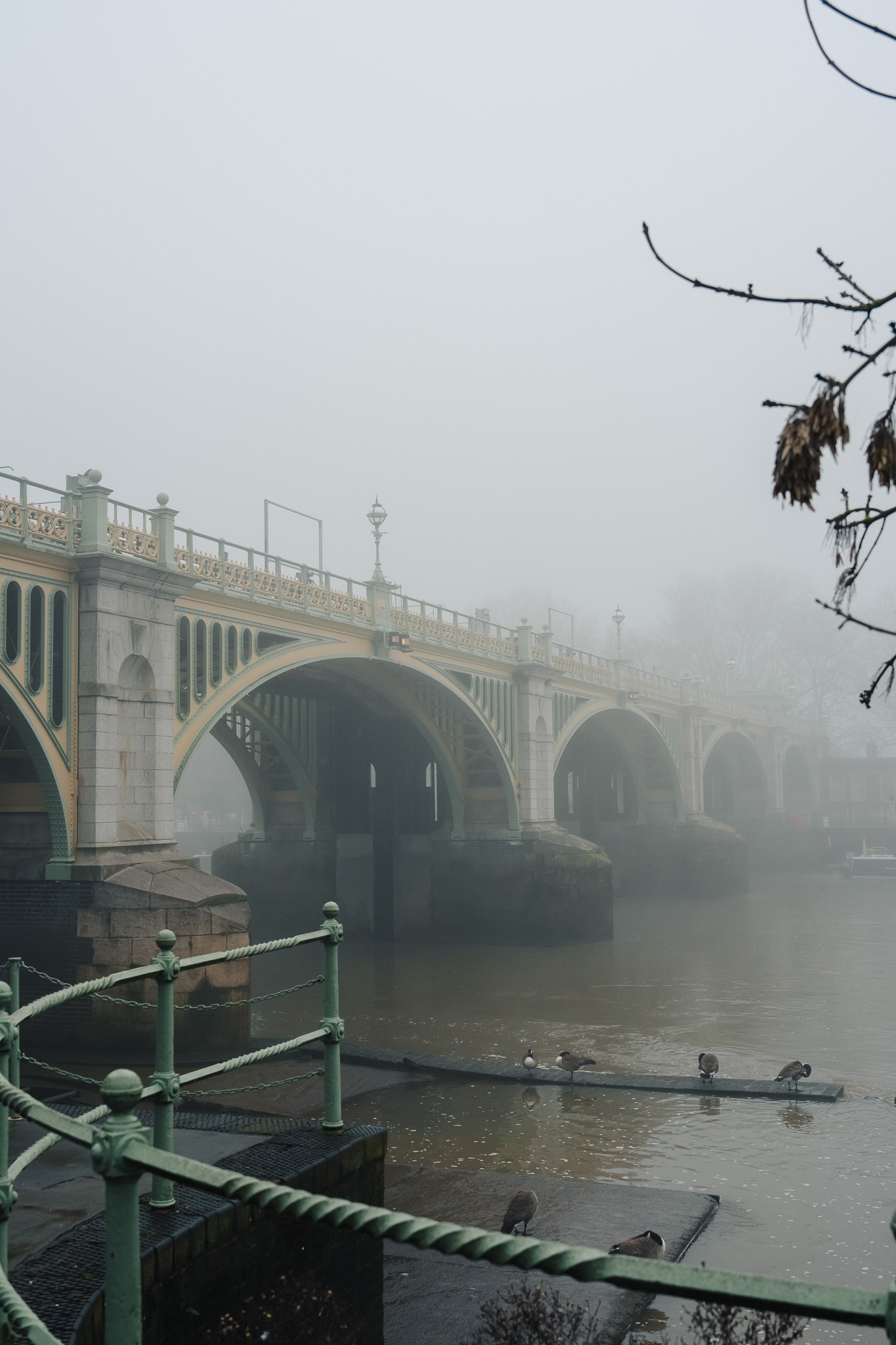
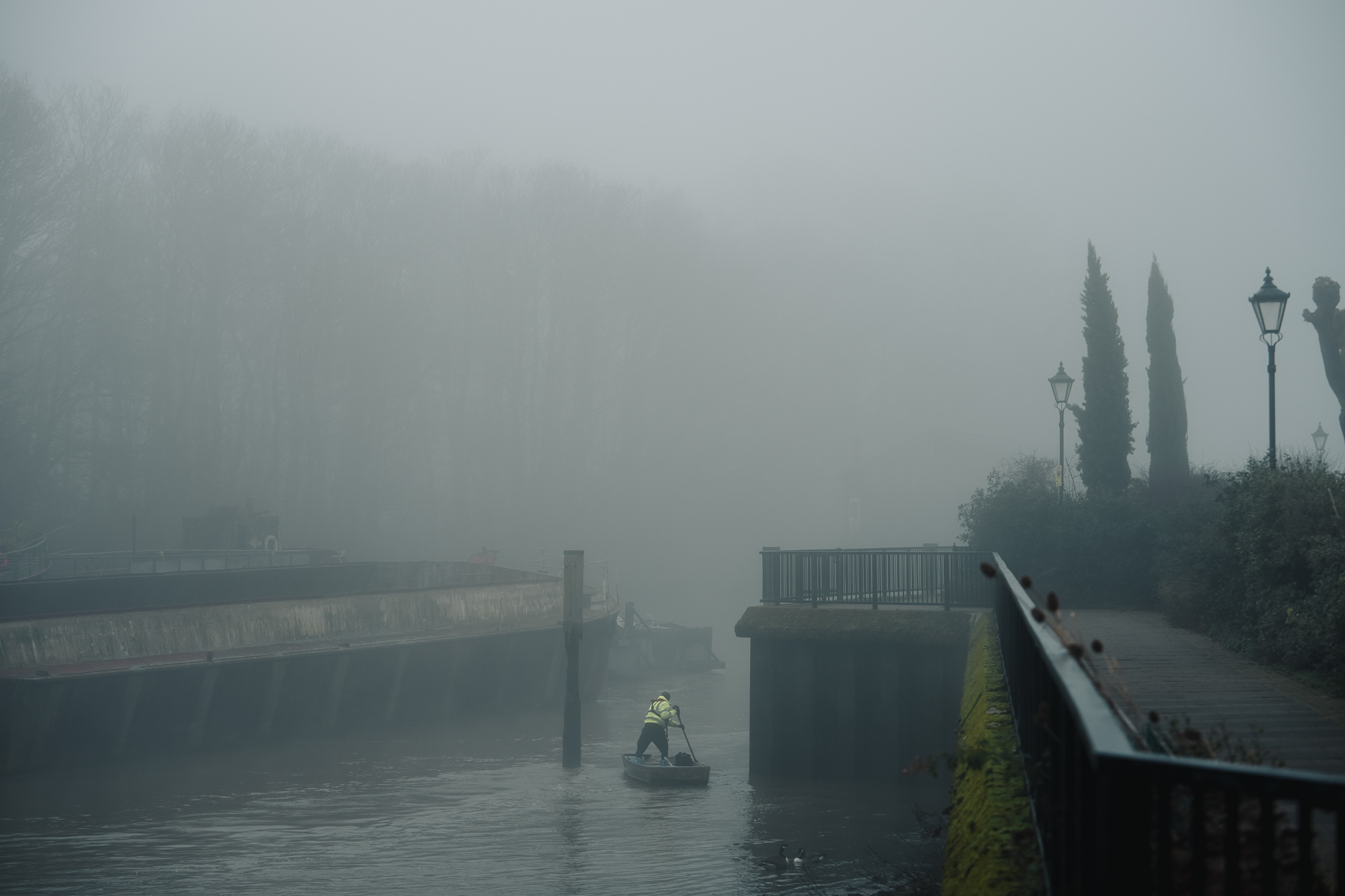
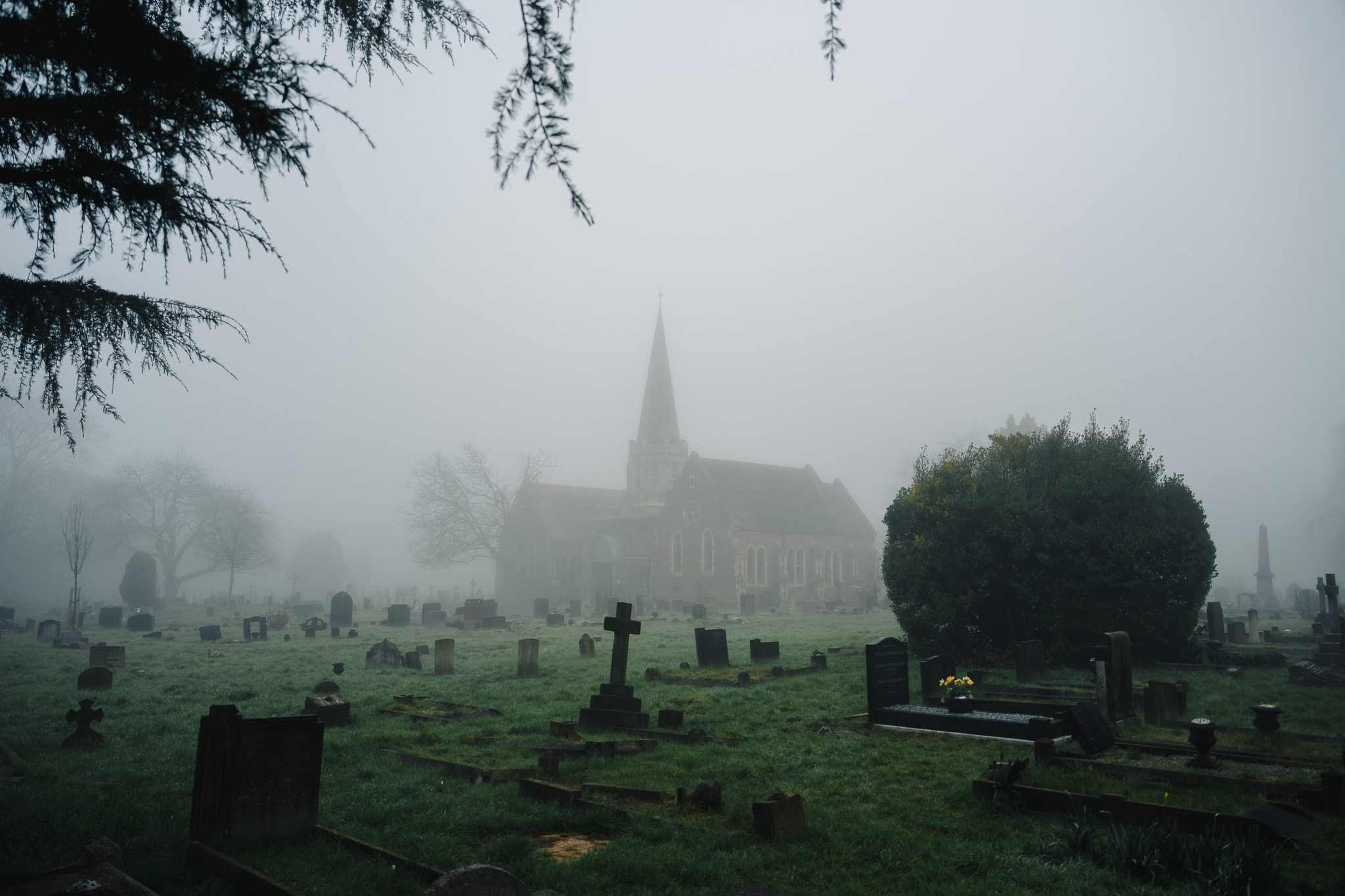
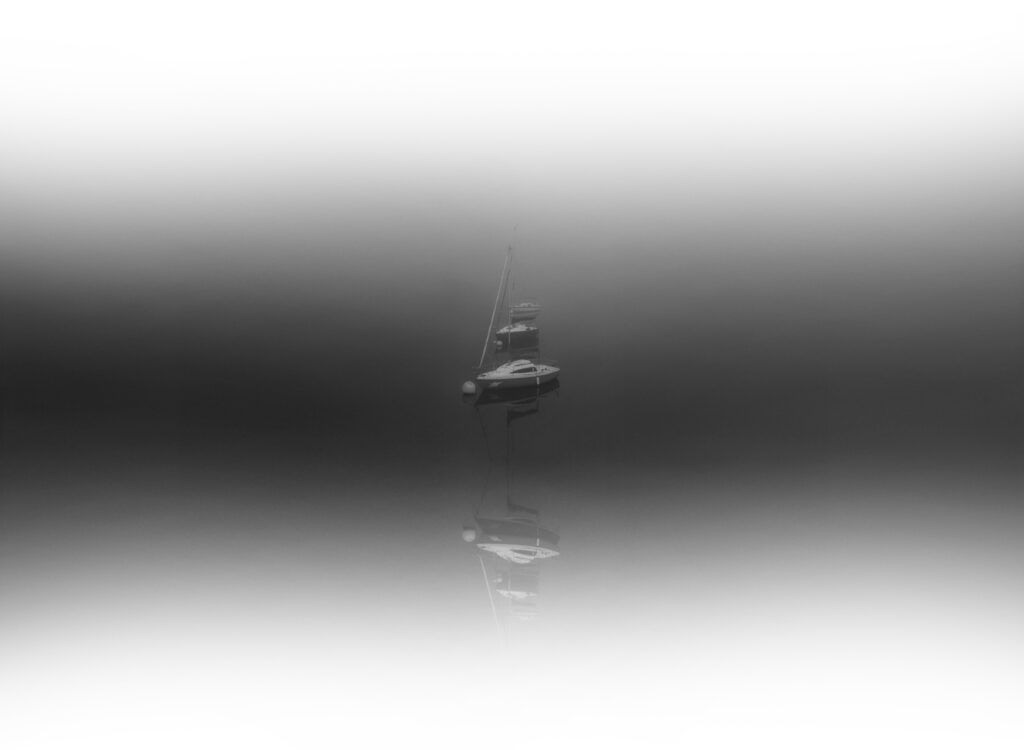
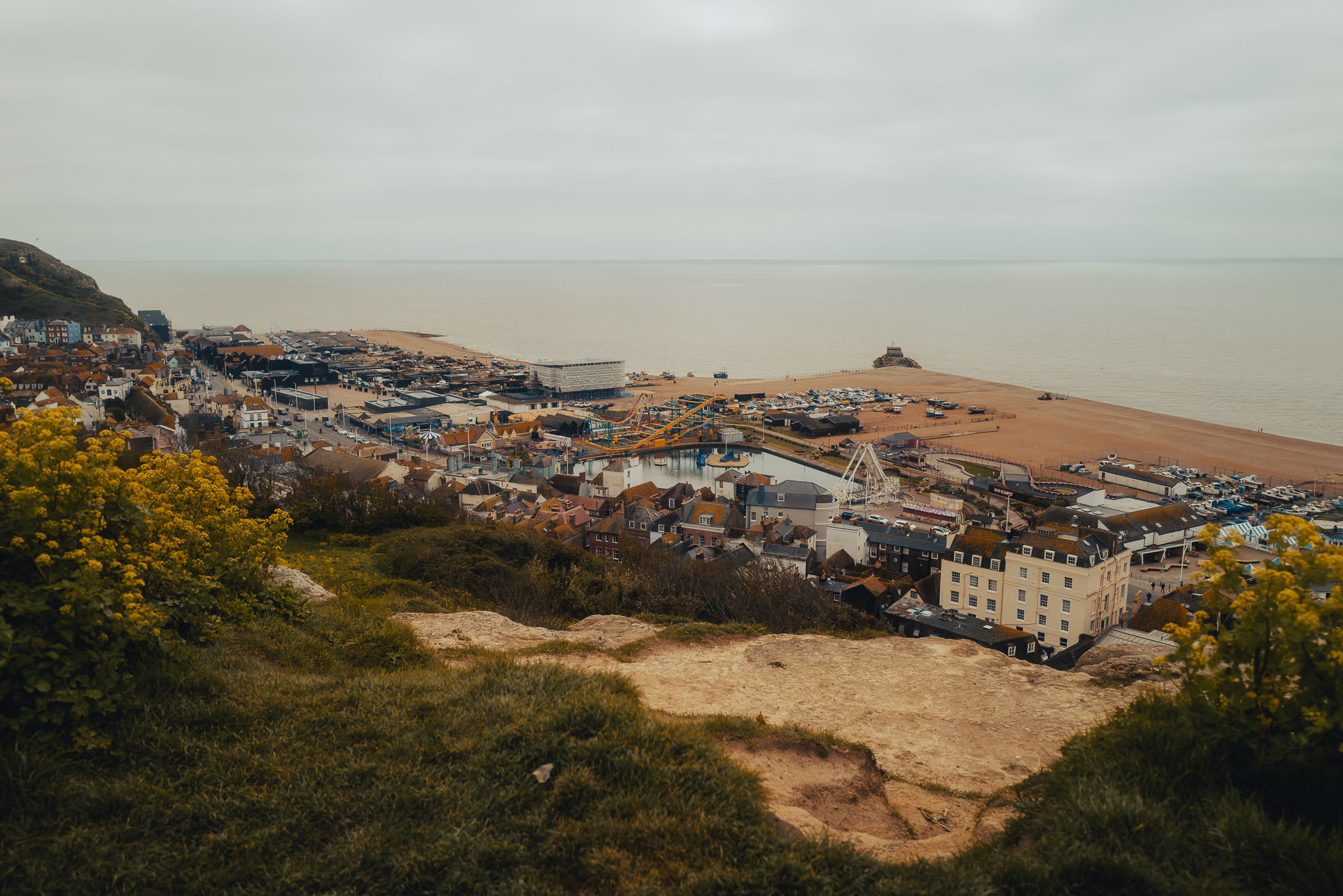
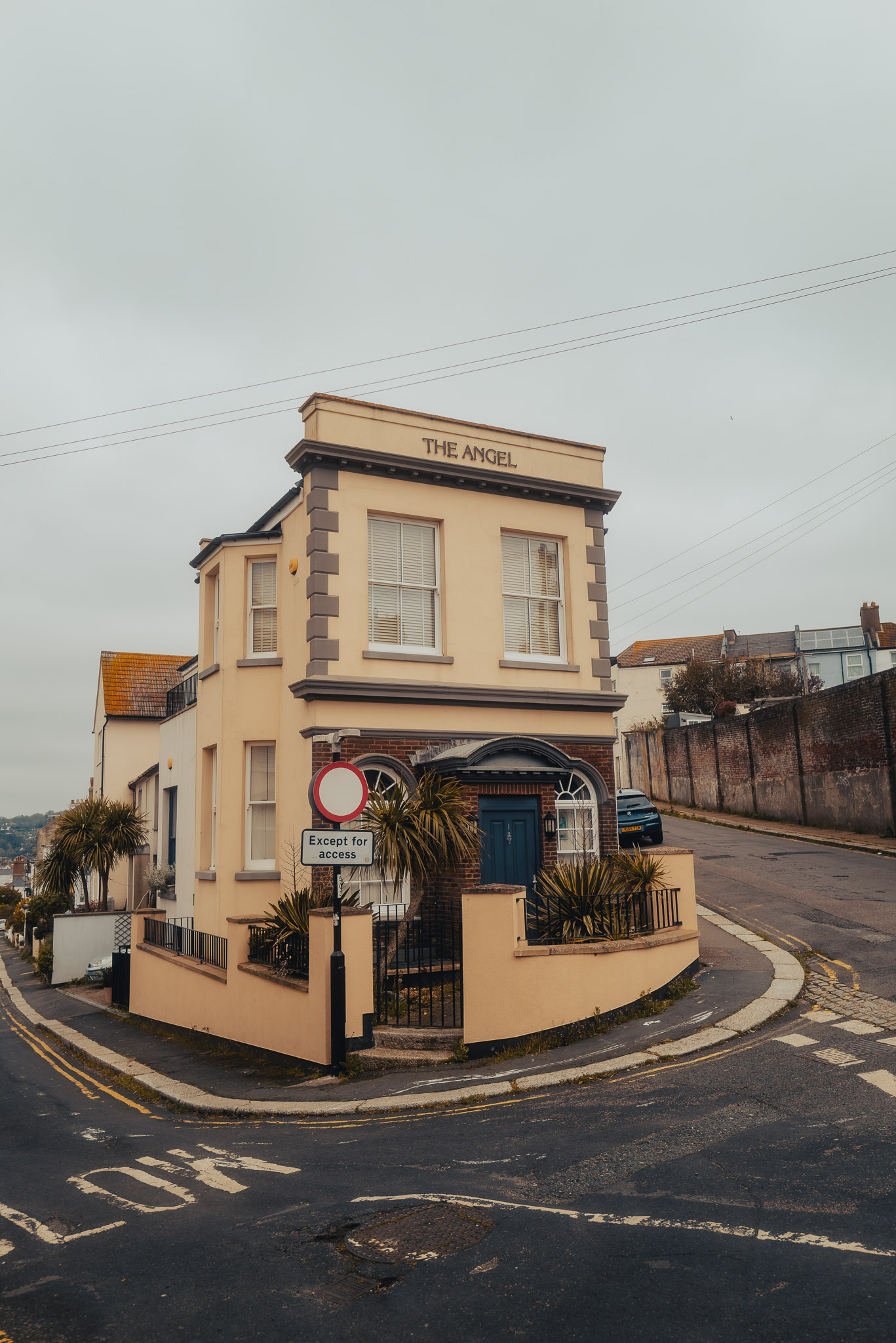
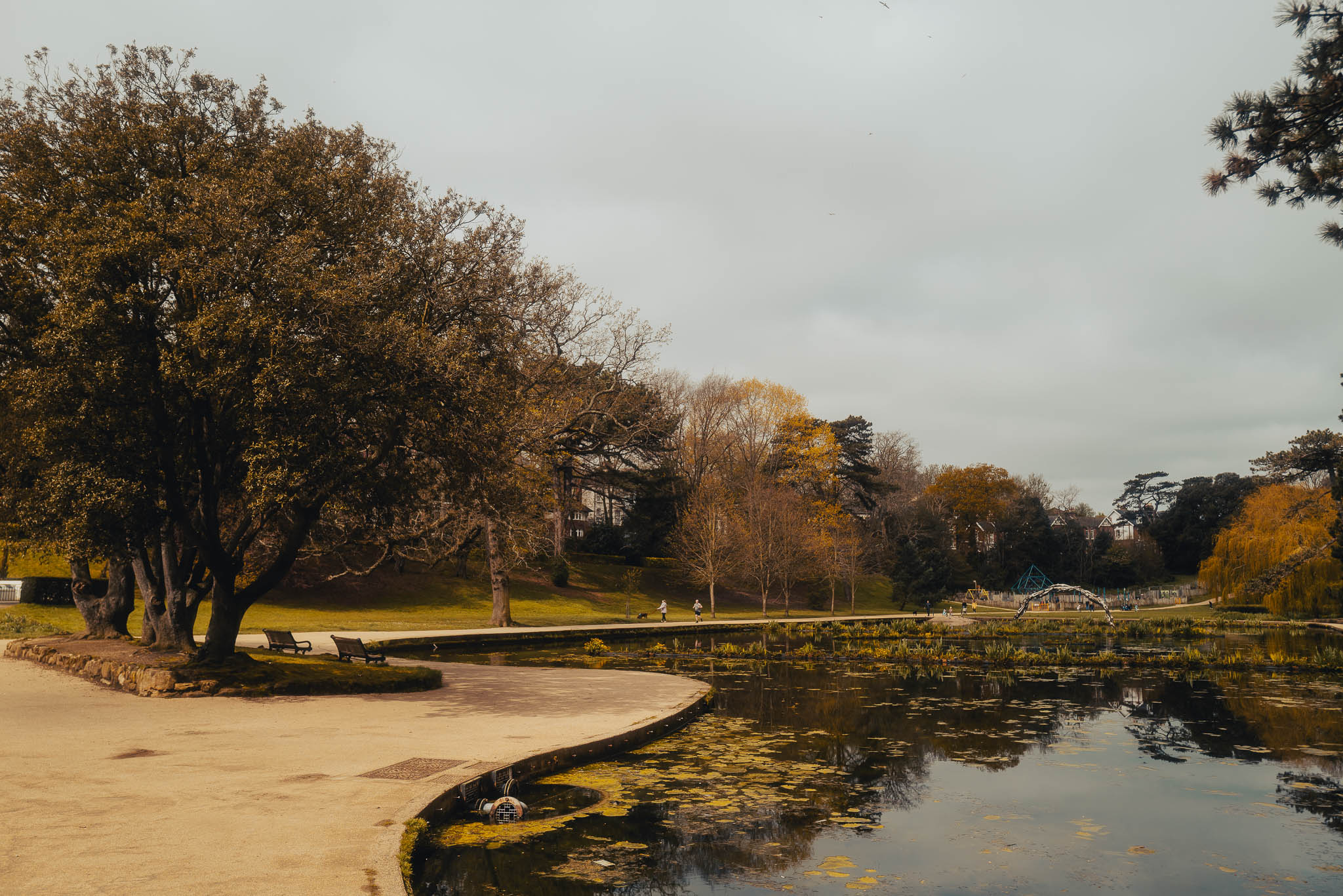
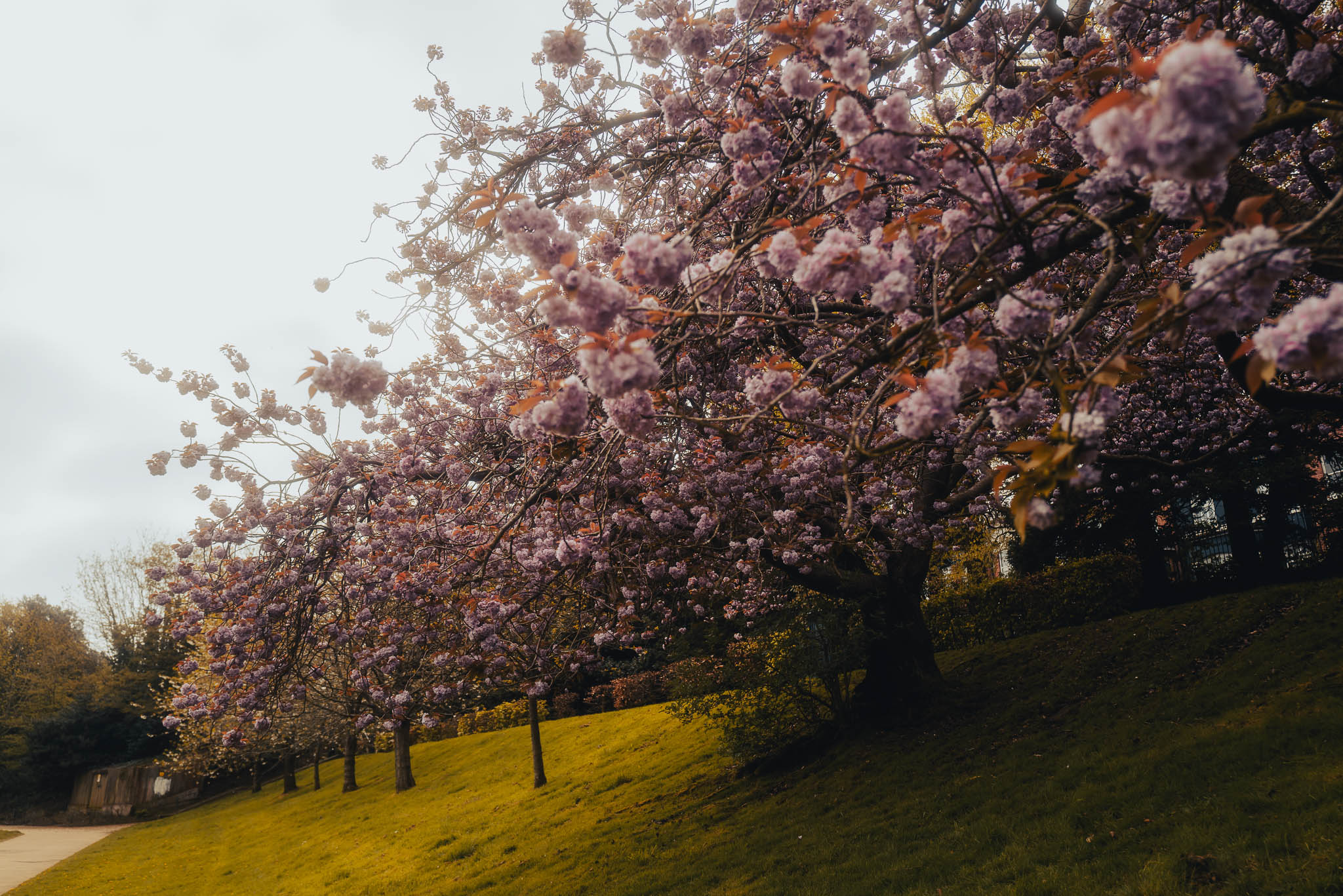
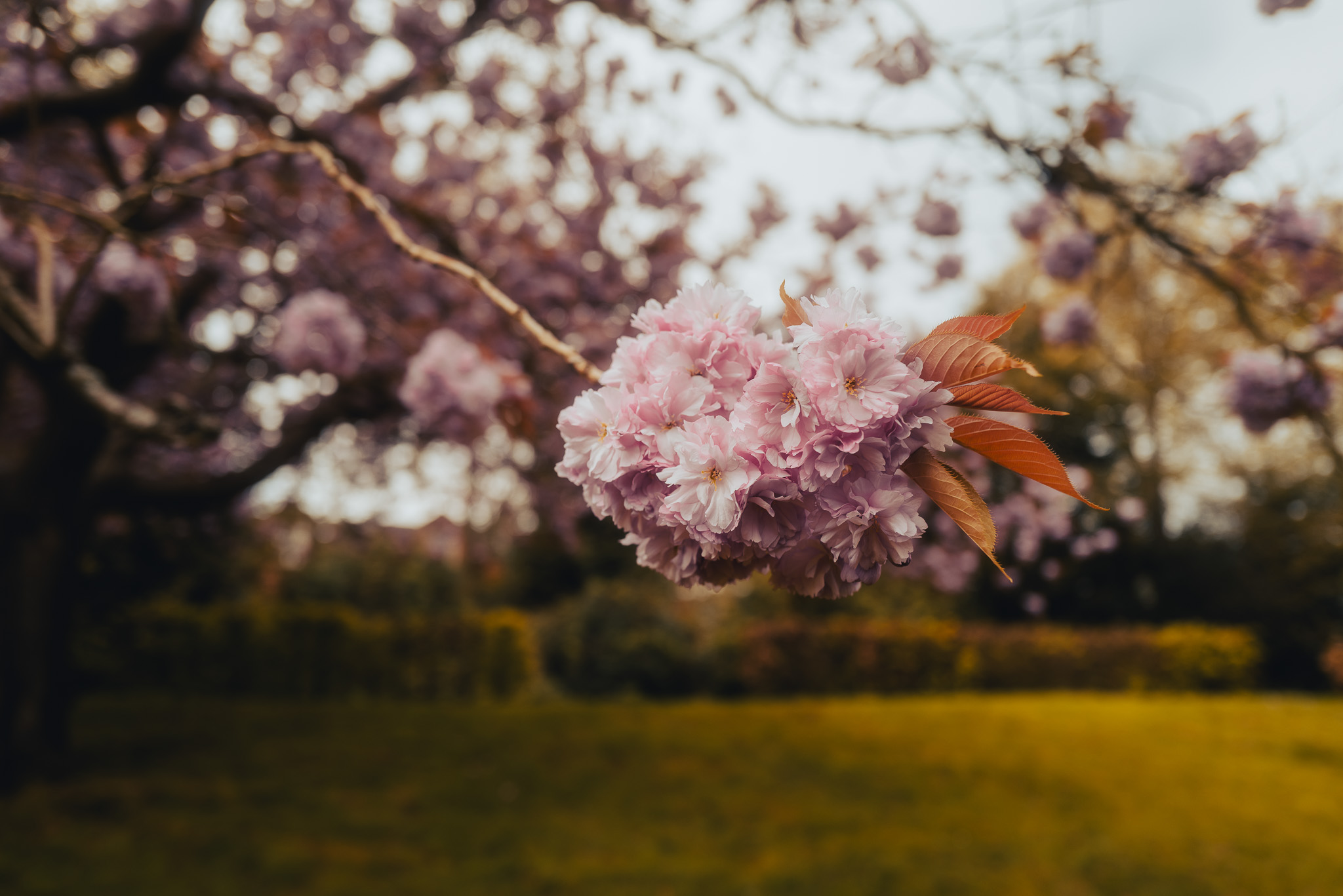
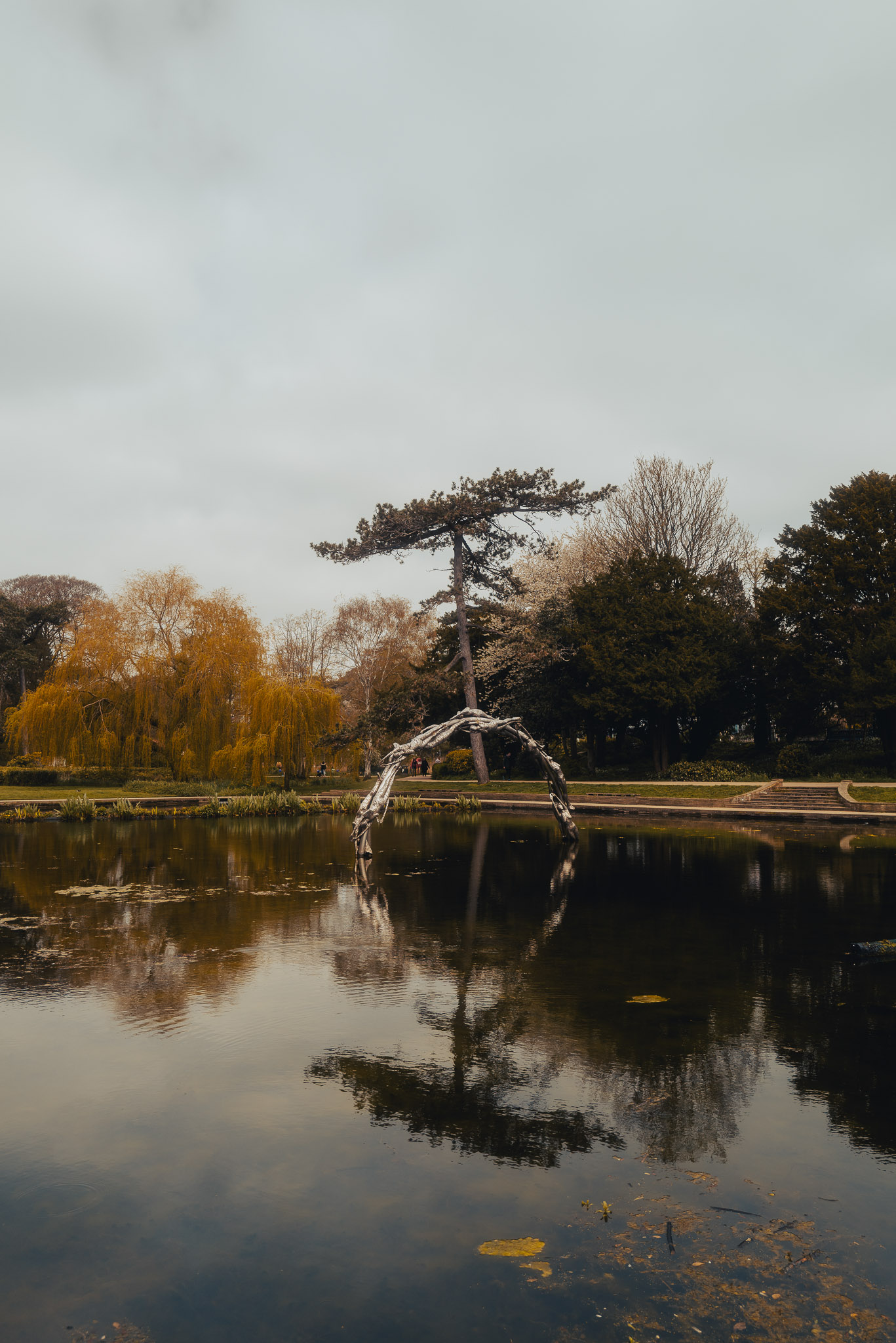
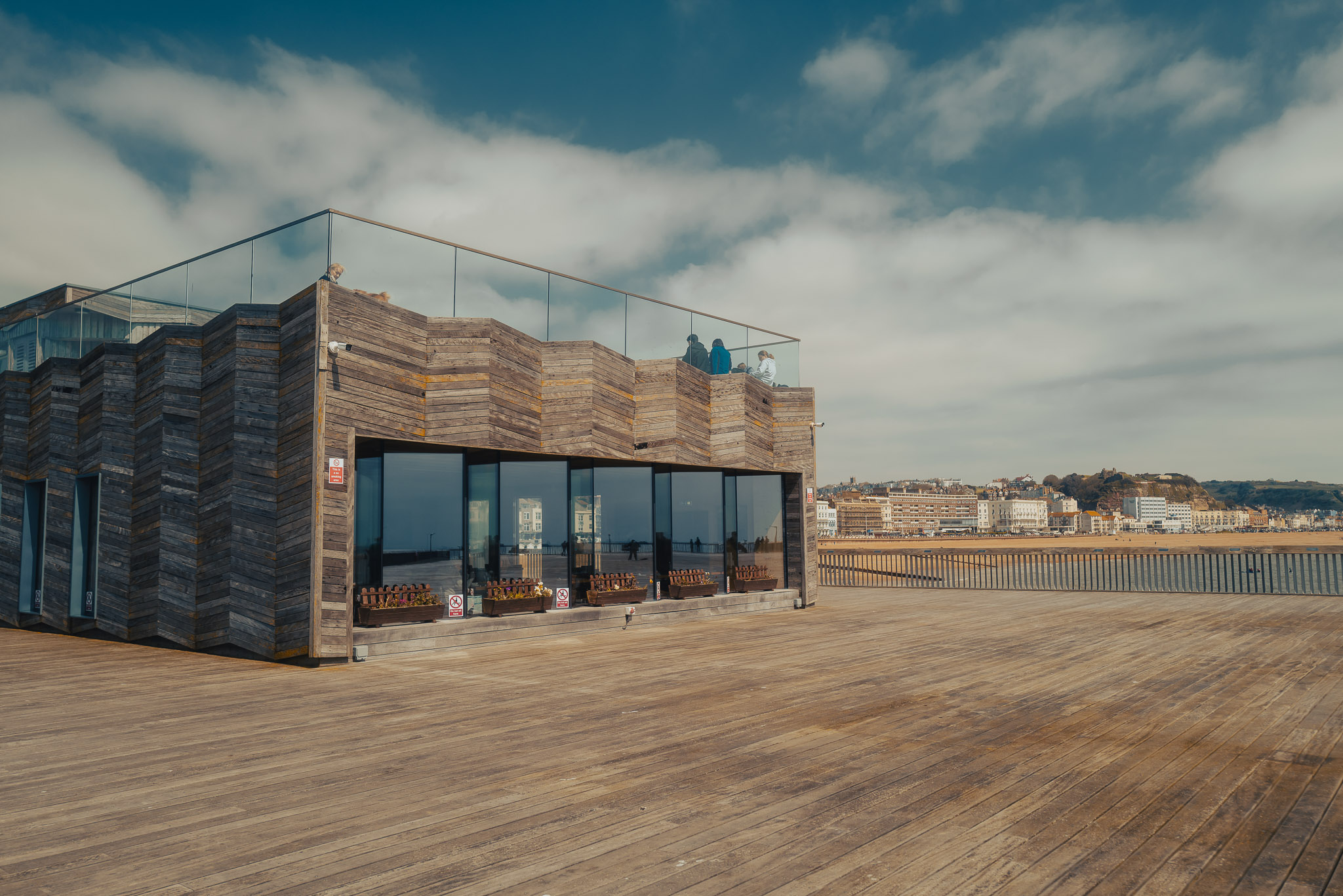
April 2023
Квітень 2023
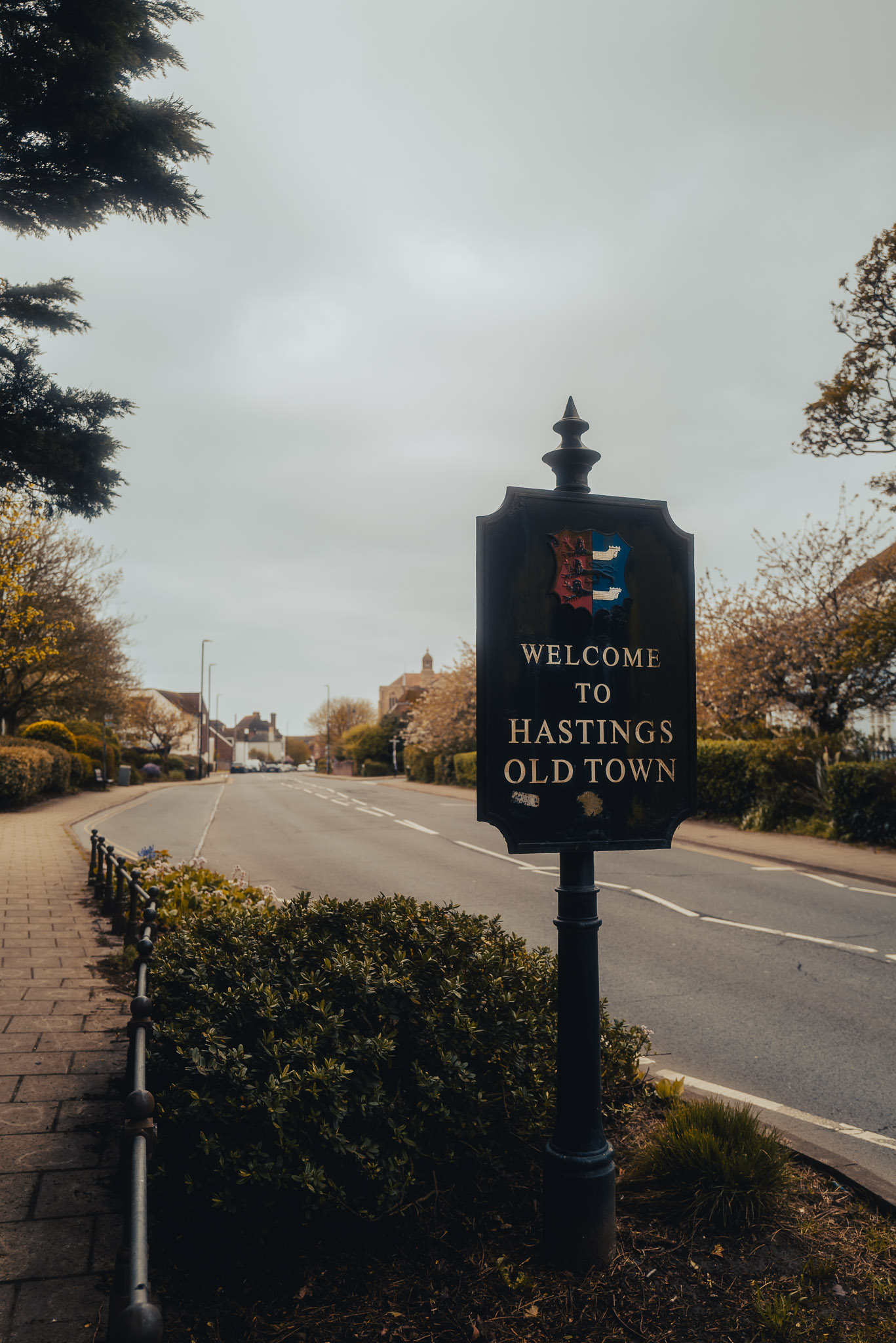
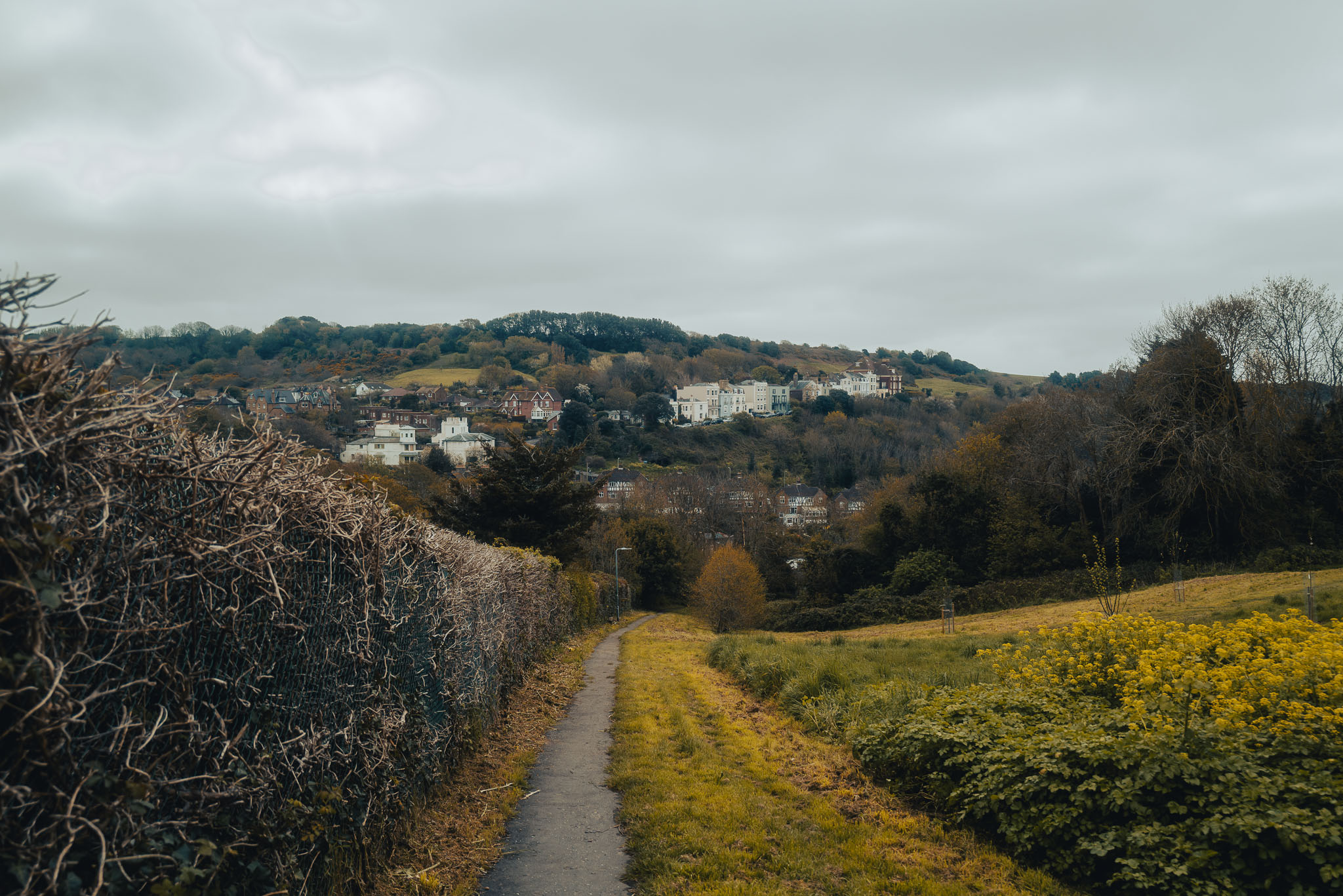
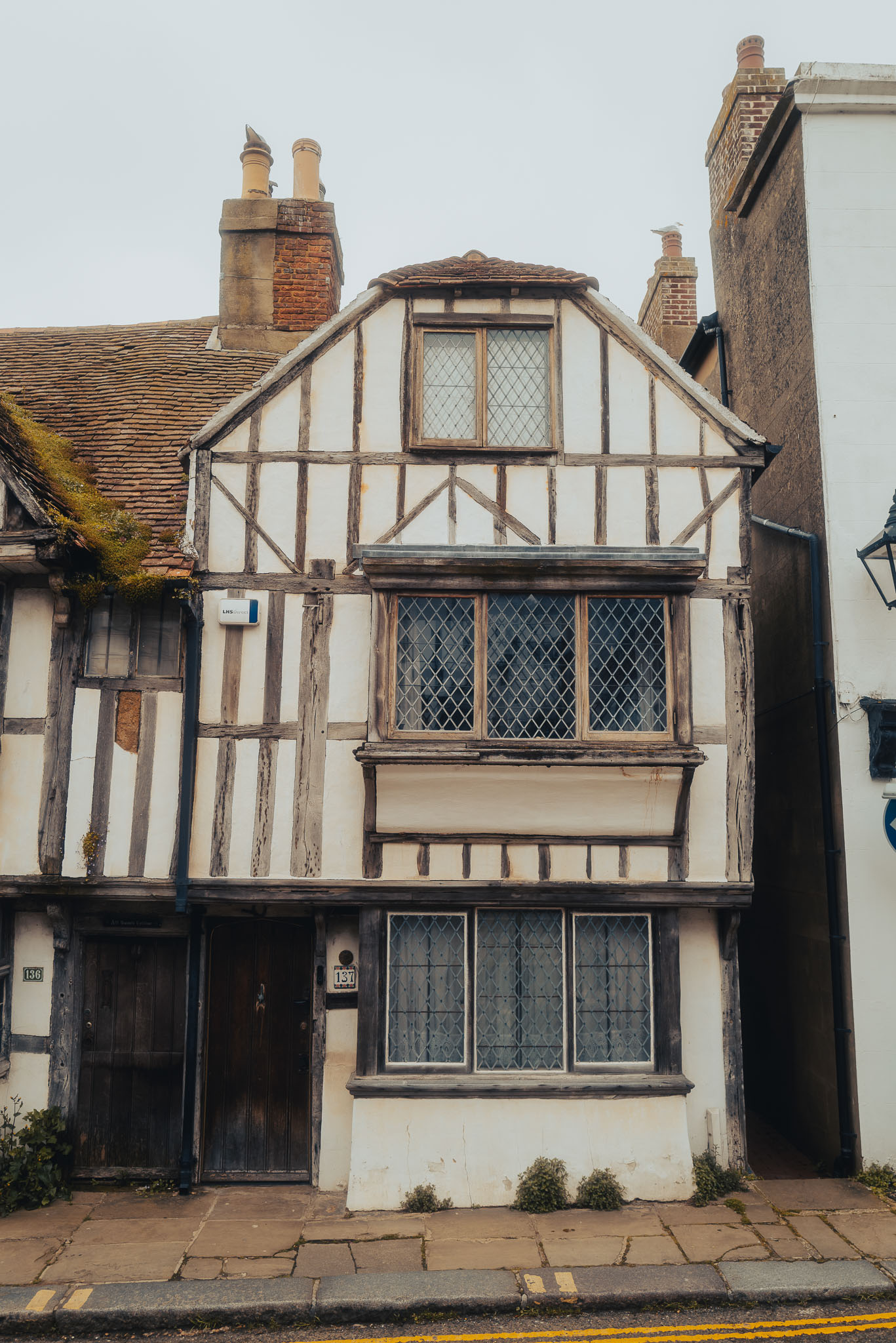

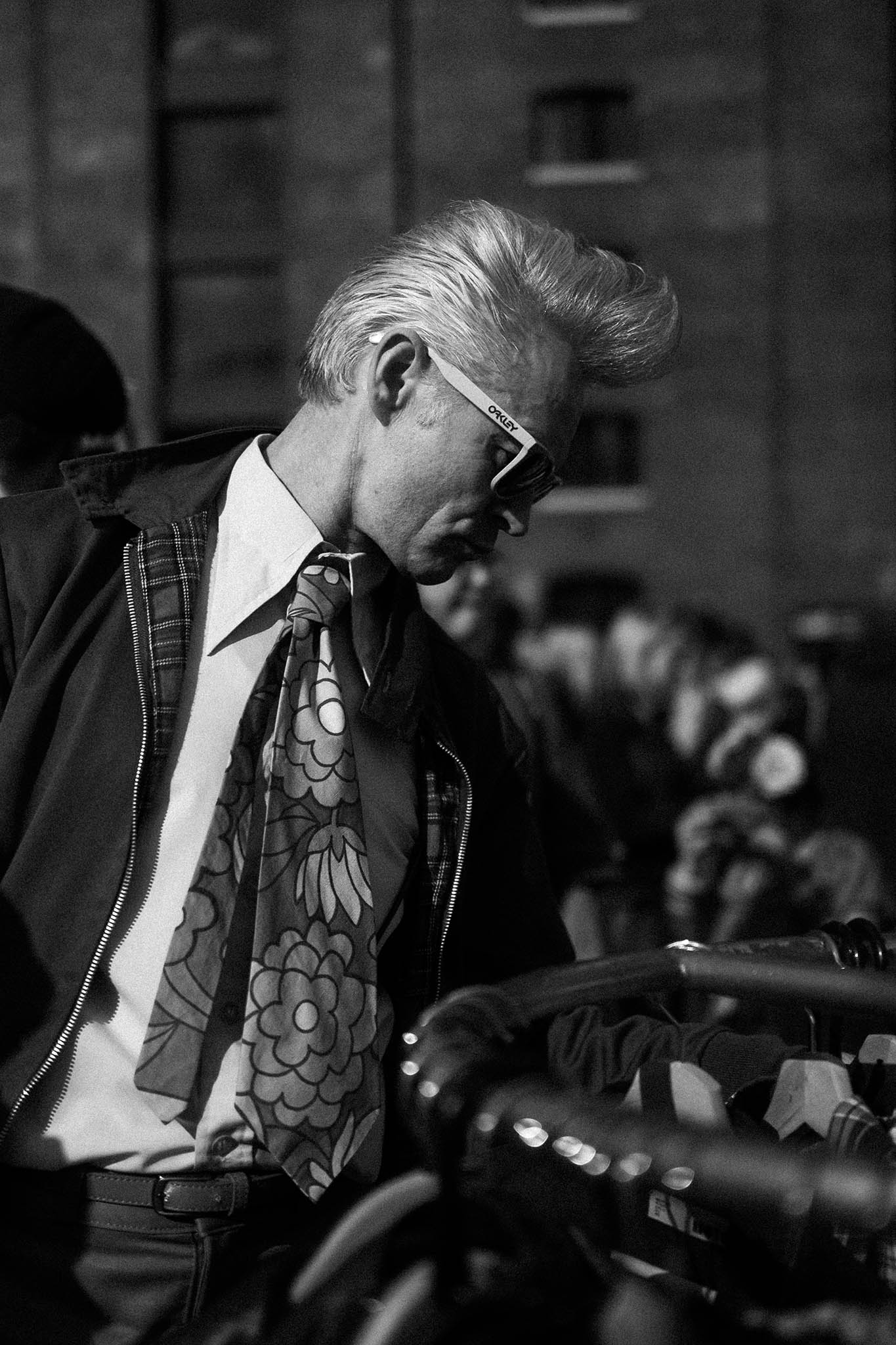
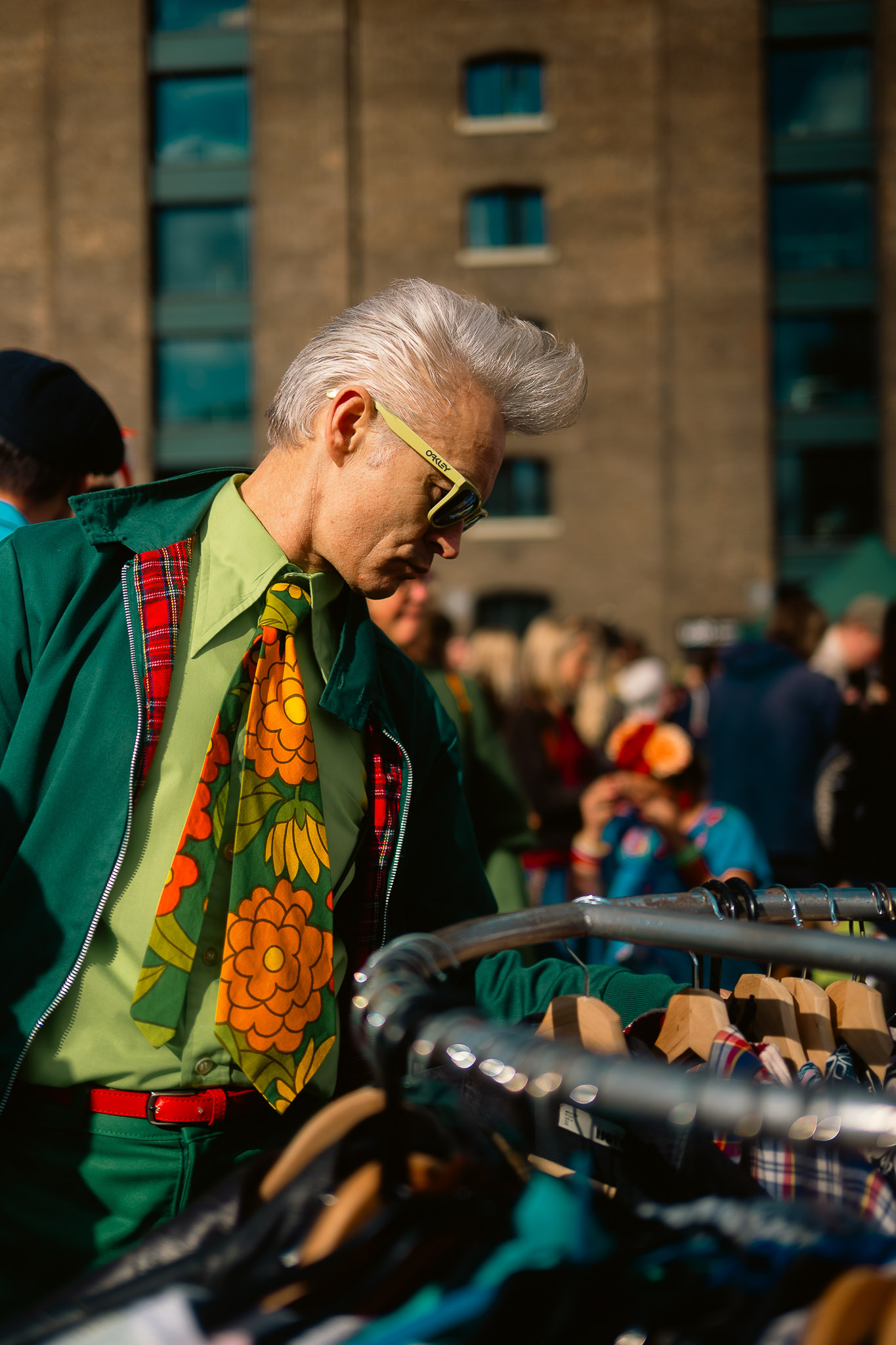
2025.09.27
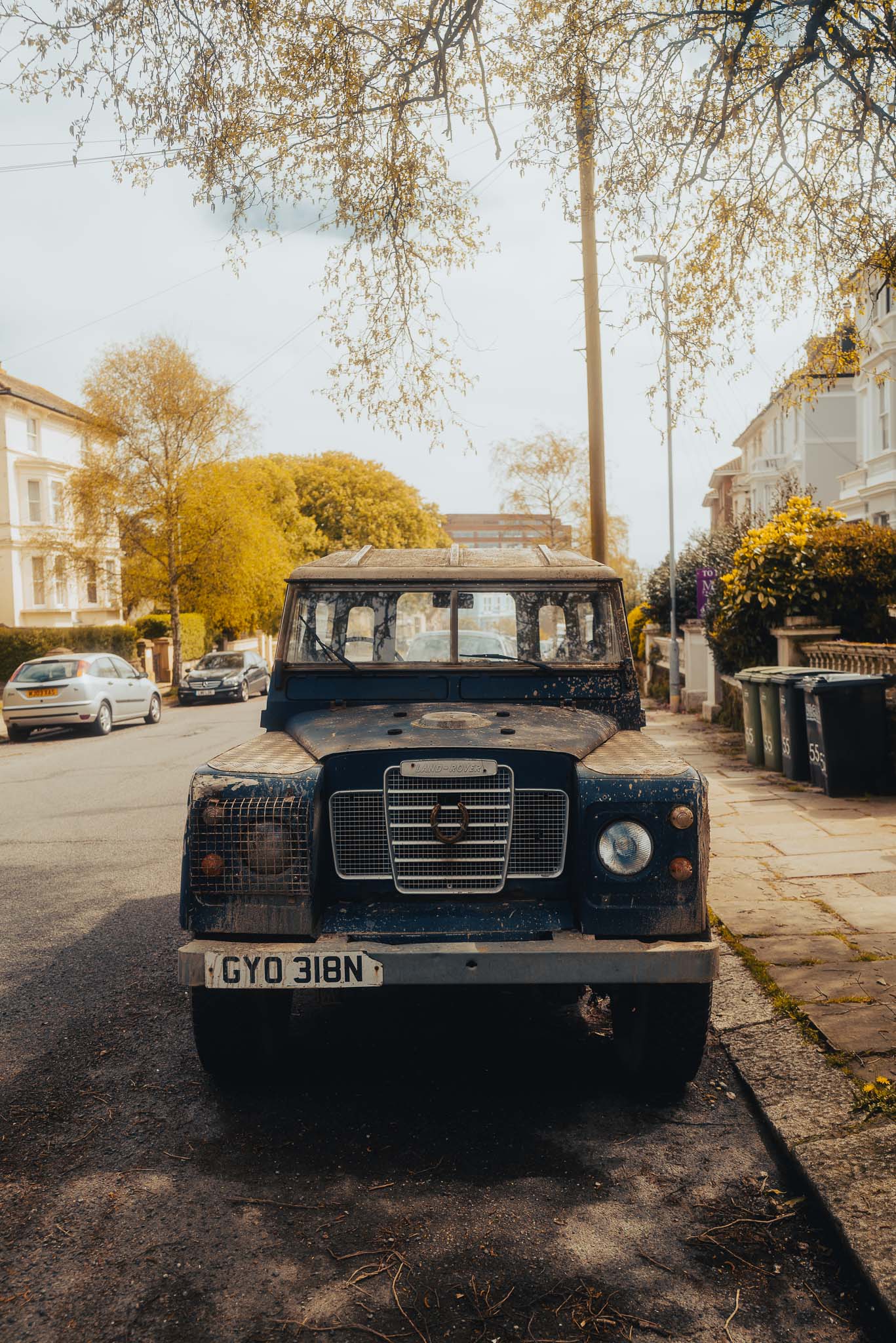
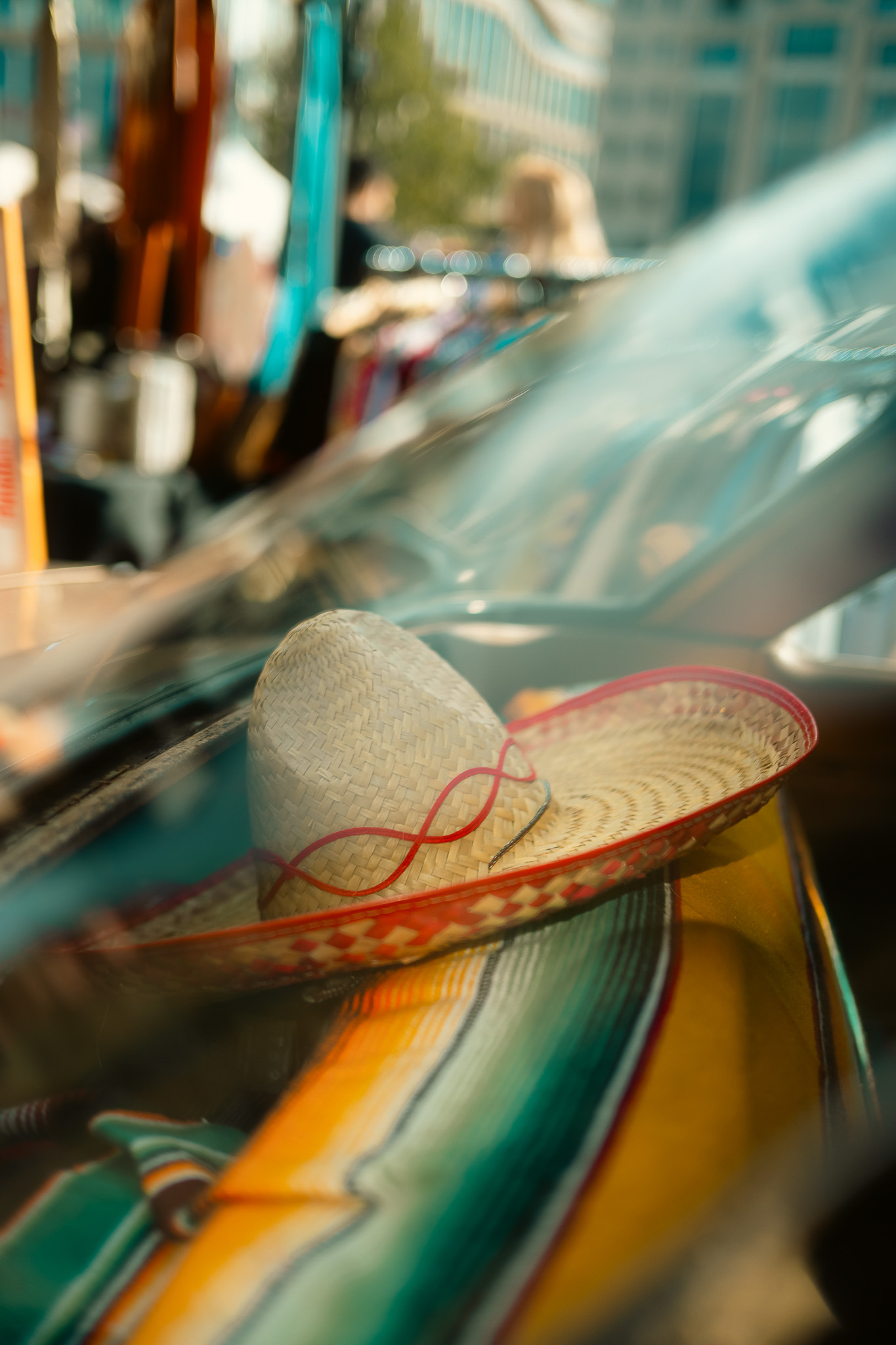
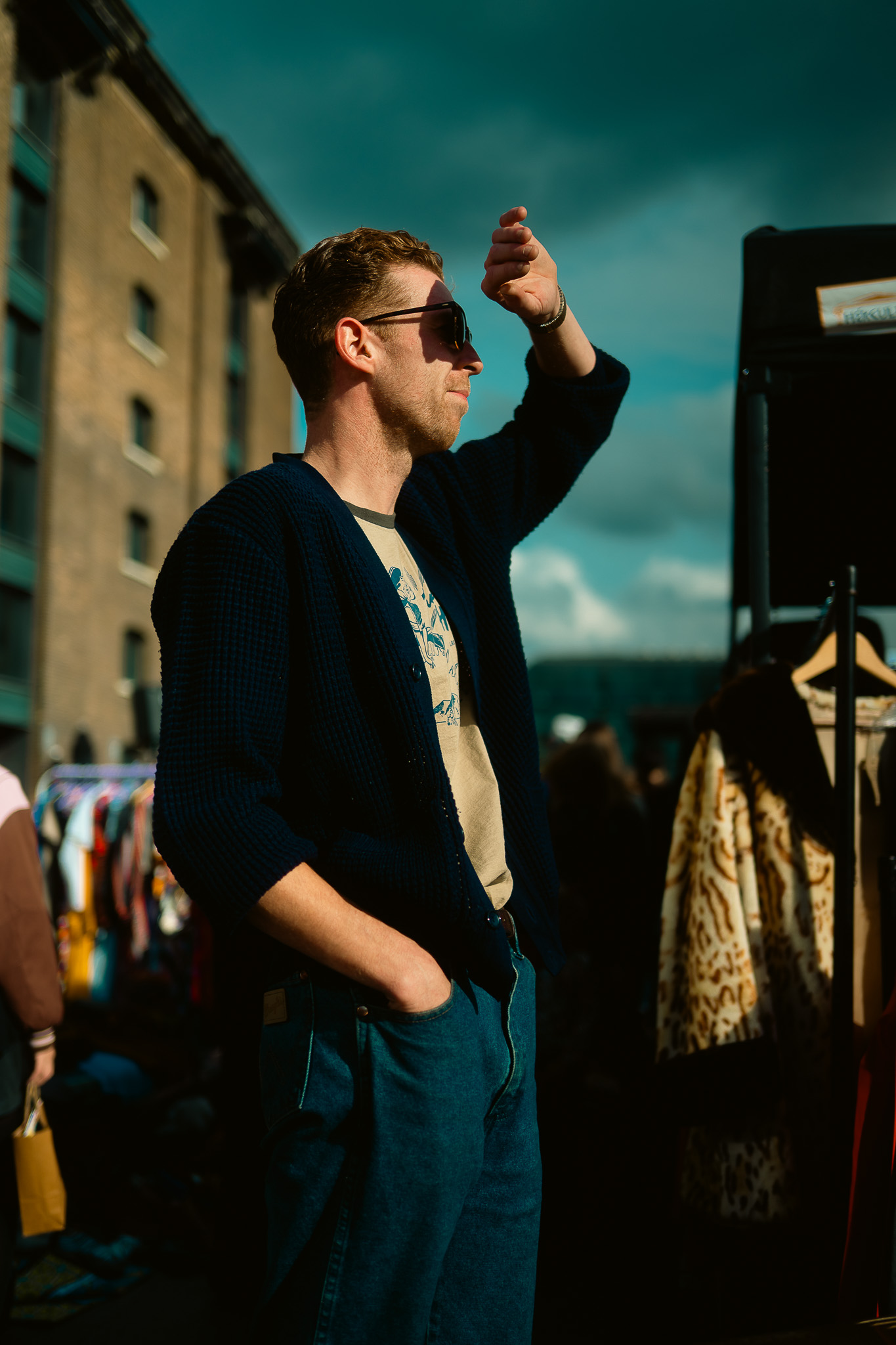
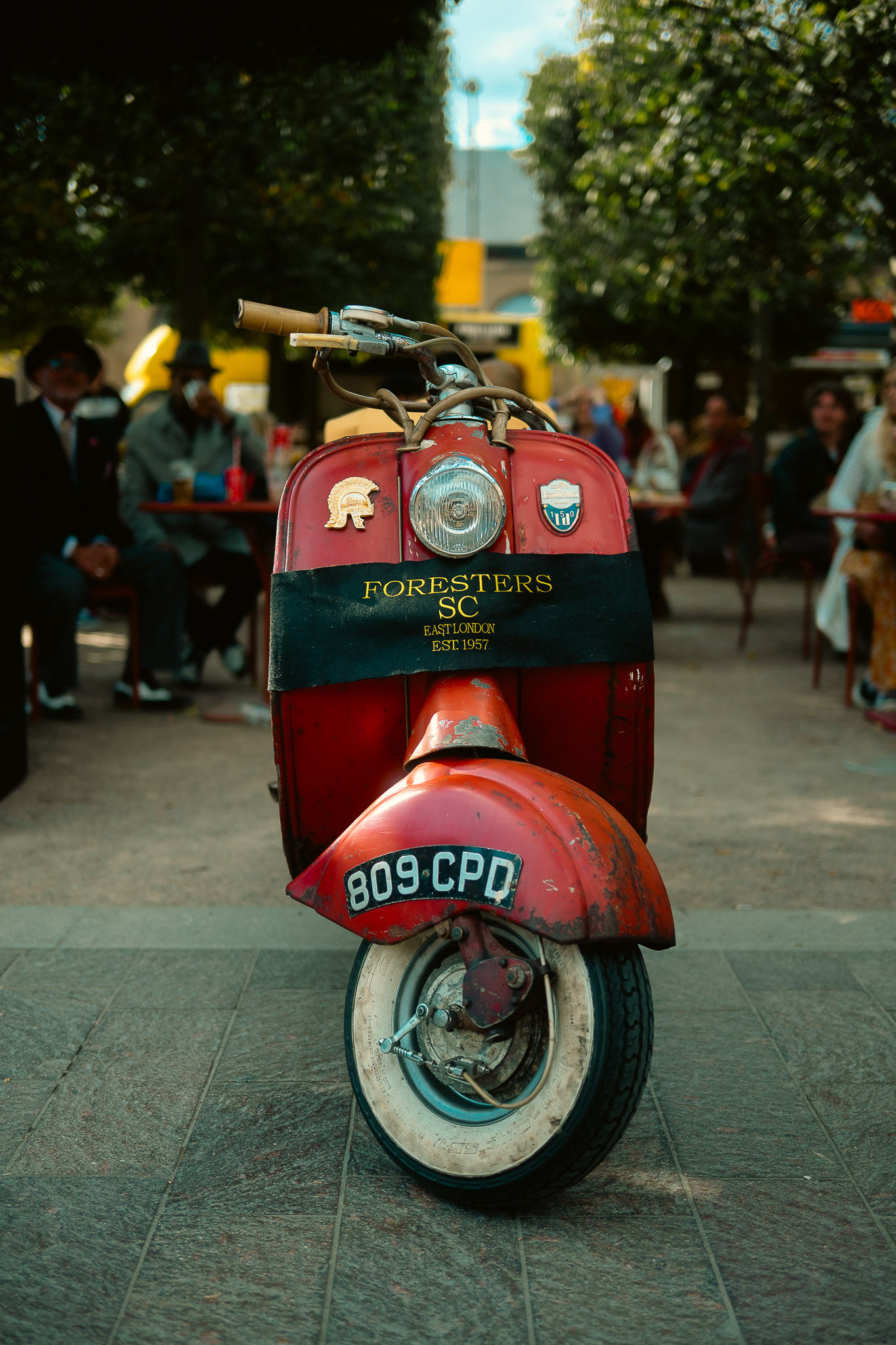
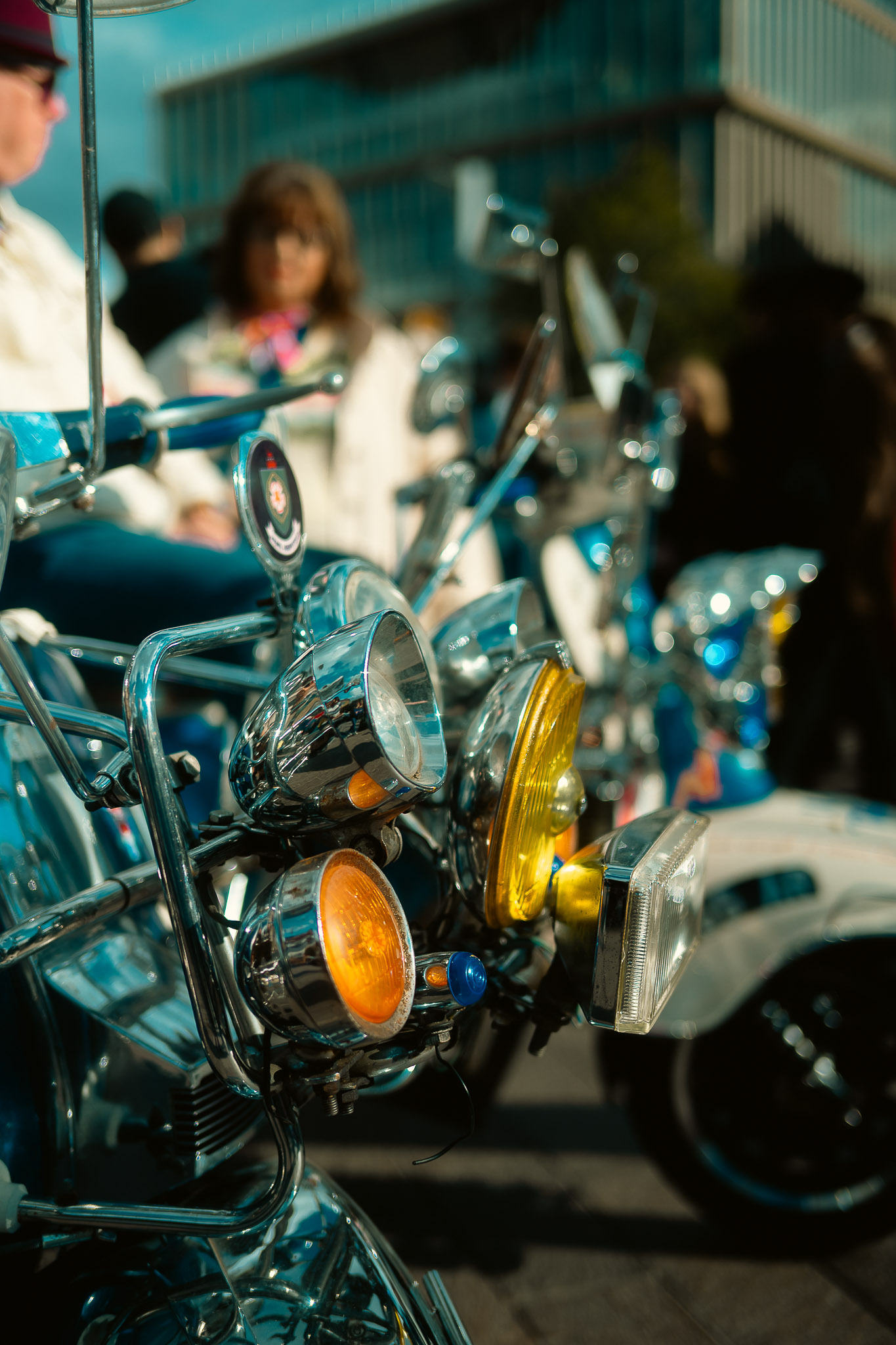
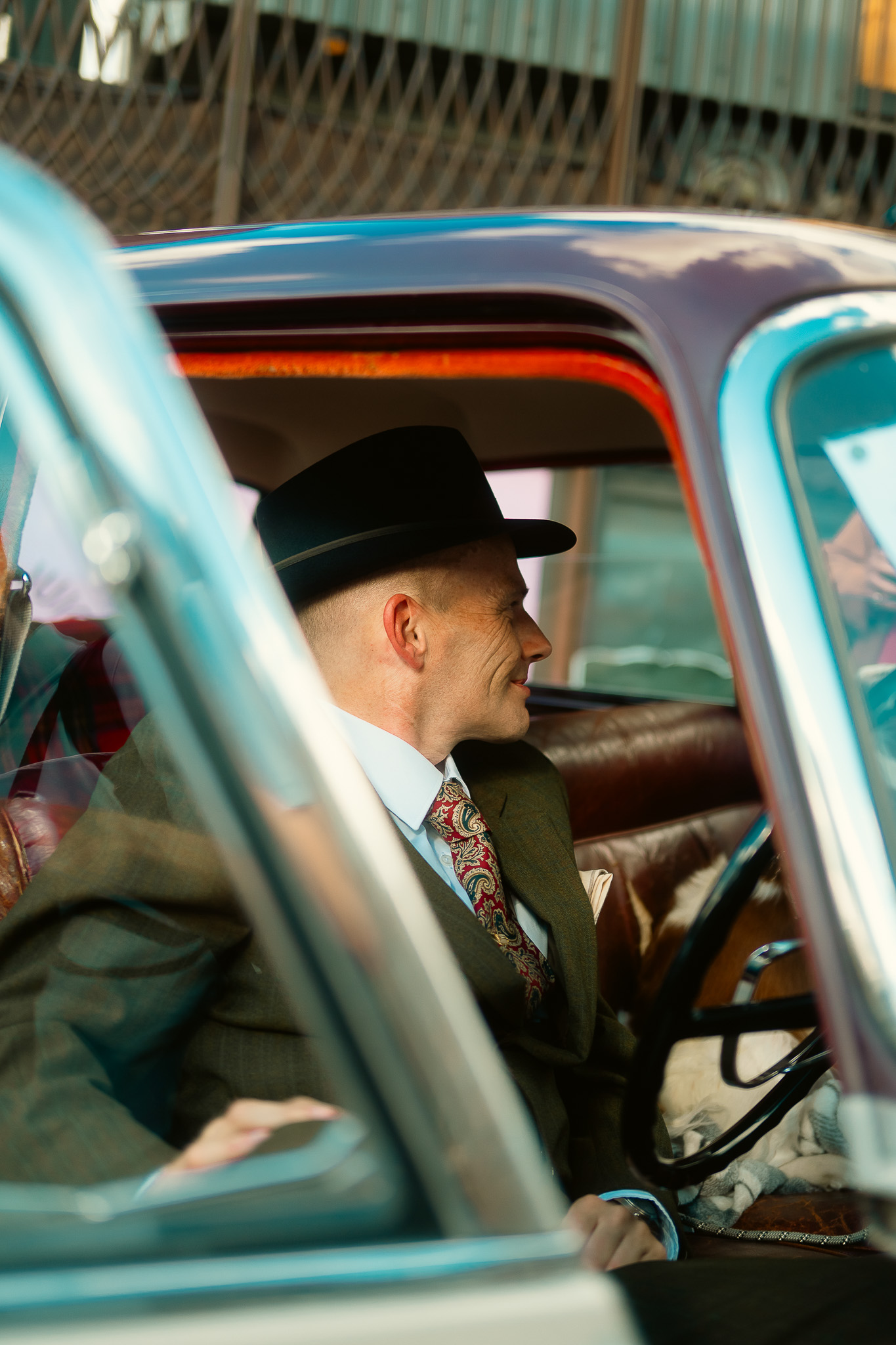
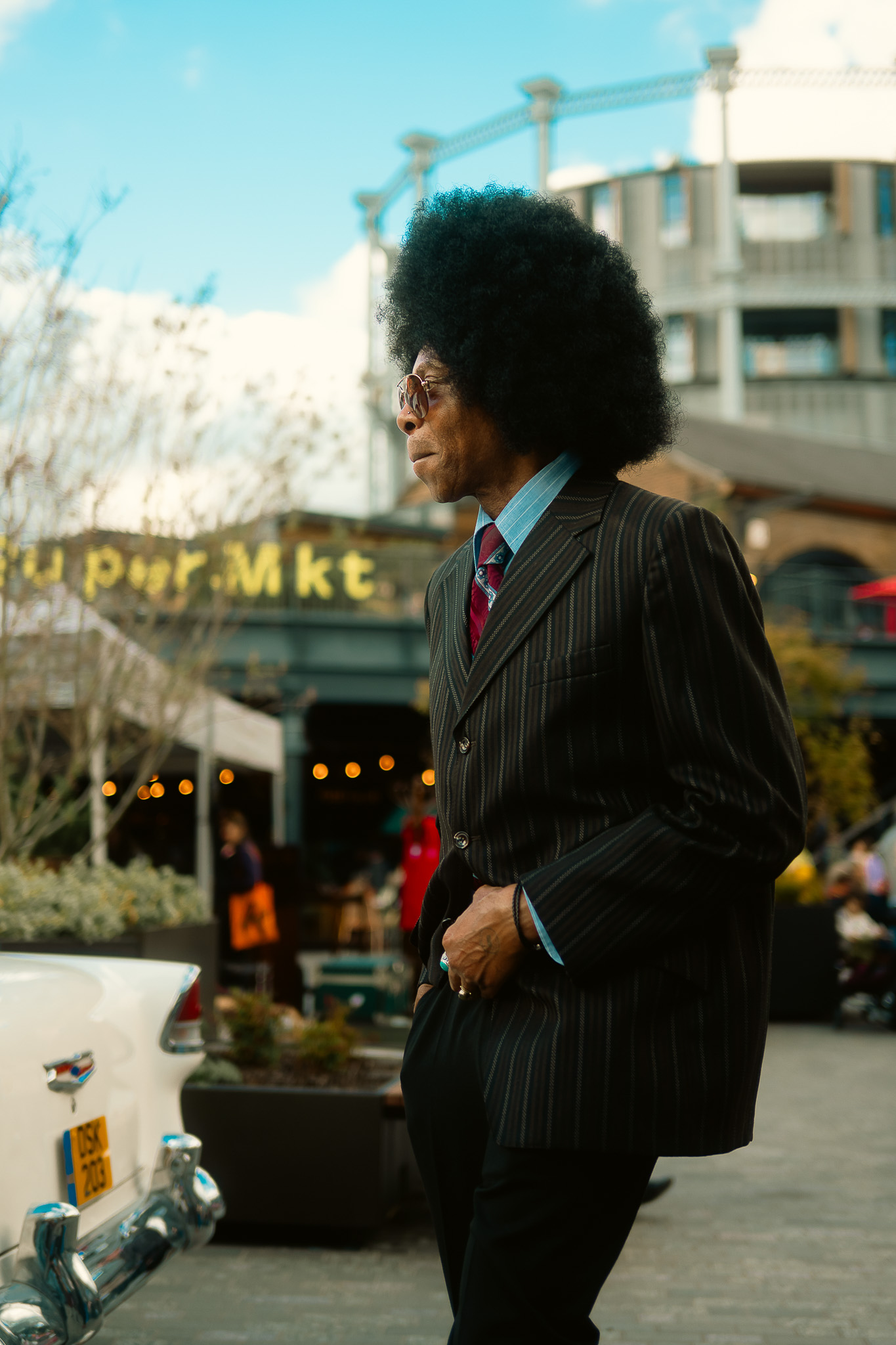
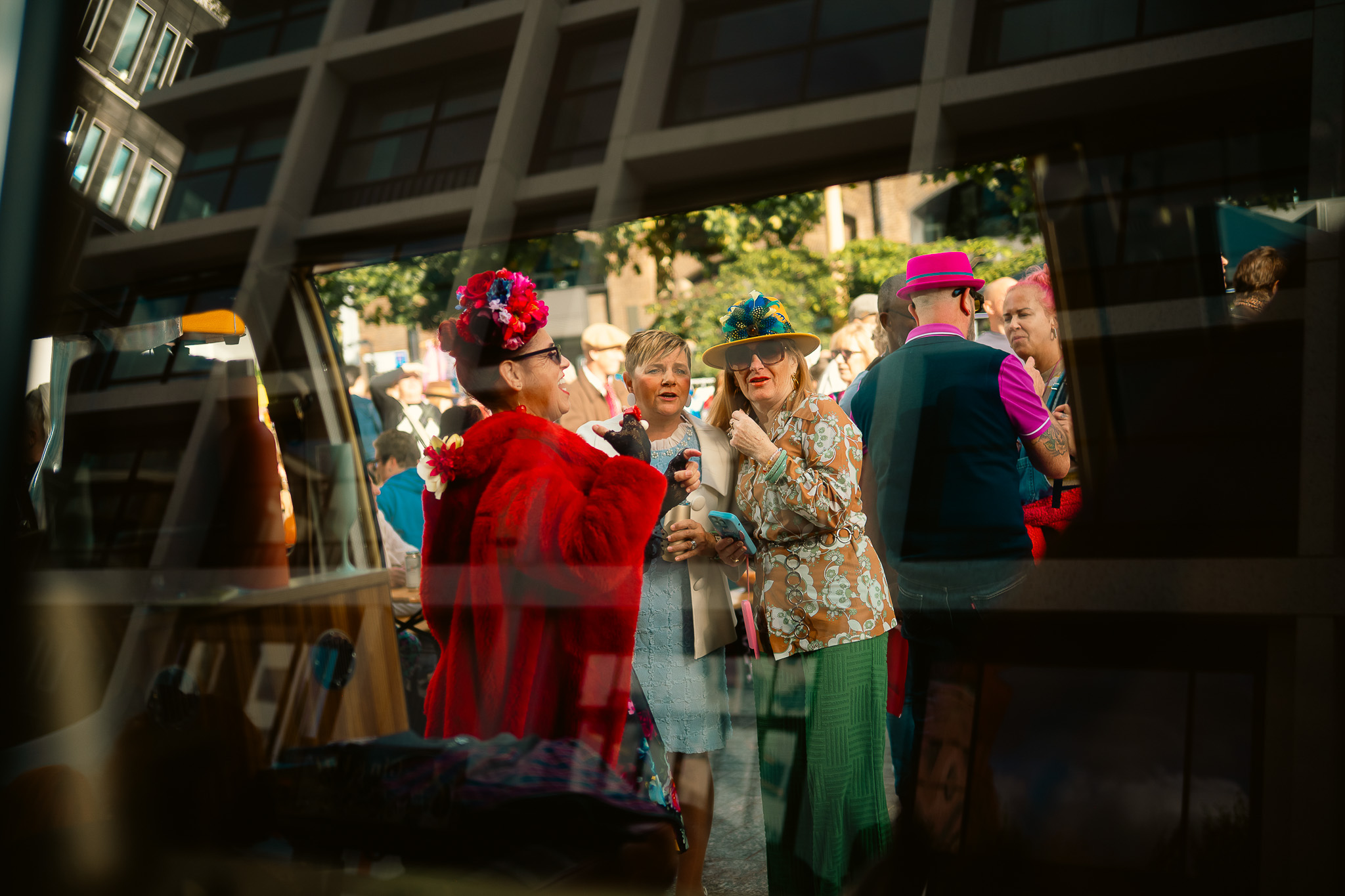
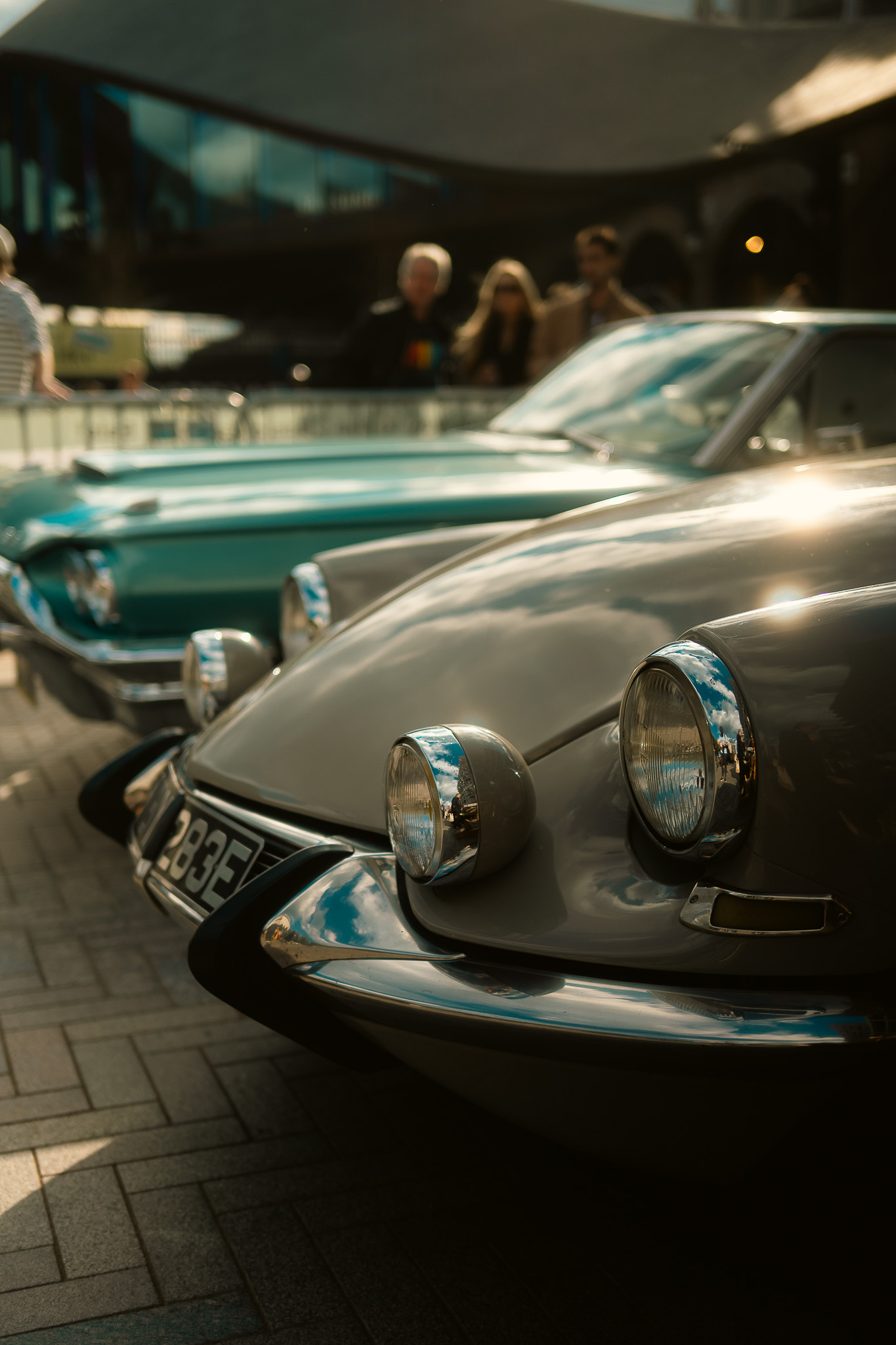
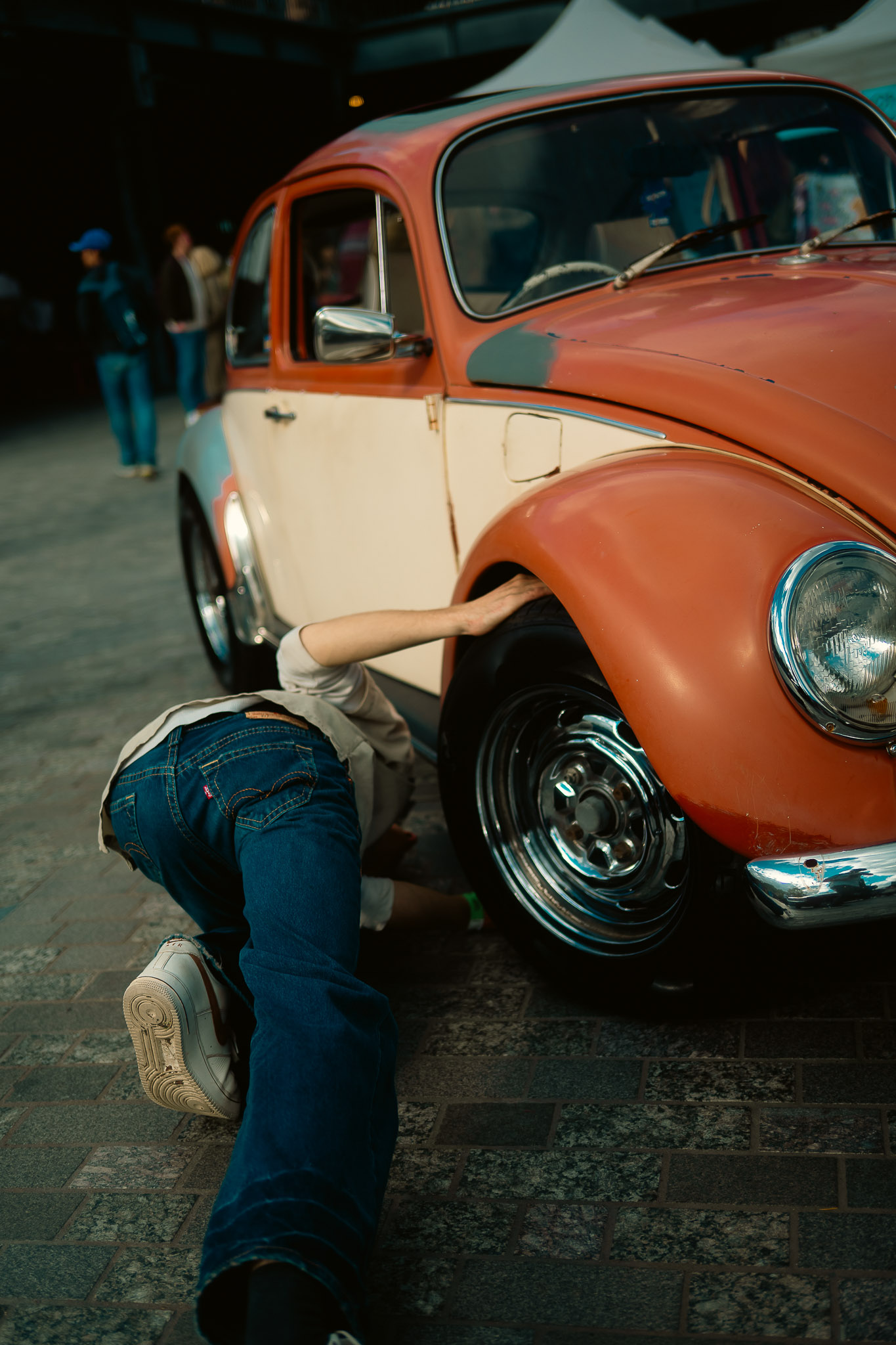
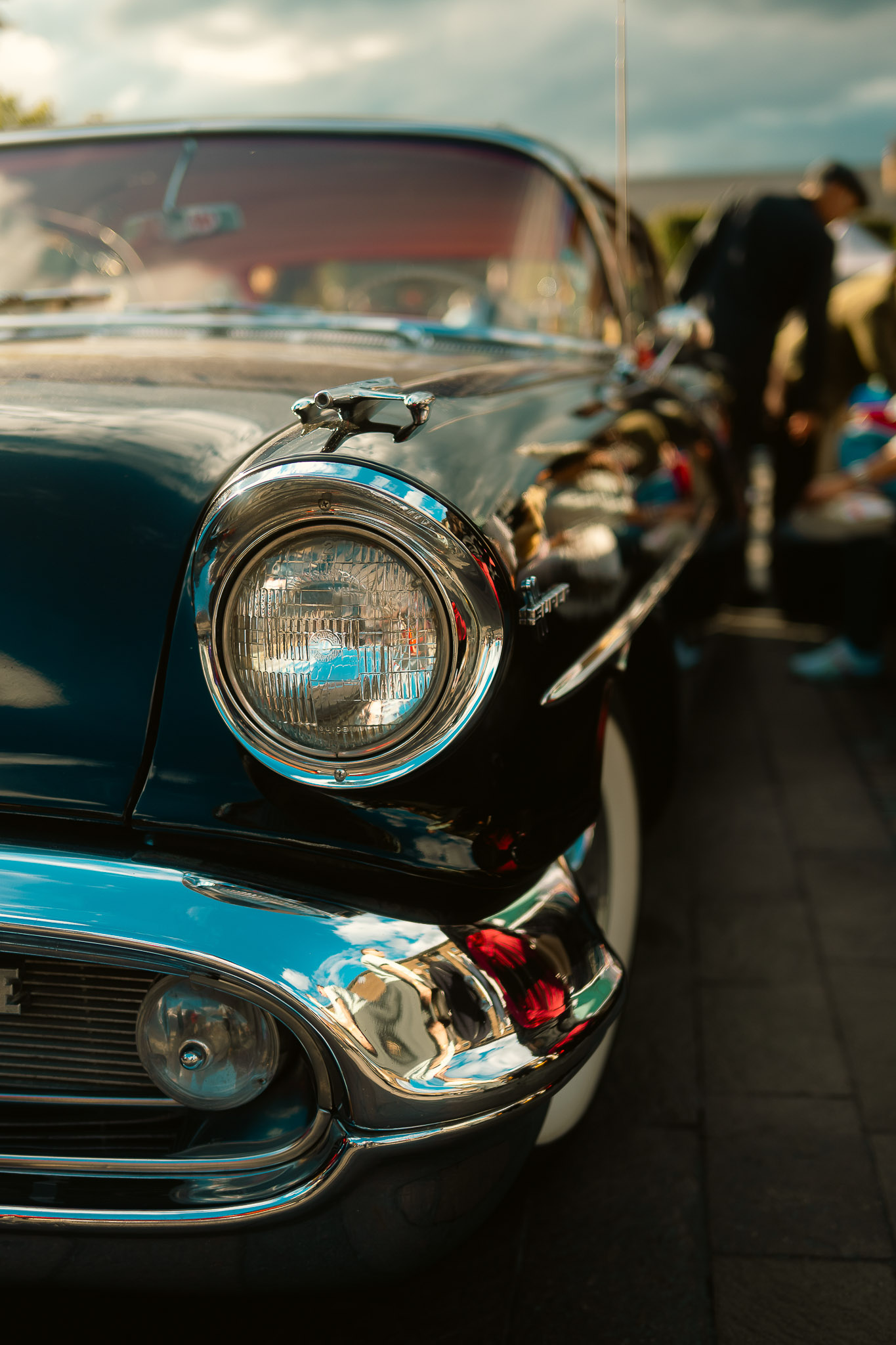
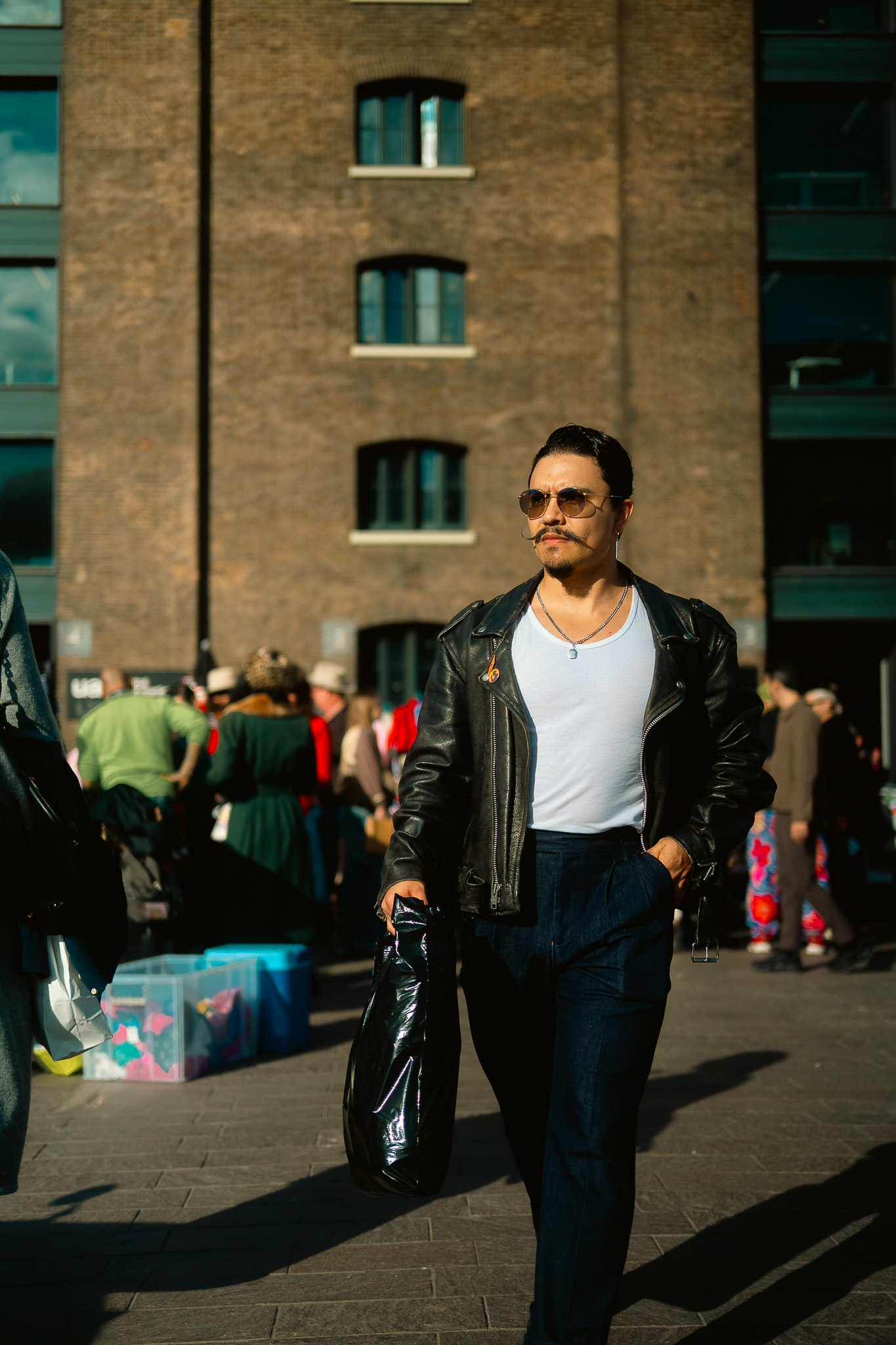
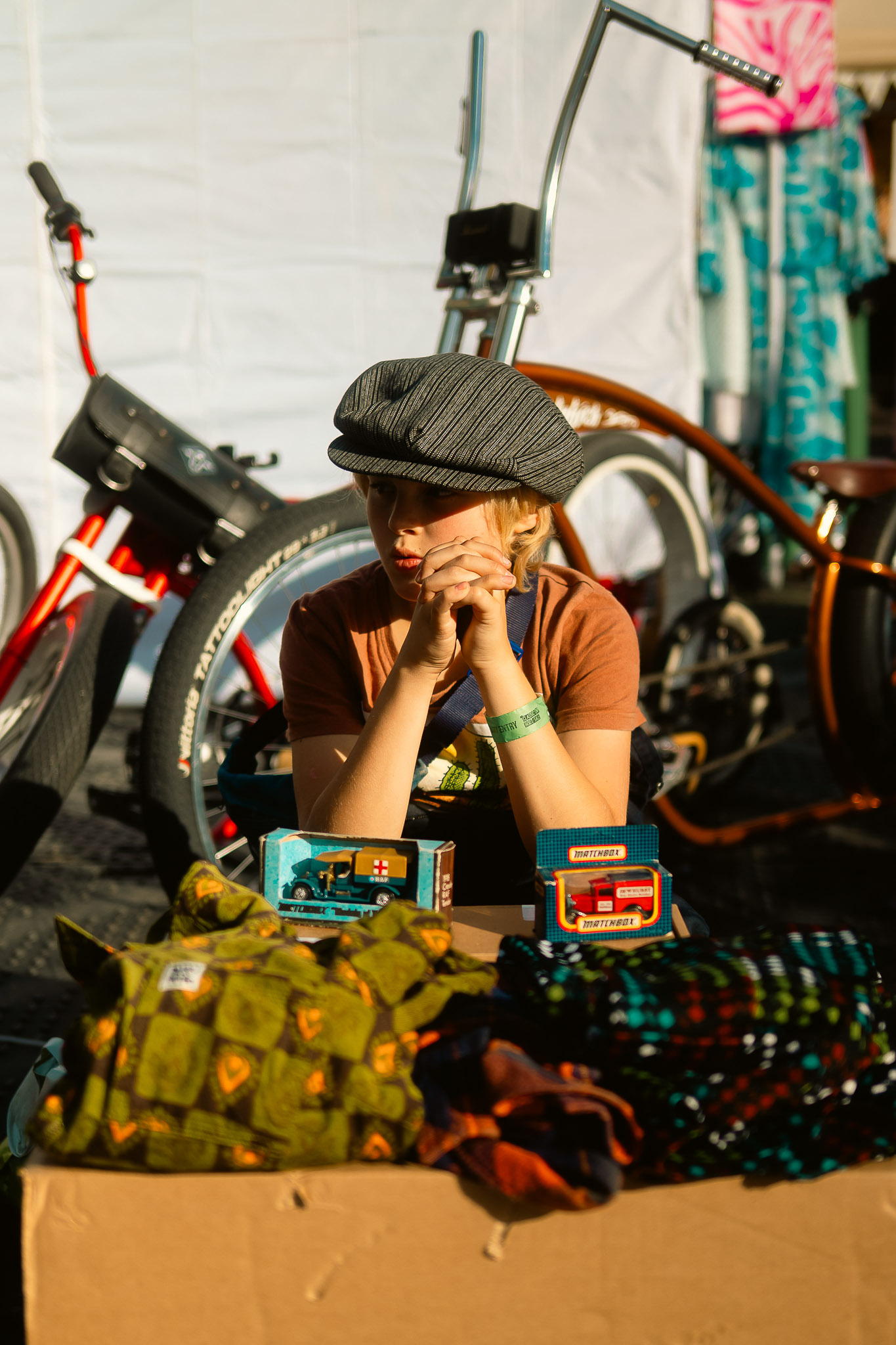
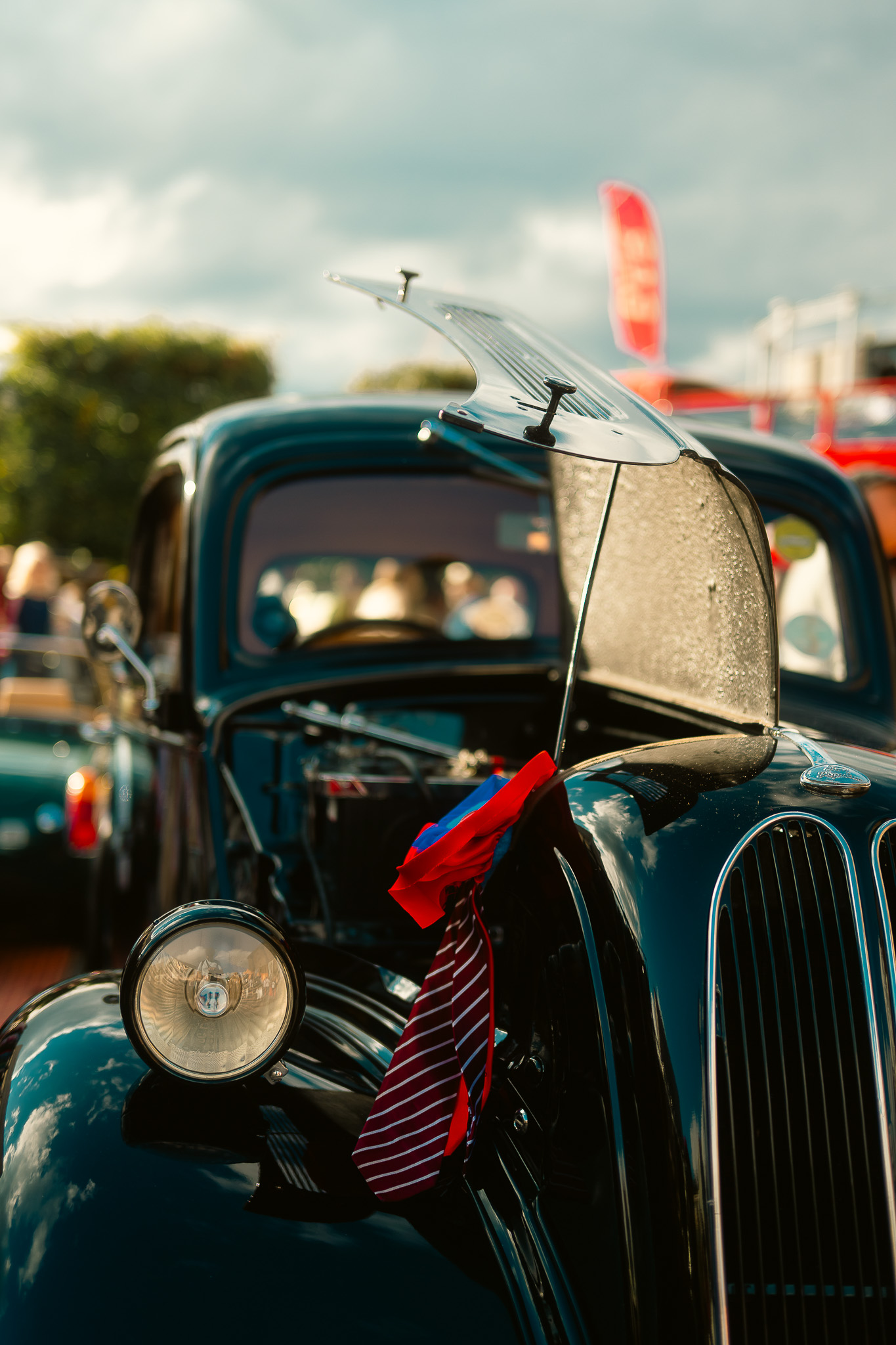
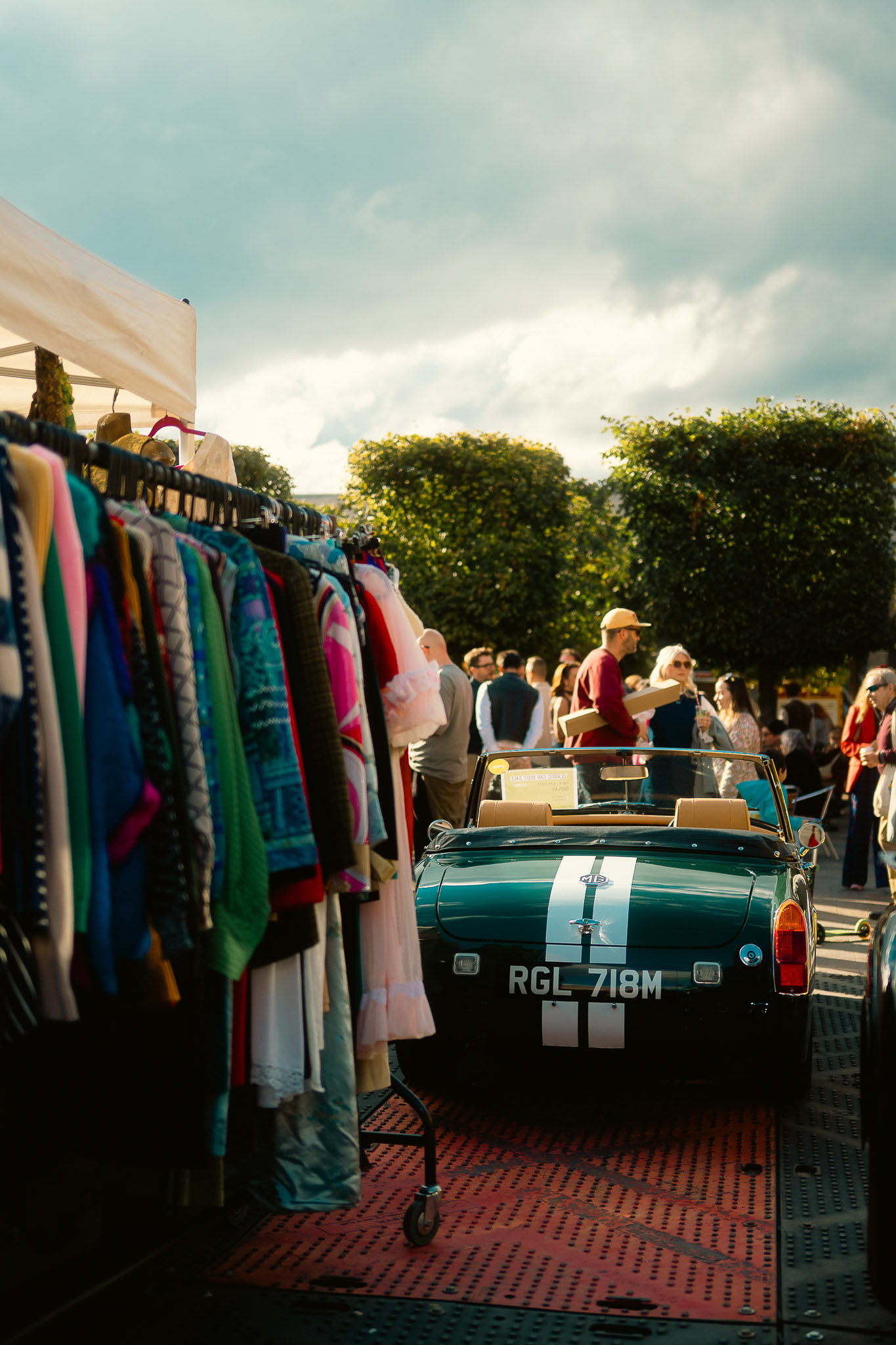
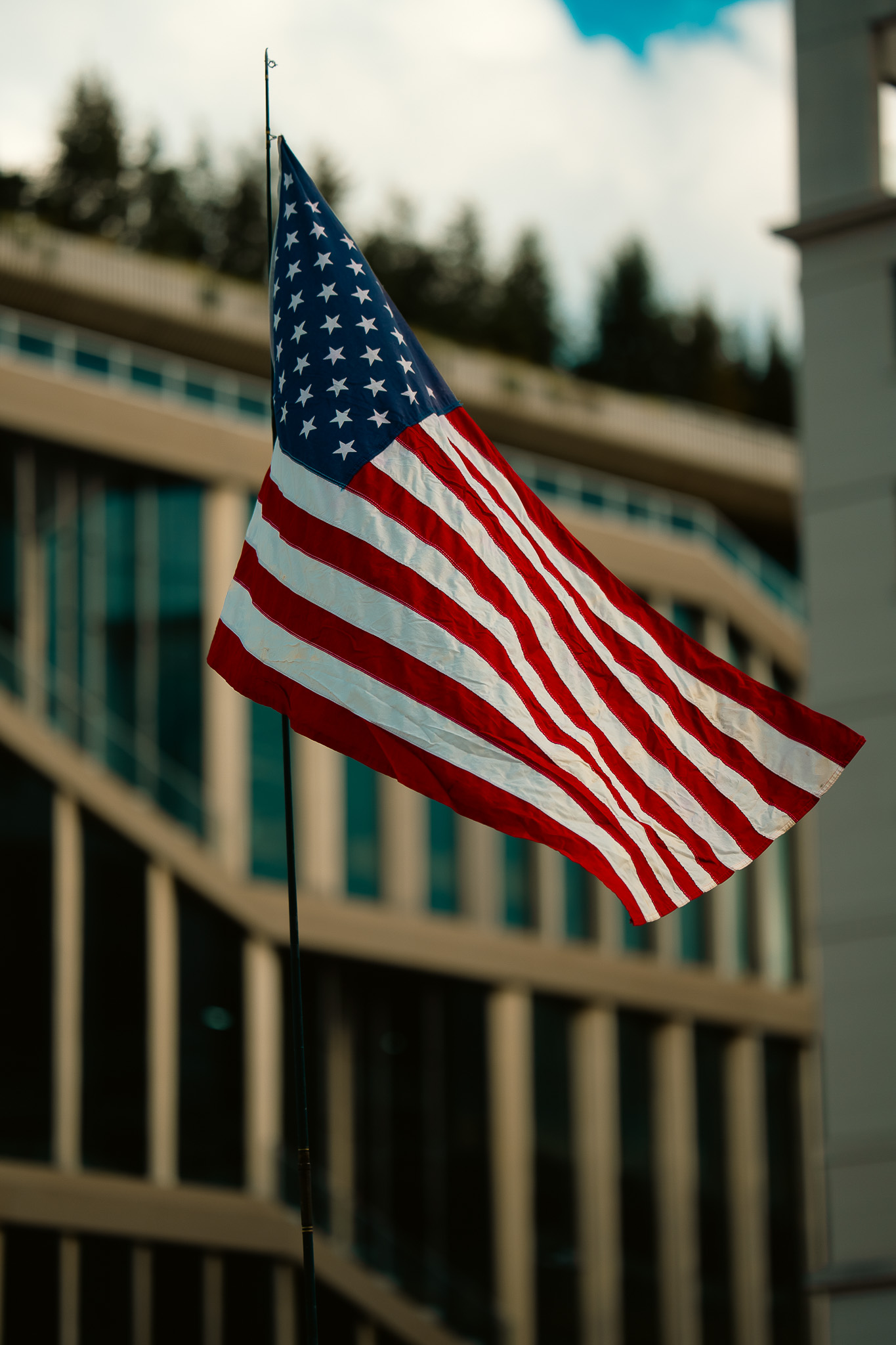
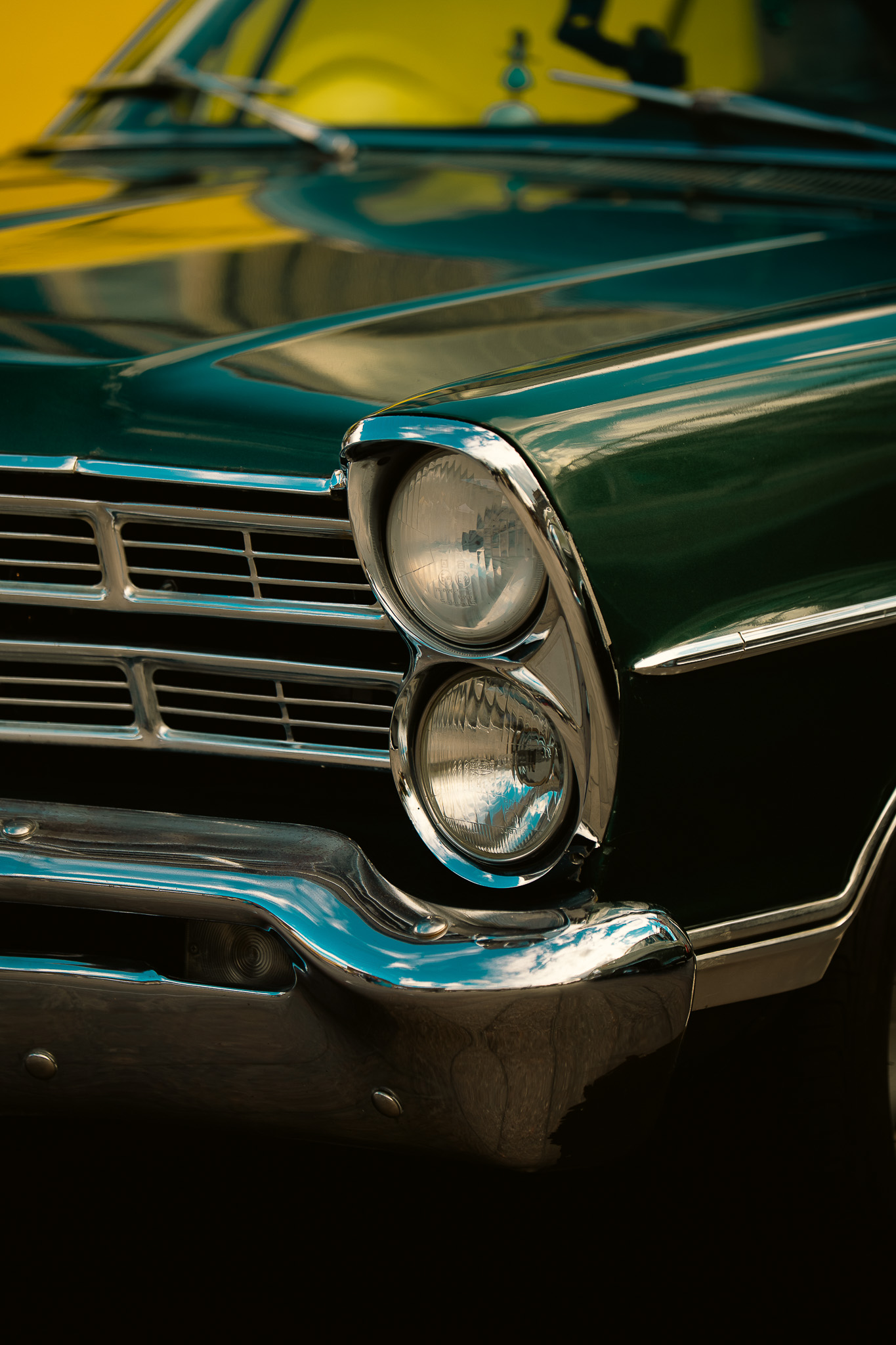
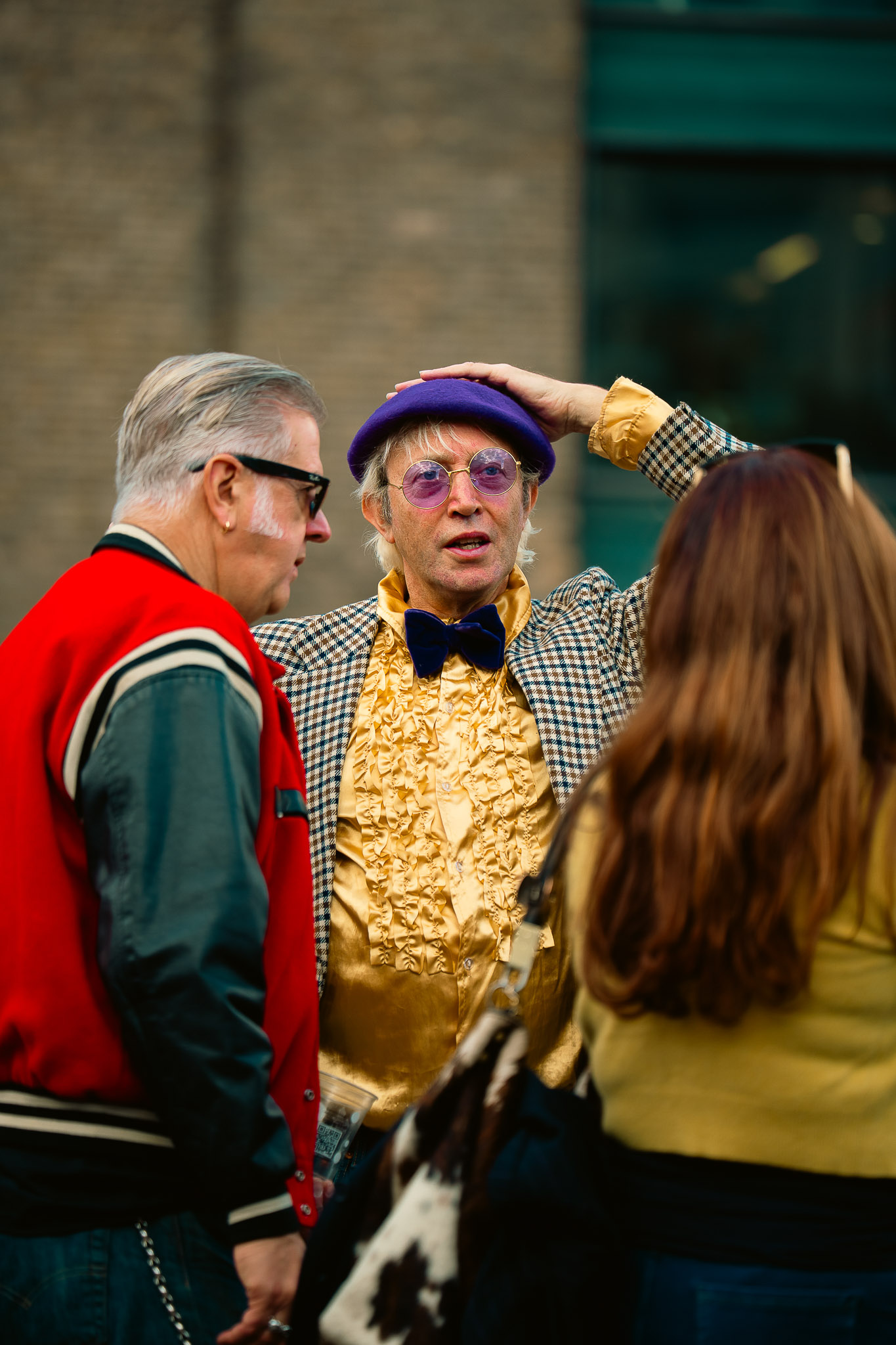
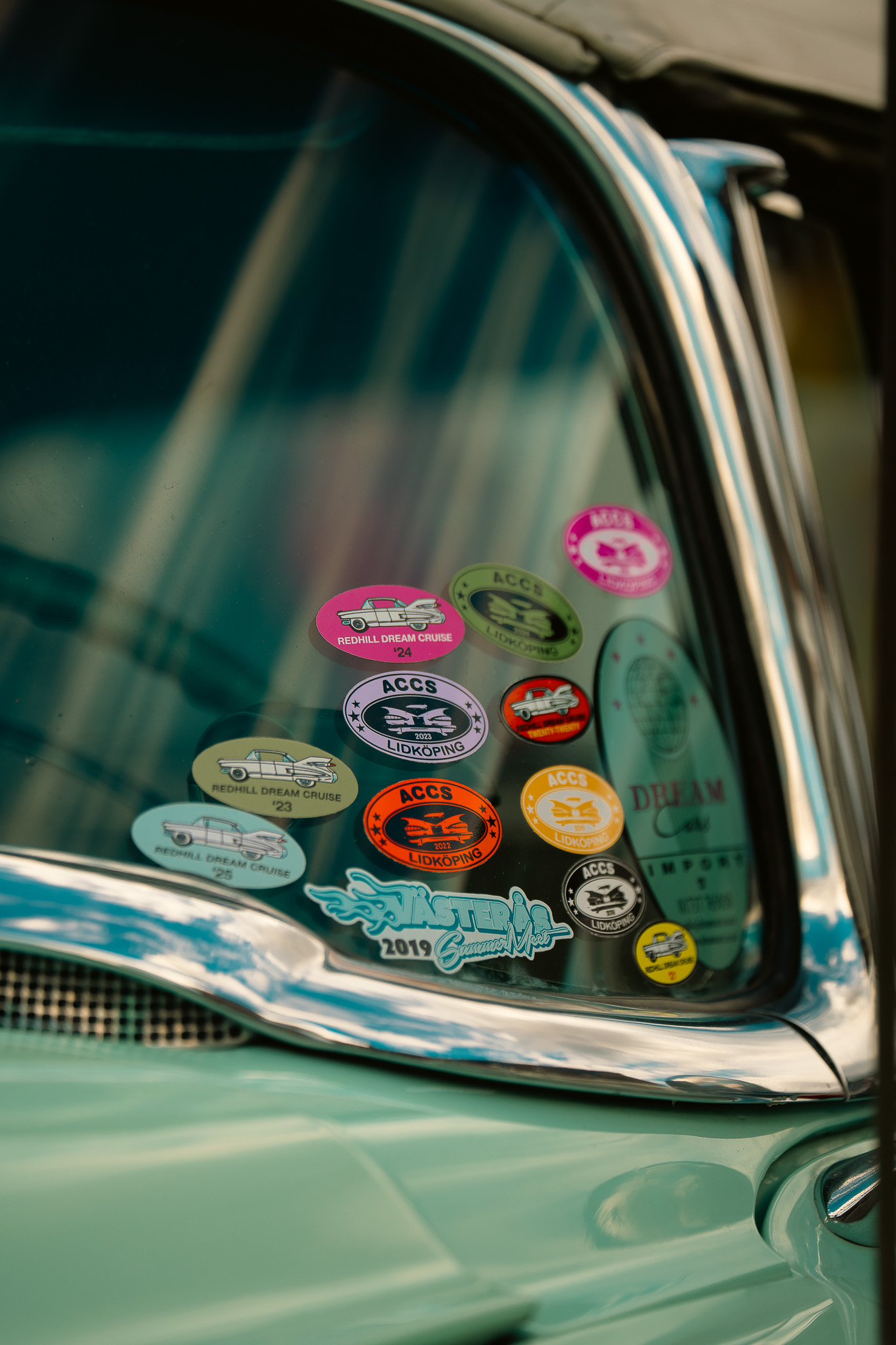
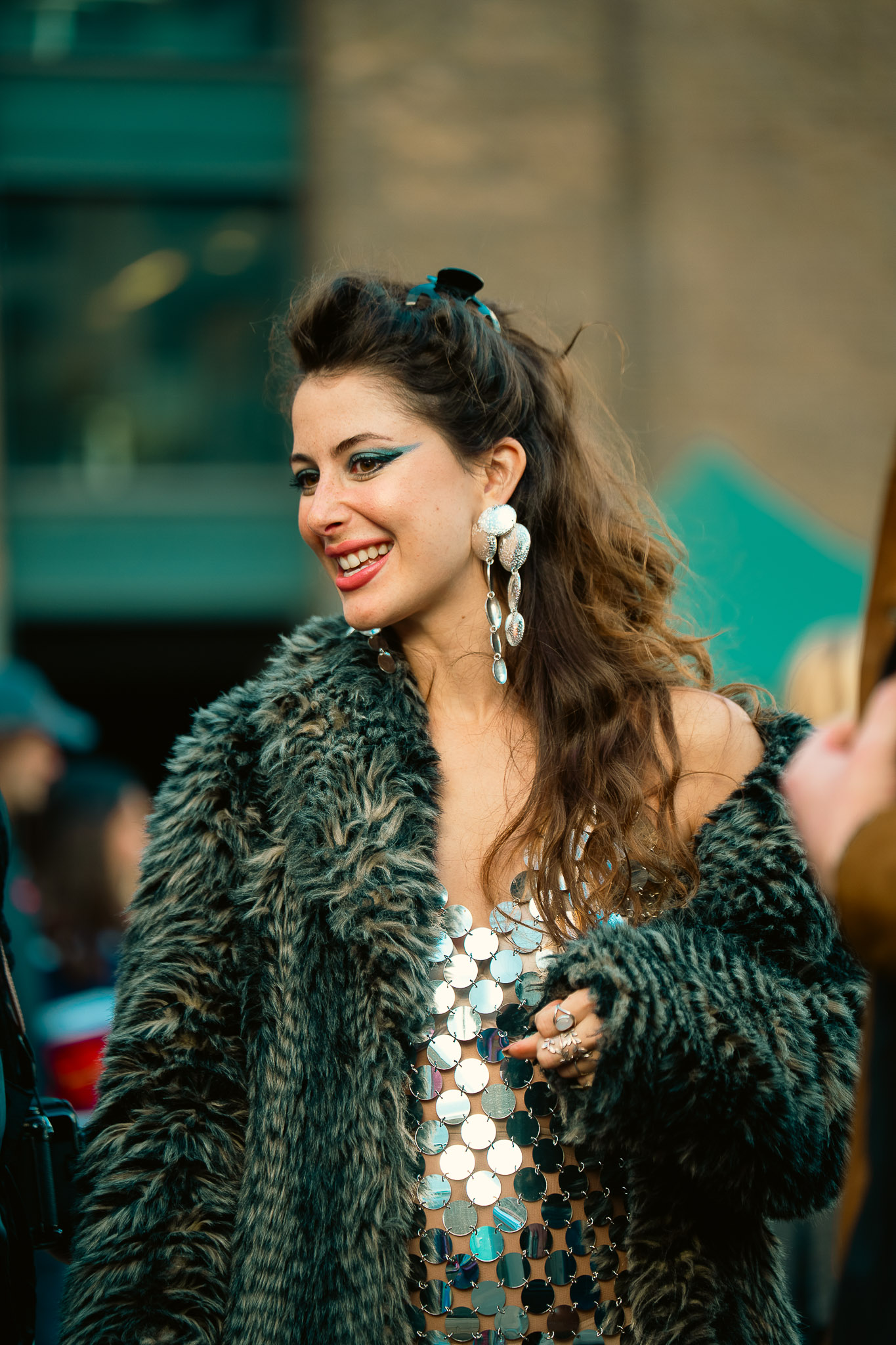
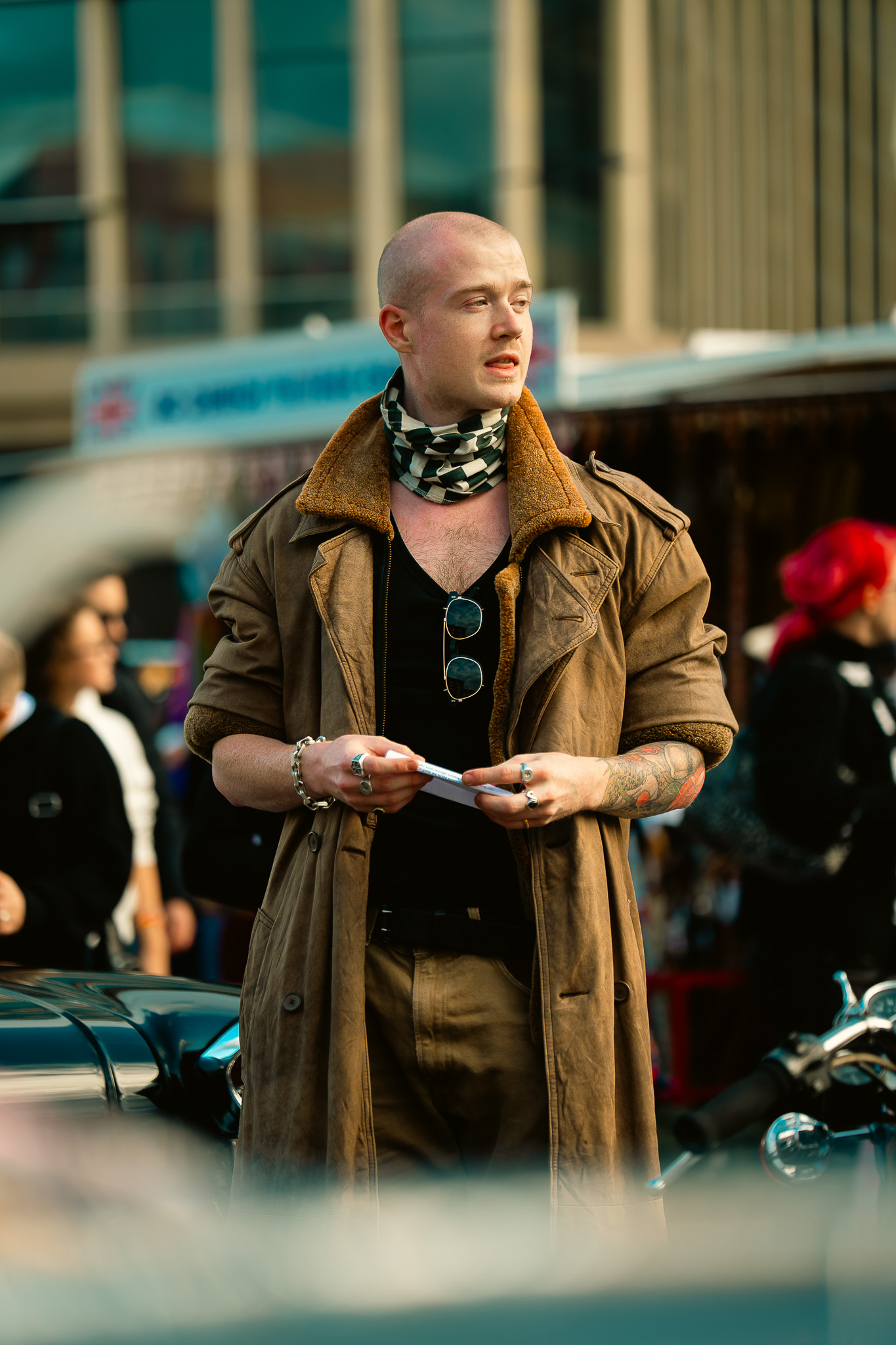
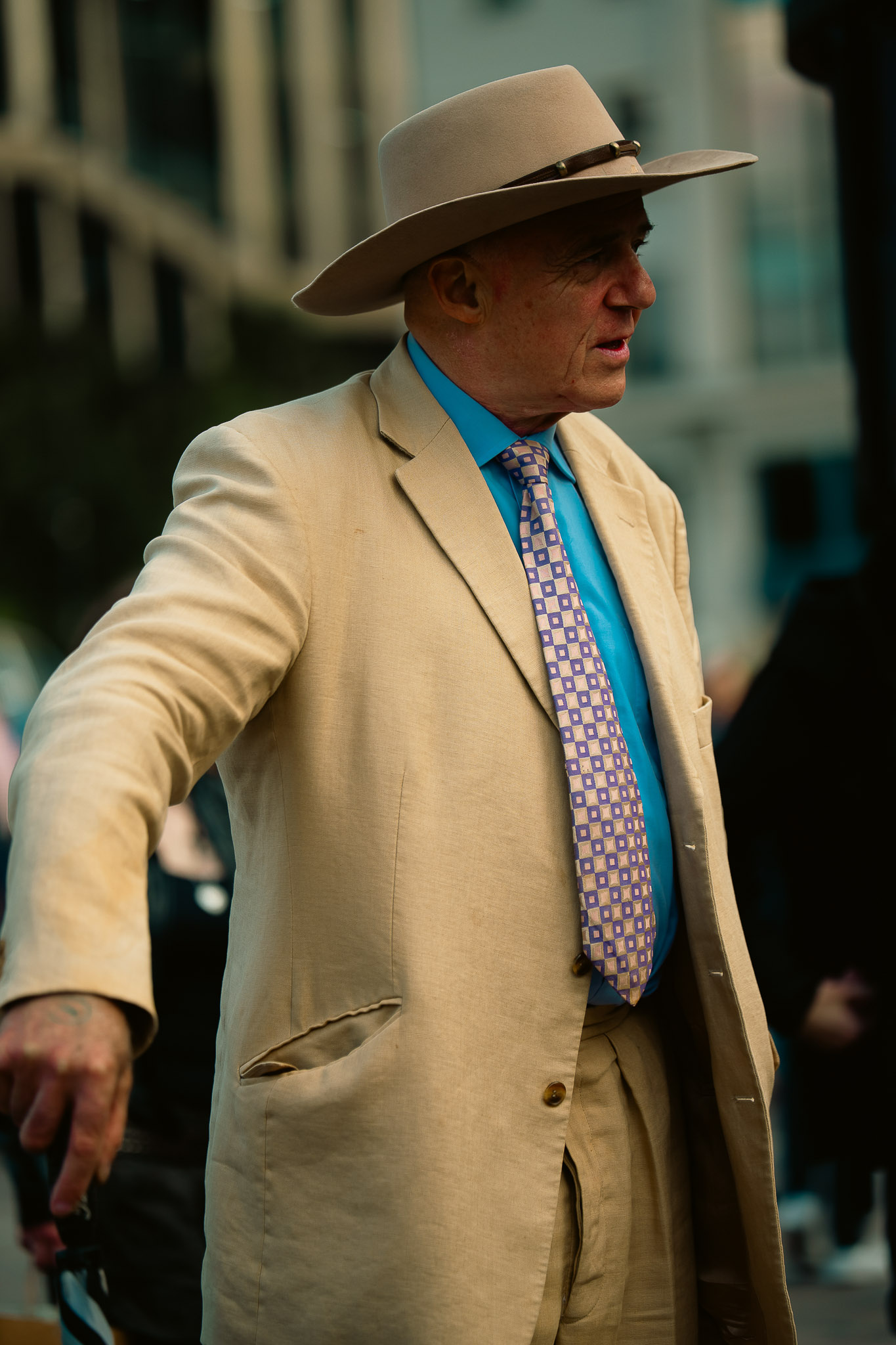
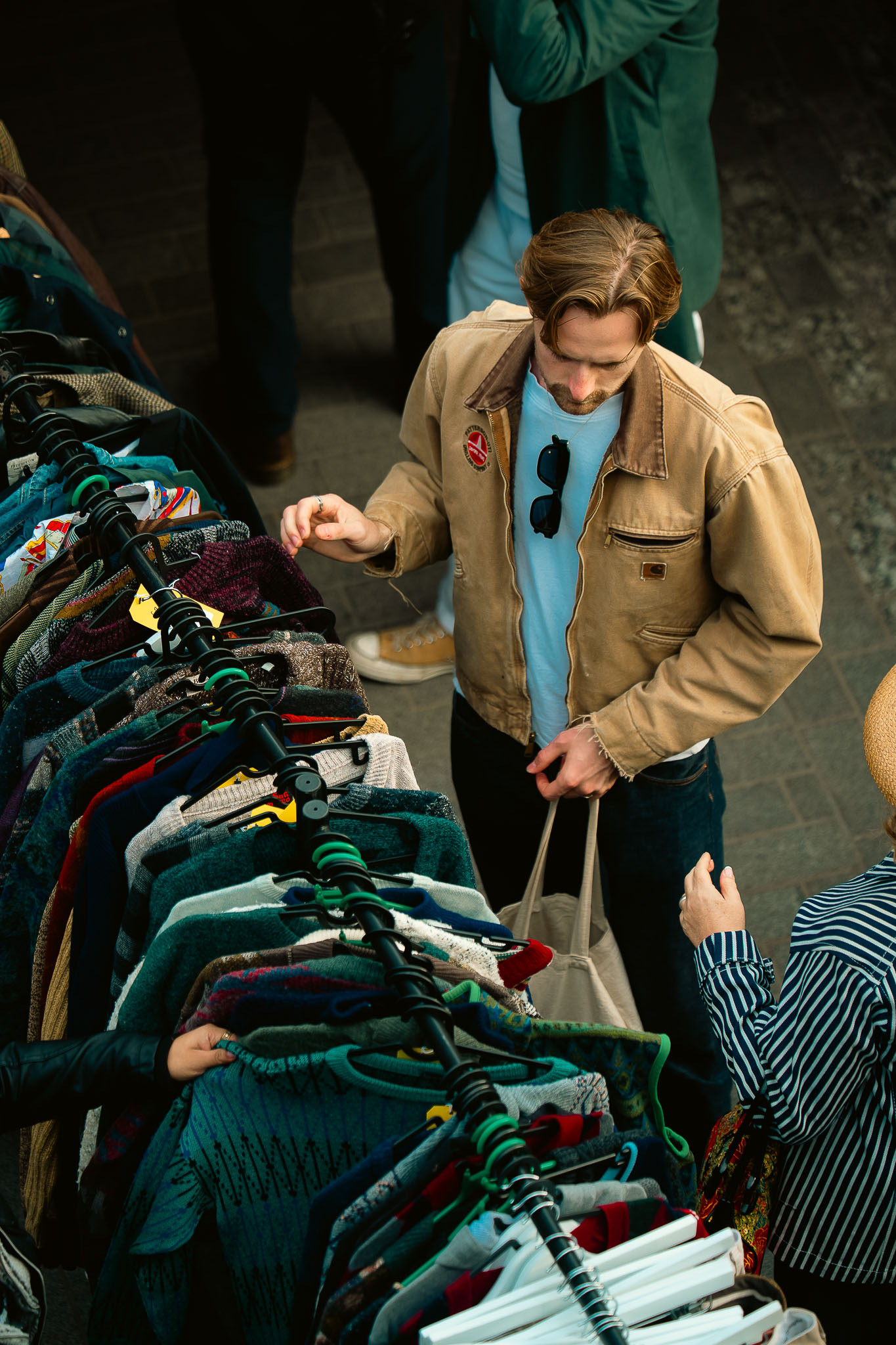
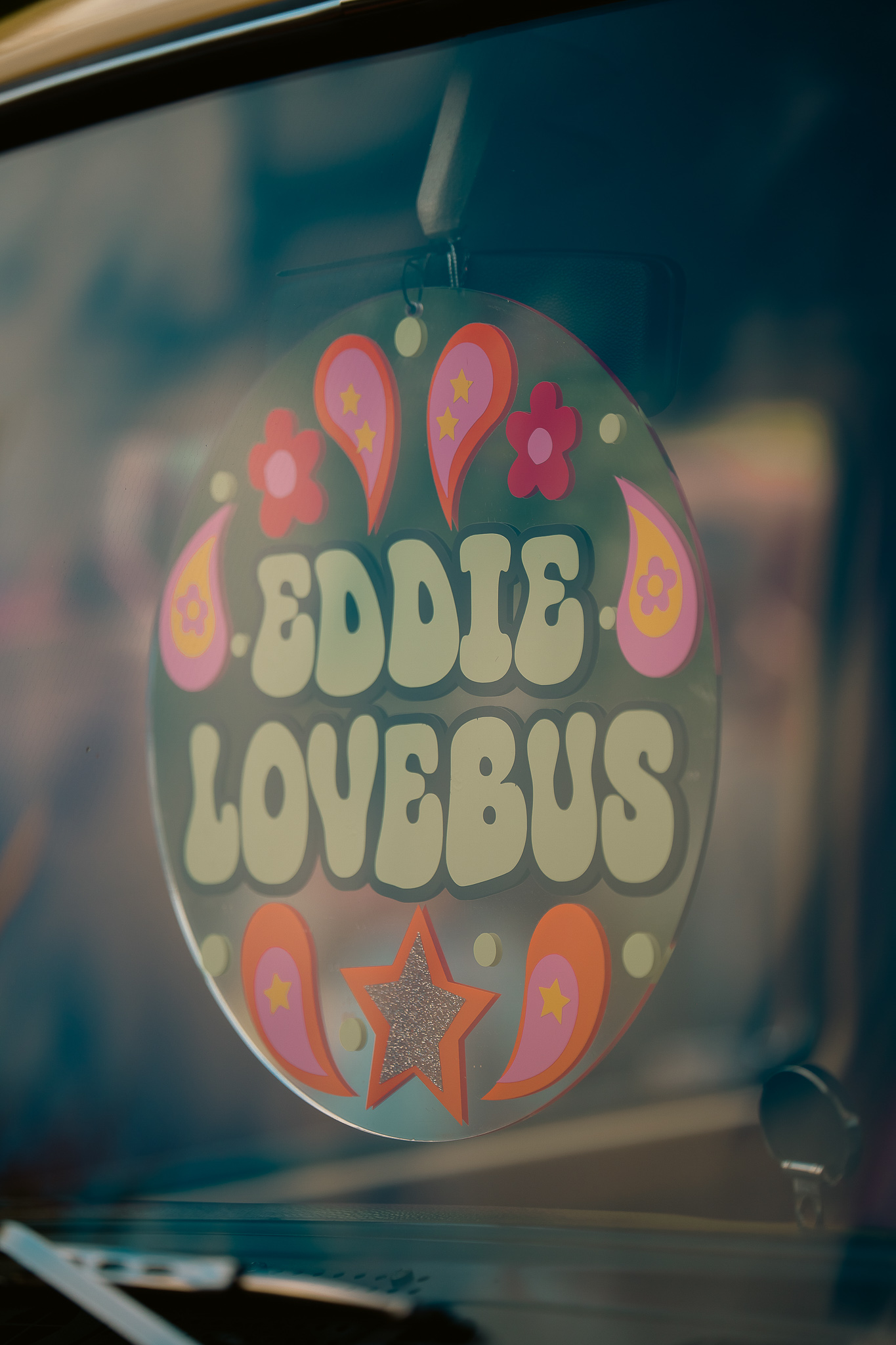
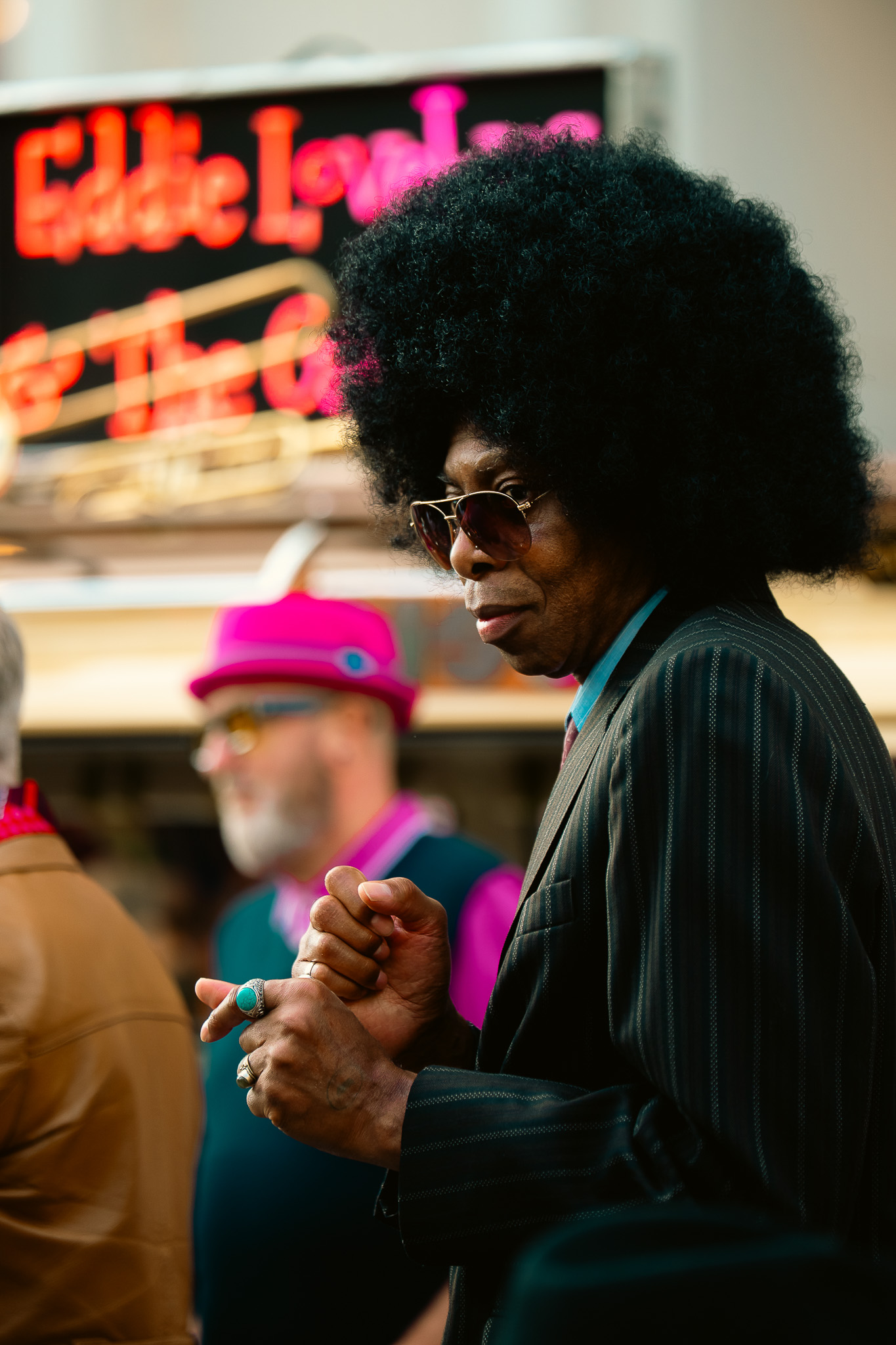
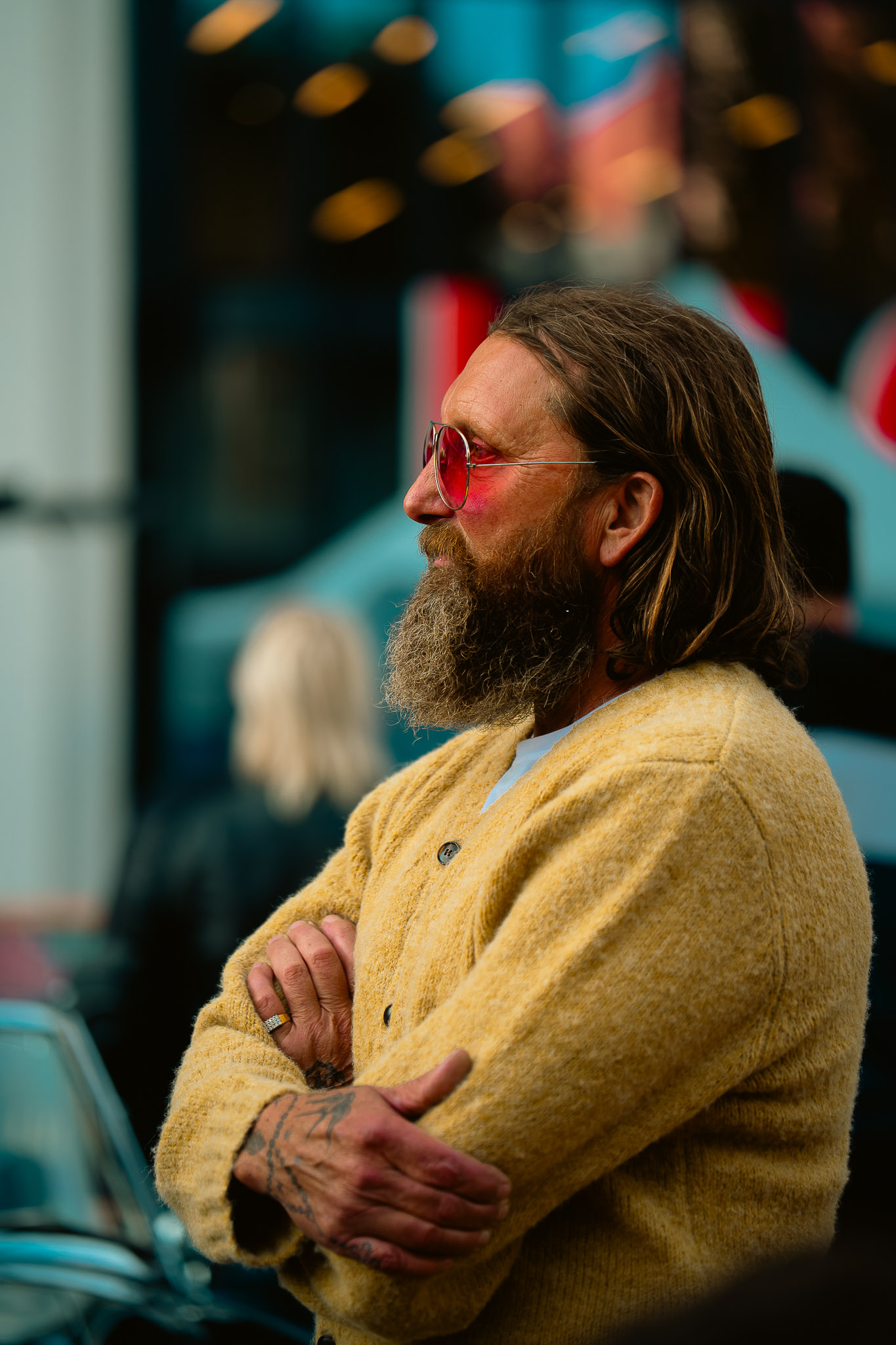
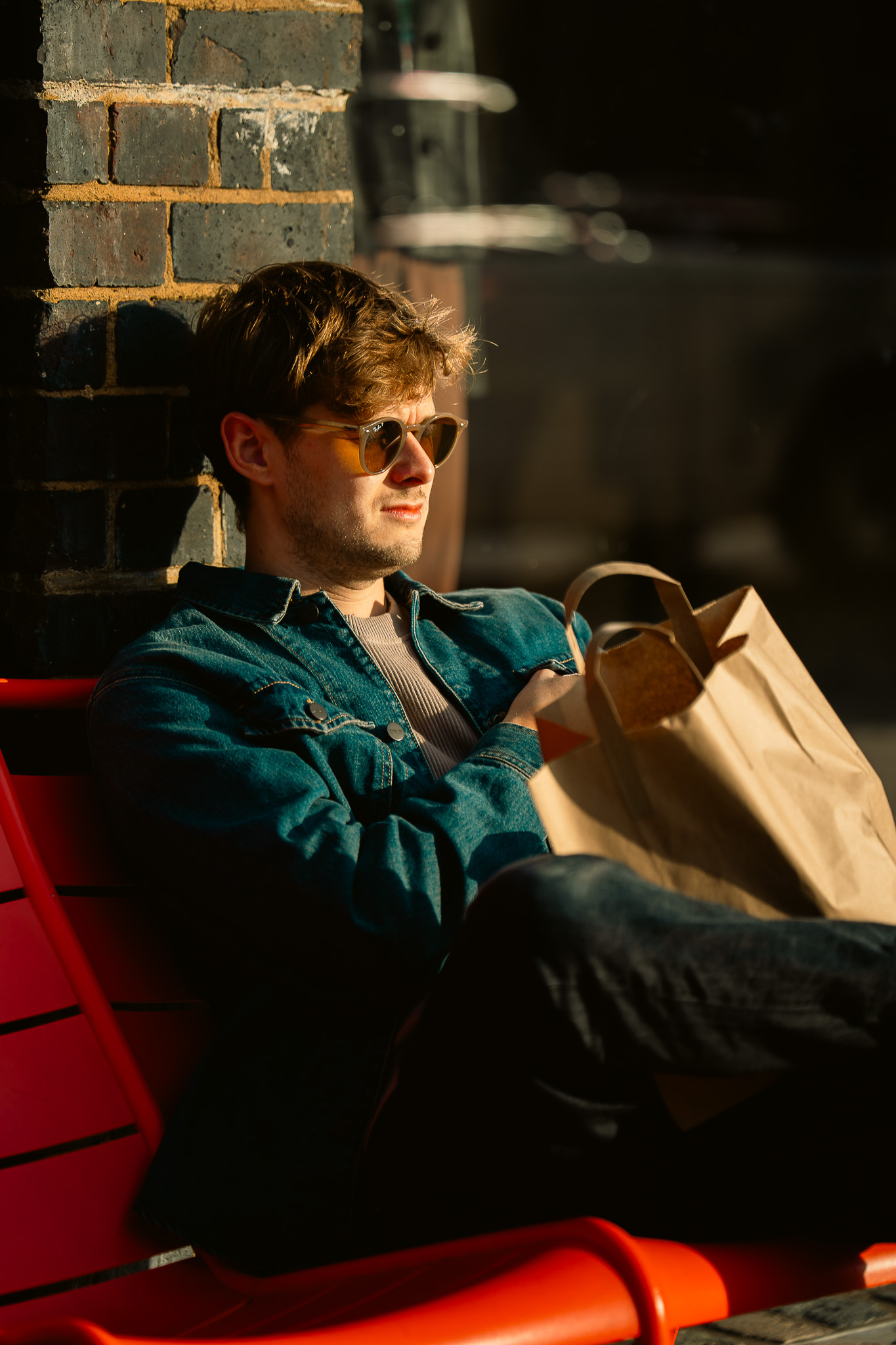
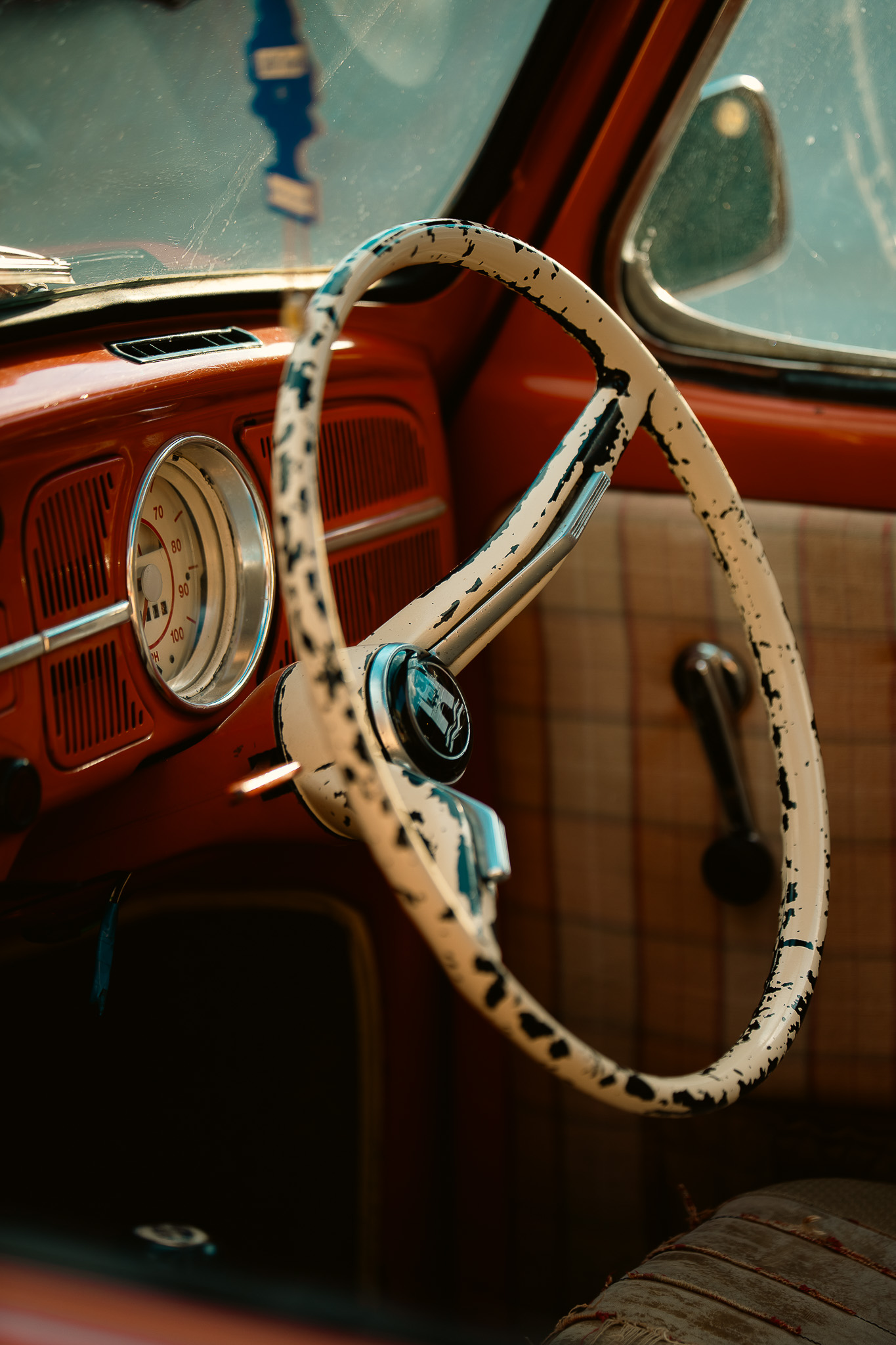
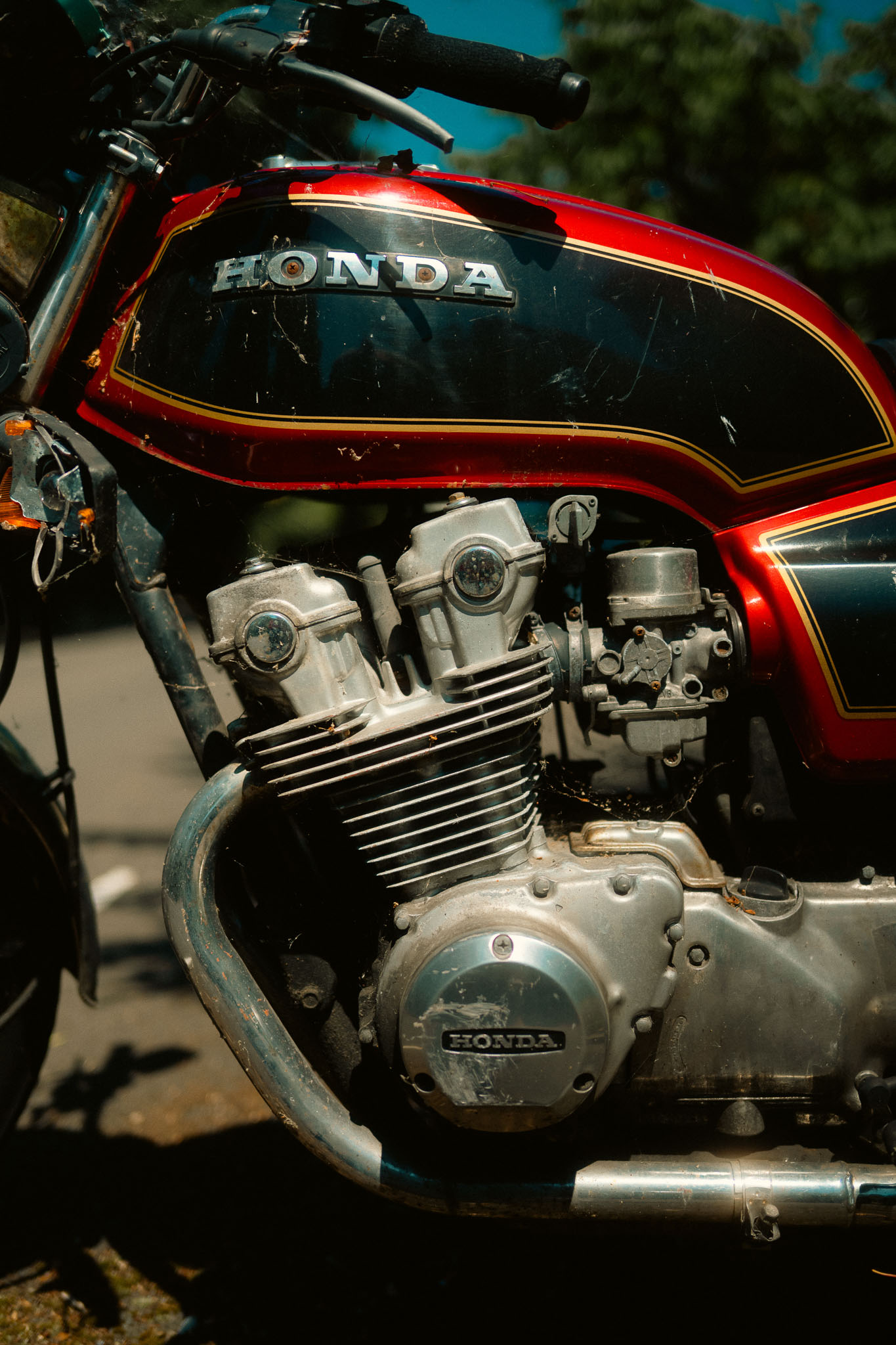
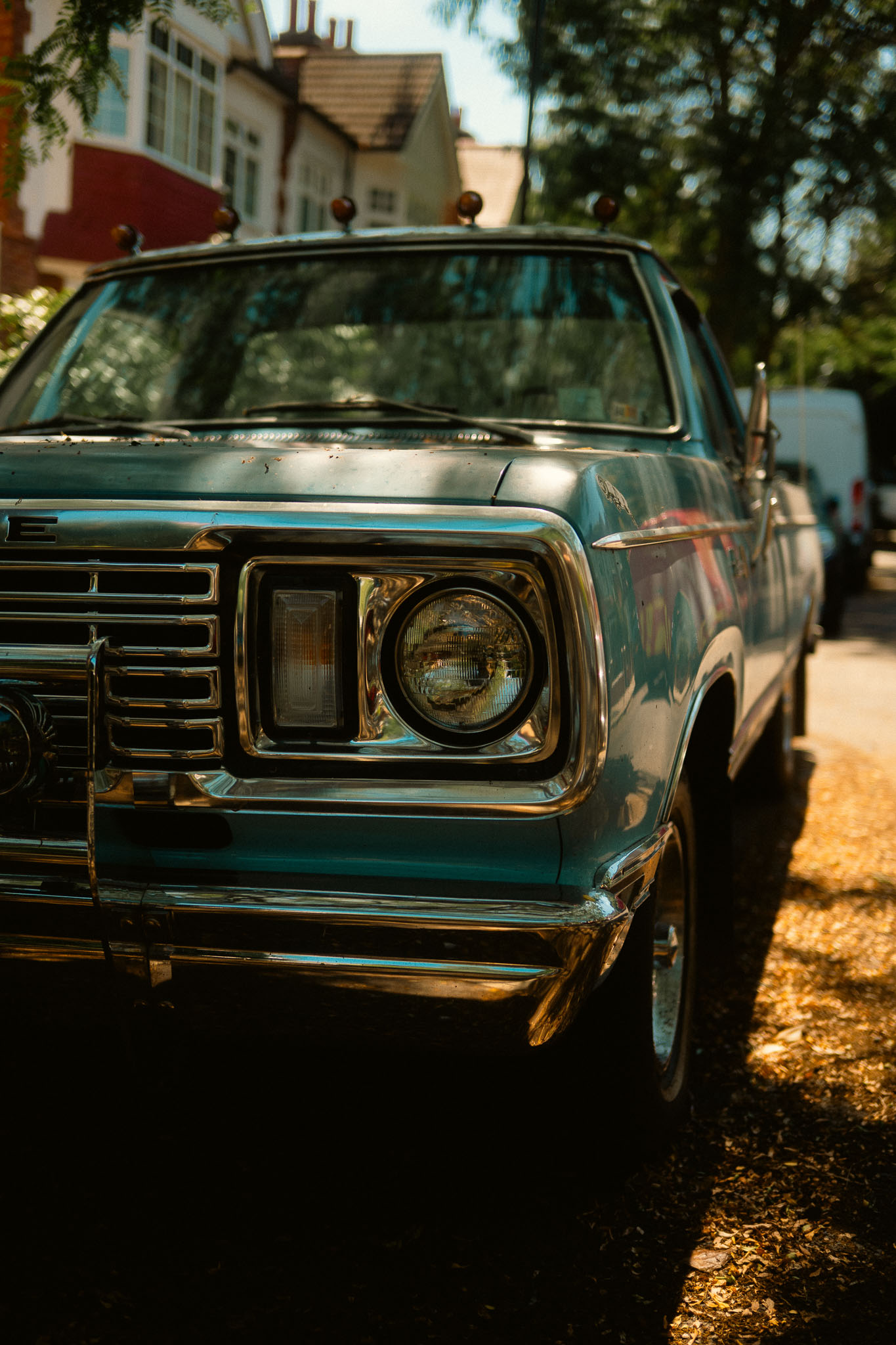
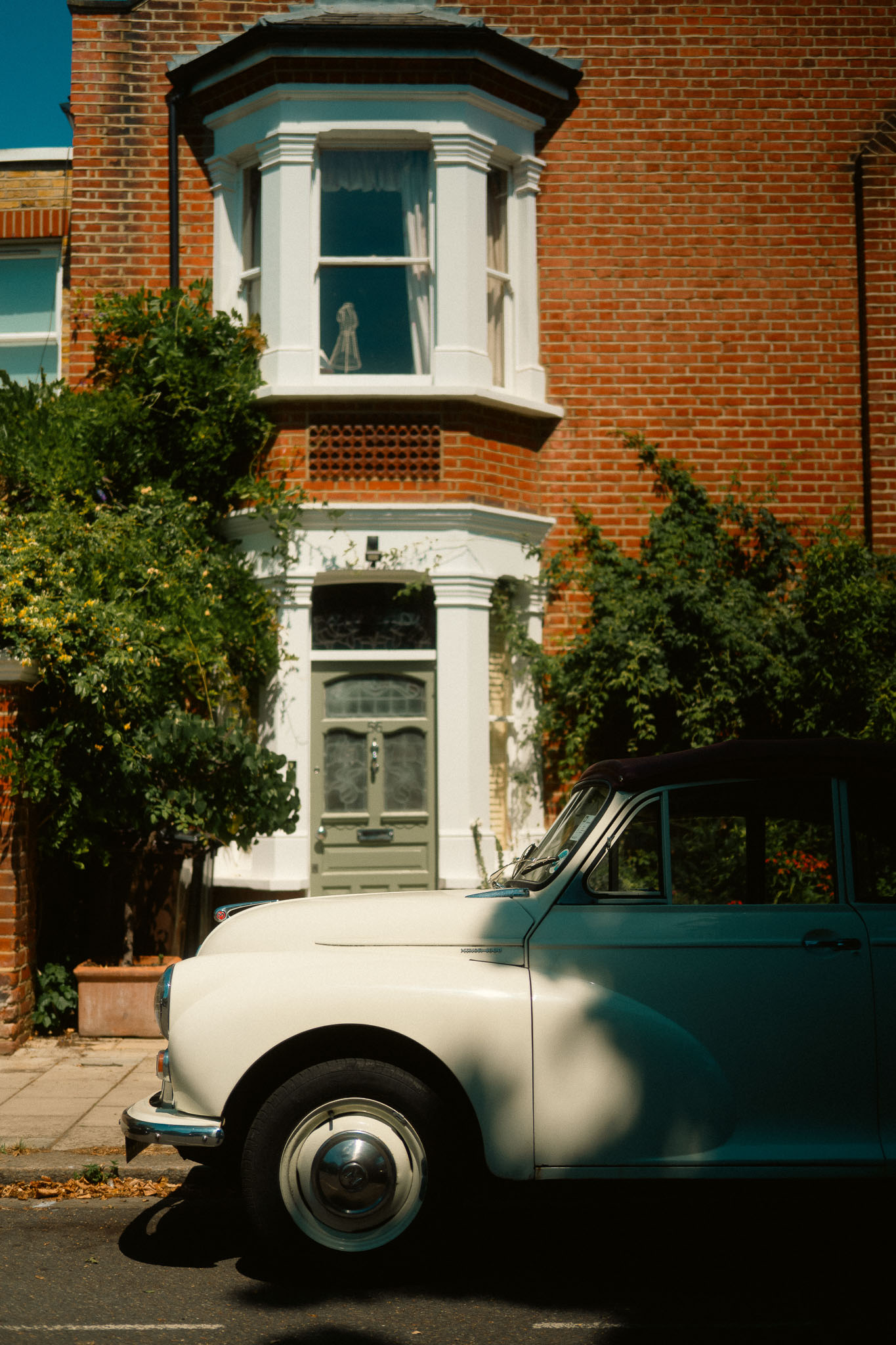
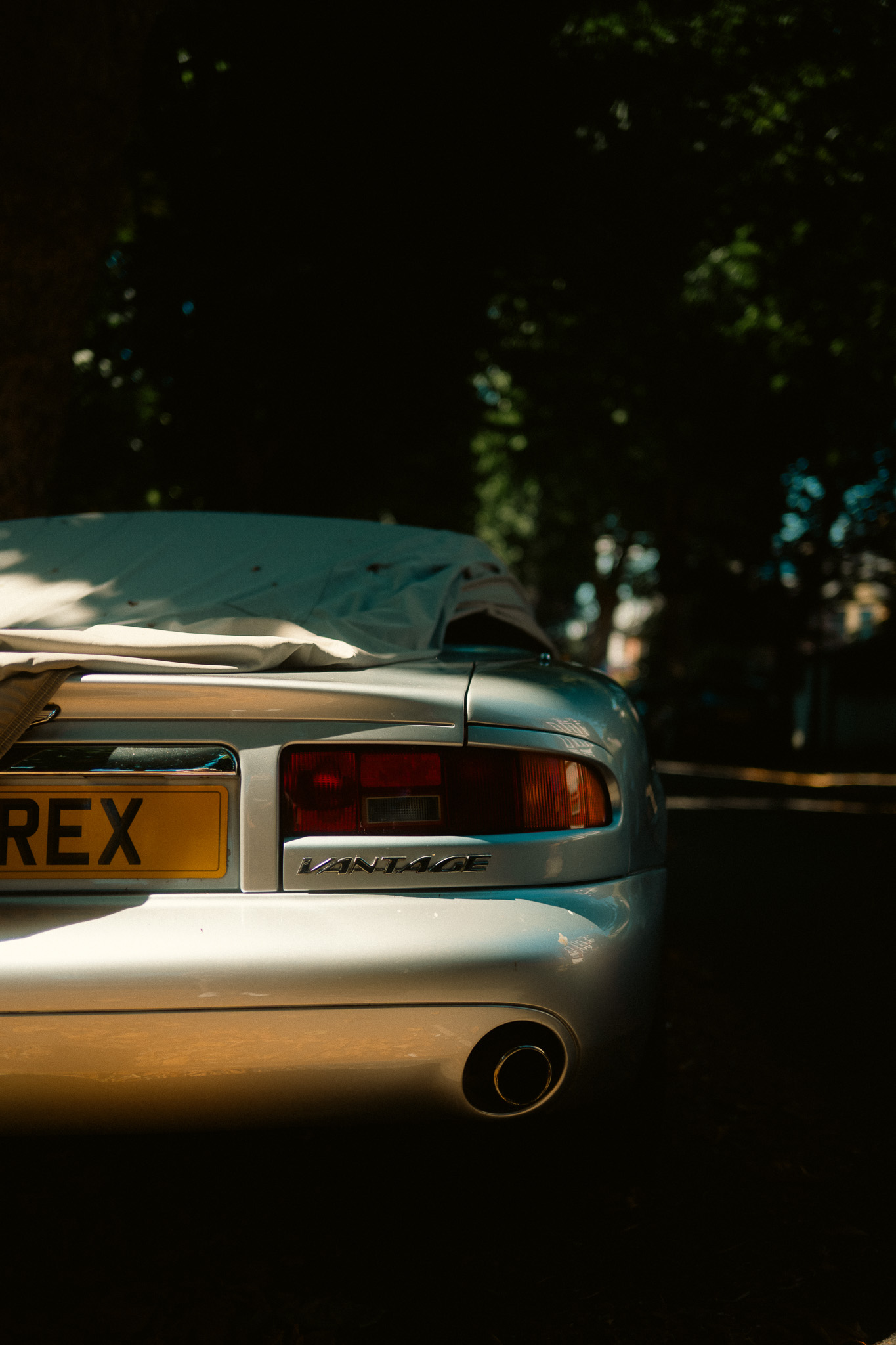
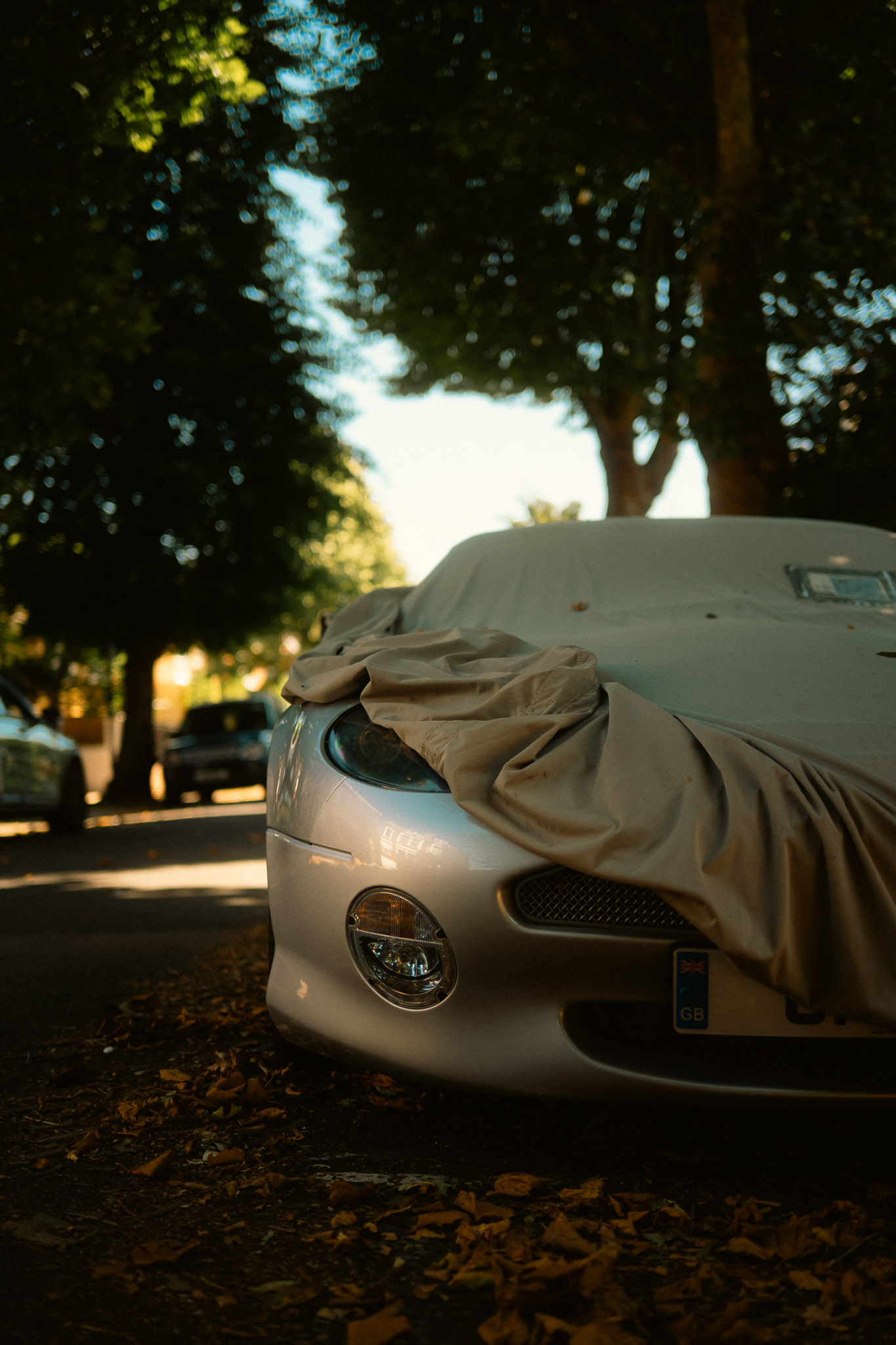
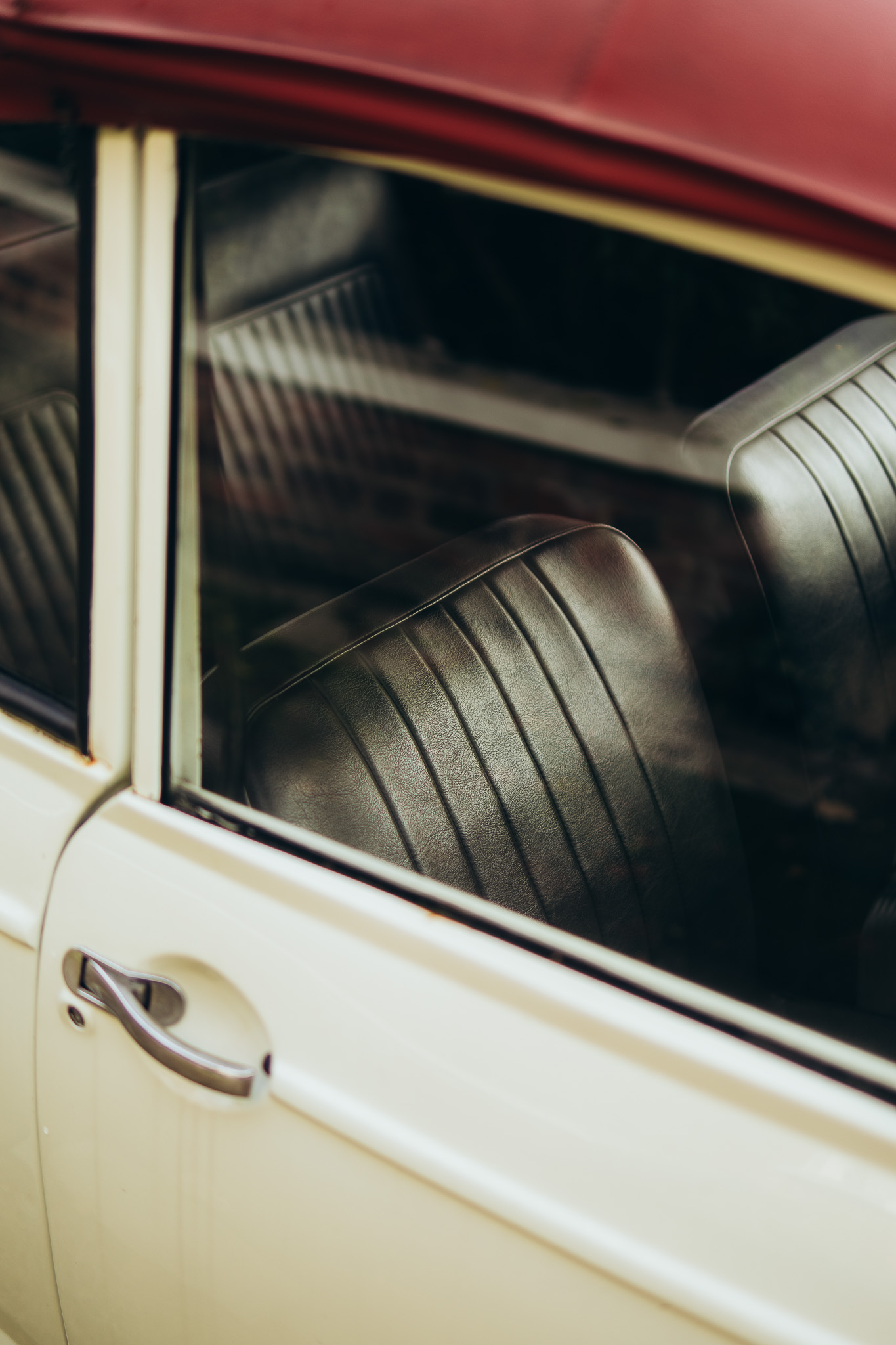
The Classic Car Boot Sale on that late September day felt like stepping into a parallel London, that still remembered how to slow its pulse. Old engines gleamed like relics from a sturdier century, and the air smelled of petrol, vinyl, and stories people don’t tell anymore. I wandered between rusted chrome and sun-faded fabrics, watching strangers barter over objects that once meant something to someone.
There was a strange tenderness in it all, a reminder that not everything needs to be new to be alive. That beauty often hides in the dents, the scratches, the hands that have held a thing before you. I left with nothing purchased, but with the sense that London still has pockets of soul if you know where to look.
The Classic Car Boot Sale того вересневого дня відчувався так, ніби я ступив у паралельний Лондон, який усе ще пам’ятає, як уповільнювати власний пульс. Старі двигуни блищали, мов реліквії міцнішого століття, а повітря пахло бензином, вінілом і історіями, які давно ніхто не озвучує. Я блукав між іржавим хромом і вигорілими тканинами, спостерігаючи, як незнайомці торгуються за речі, що колись мали значення для когось.
У всьому цьому була дивна ніжність, нагадування про те, що не все повинно бути новим, аби бути живим. Що краса часто захована в вм’ятинах, подряпинах, у тих руках, які тримали річ до тебе. Я пішов звідти з порожніми руками, але з відчуттям, що Лондон все ще має кишені душі, якщо знати, де їх шукати.





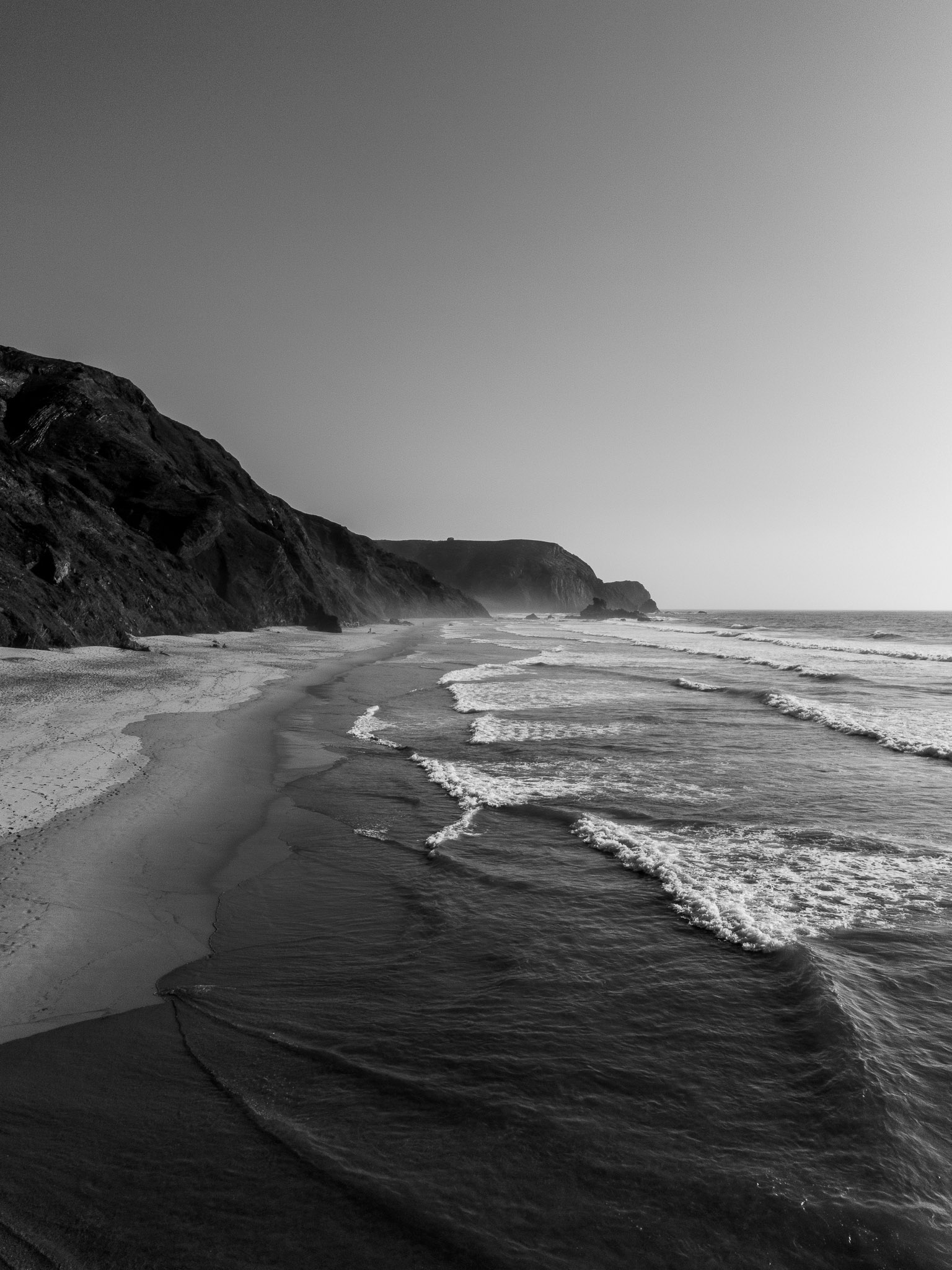
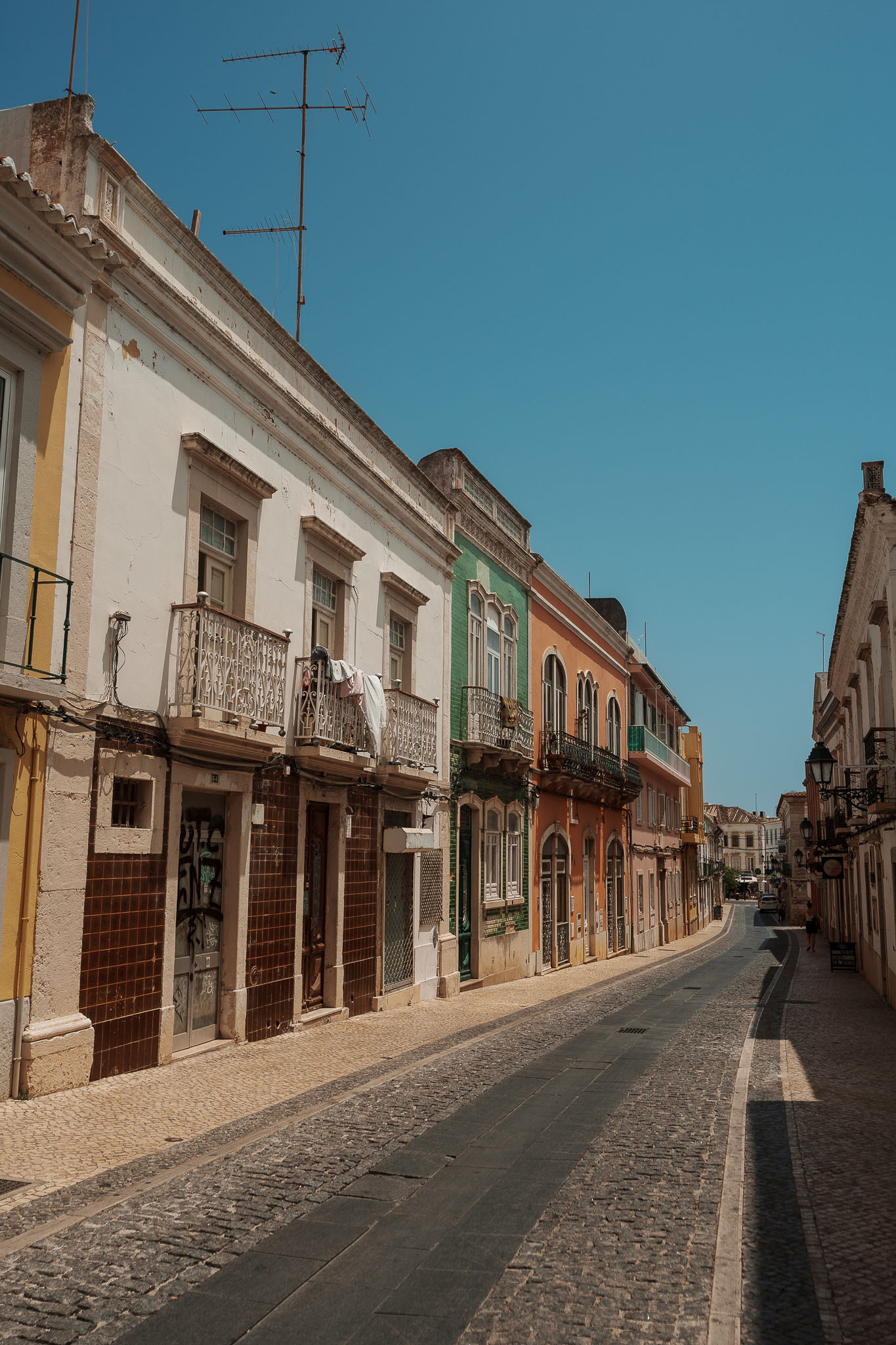
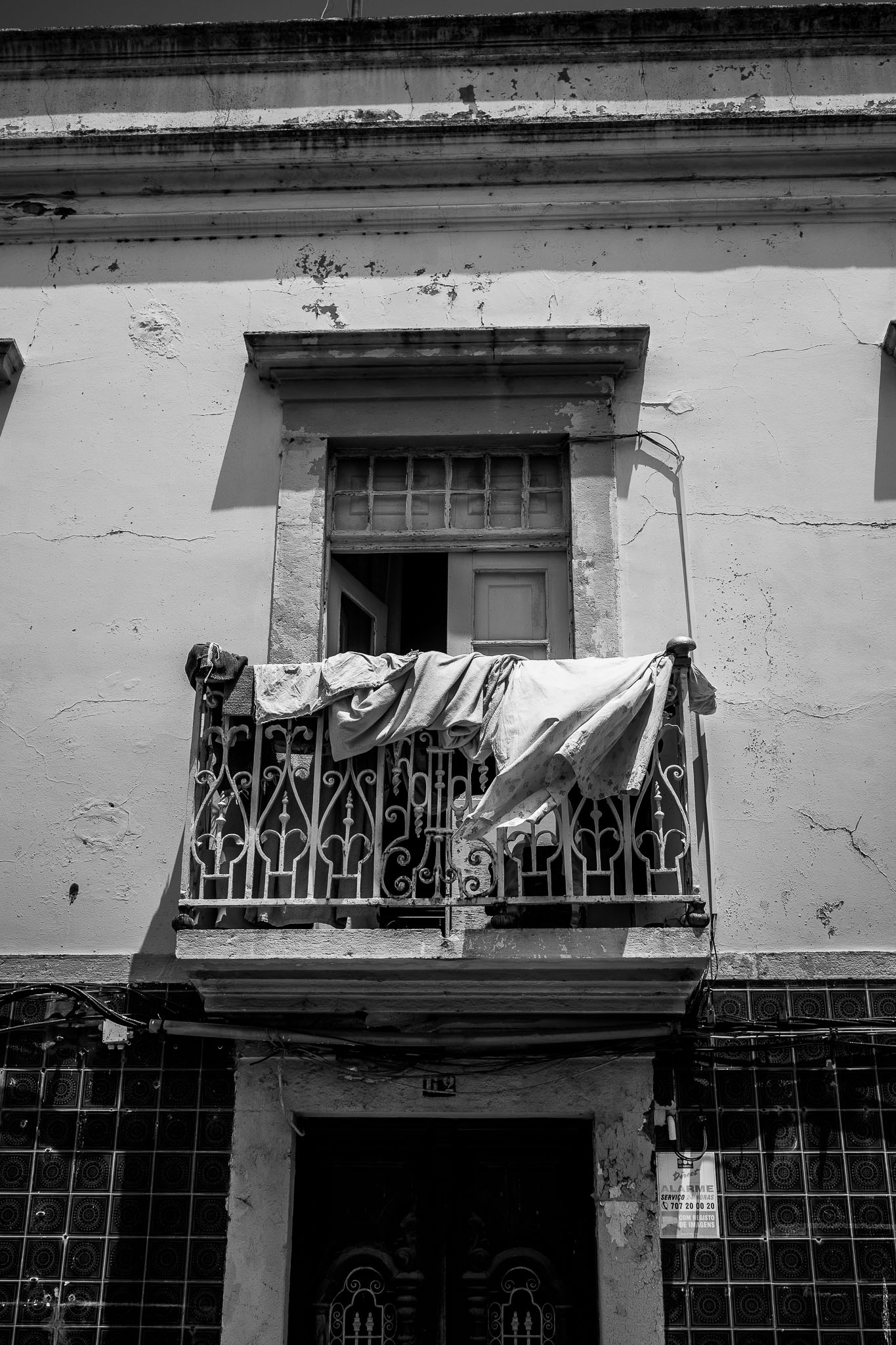
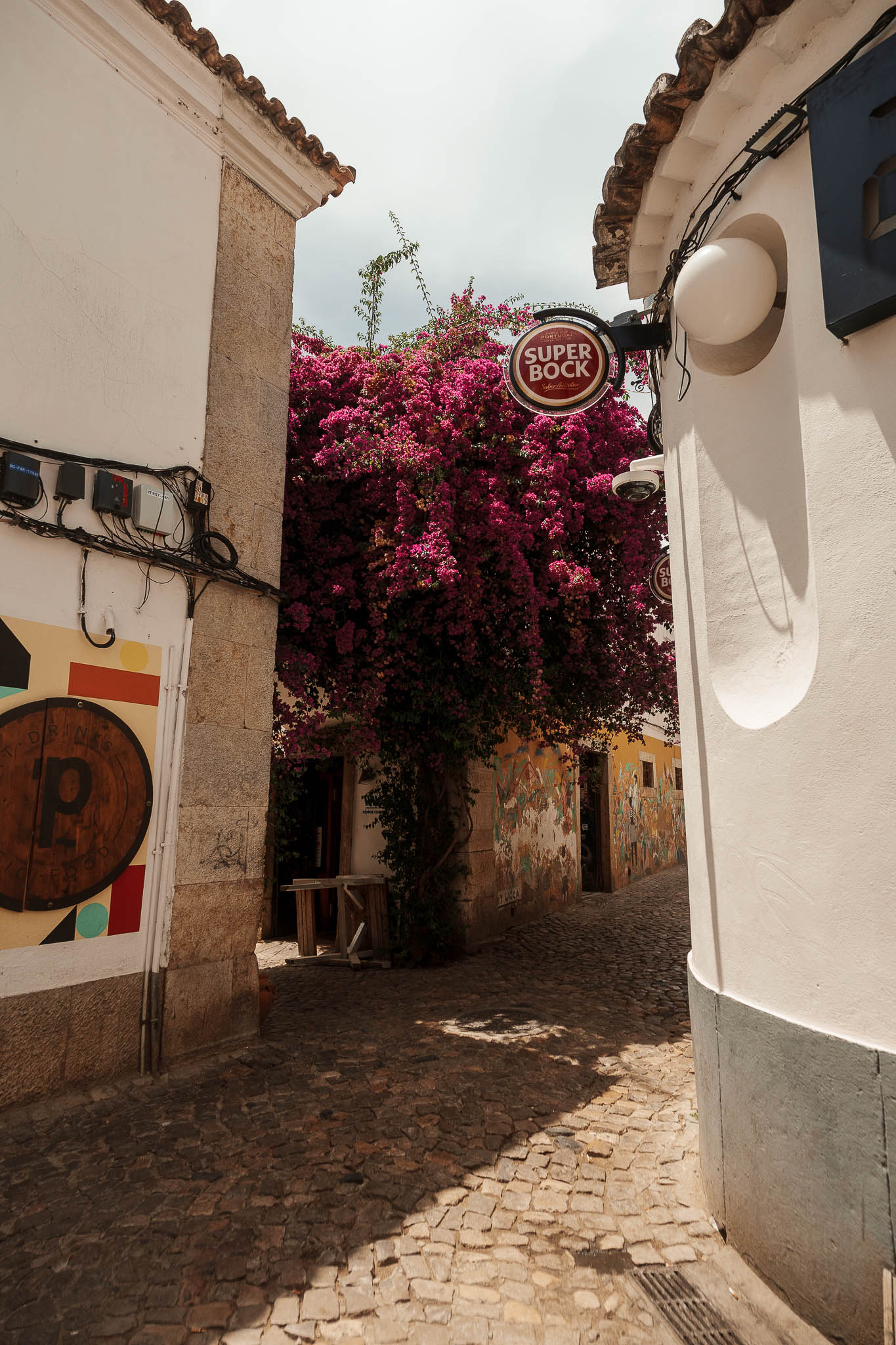
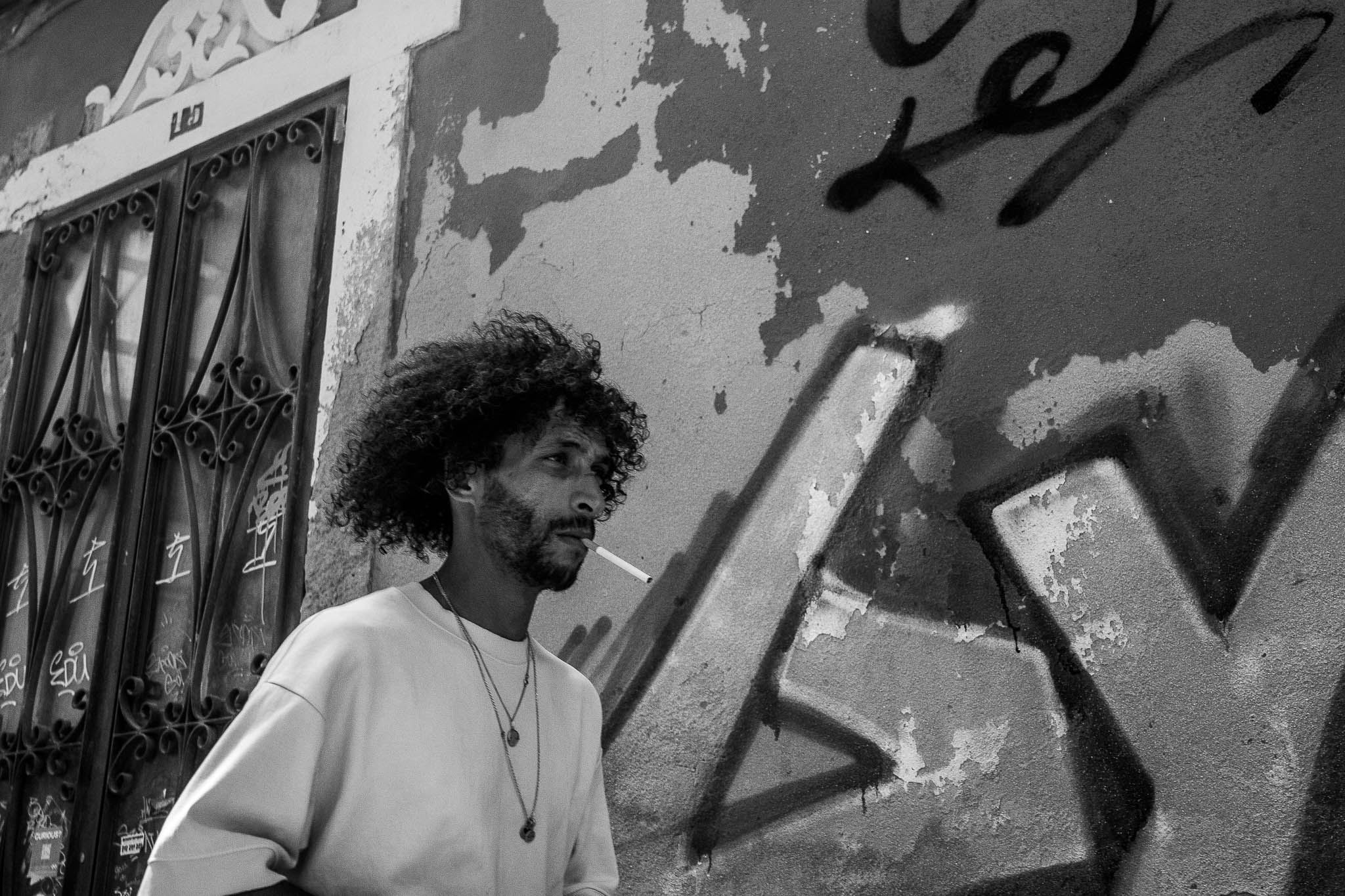
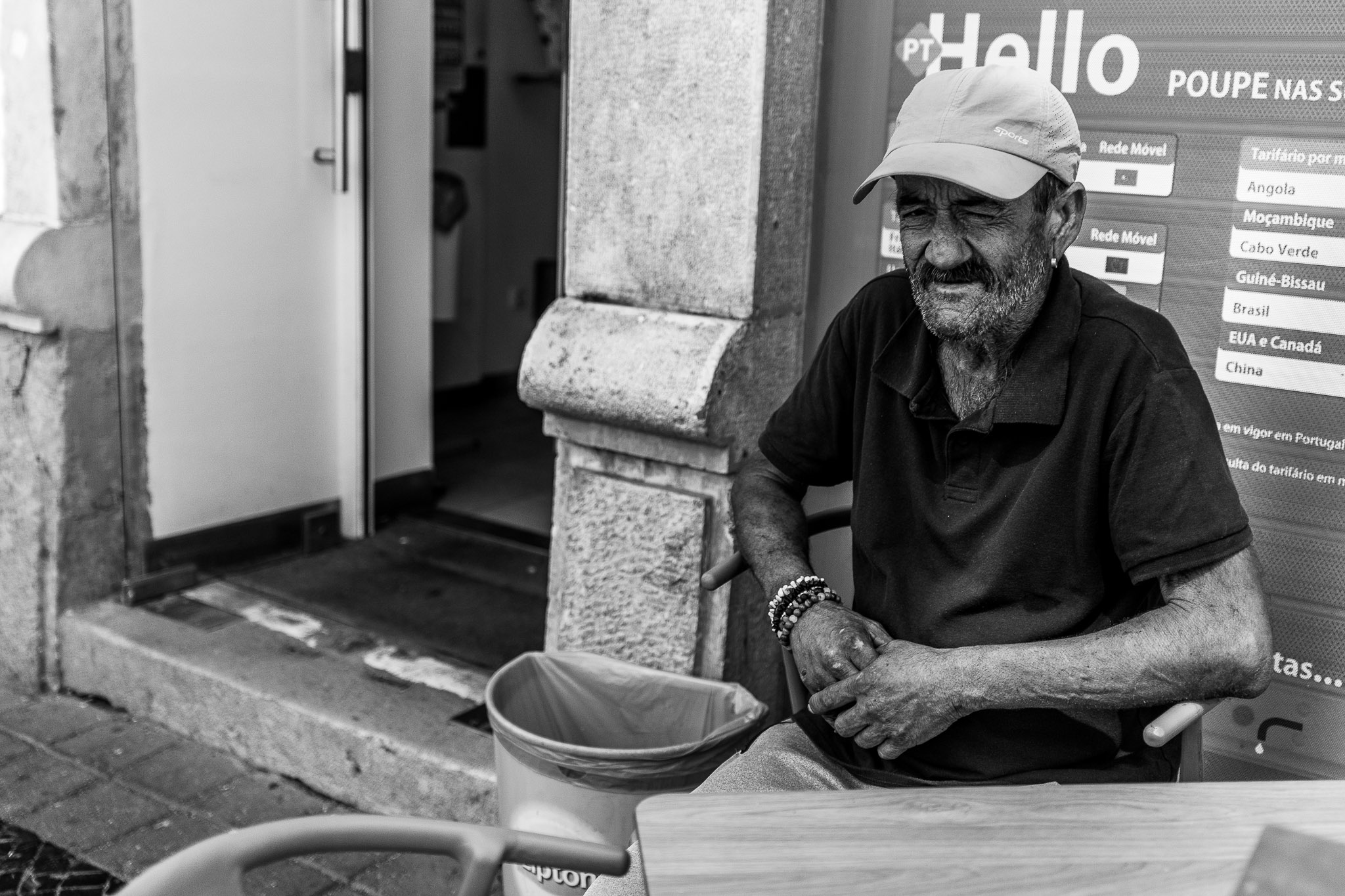
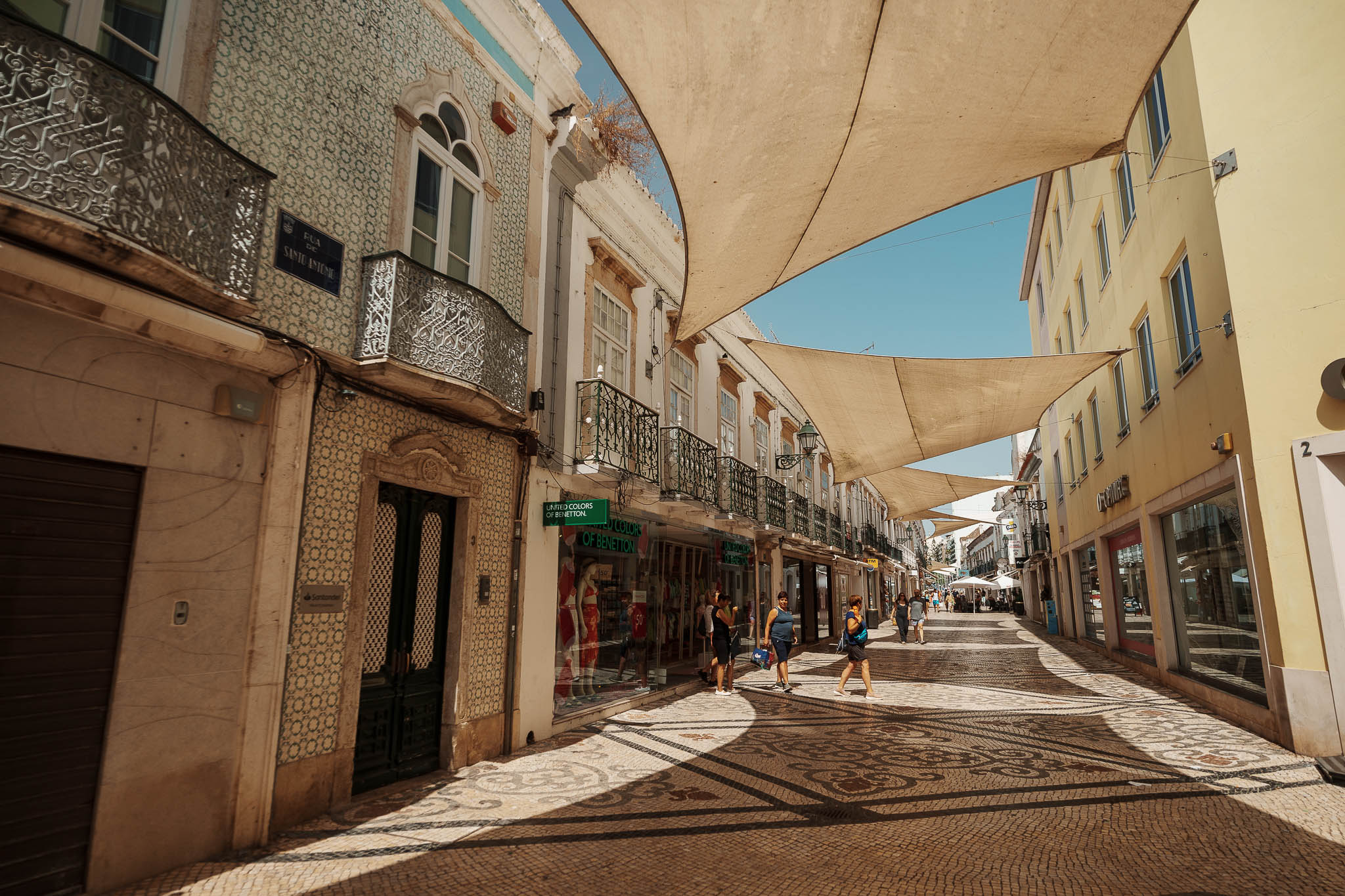
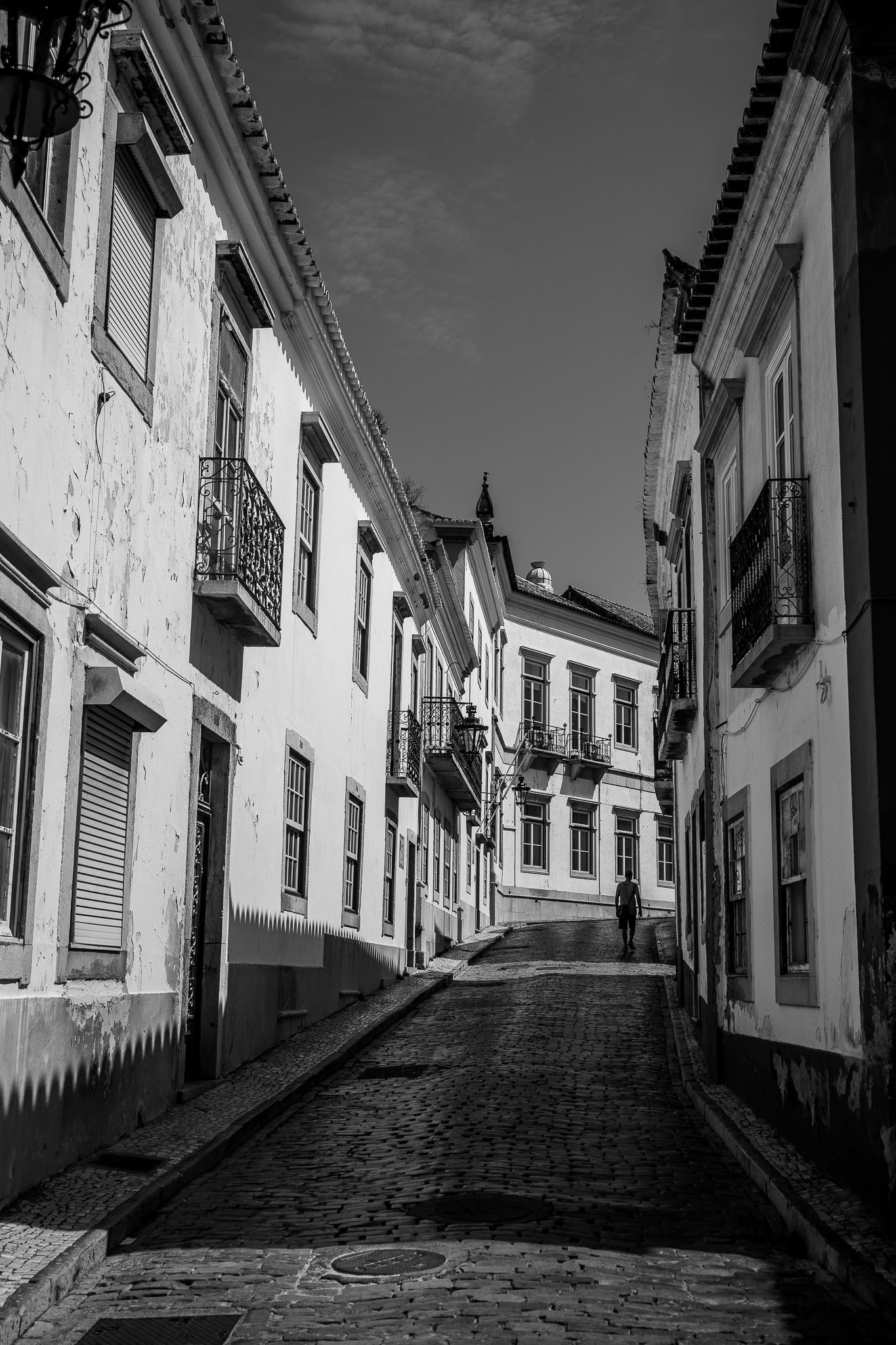
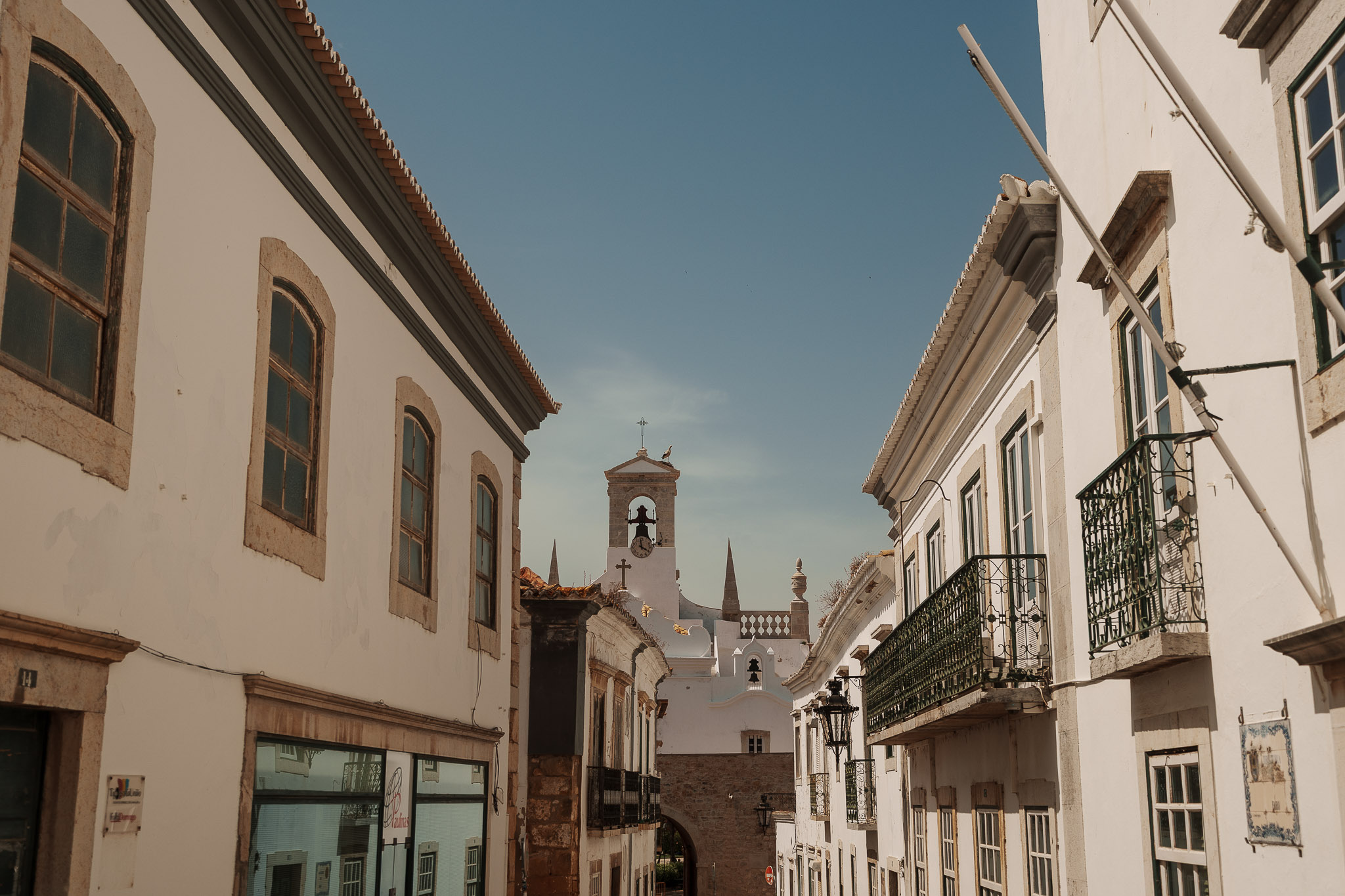
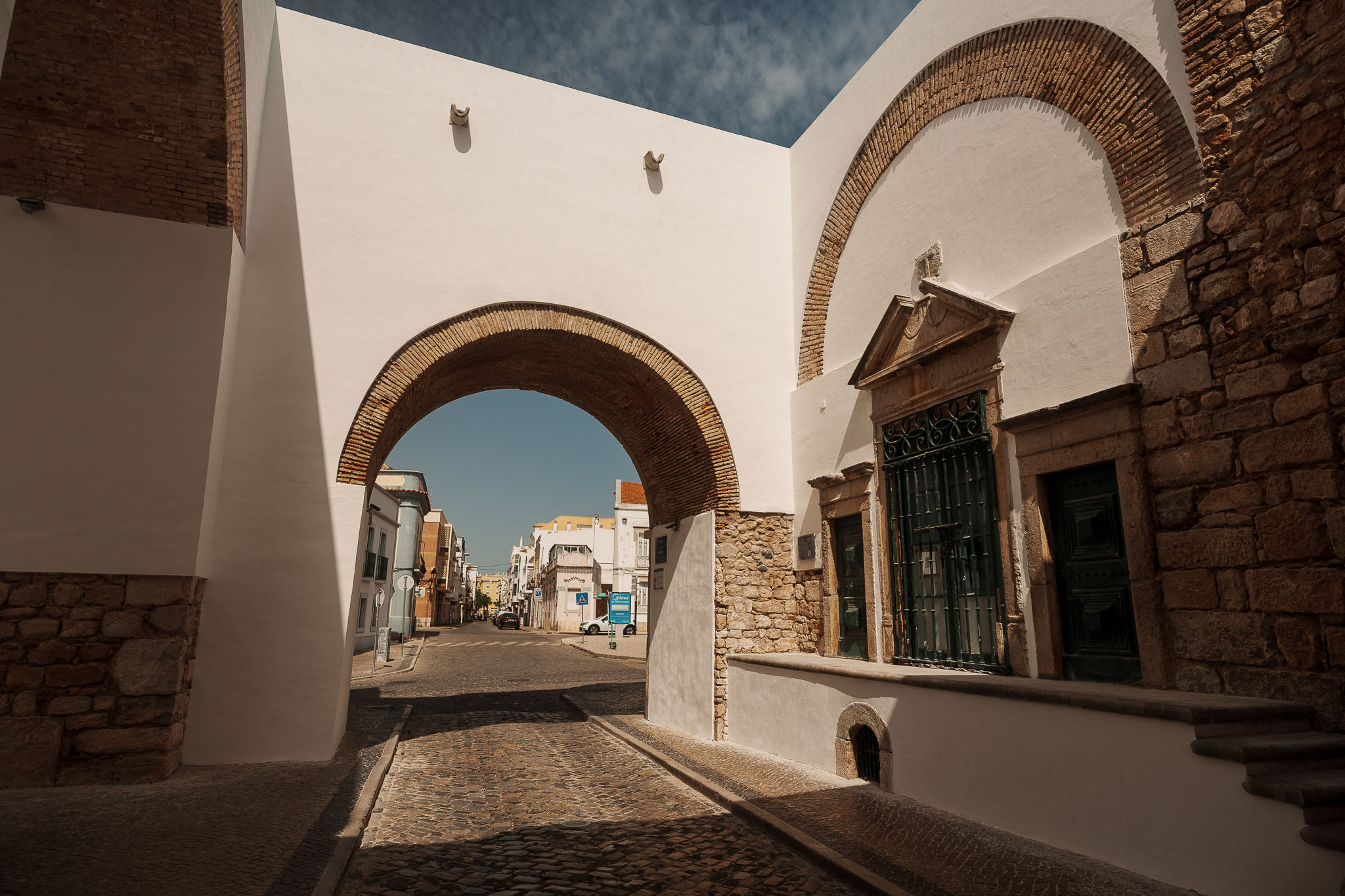
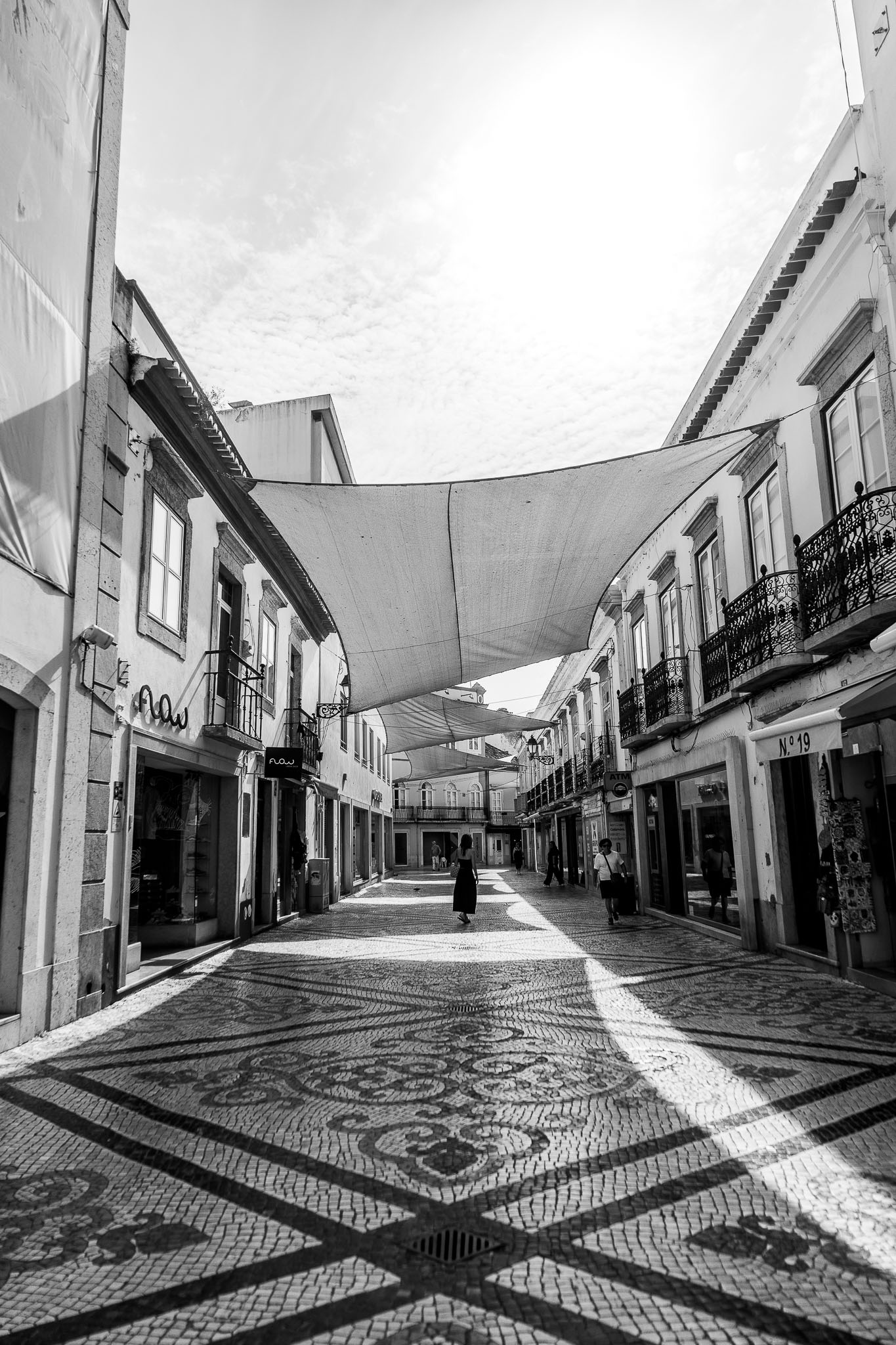
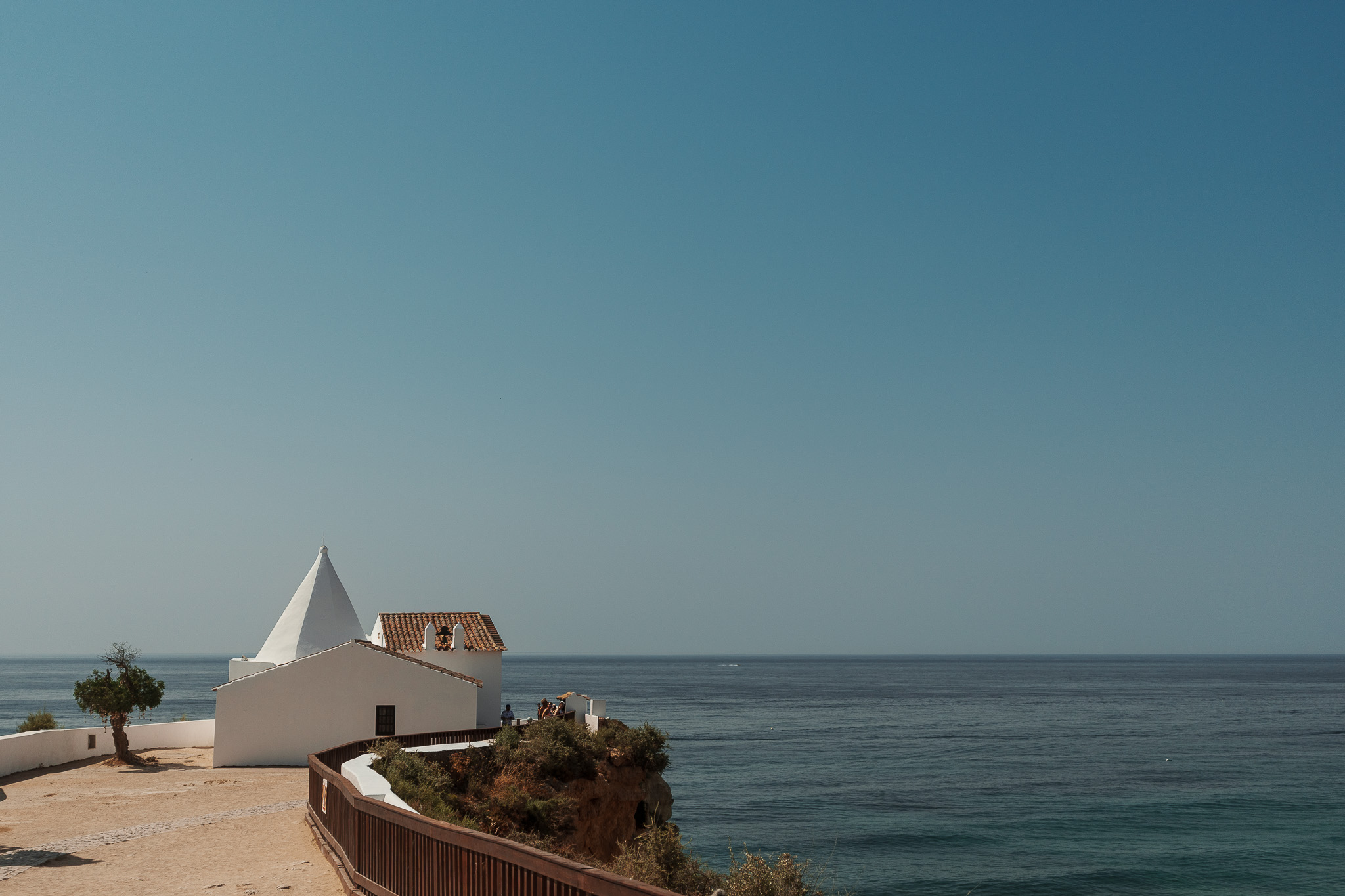
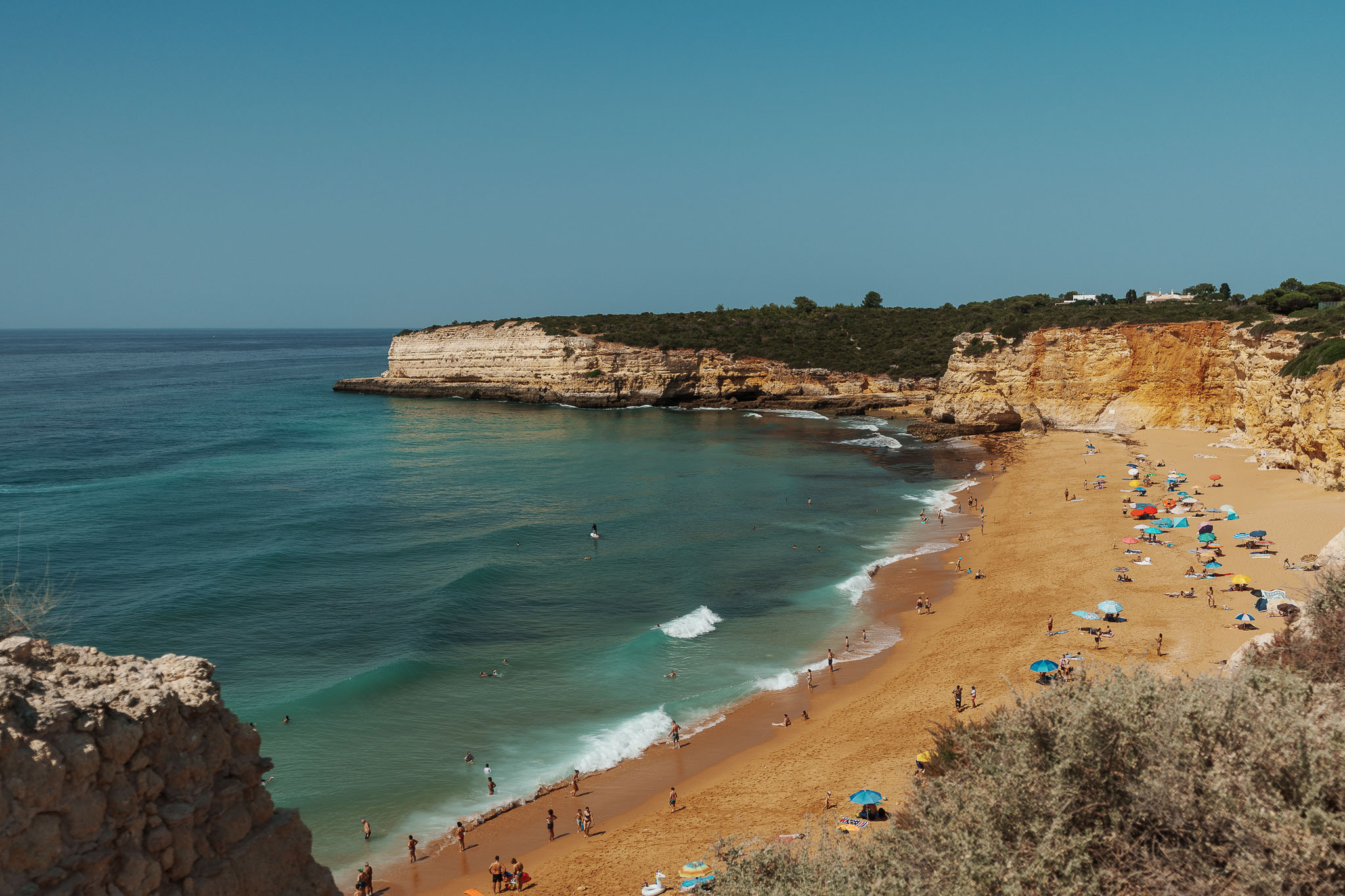
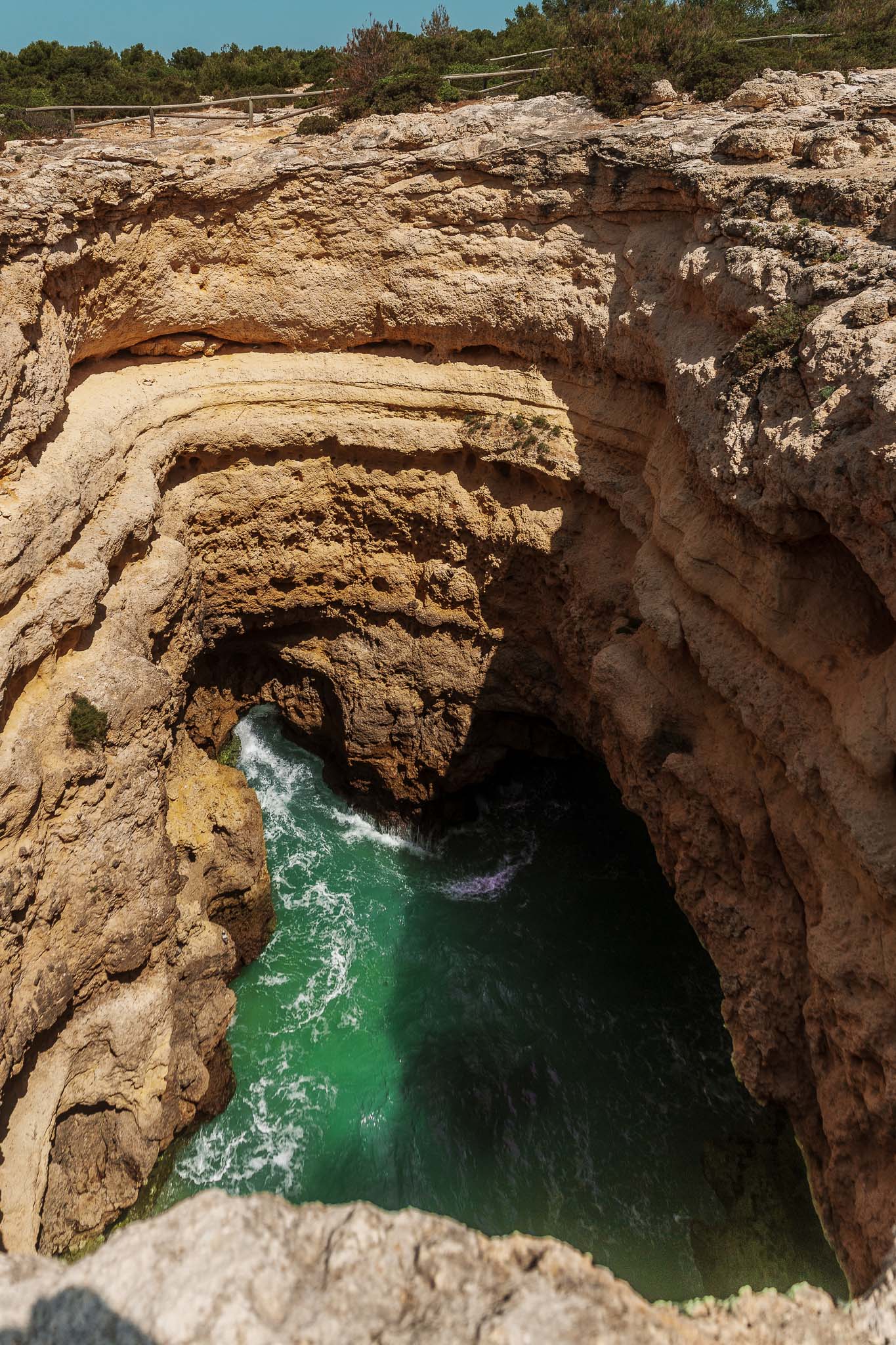
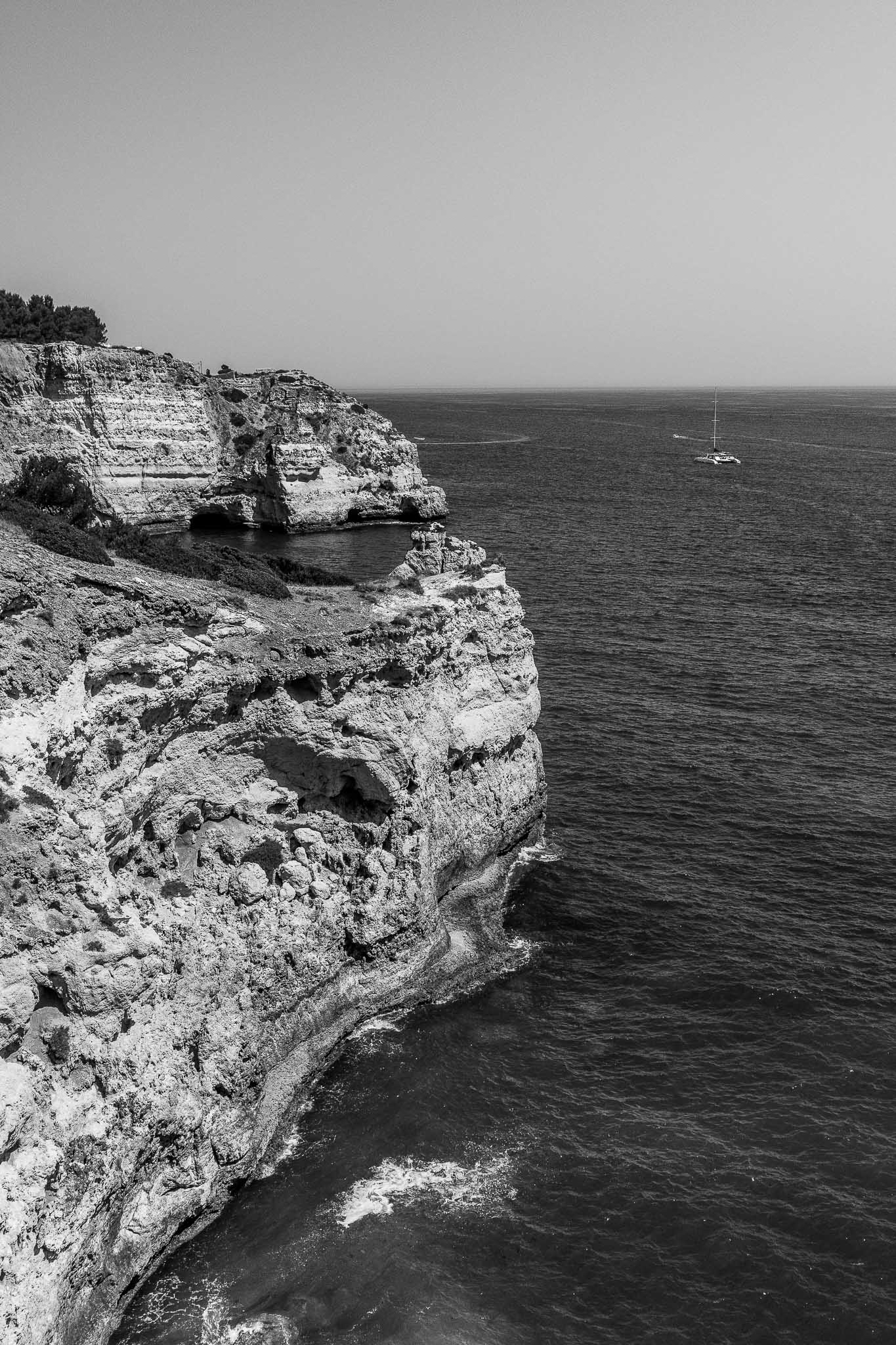
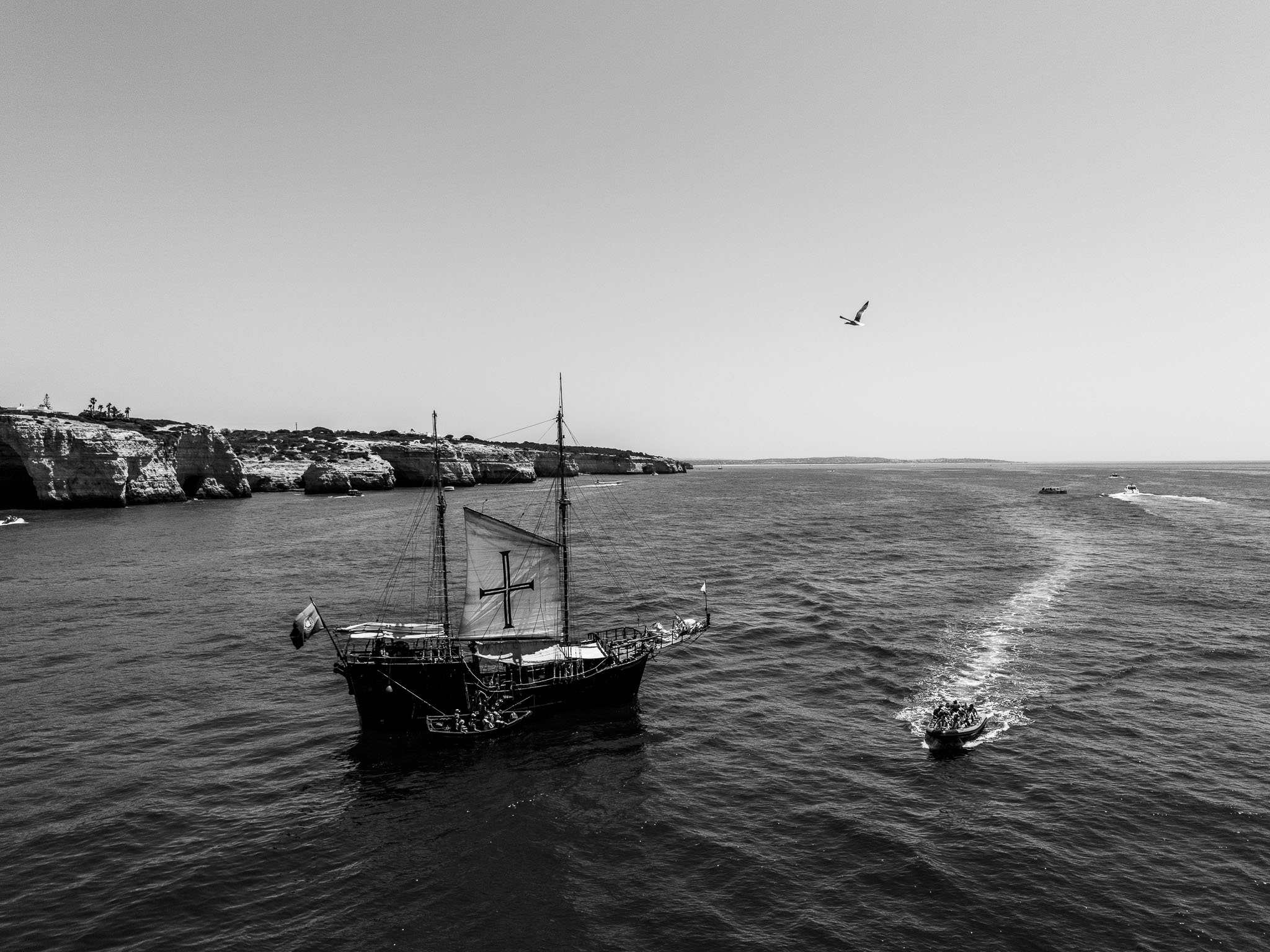
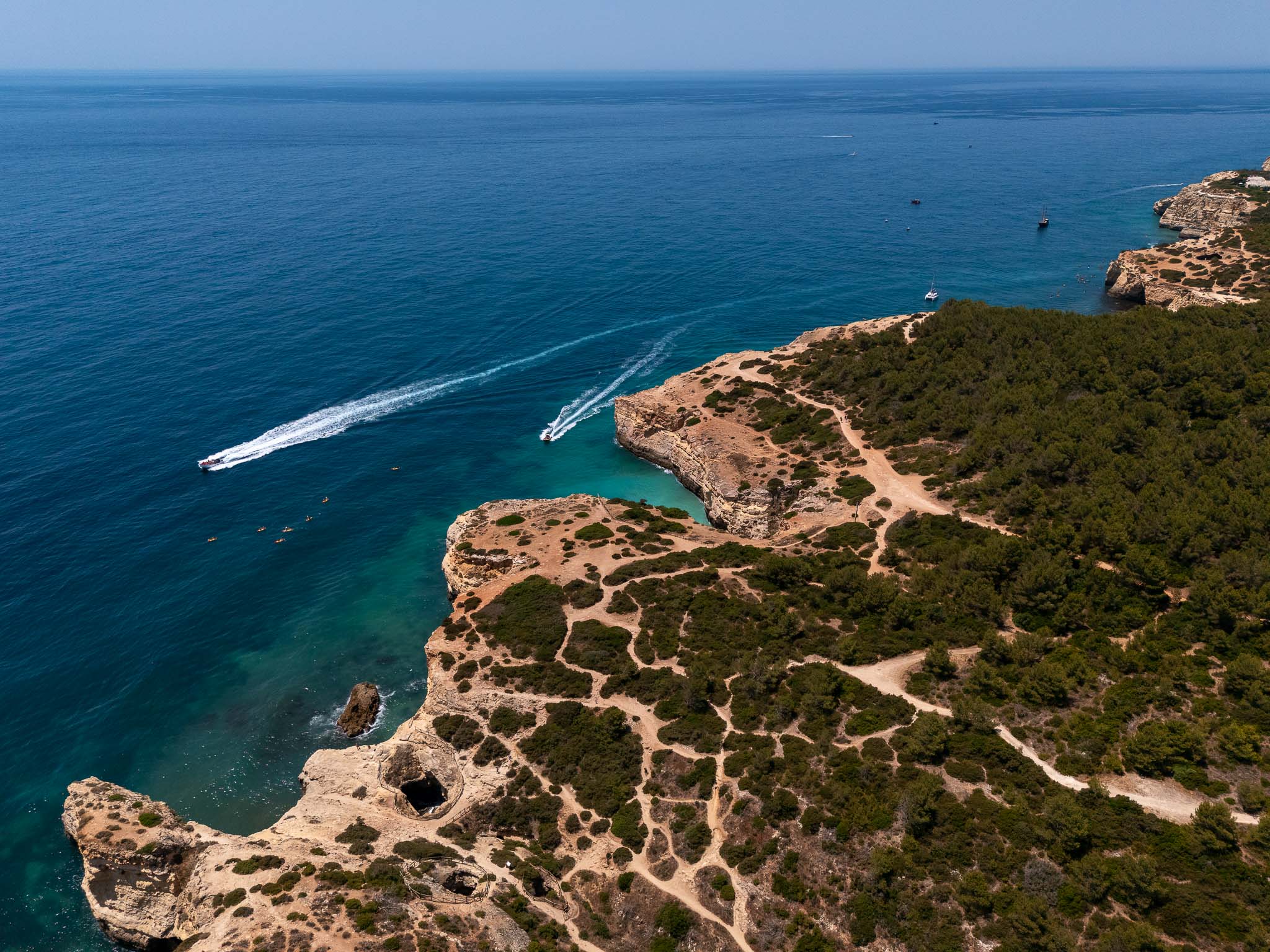
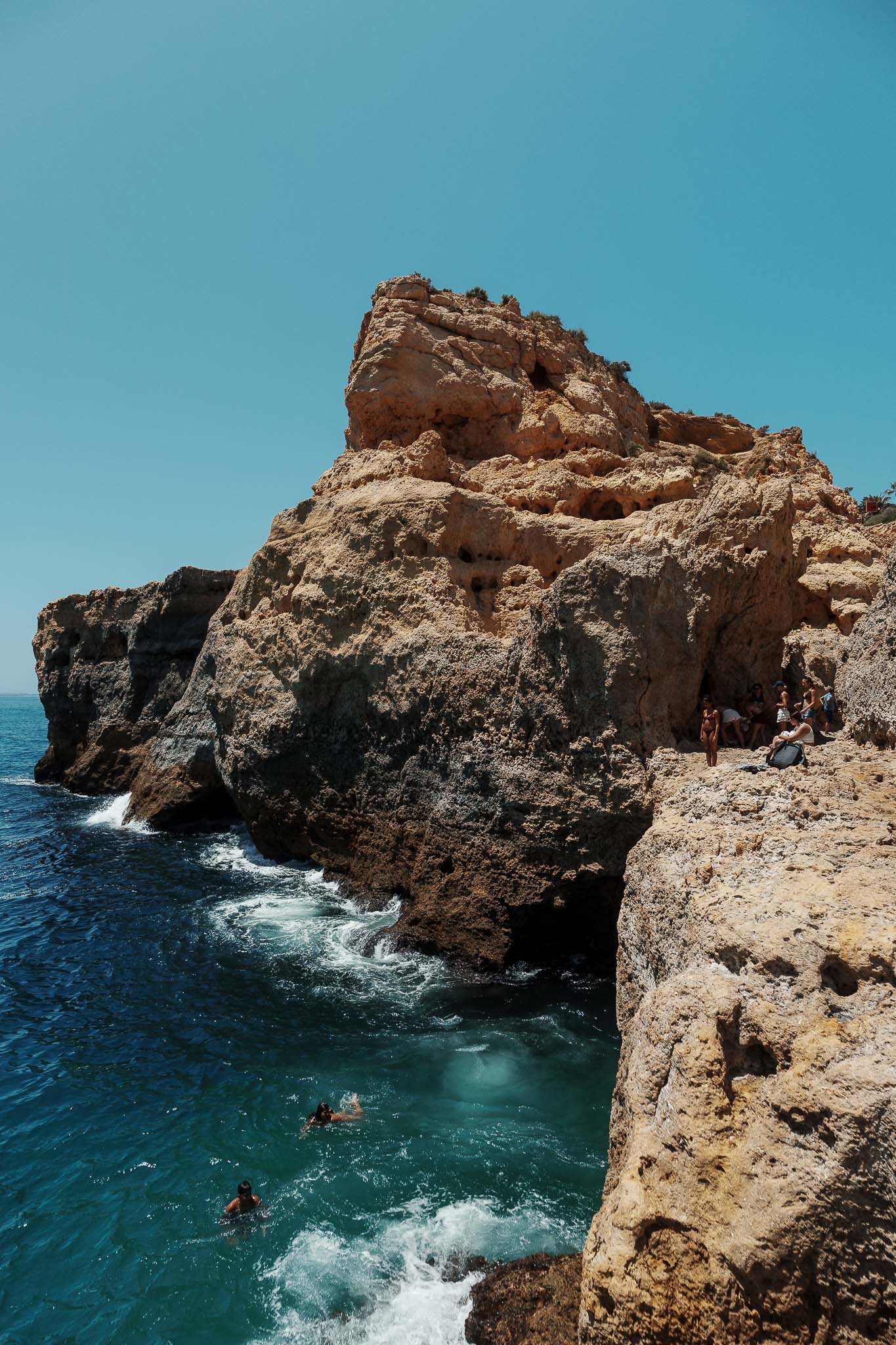
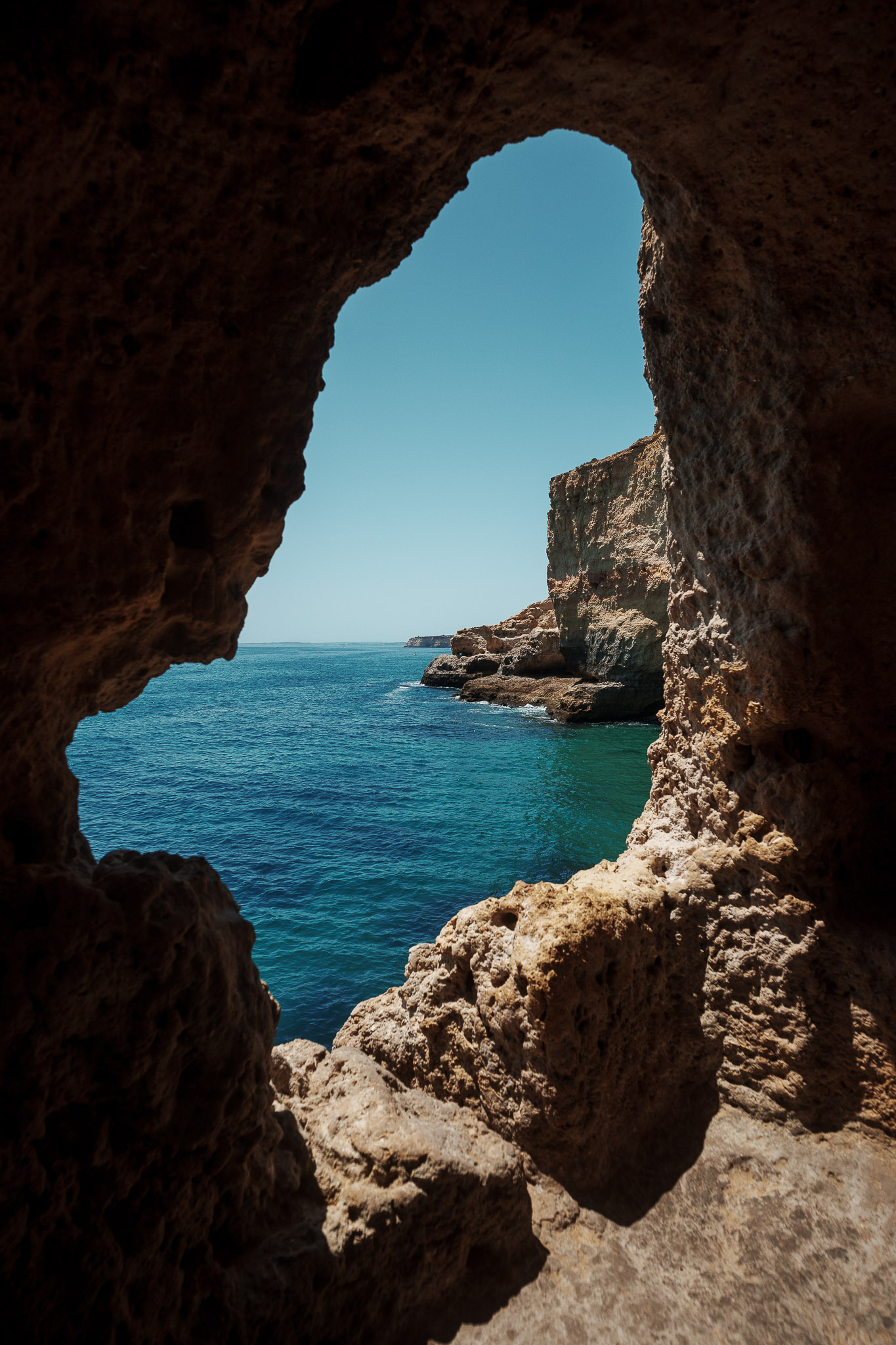
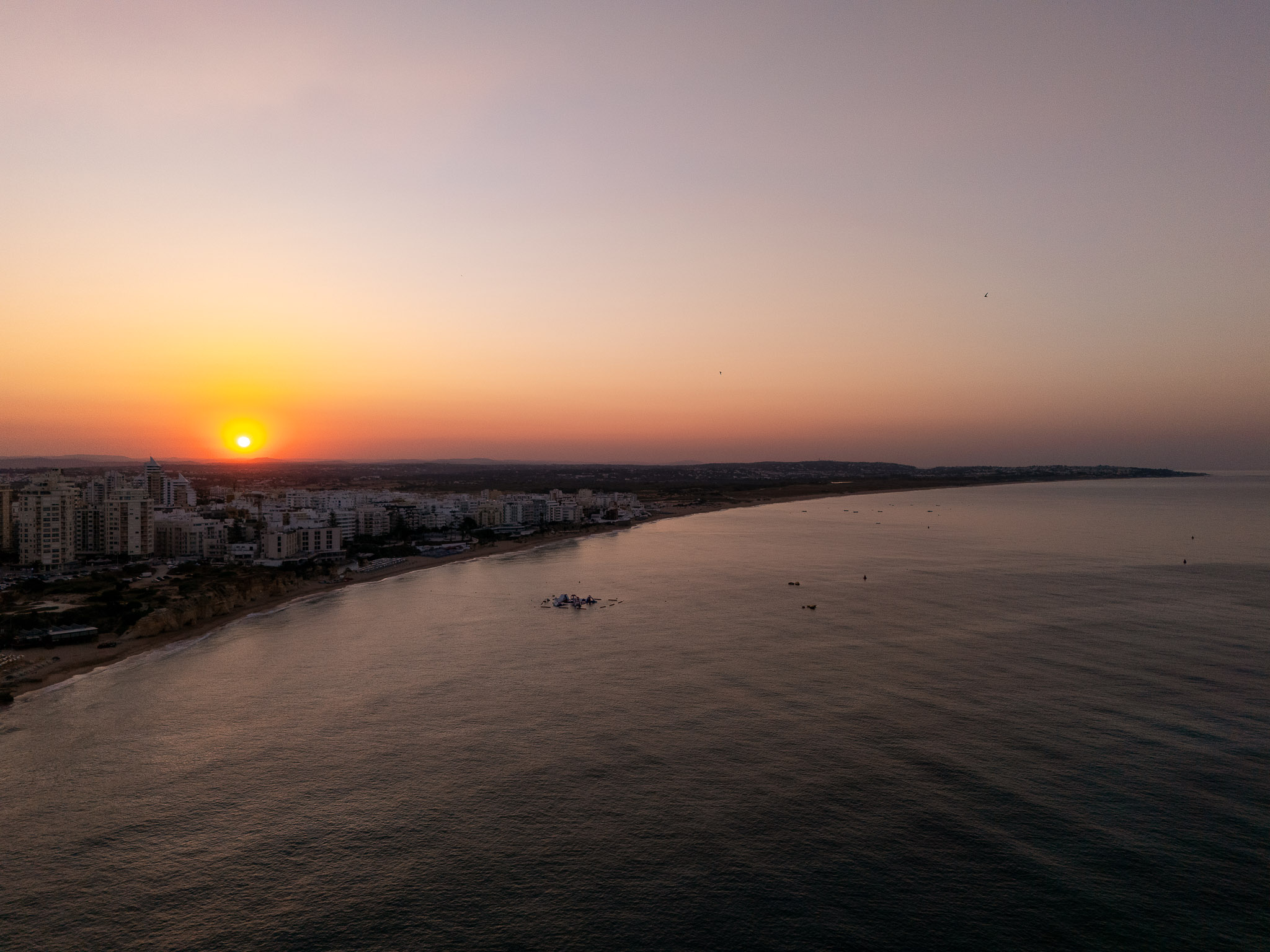
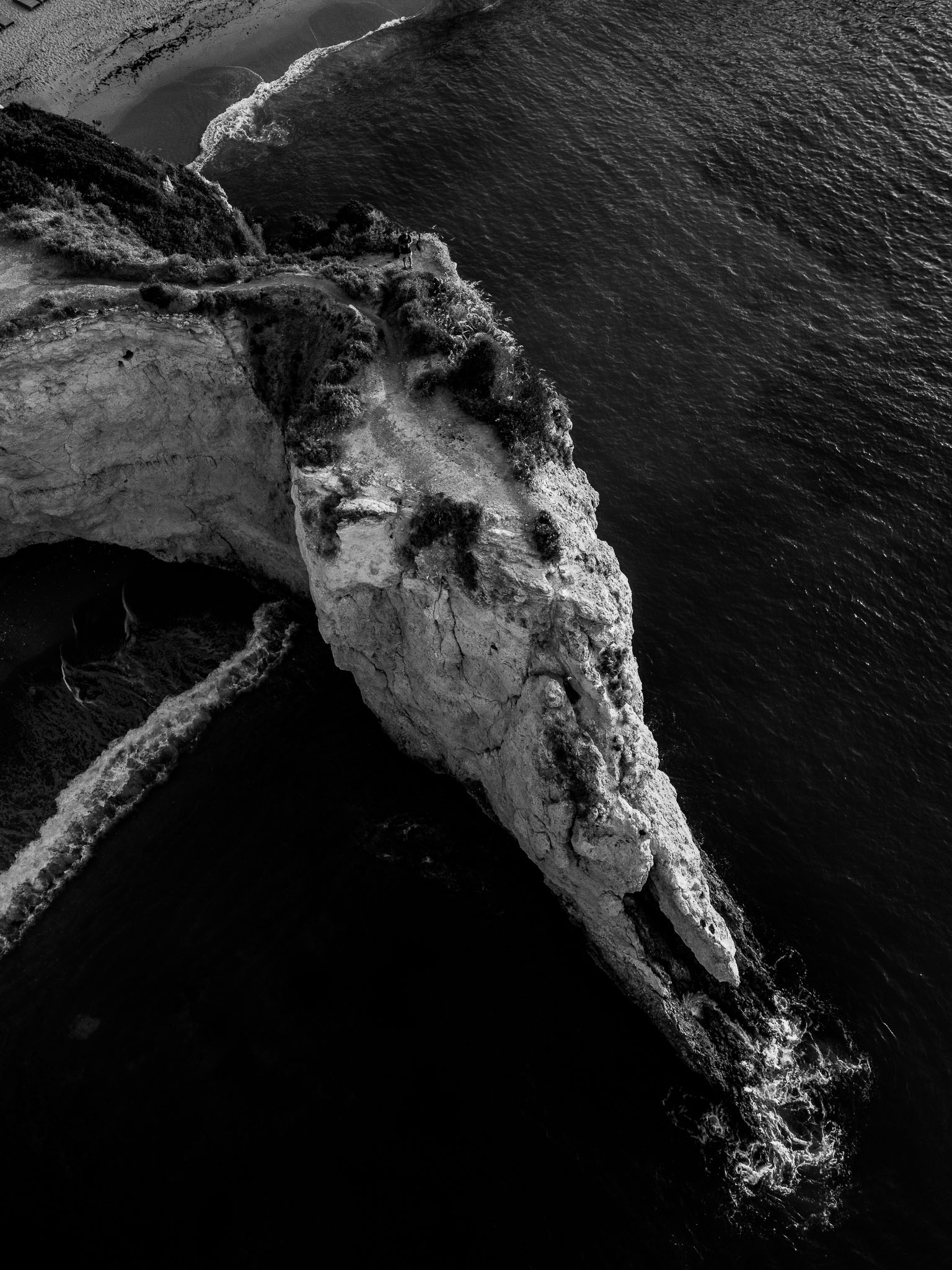
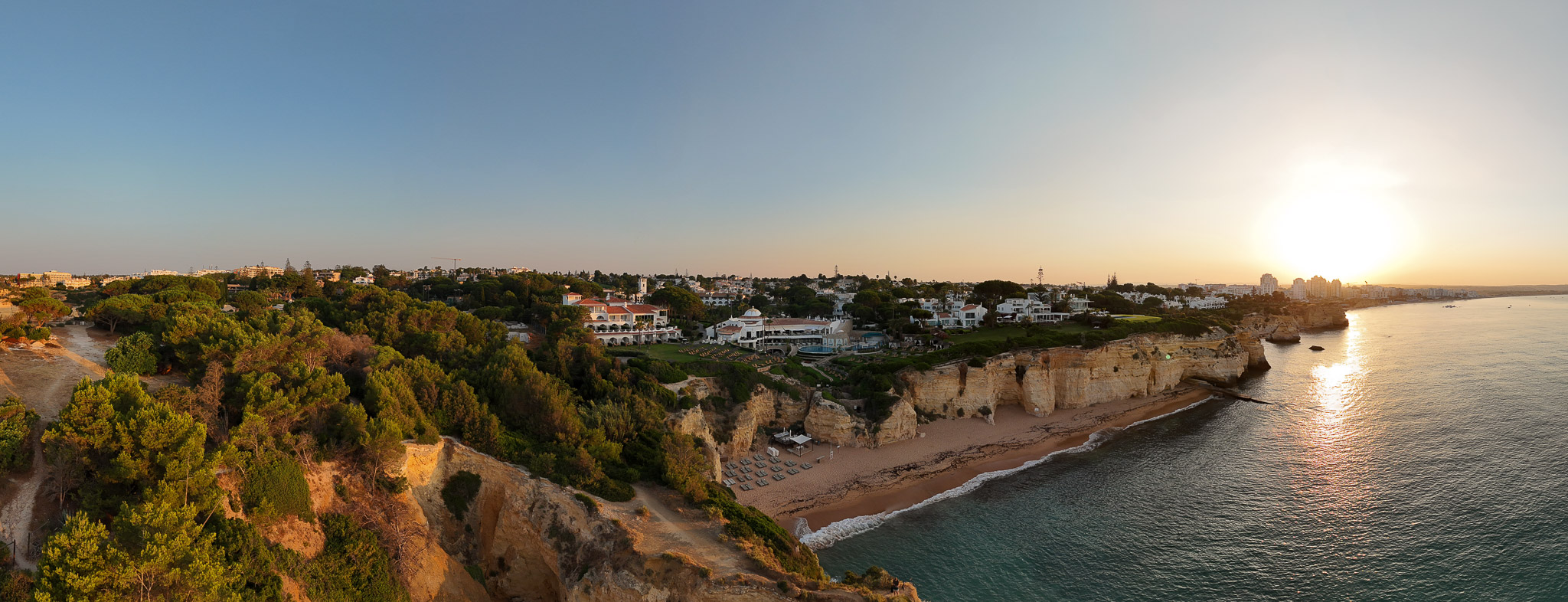
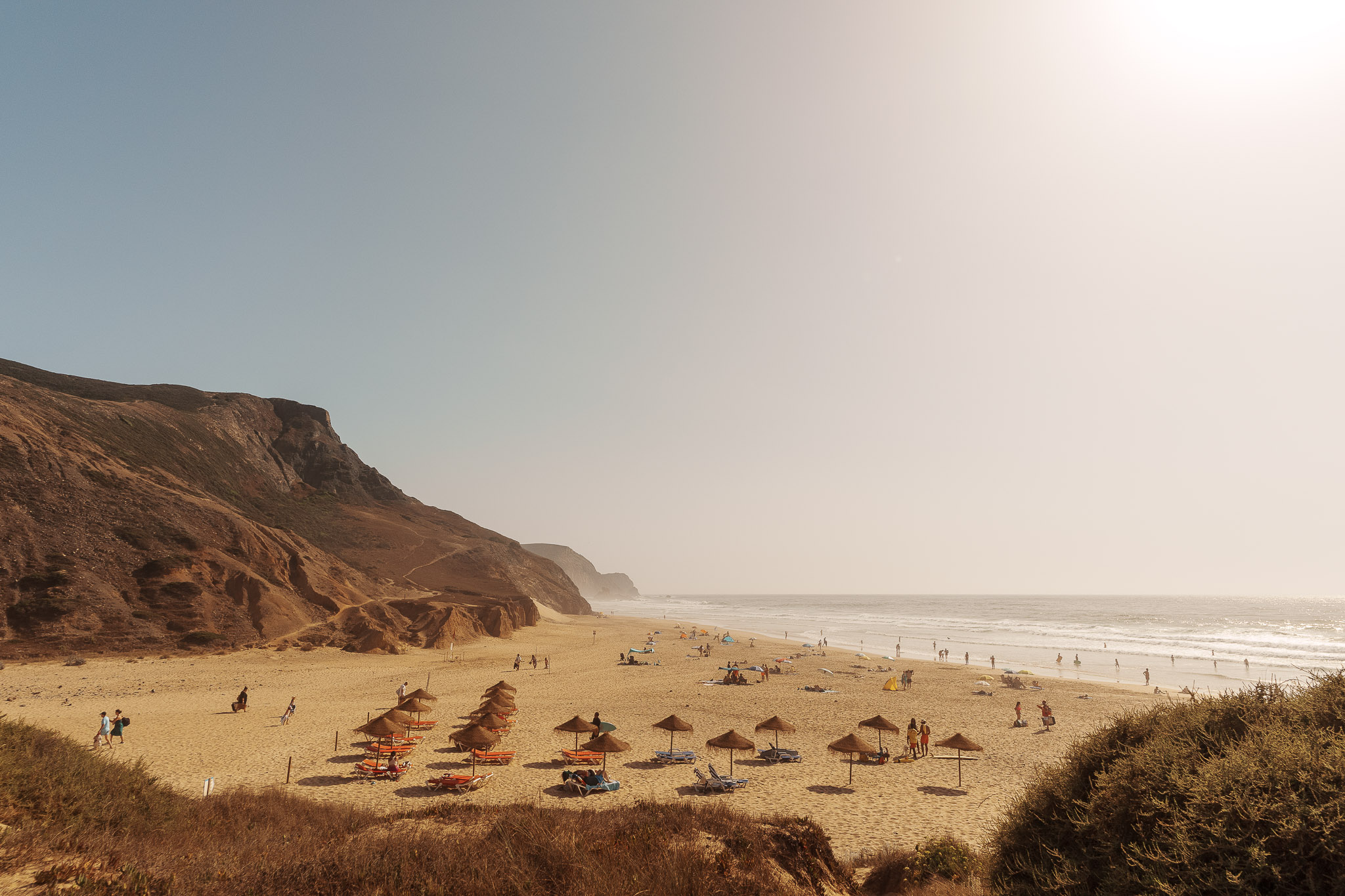
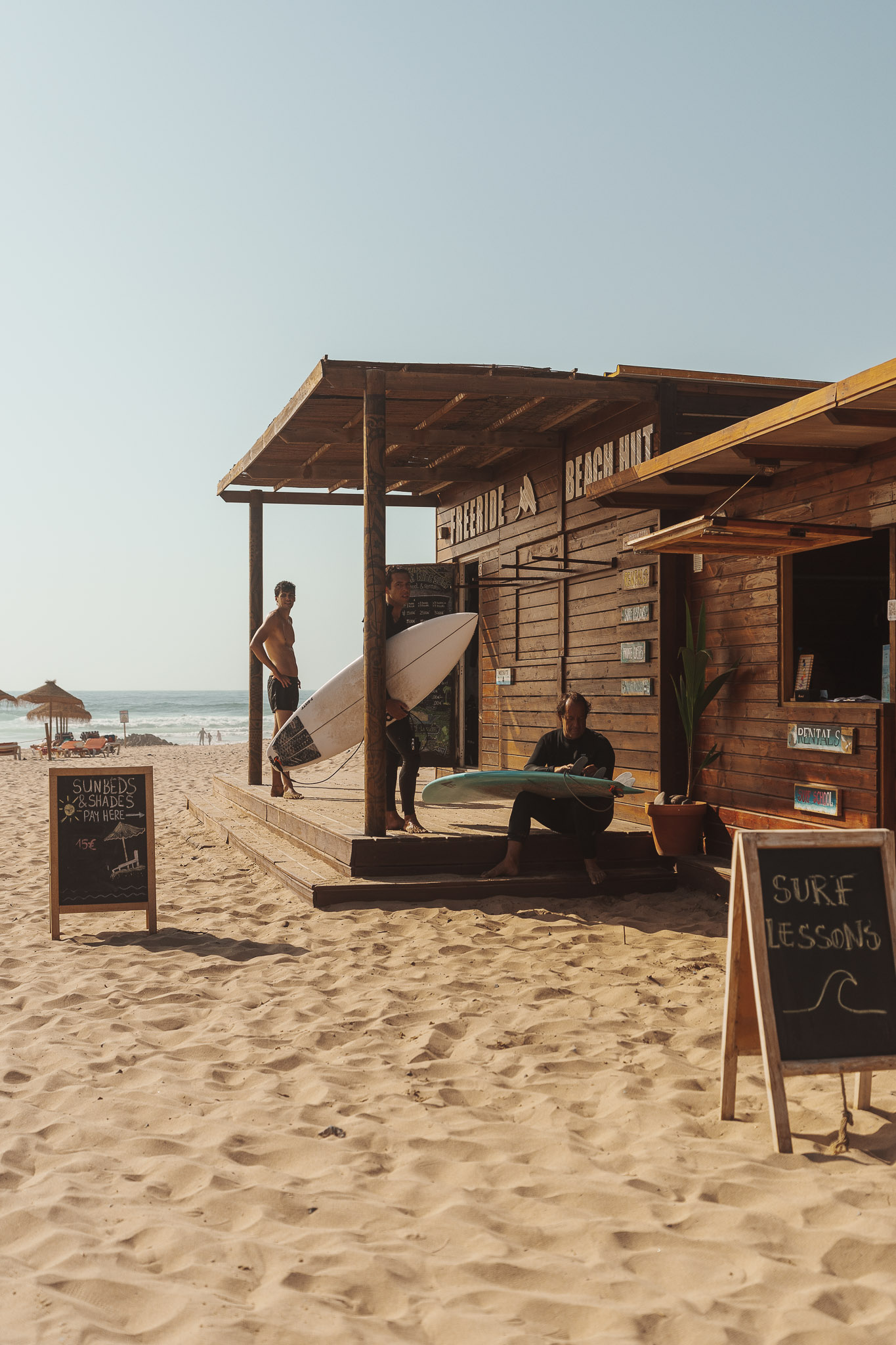
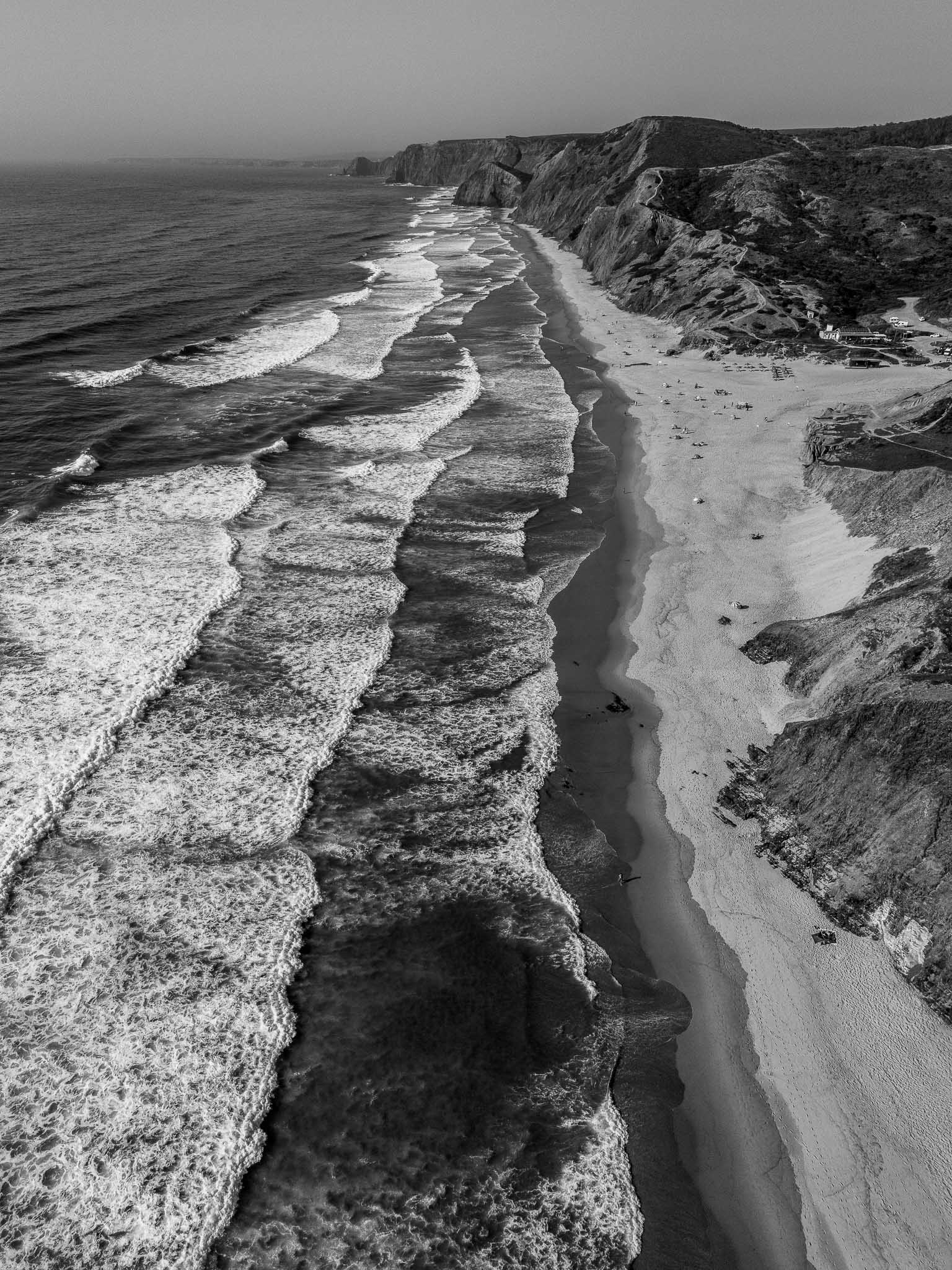
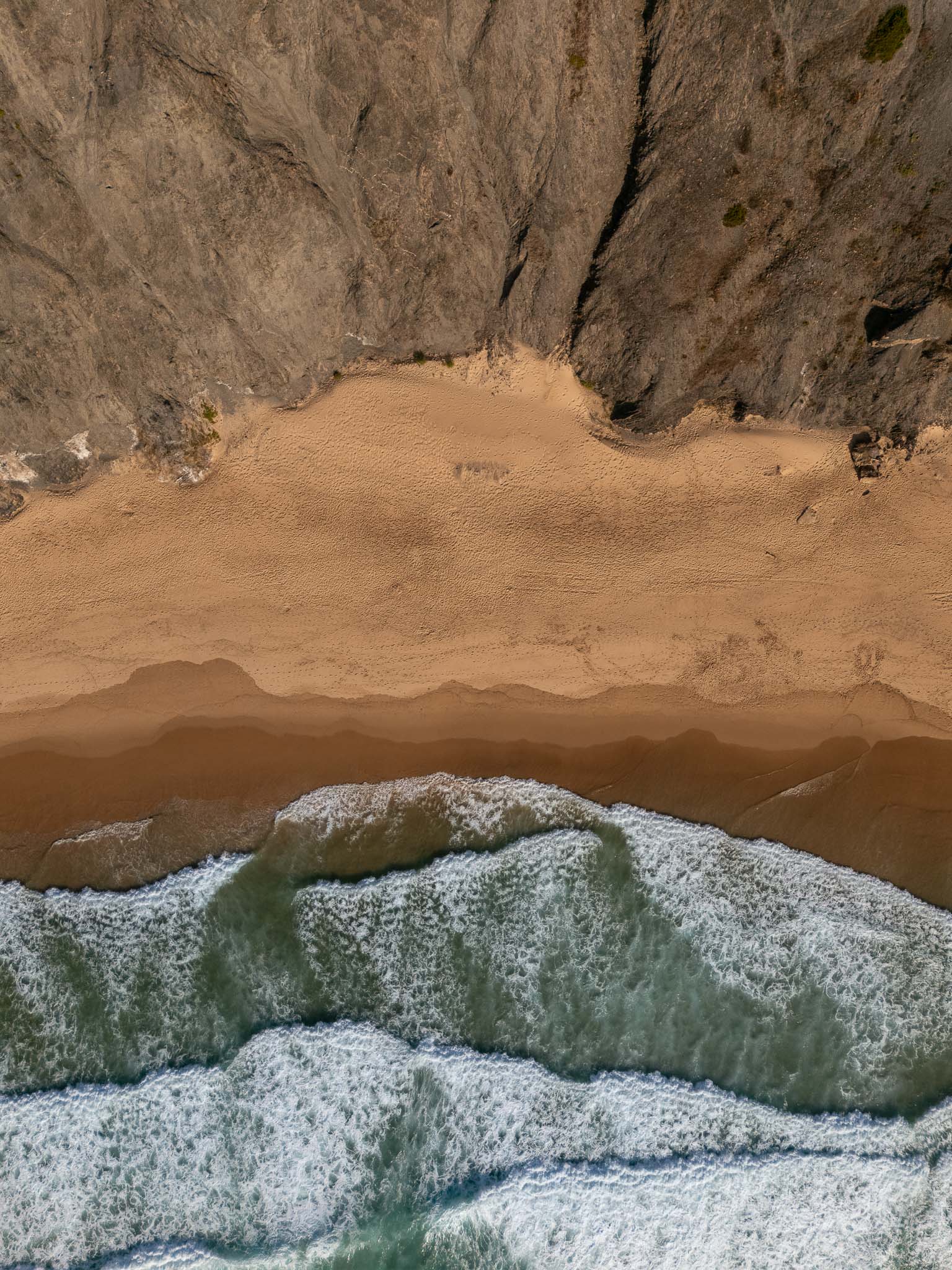
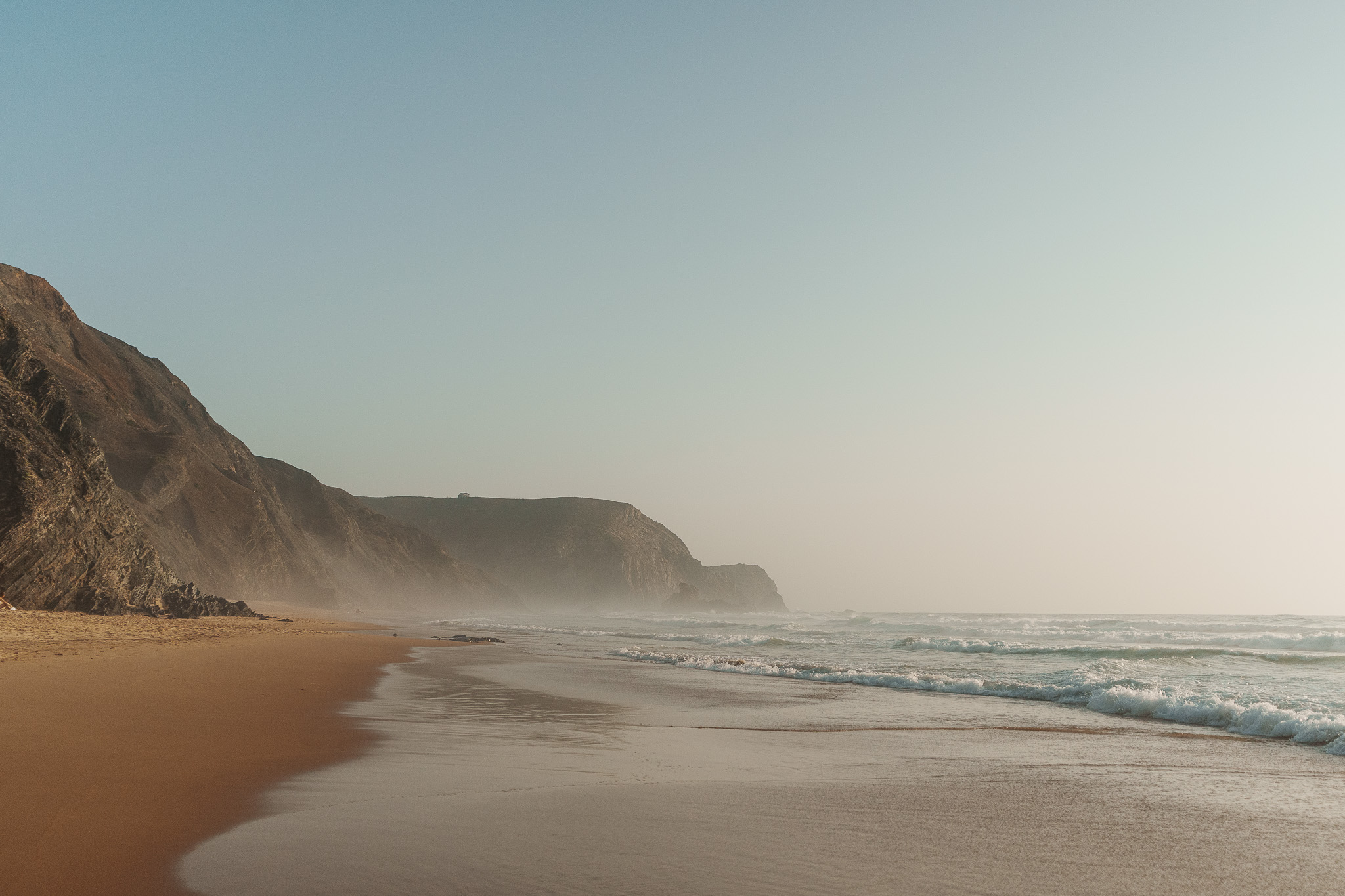
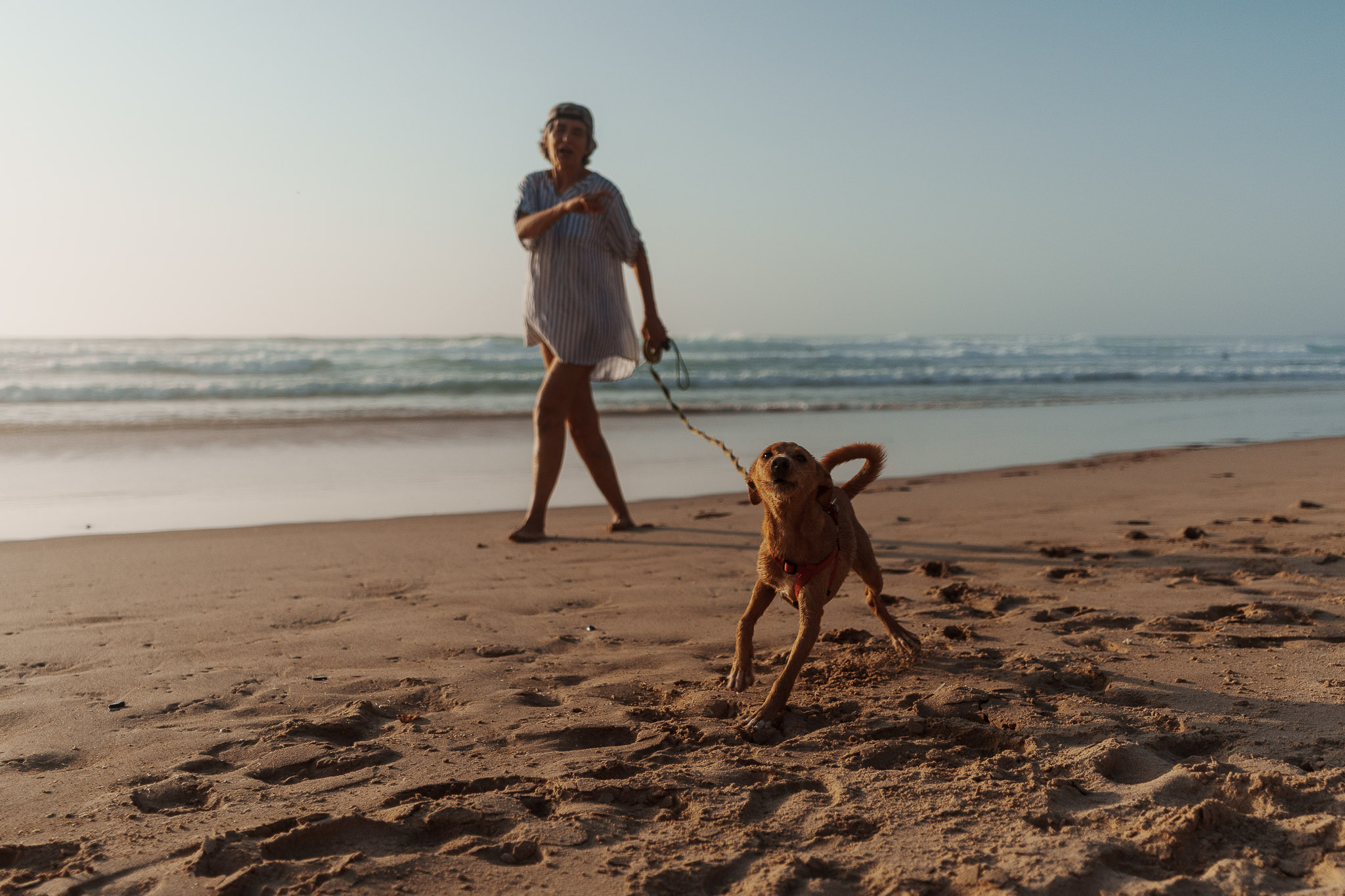
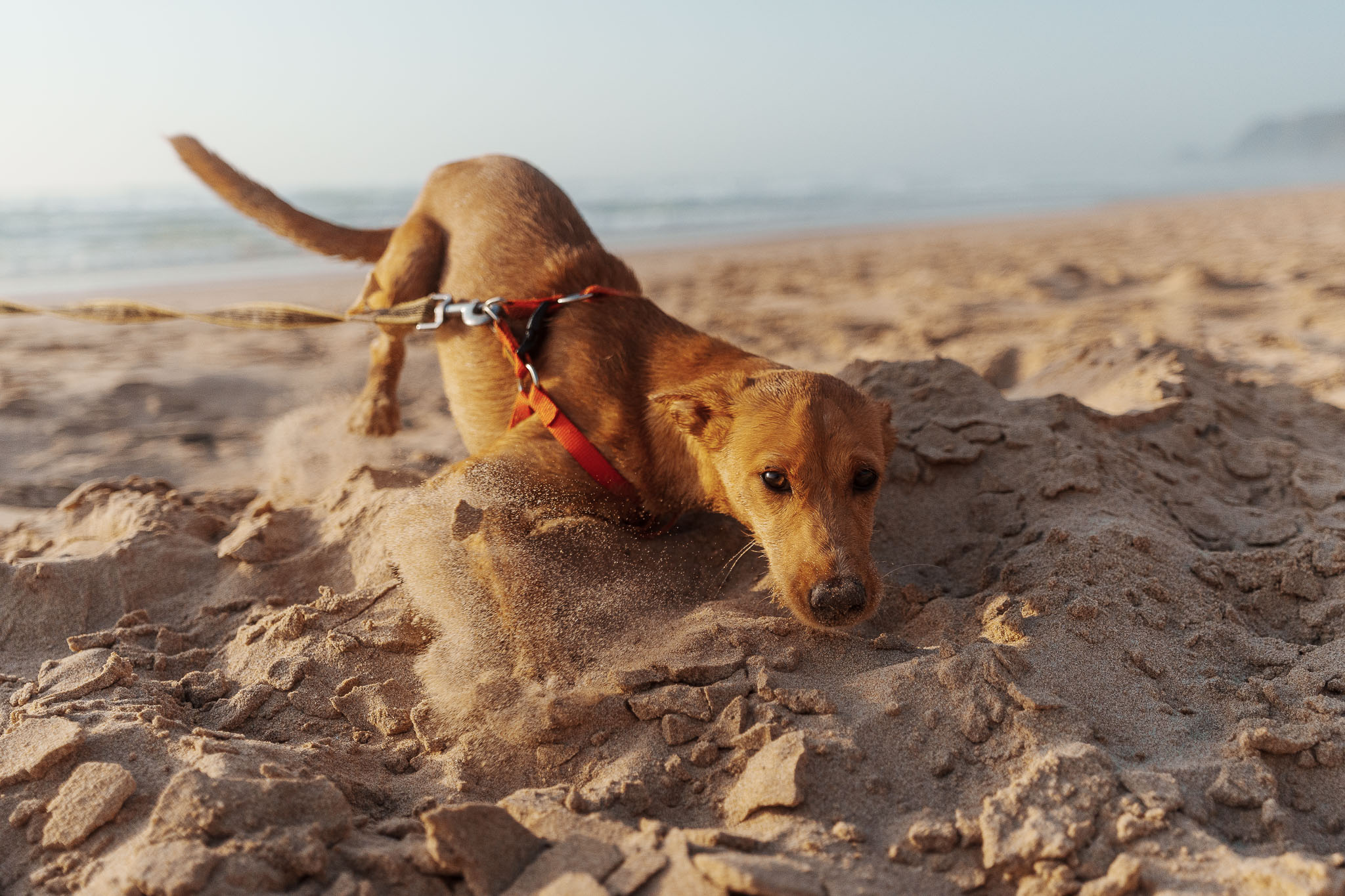
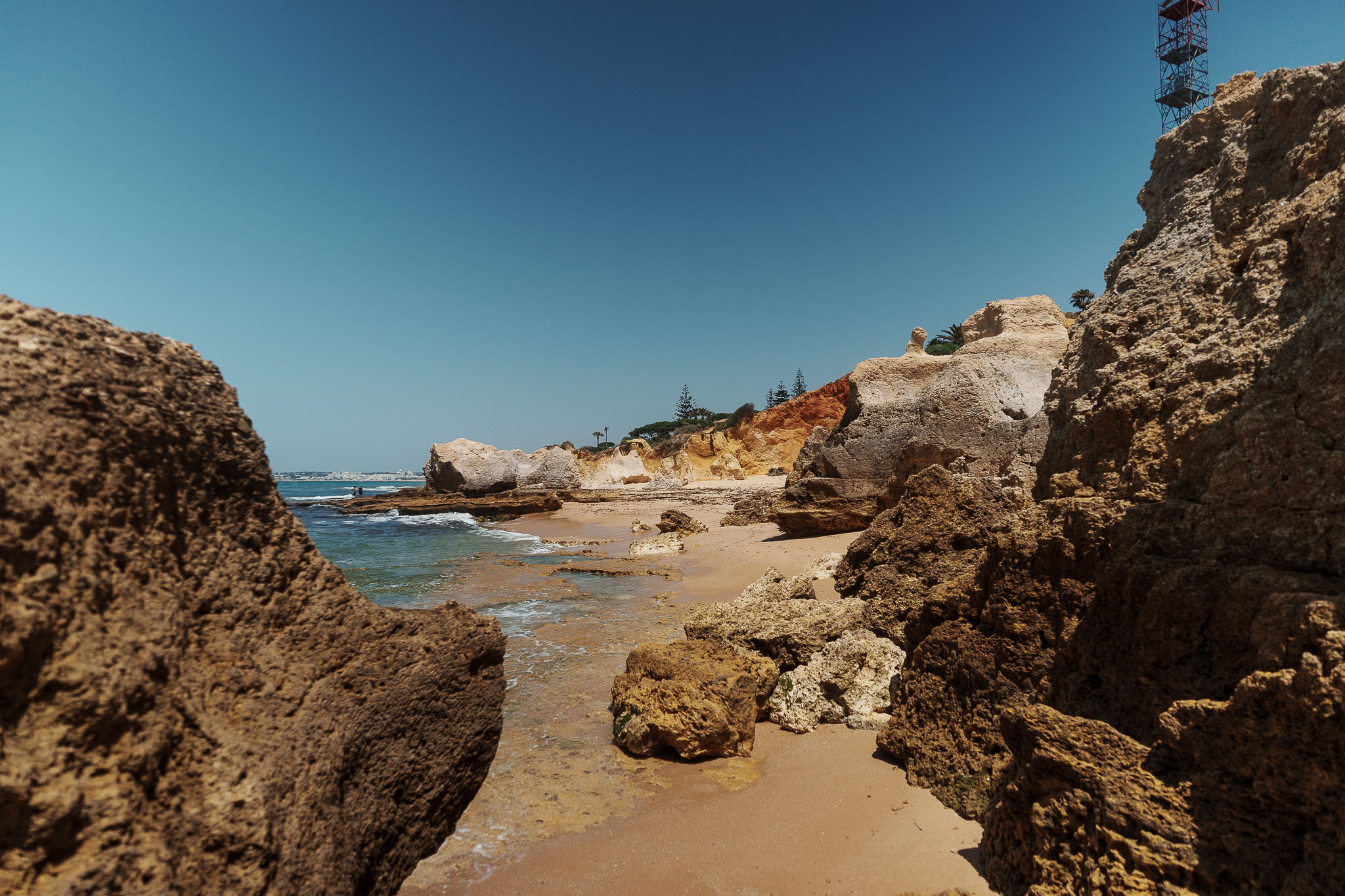
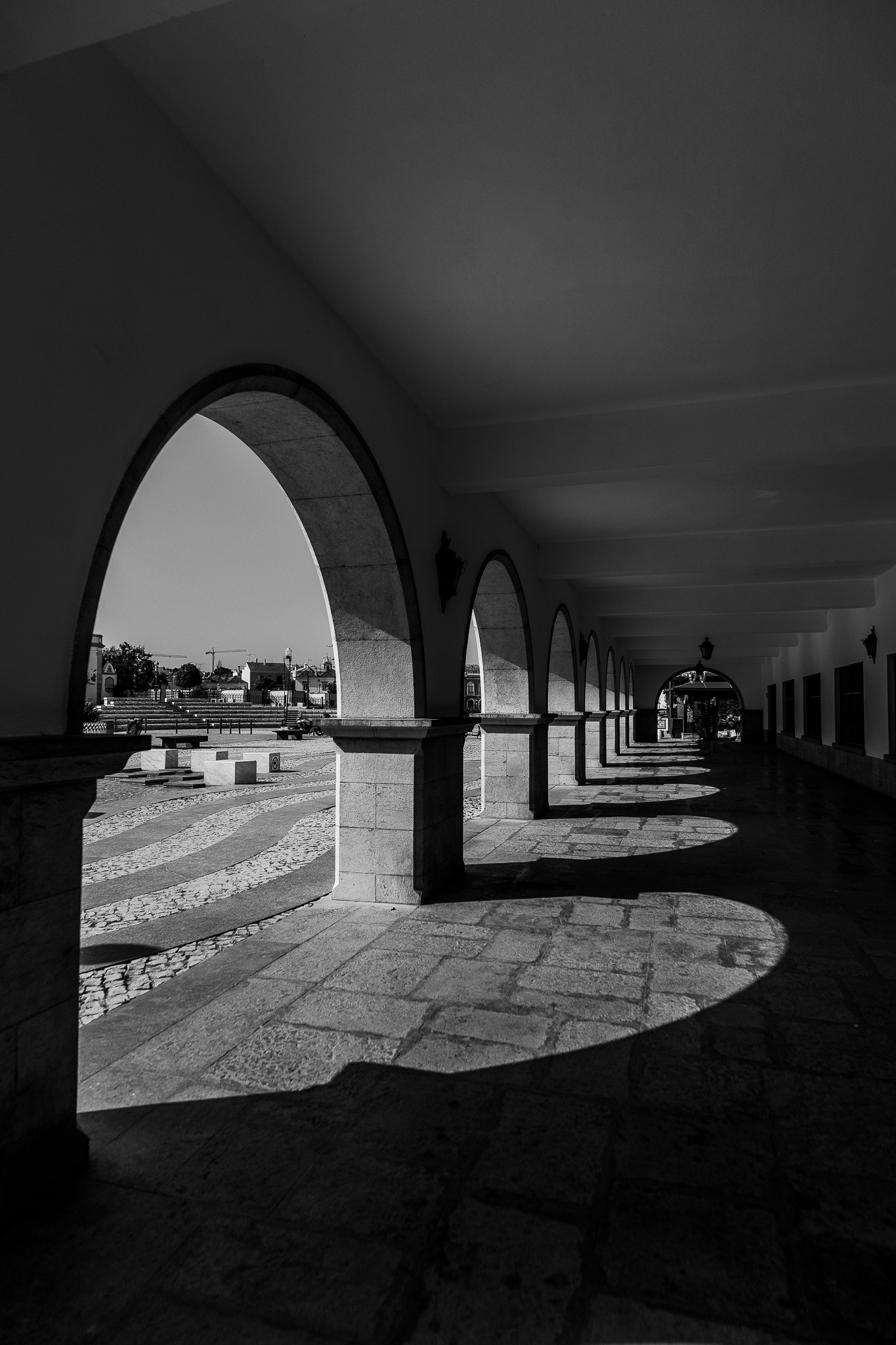
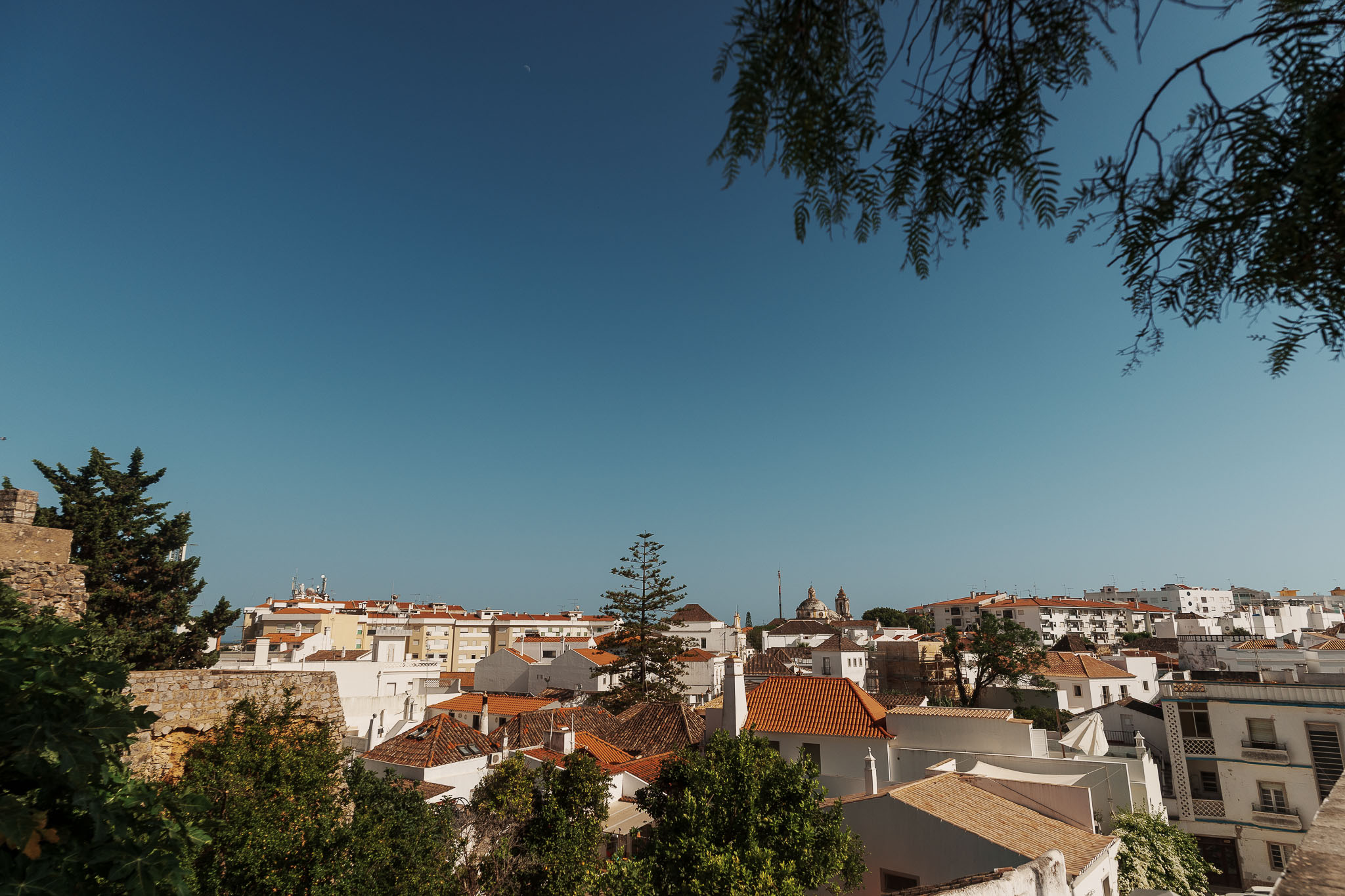
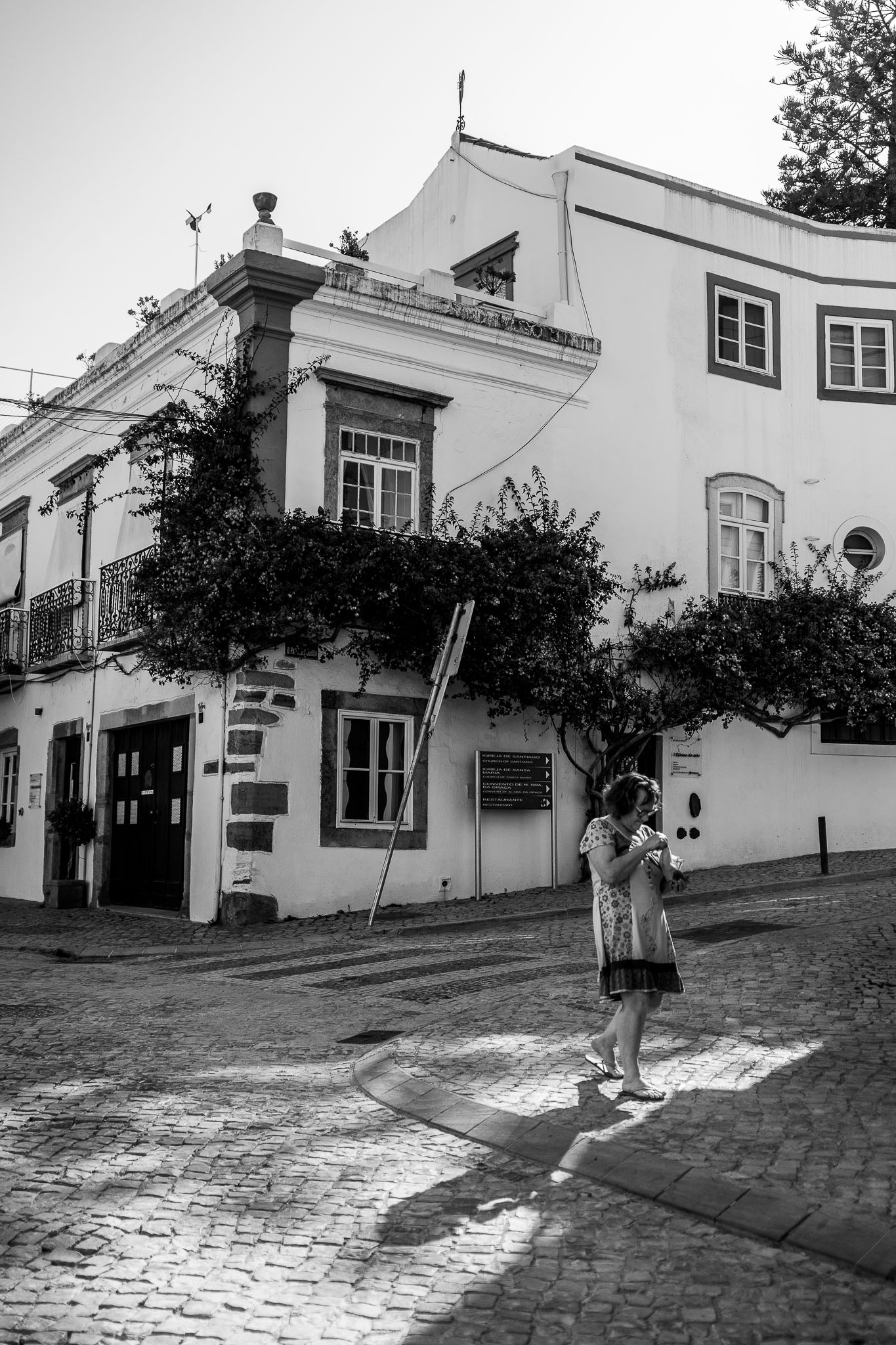
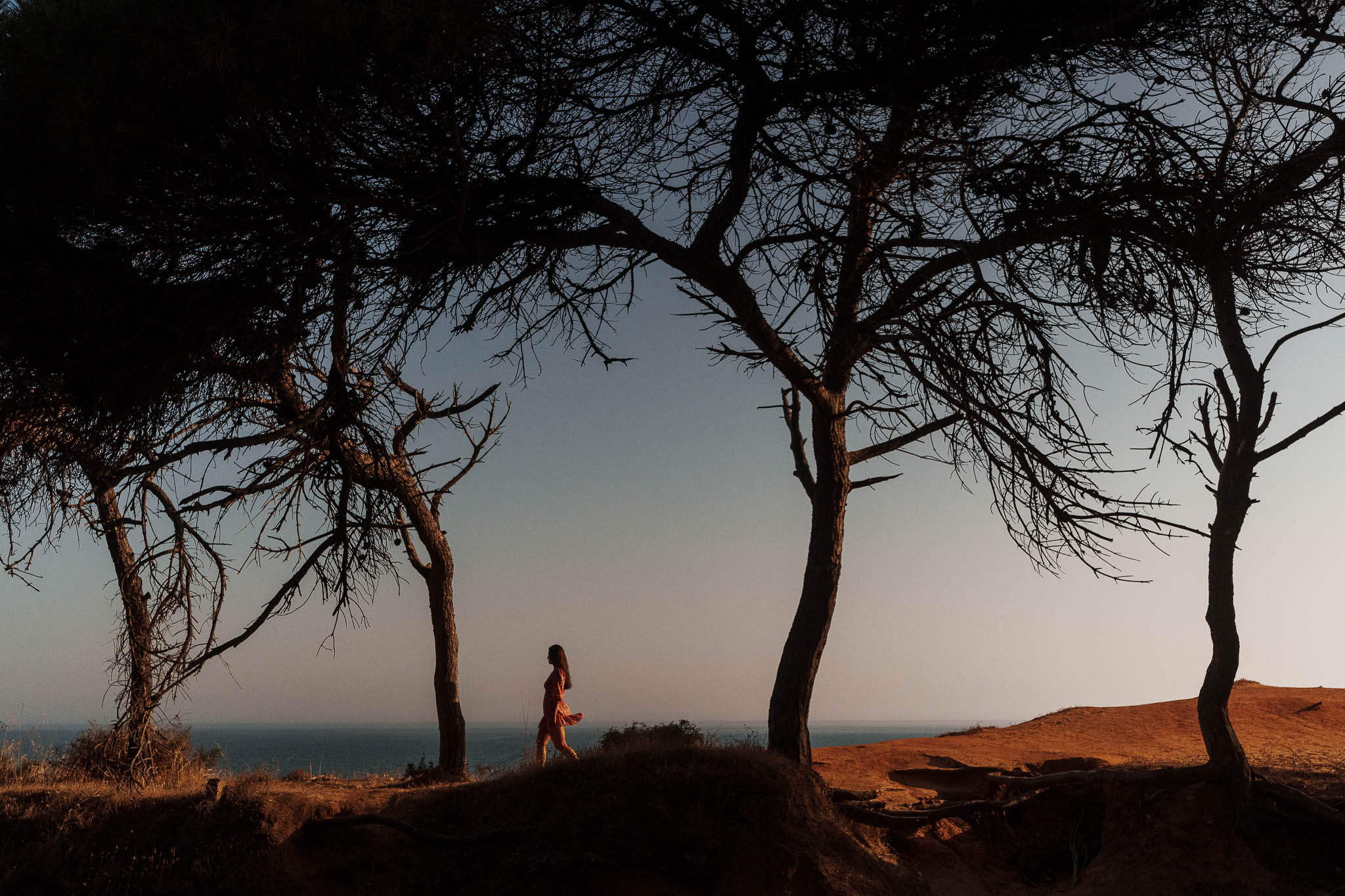
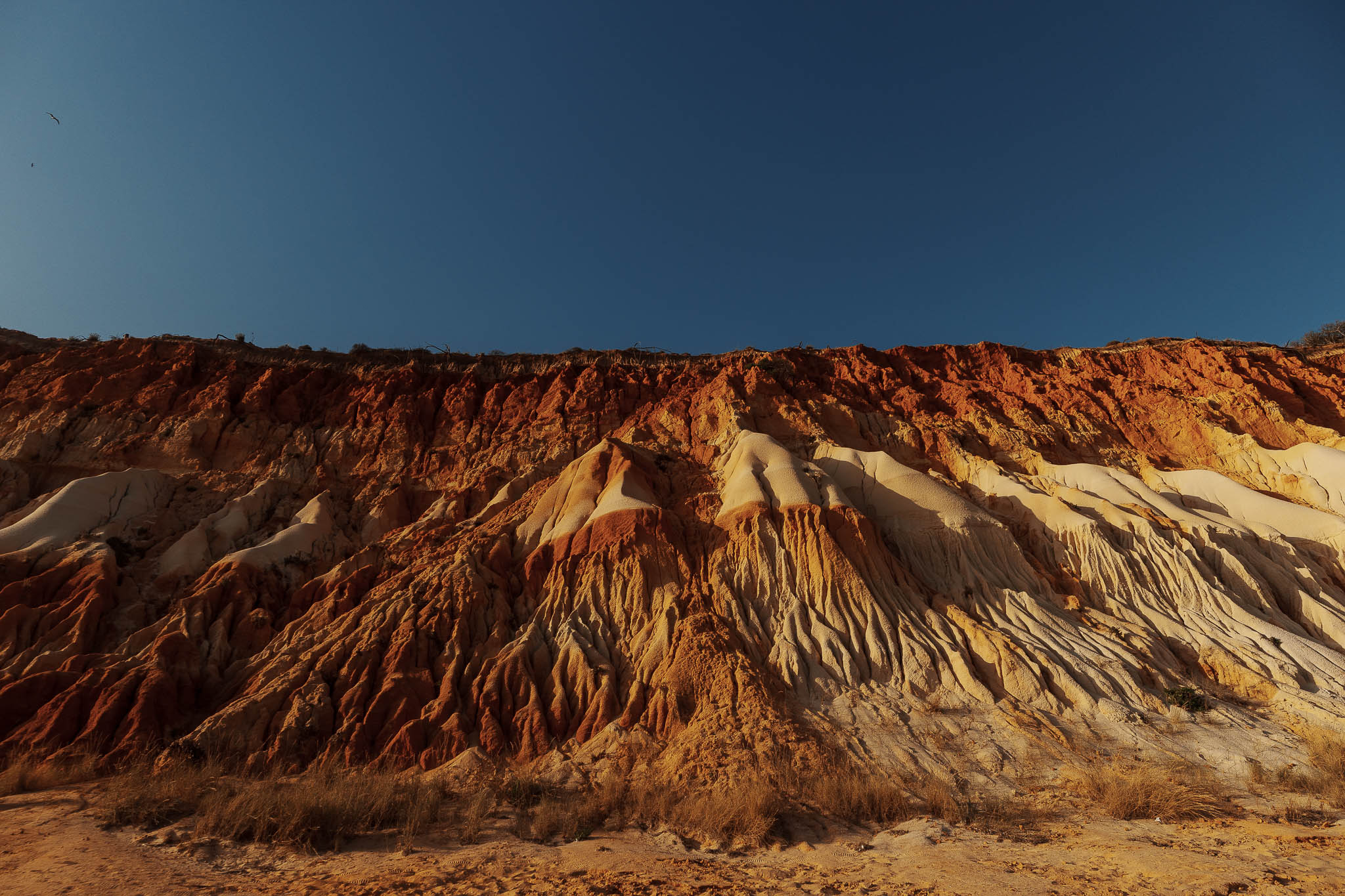
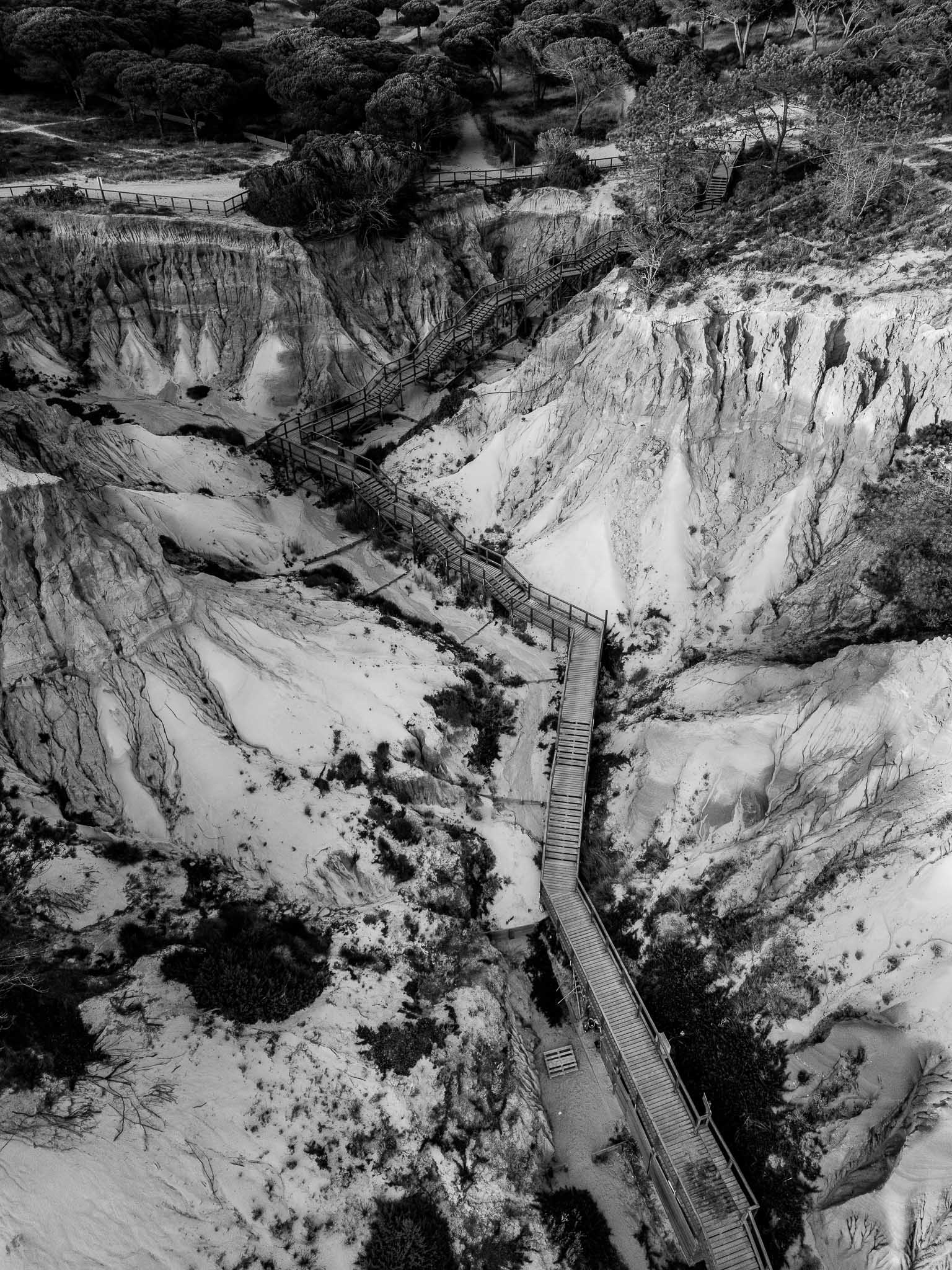
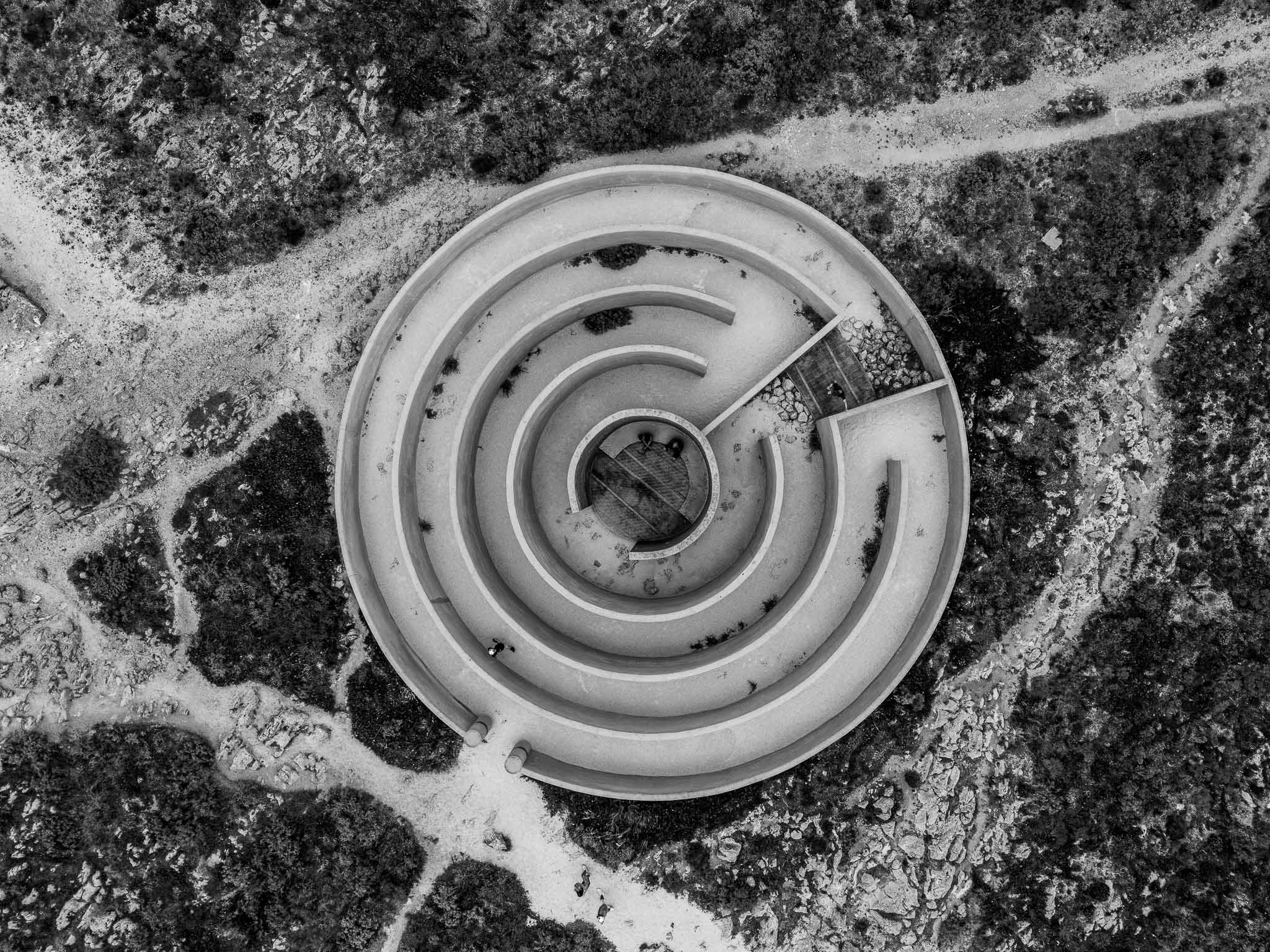
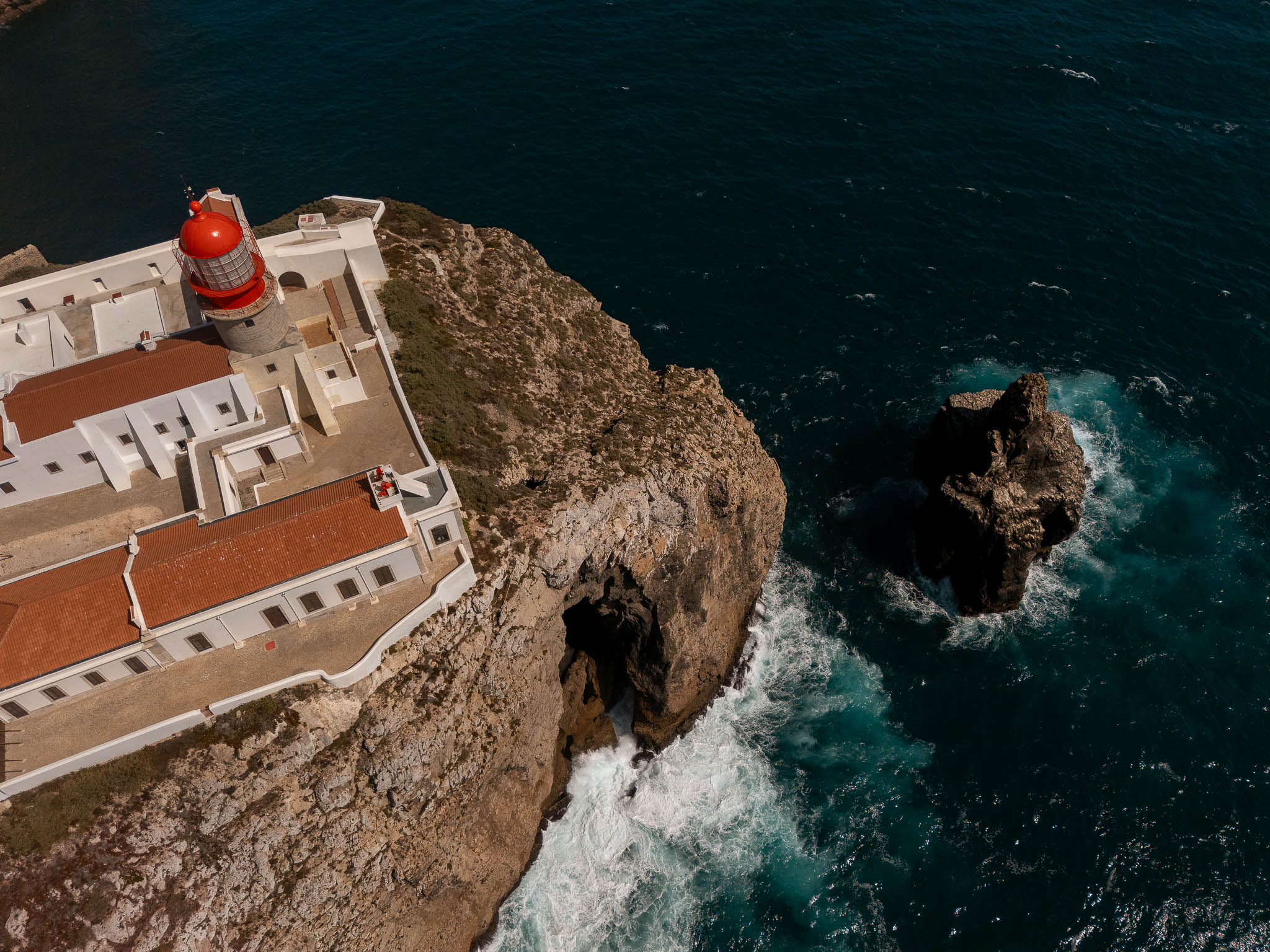
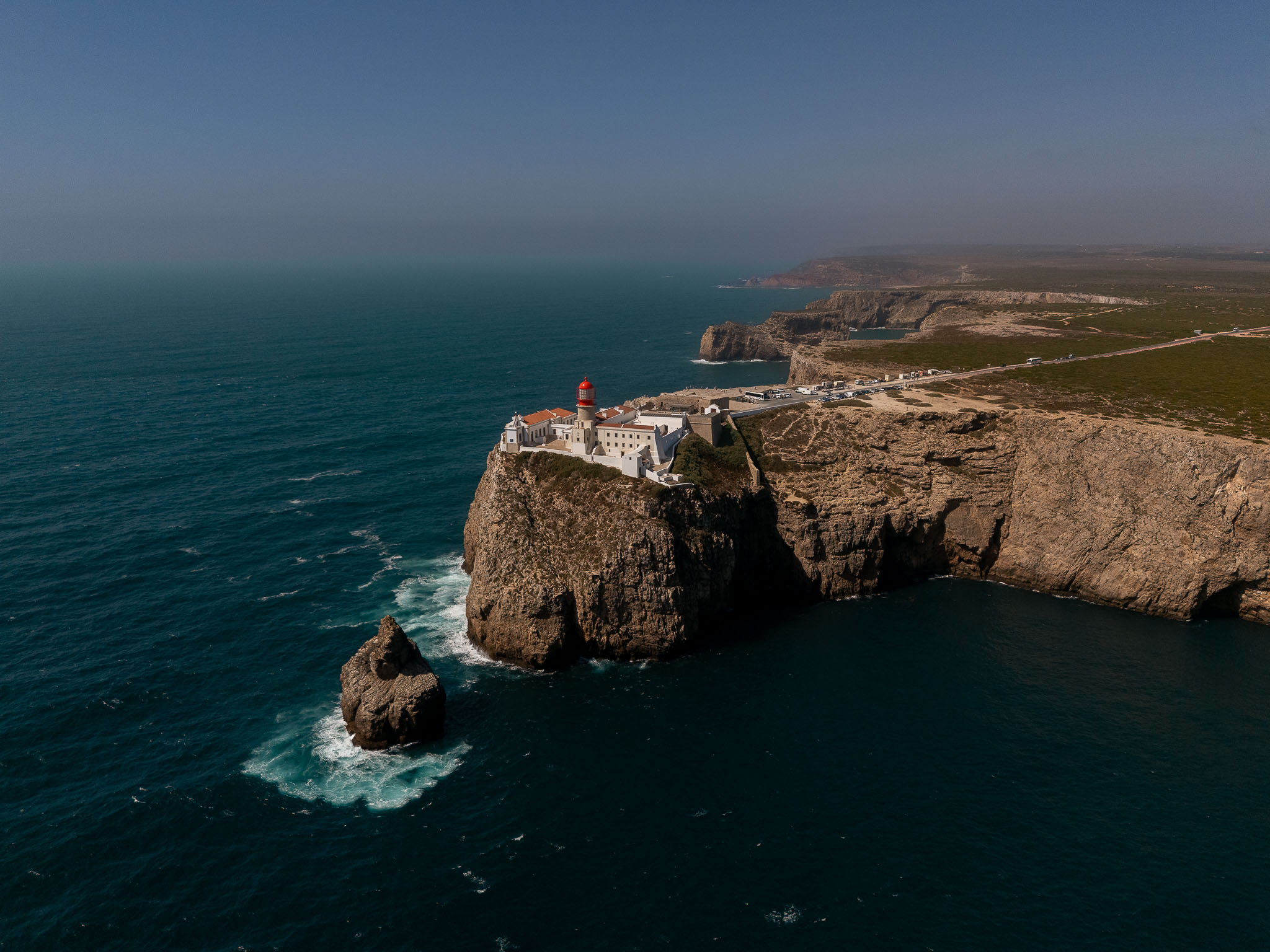
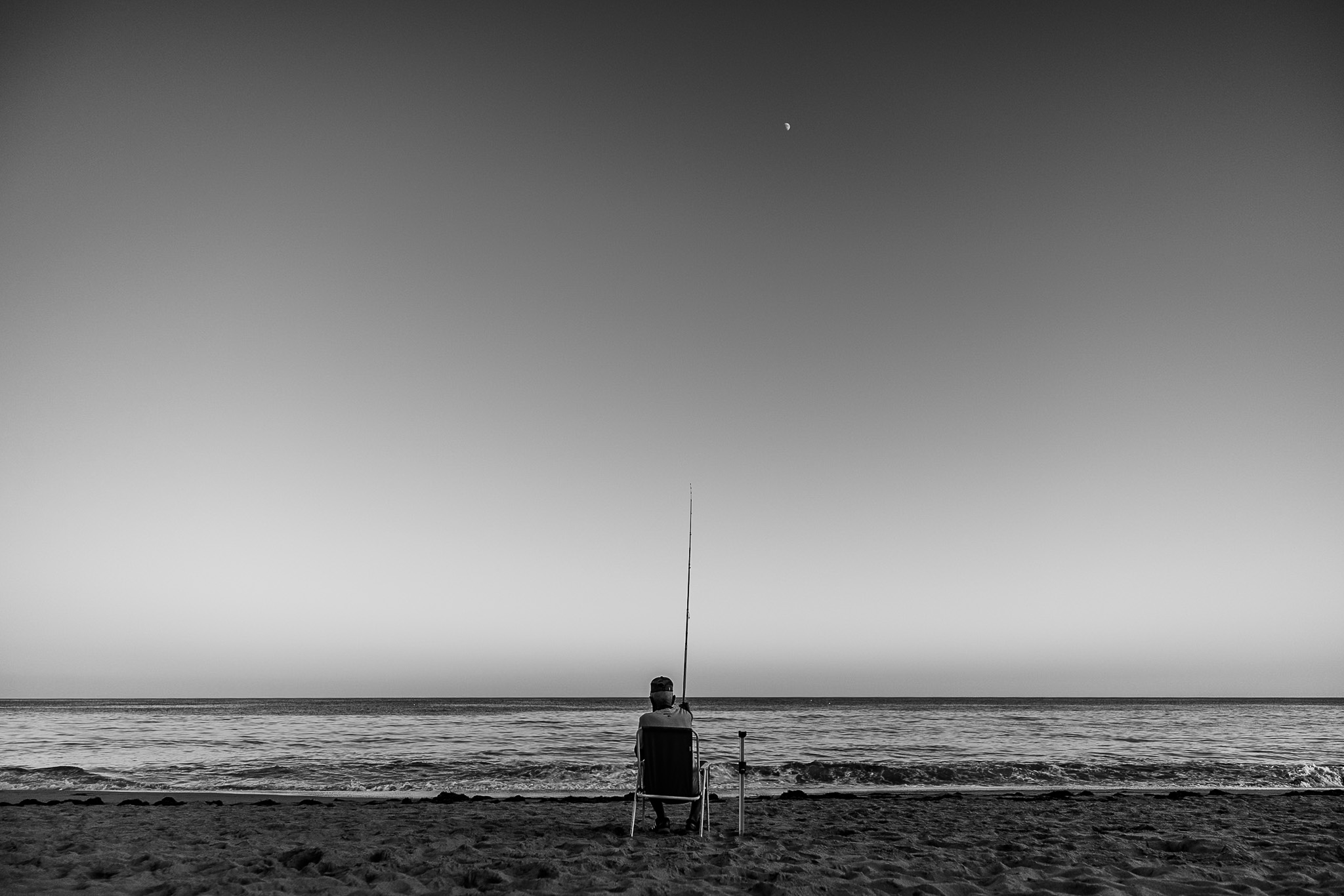
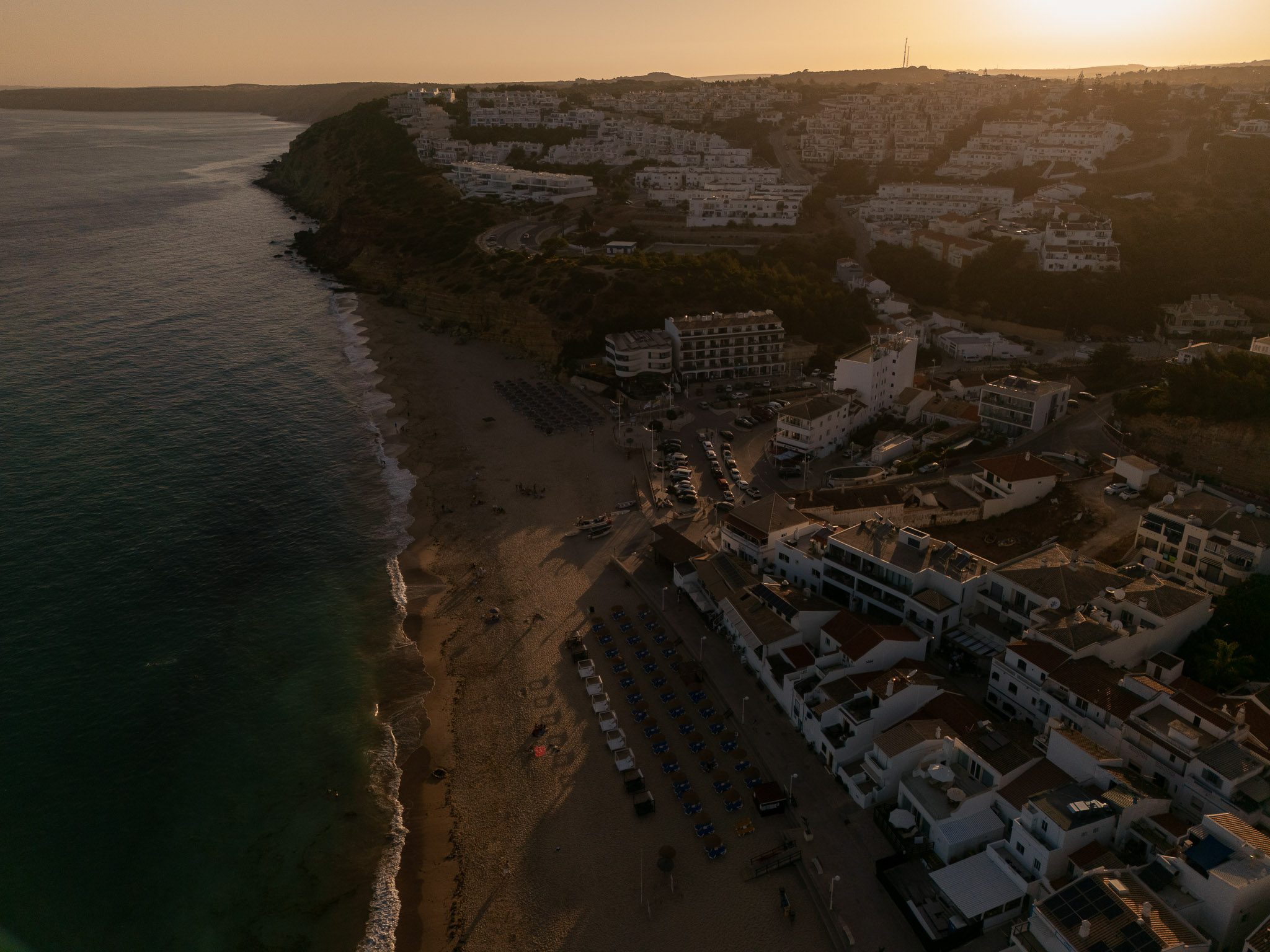
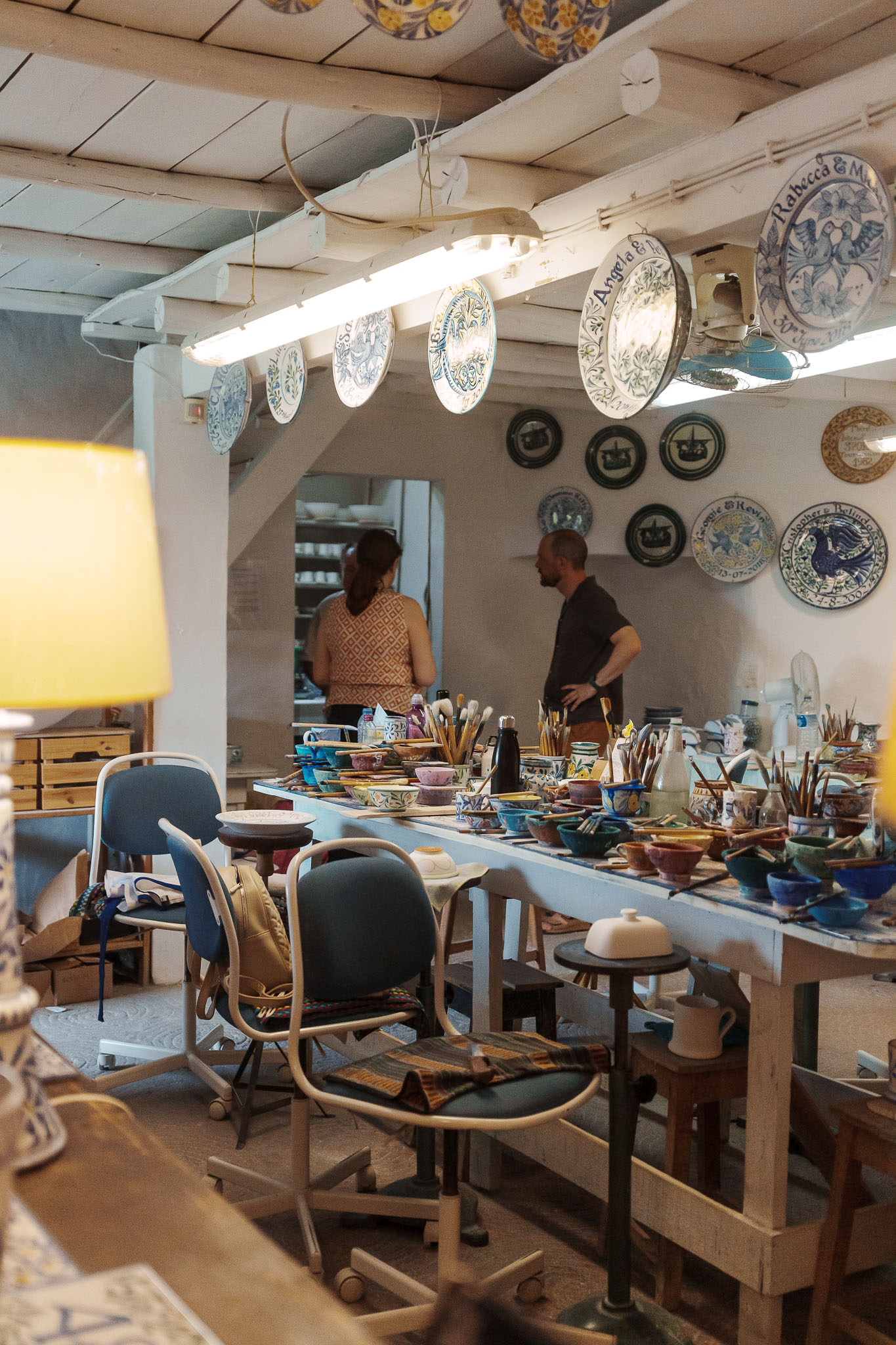
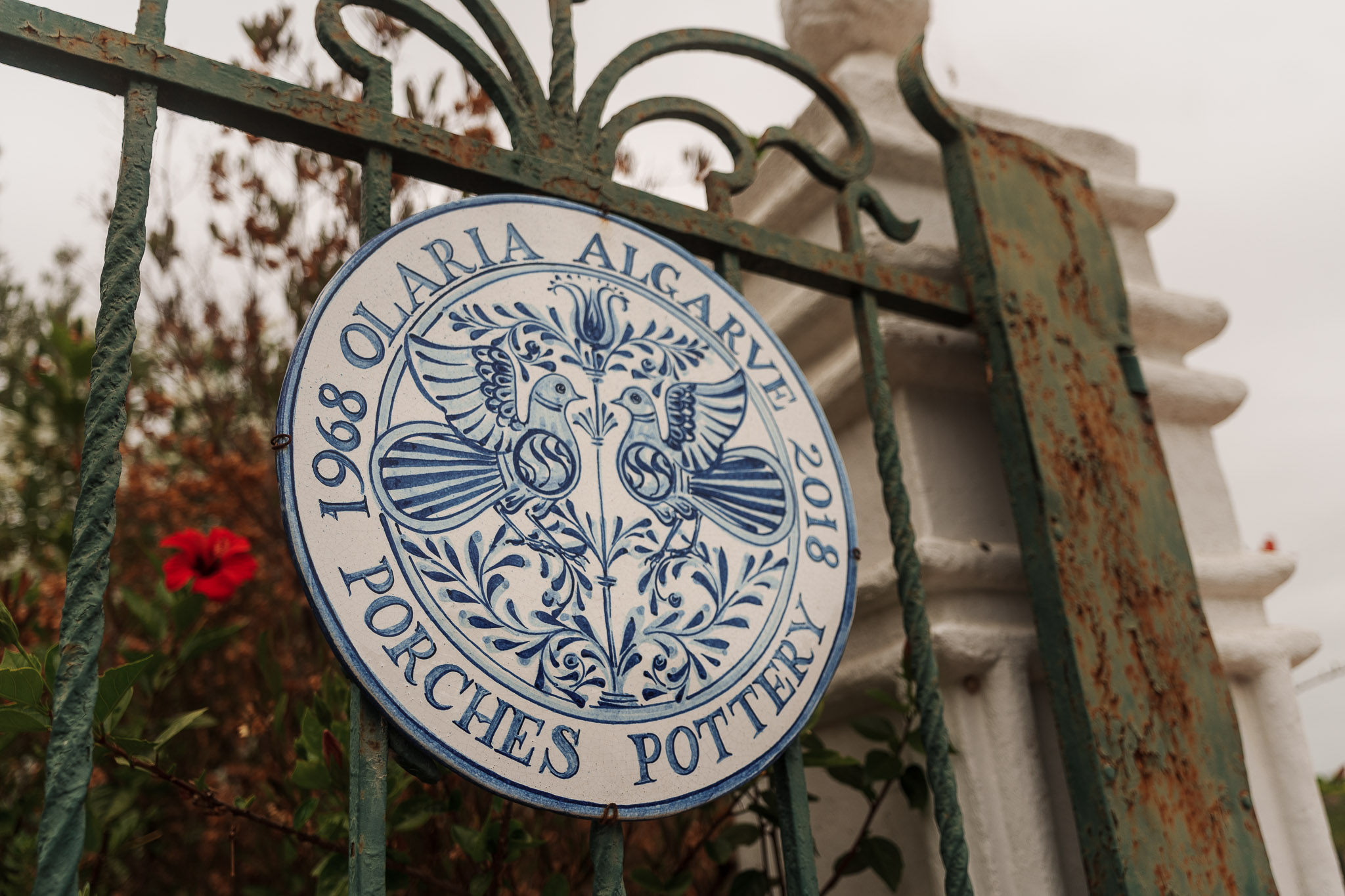
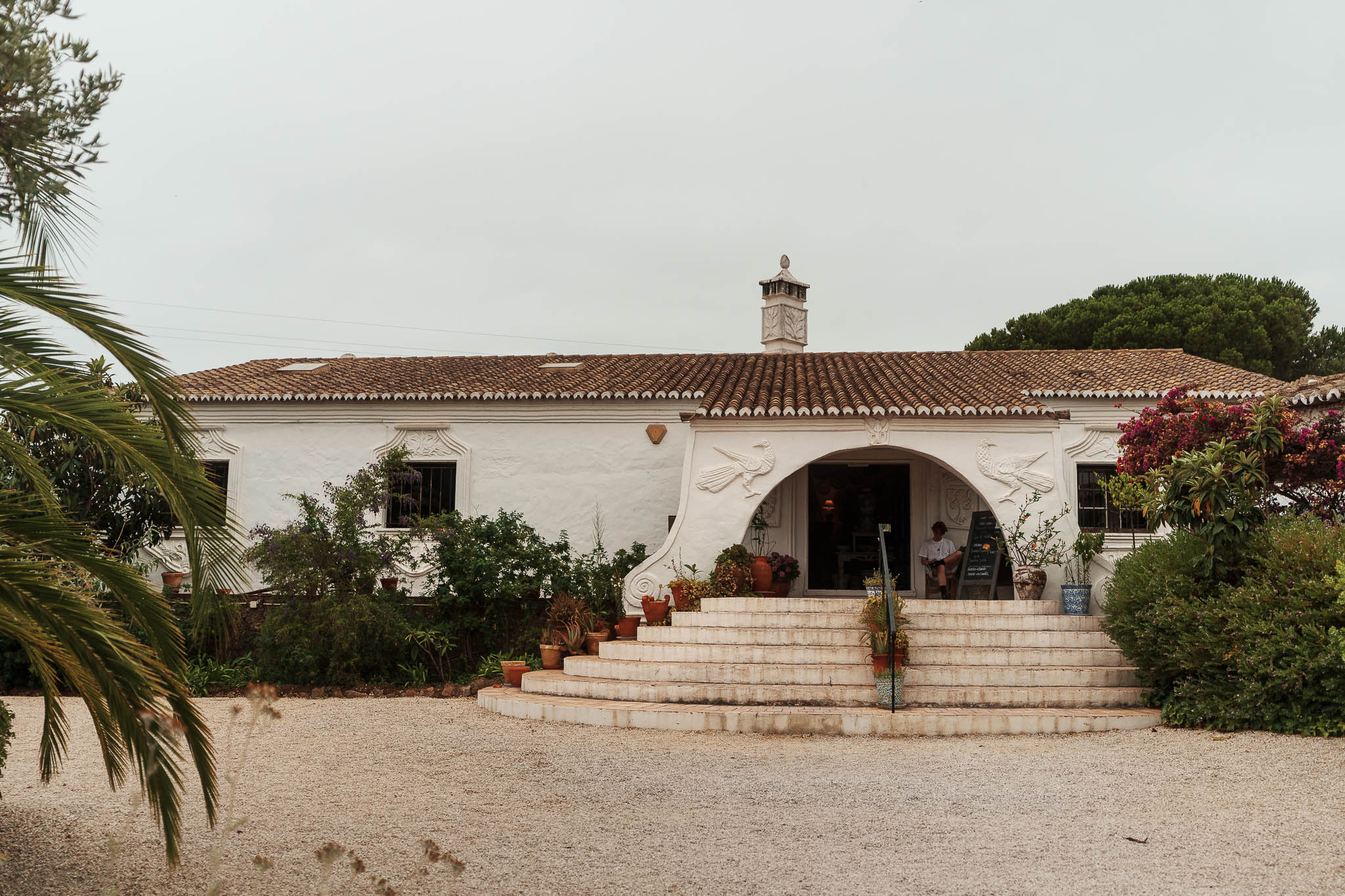
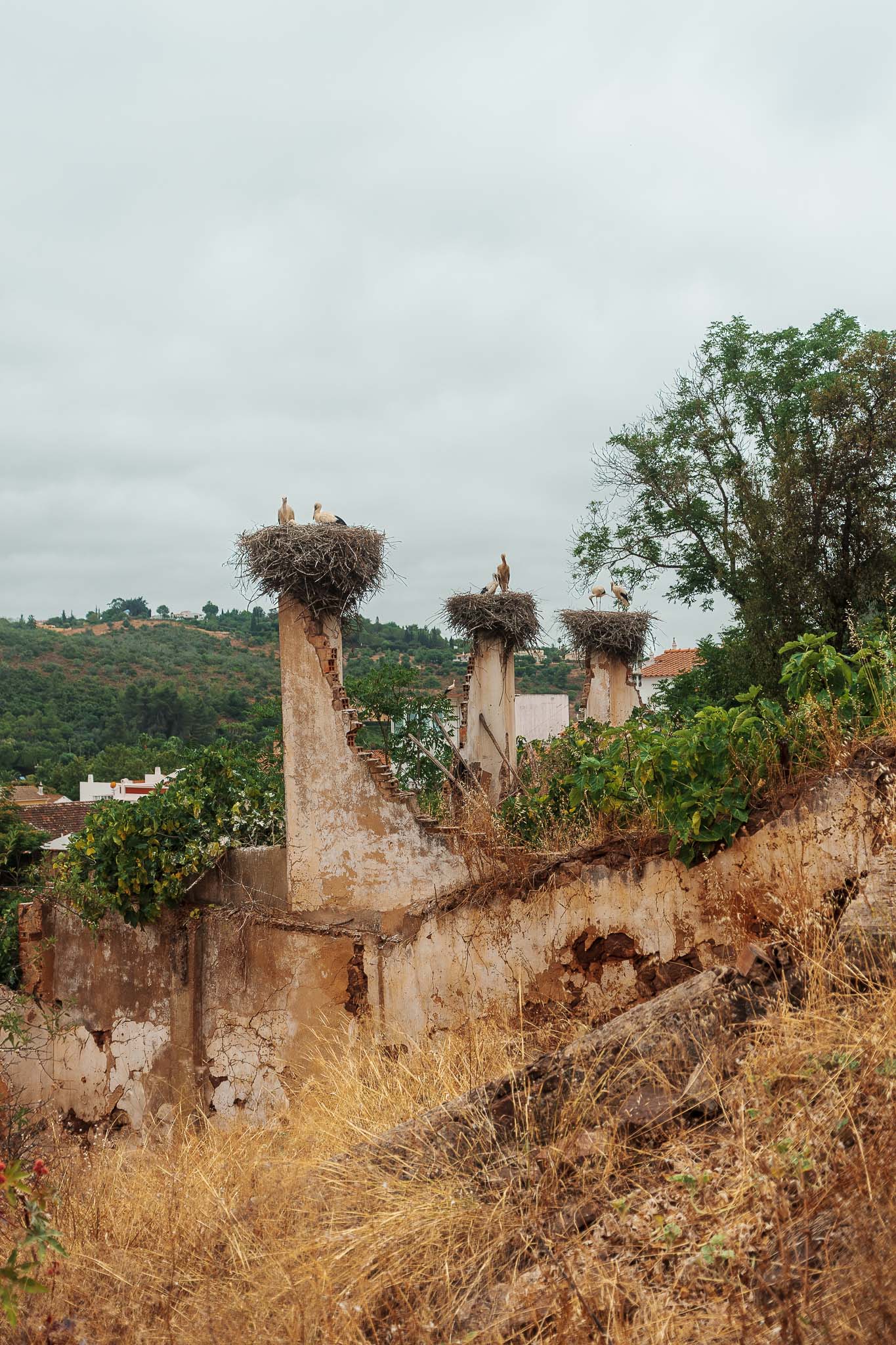
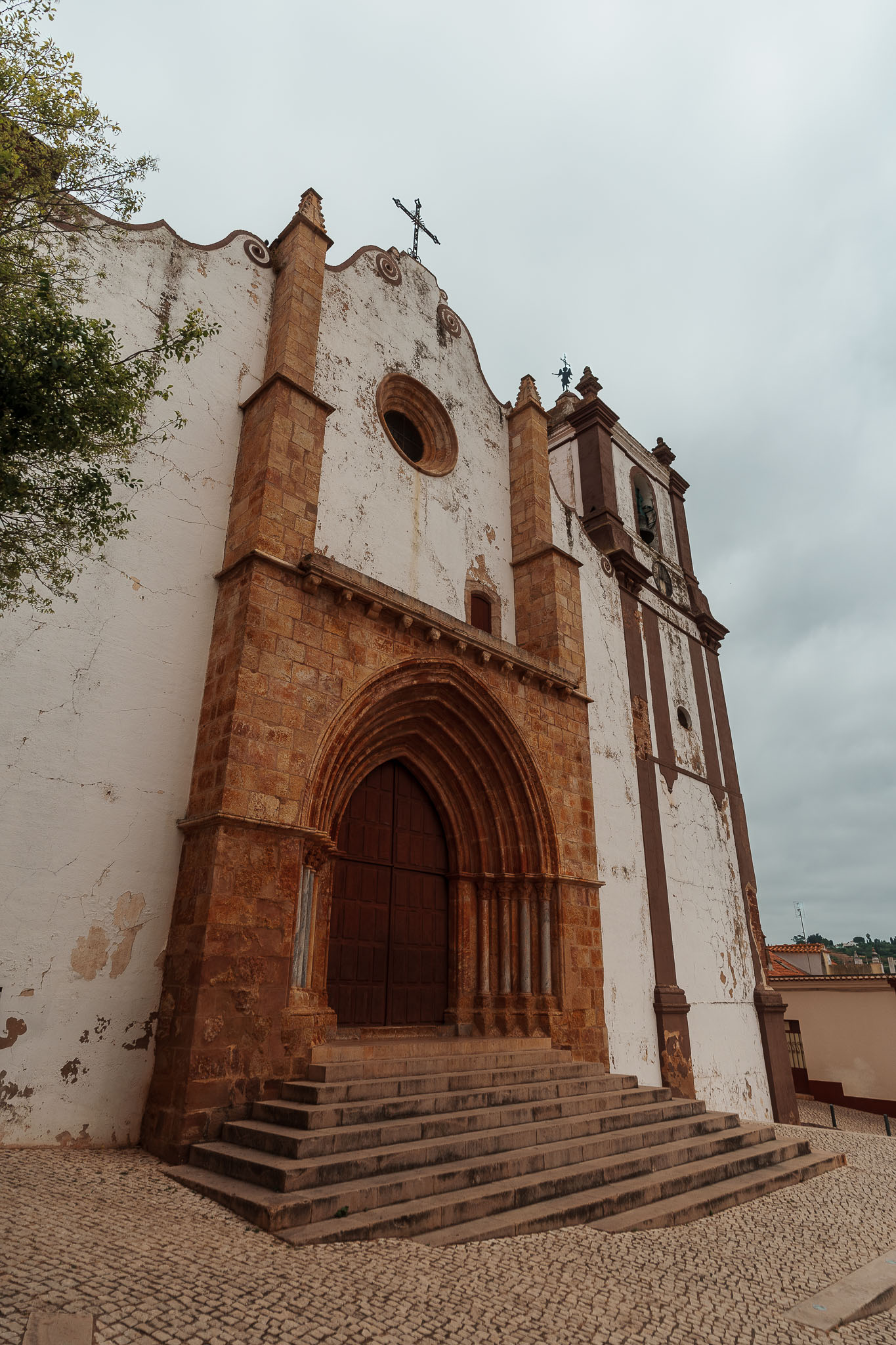
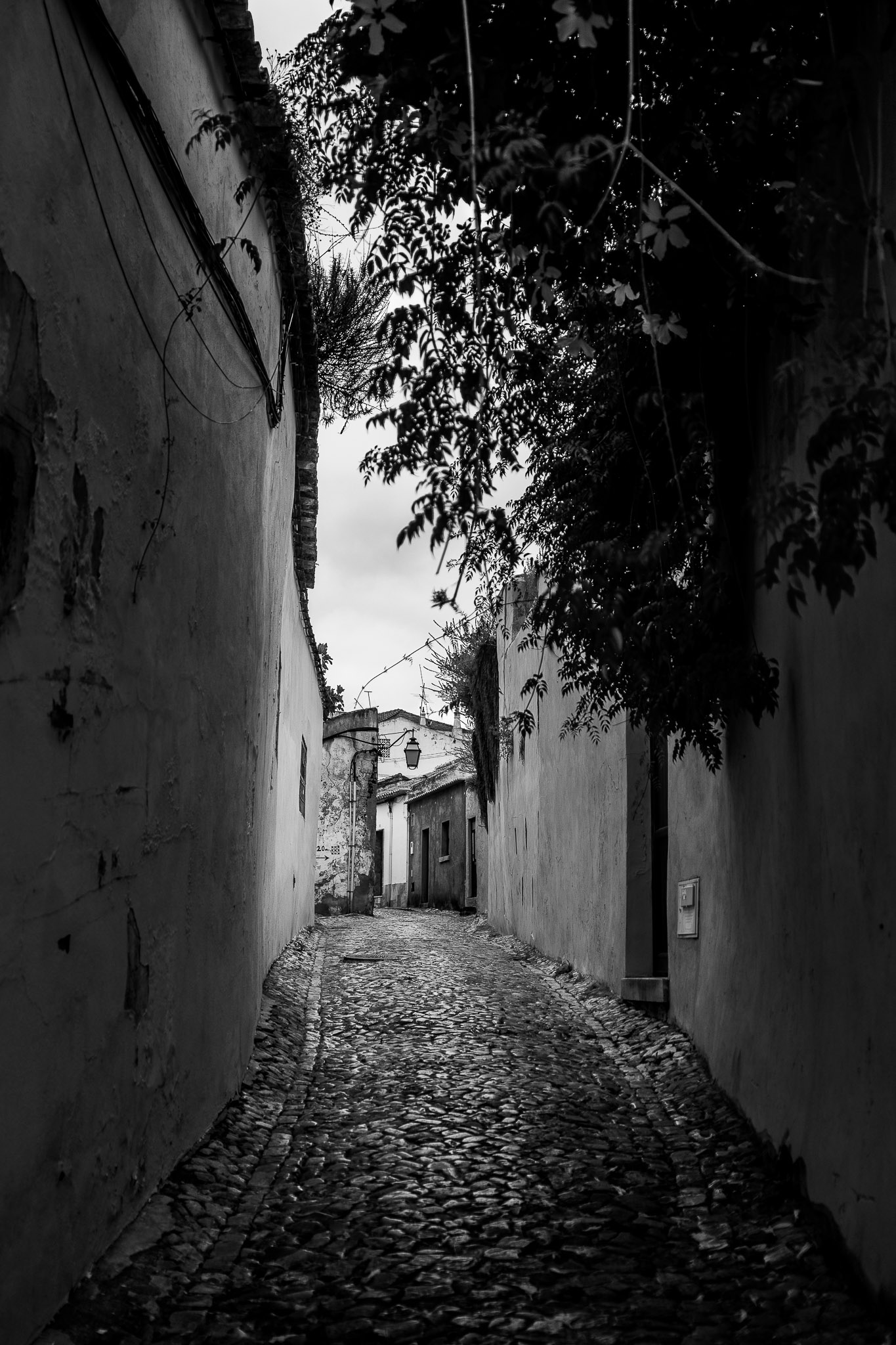
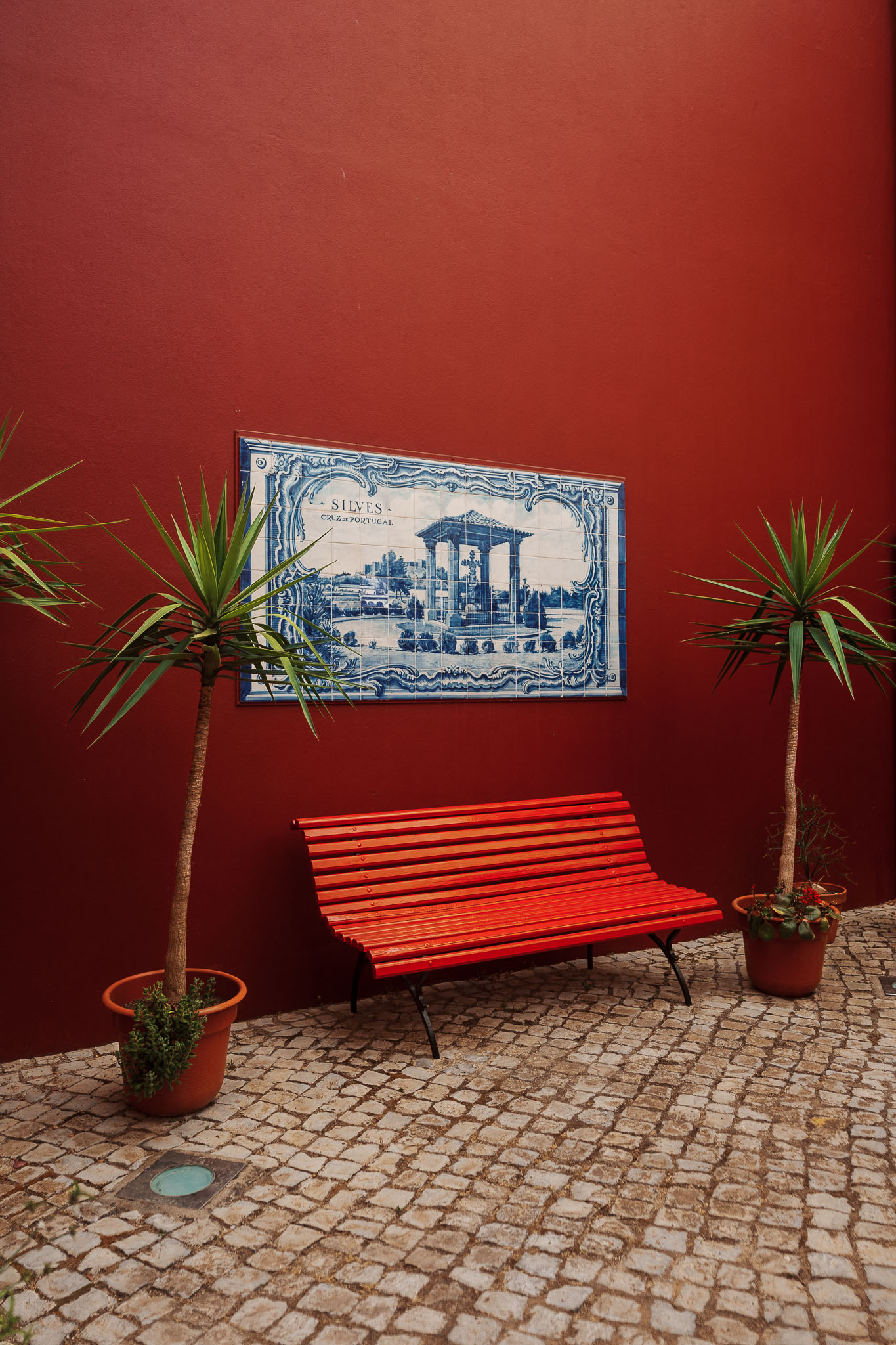
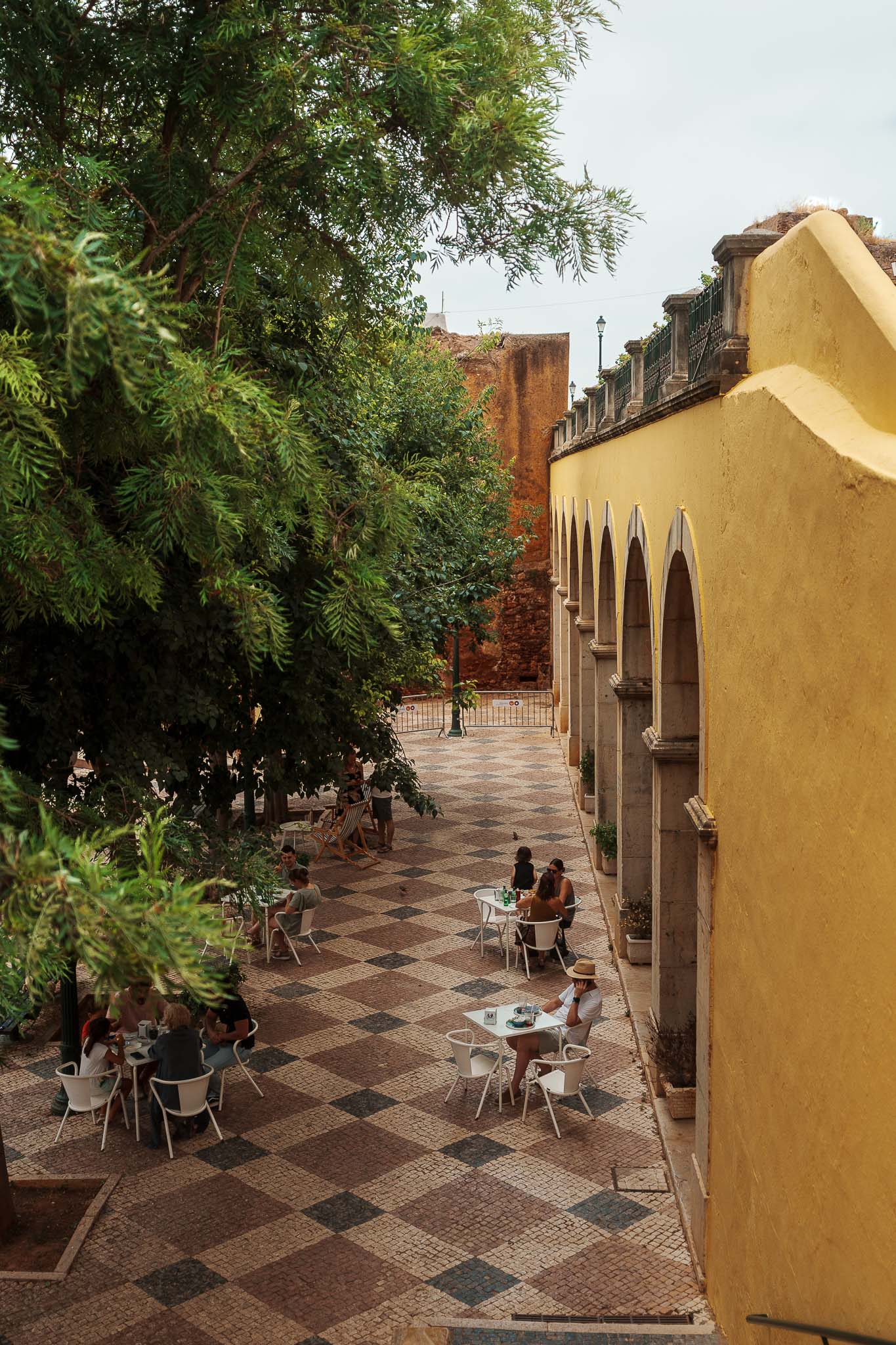
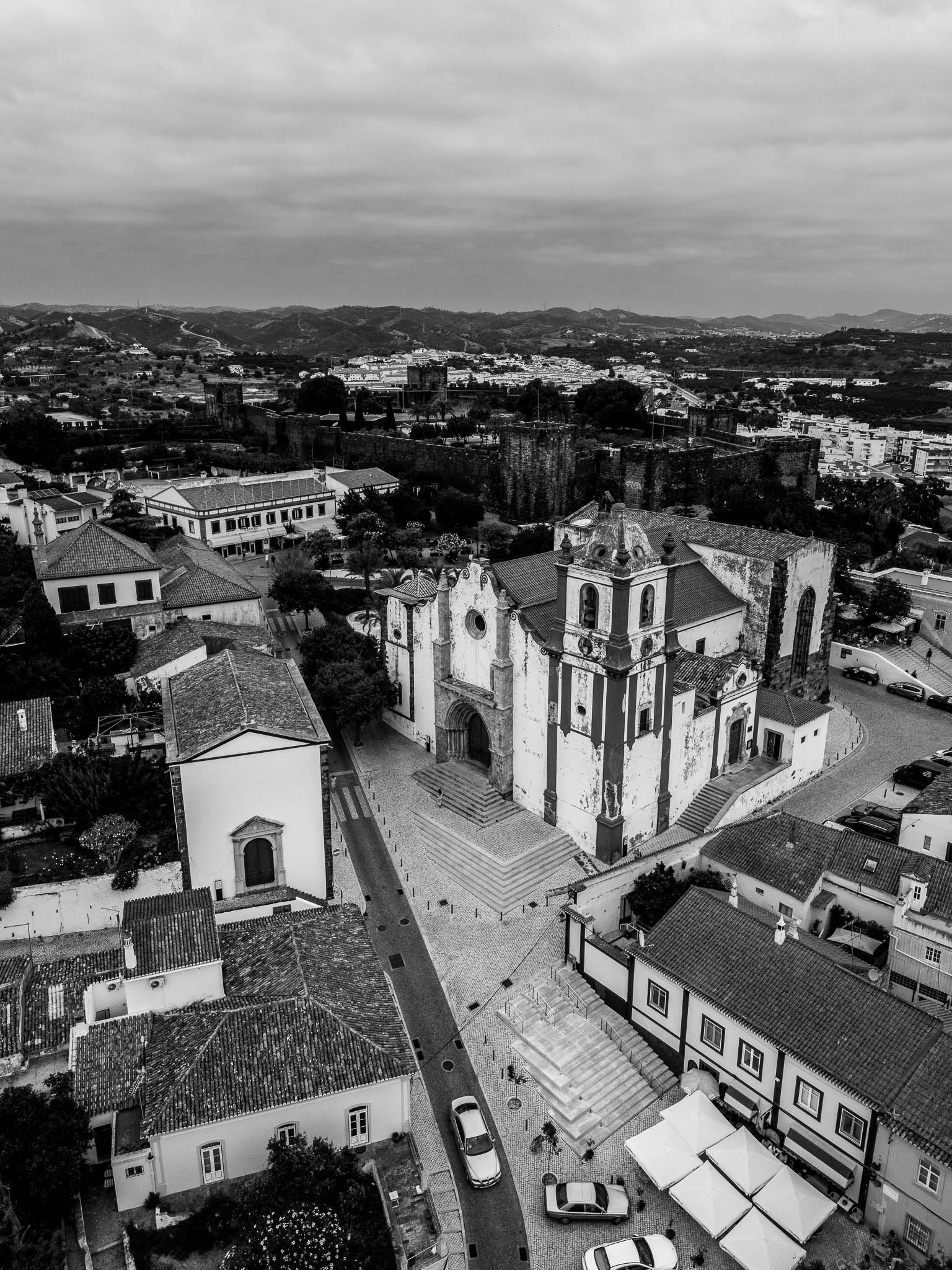
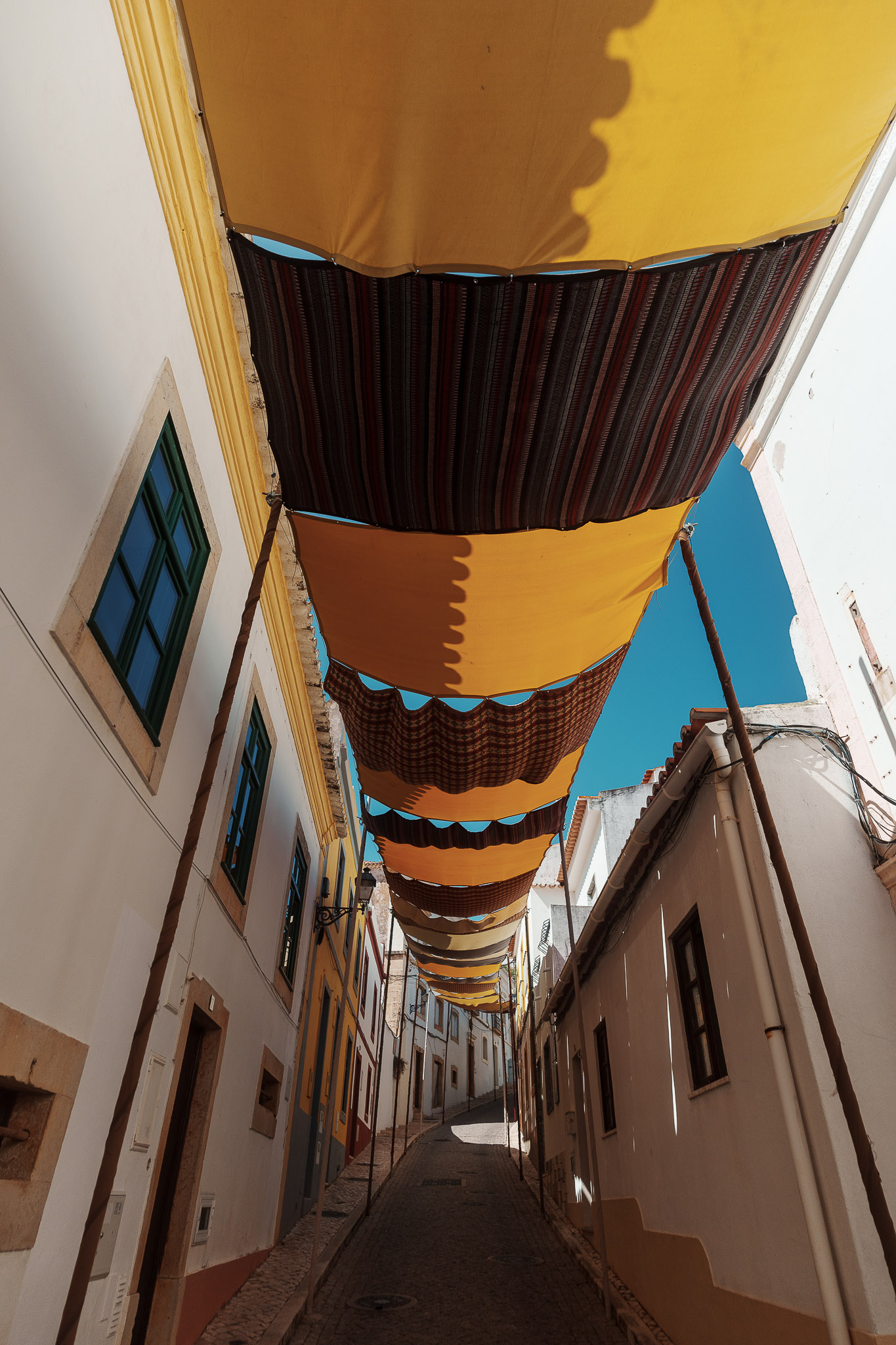
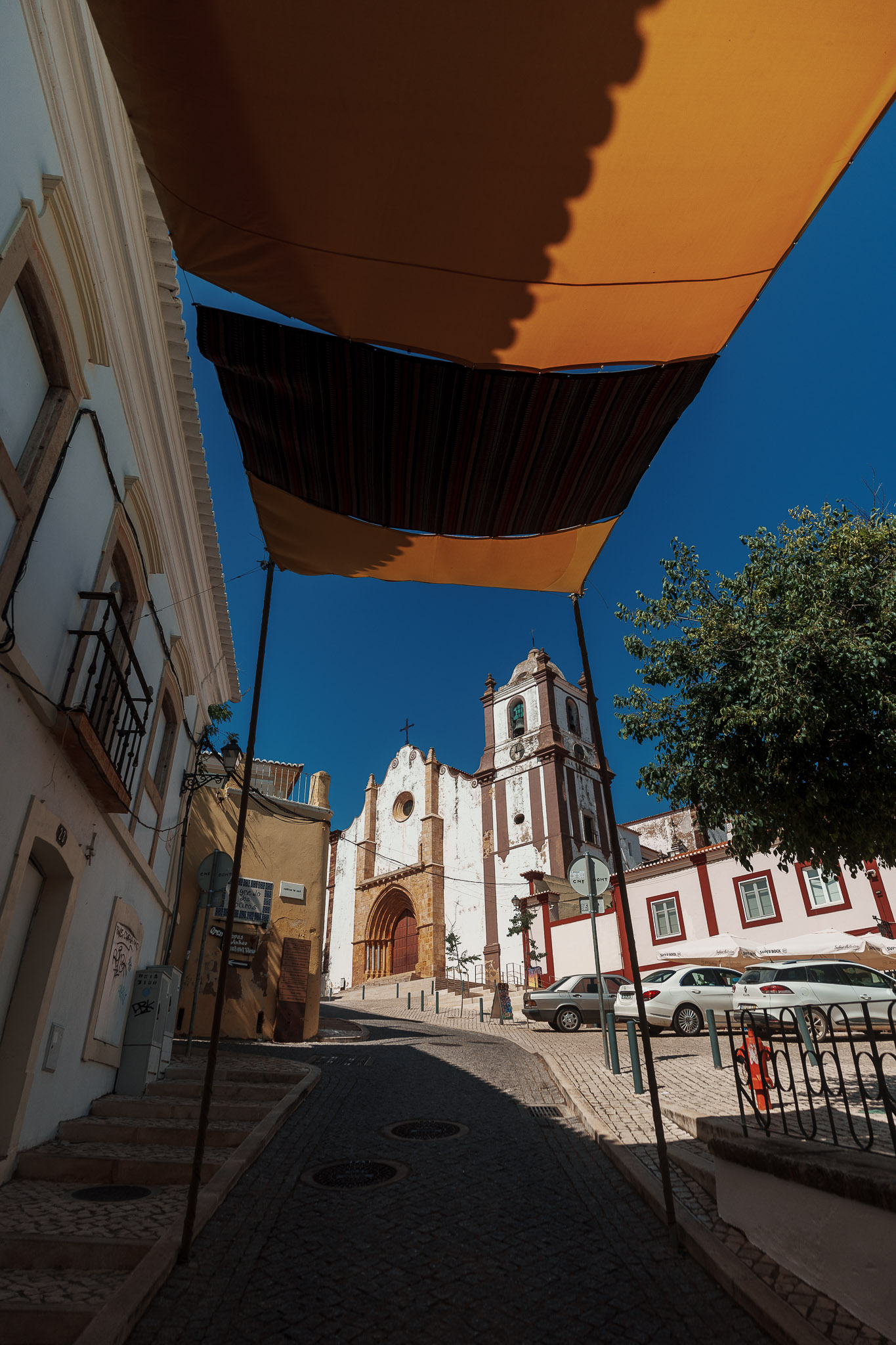
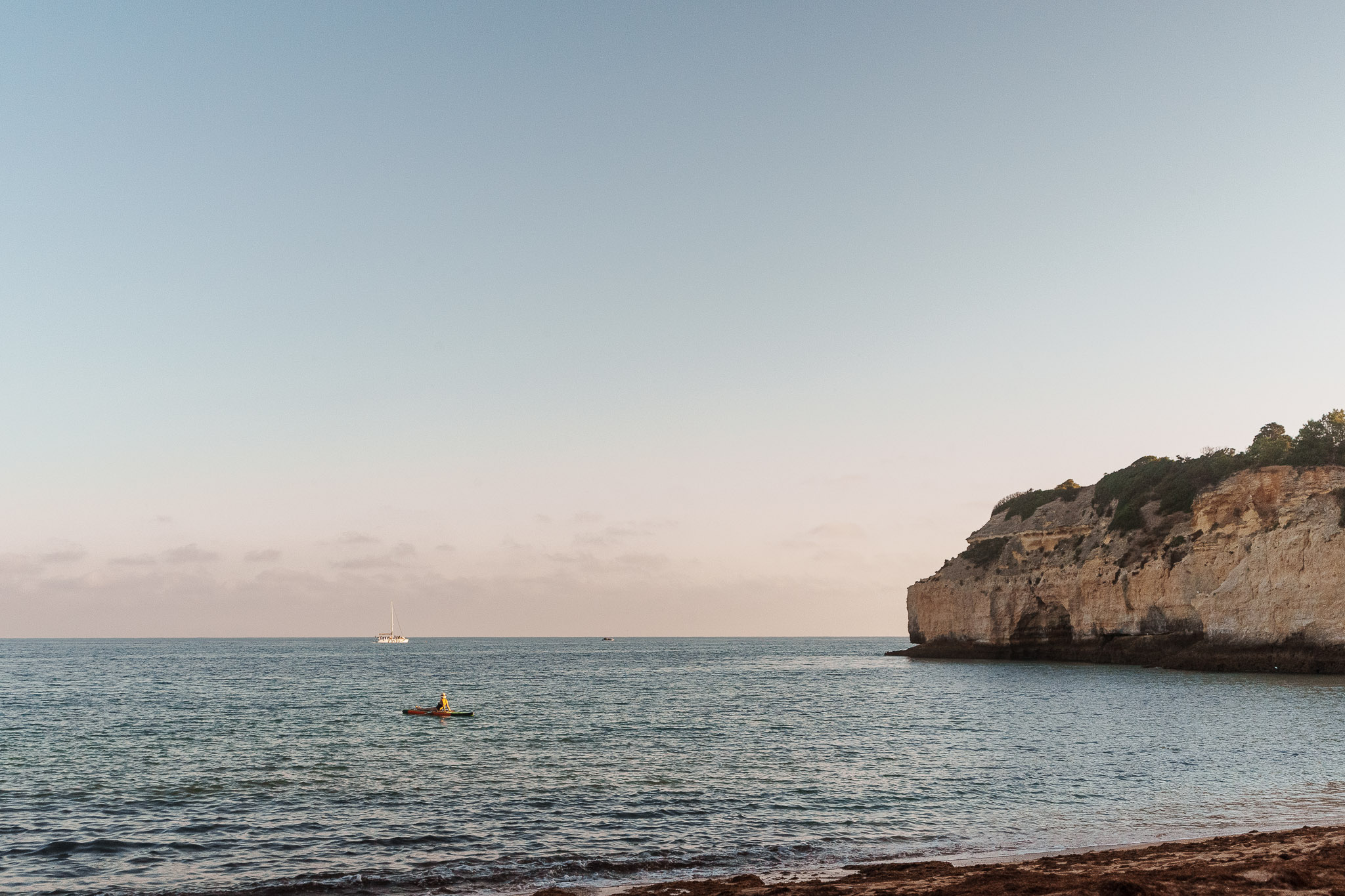
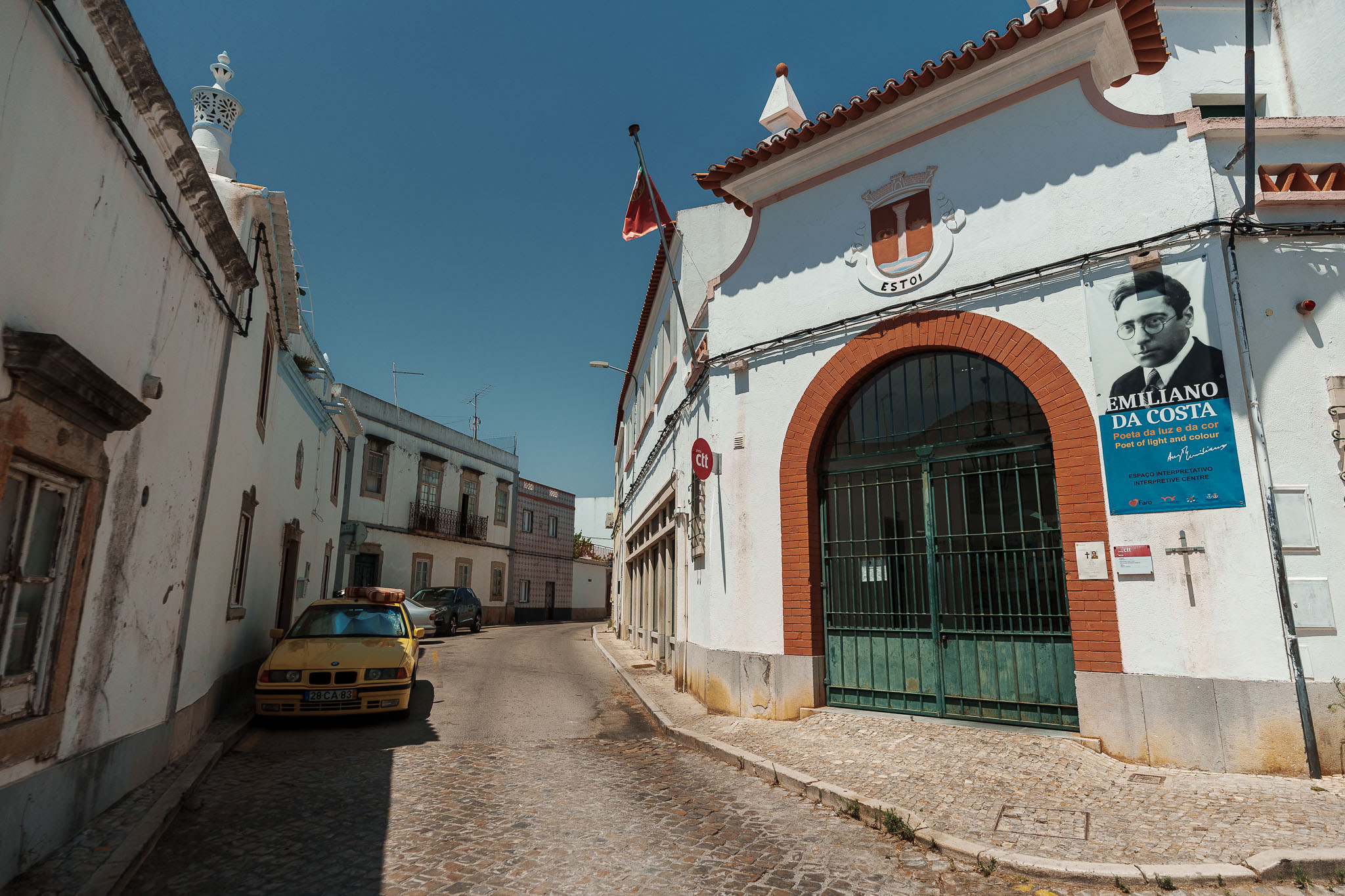
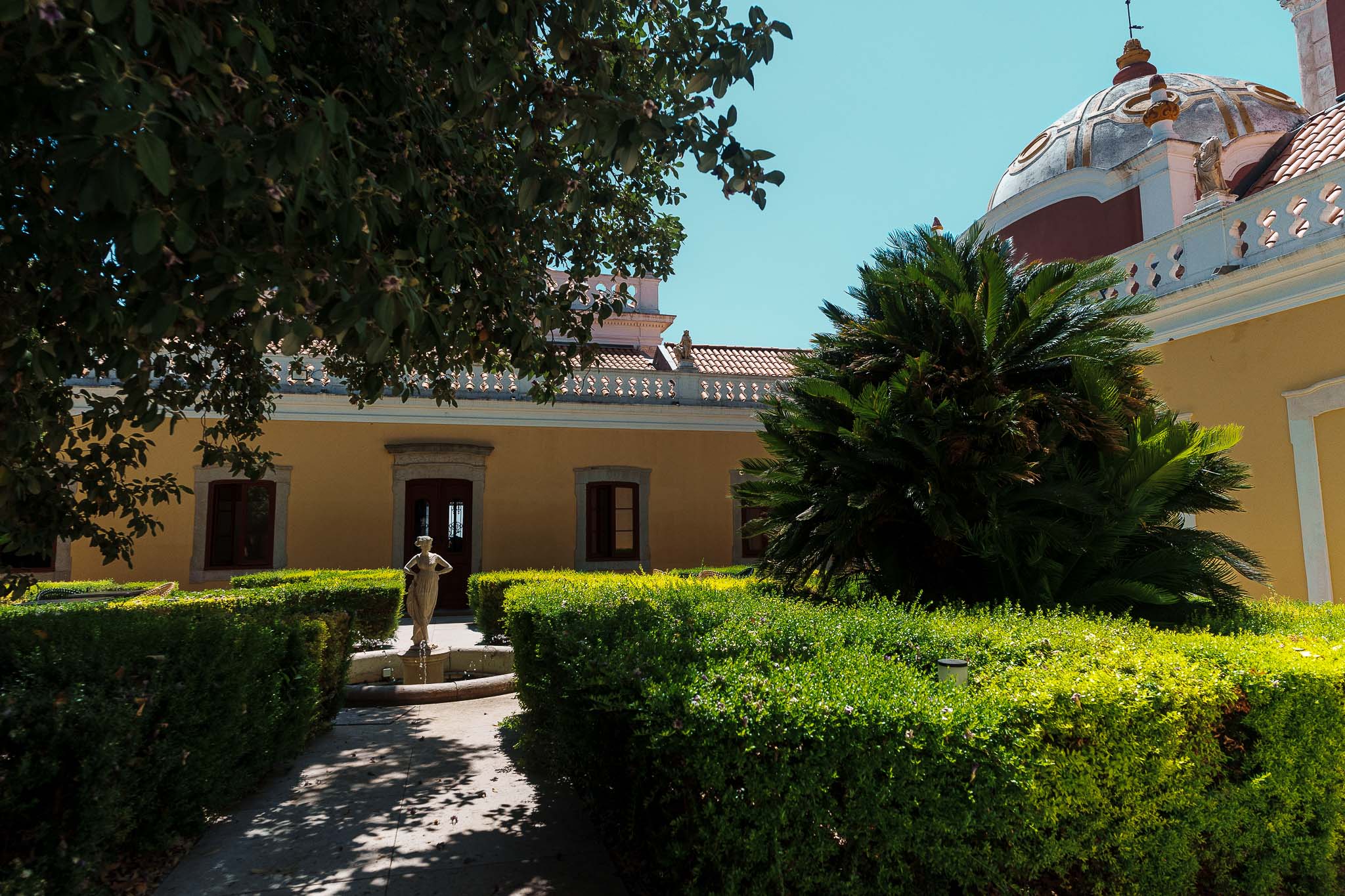
The Algarve felt like a place built to let a man breathe again. Sunlight everywhere, clean and unhurried, warming the parts of me that had gone numb. People moved with a kind of quiet confidence there, as if life didn’t need to be wrestled into shape, just lived. I walked the cliffs and listened to the Atlantic breathe, its slow, steady rhythm, a sound that made the world feel simple for a moment.
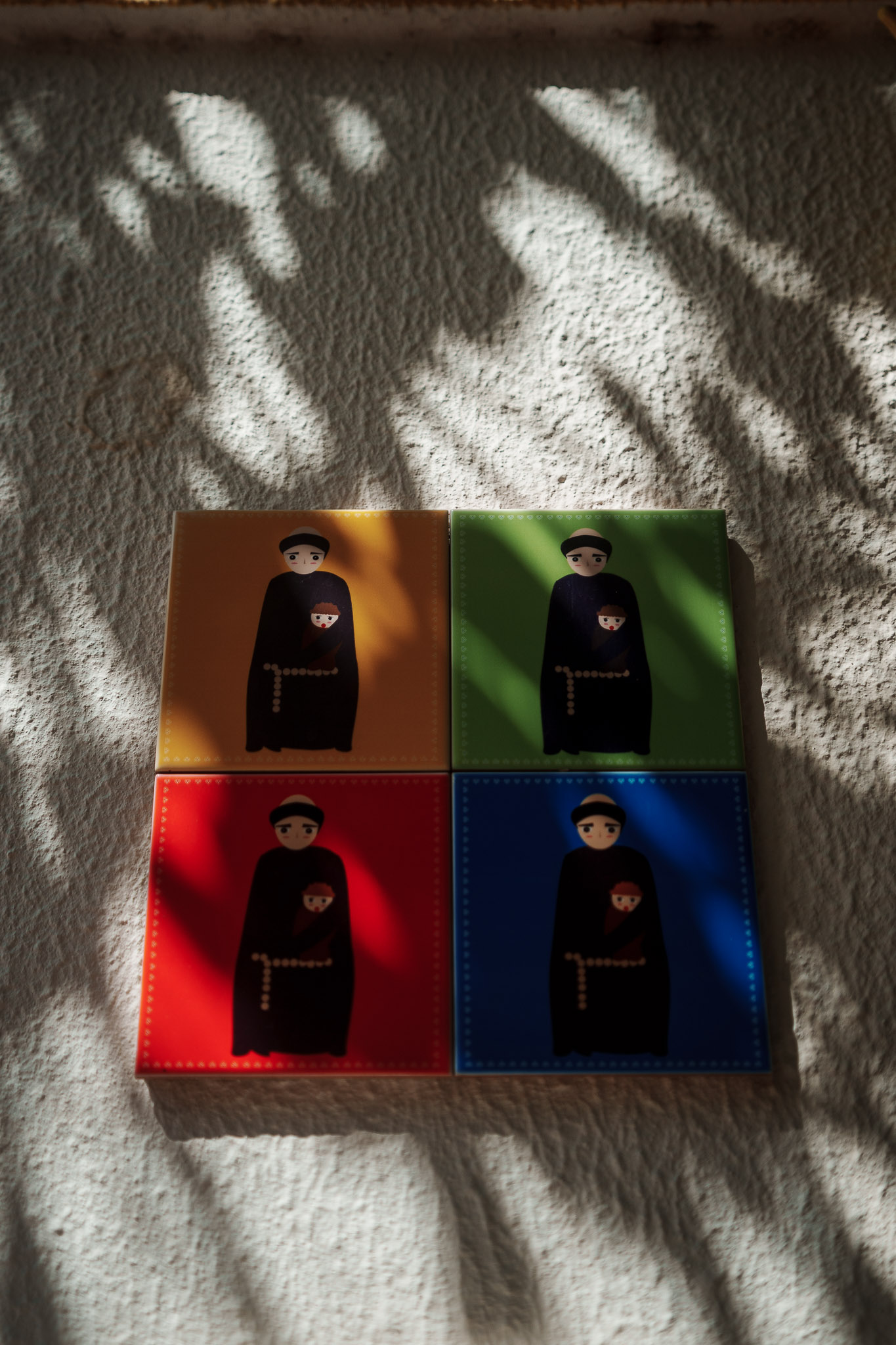
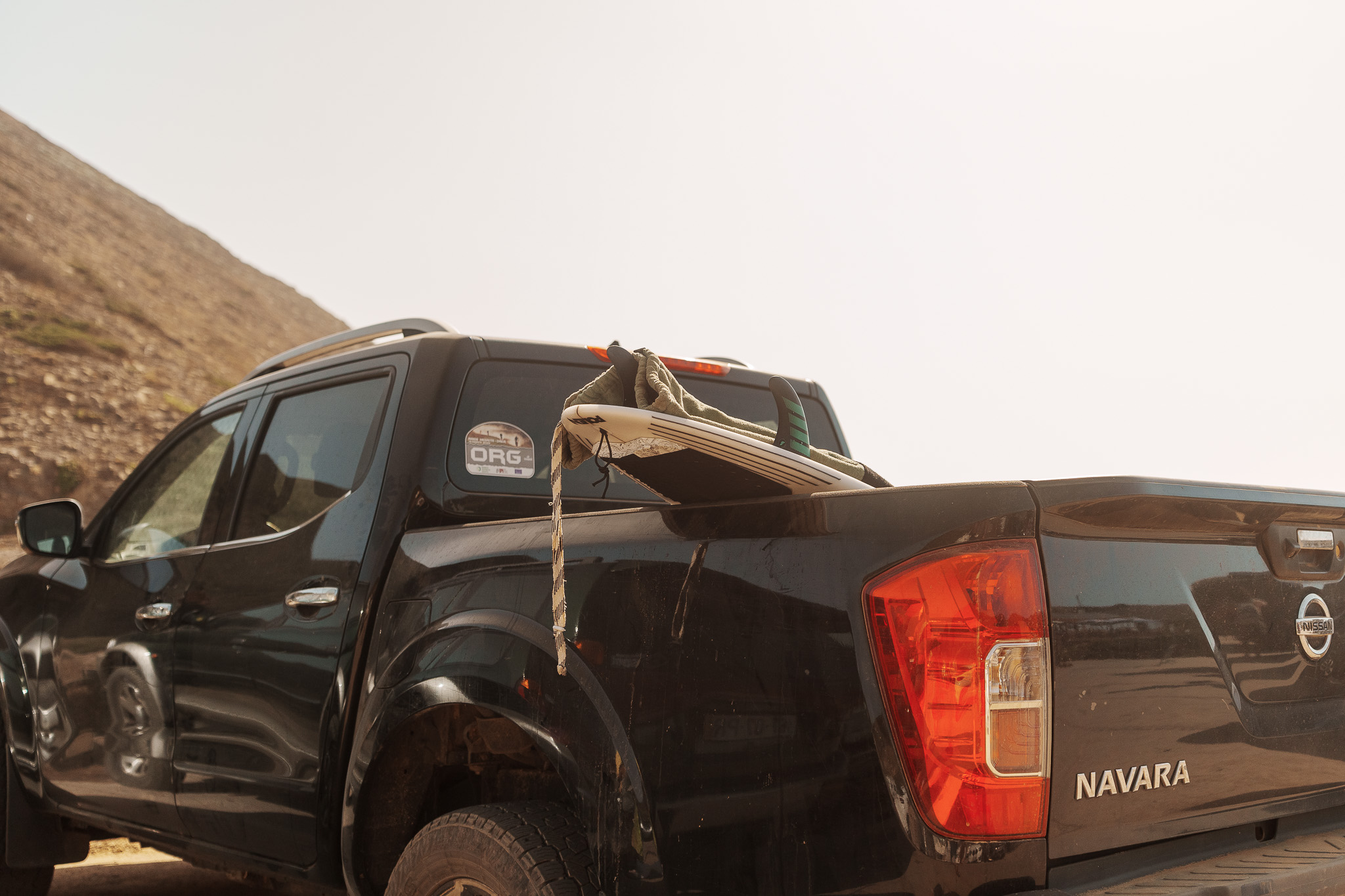
Days slipped past in warm colours, long drives with no destination except the horizon, surfers carving bright lines into the water, pastel de nata still warm in my hands. Even the chaos at the airport felt distant, like noise from another life that no longer had the power to reach me.
There were moments floating on the water when my edges blurred, but not in the old, frightening way, more like the sea was sanding down the sharp corners, reminding me I was still human, still here. Something in that place held me gently, without questions or judgement.
I left with salt on my skin and a quiet pull in my ribs, the kind that tells you a place has marked you for good. I know I’ll return. Some places you don’t visit once; they wait for you.
Algarve було схоже на місце, створене для того, щоб людина змогла знову дихати. Сонце повсюди, чисте, неквапливе, зігрівало ті частини, що давно оніміли. Люди рухалися з тихою впевненістю, ніби життя не треба ламати через коліно, його просто треба жити. Я йшов уздовж урвищ і слухав, як дихає Атлантика, повільно, рівно, так, що світ на мить здавався простішим.
Дні спливали в теплих тонах: довгі поїздки без мети, окрім горизонту; серфери, що різали воду яскравими лініями; пастел-де-ната, ще тепла у моїх руках. Навіть хаос в аеропорту здавався далеким, немов шум із іншого життя, яке вже не має влади наді мною.
Були моменти, коли я дрейфував у воді й мої контури розмивалися, але не в той давній, тривожний спосіб. Навпаки, море ніби згладжувало гострі краї, нагадуючи, що я все ще людина, все ще тут. У цьому місці було щось м’яке й приймаюче, без запитань і без осуду.
Я поїхав із сіллю на шкірі та тихим потягом у грудях, тим, що підказує: місце торкнулося тебе назавжди. Я знаю, що повернуся. Деякі місця не відвідують один раз, вони чекають на тебе.
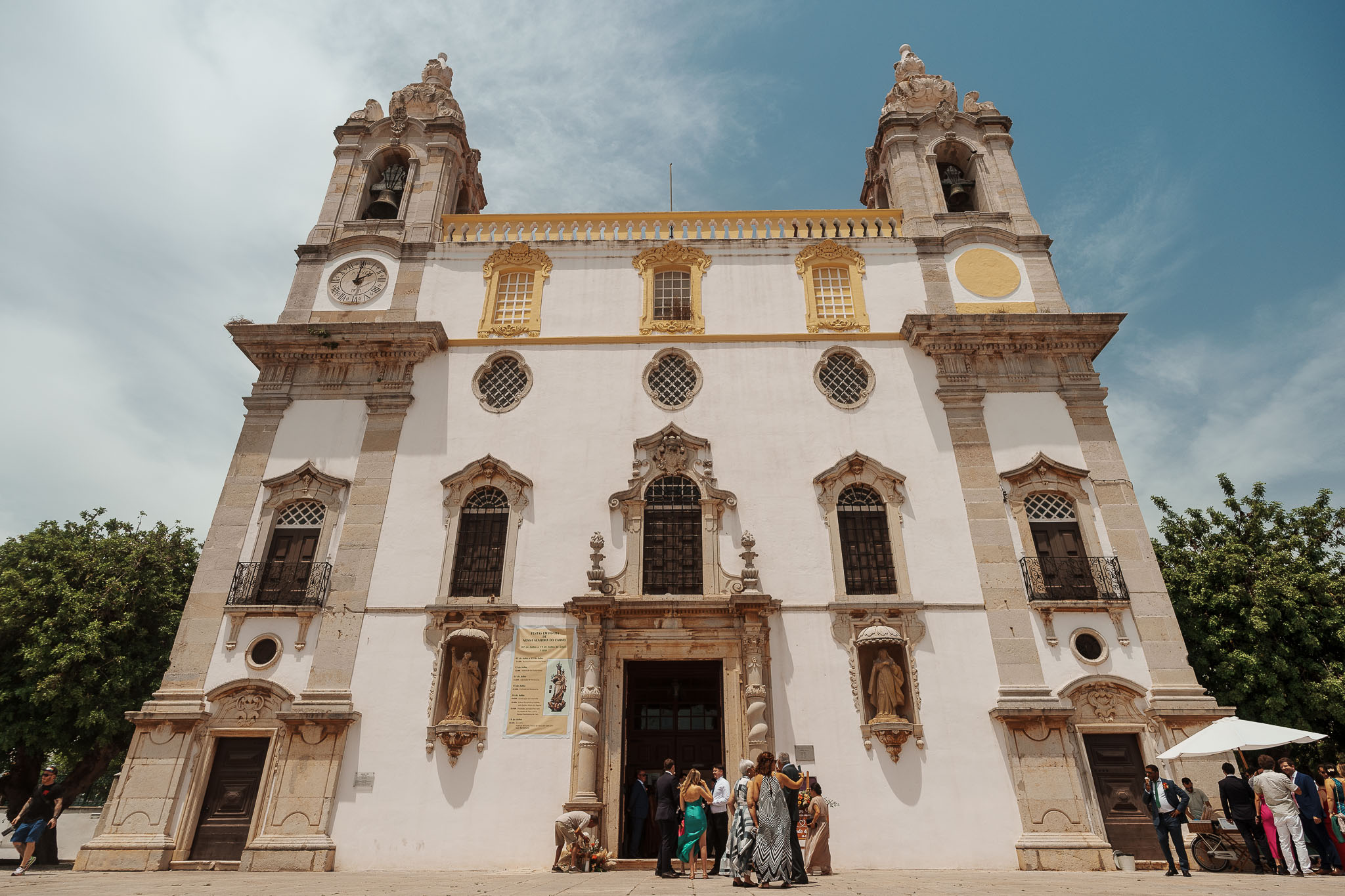
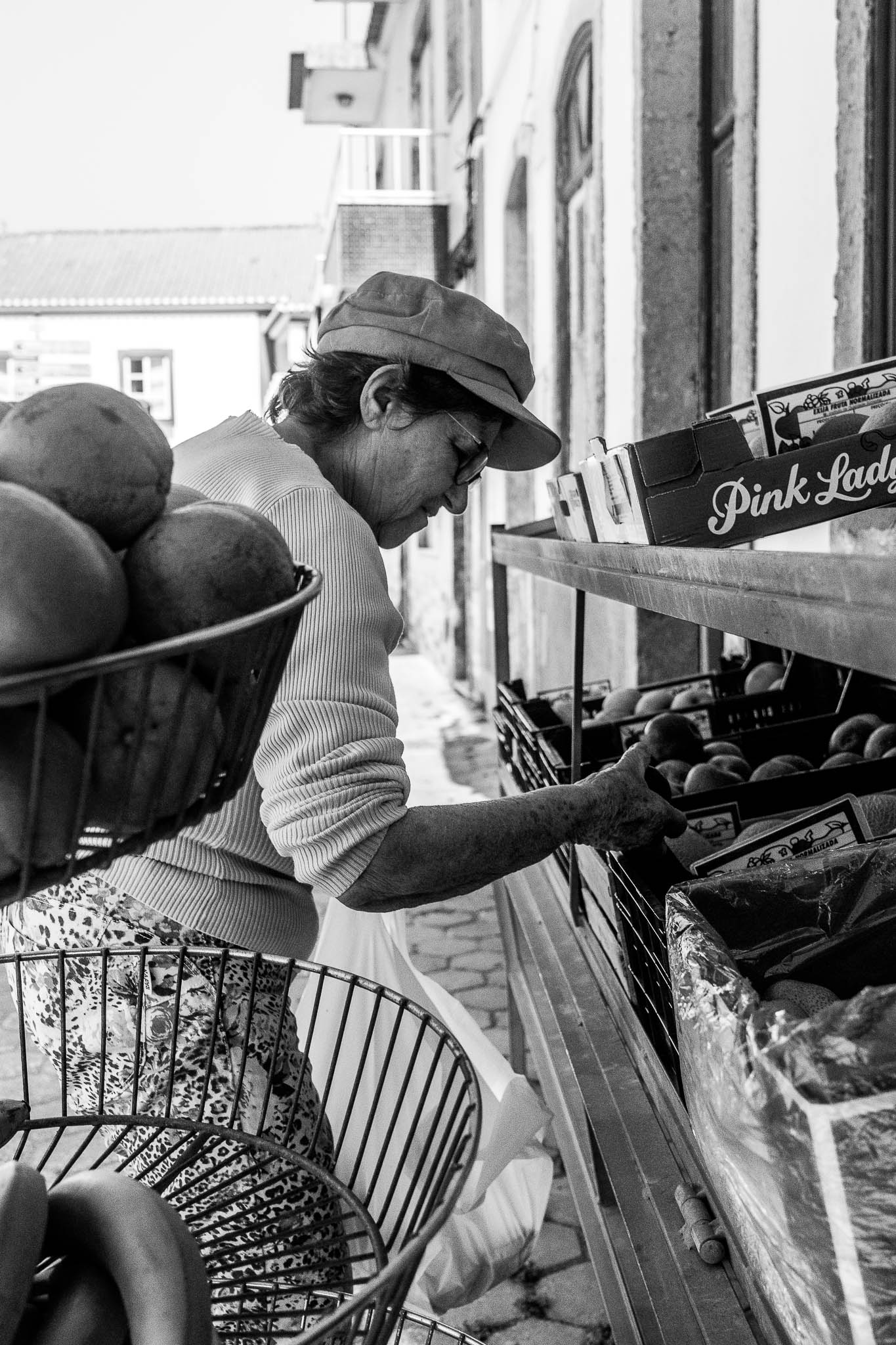


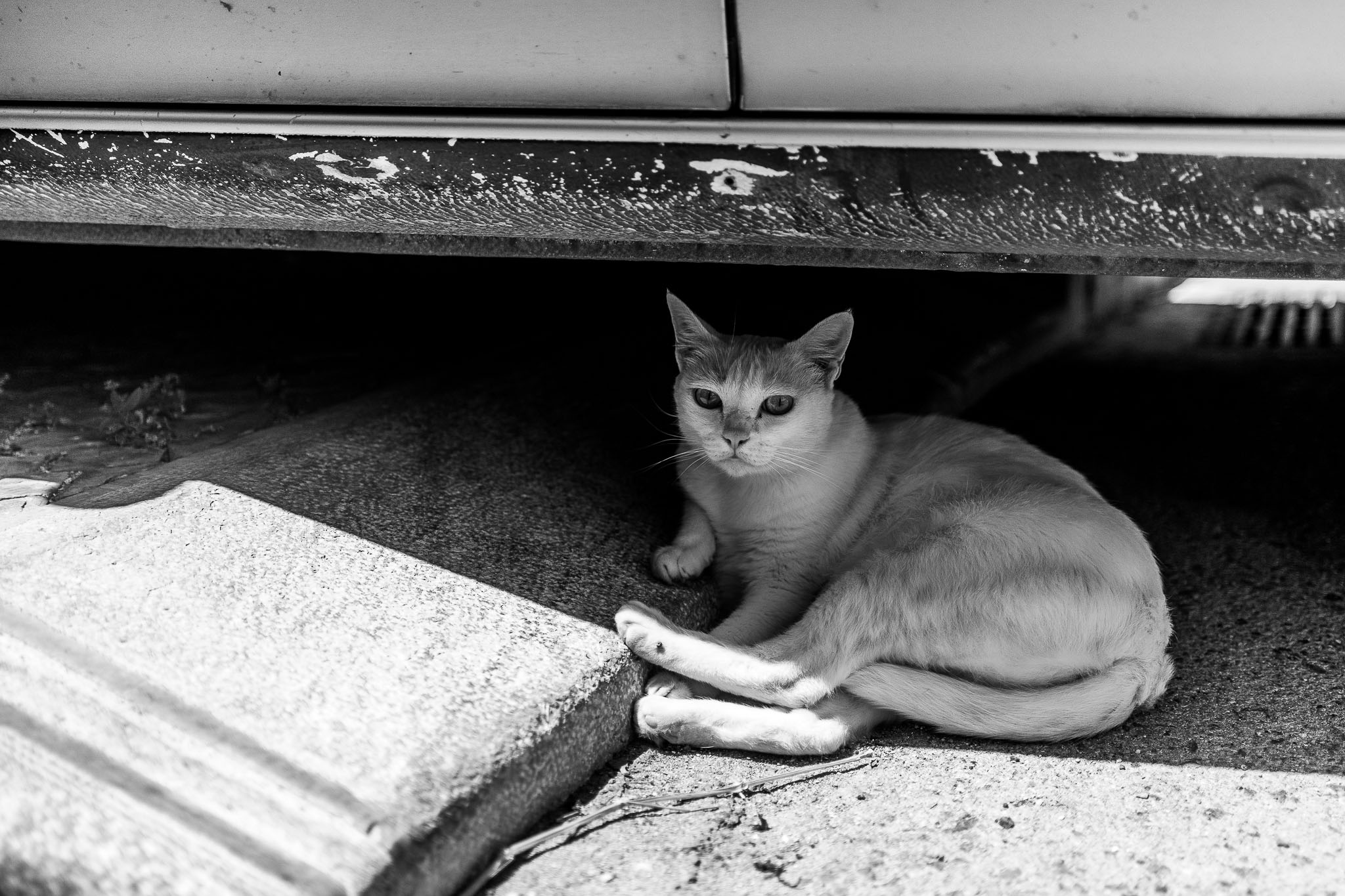
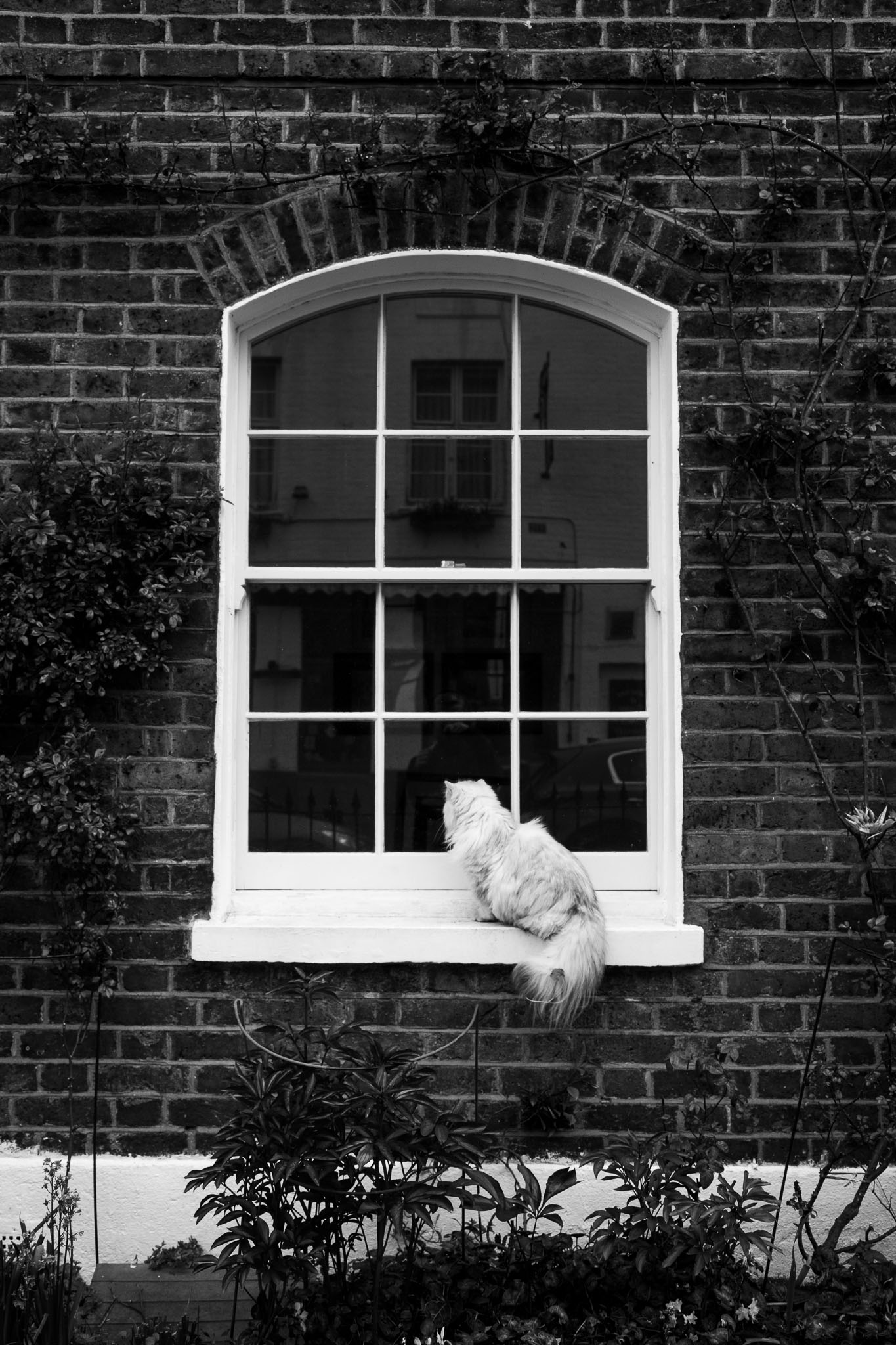
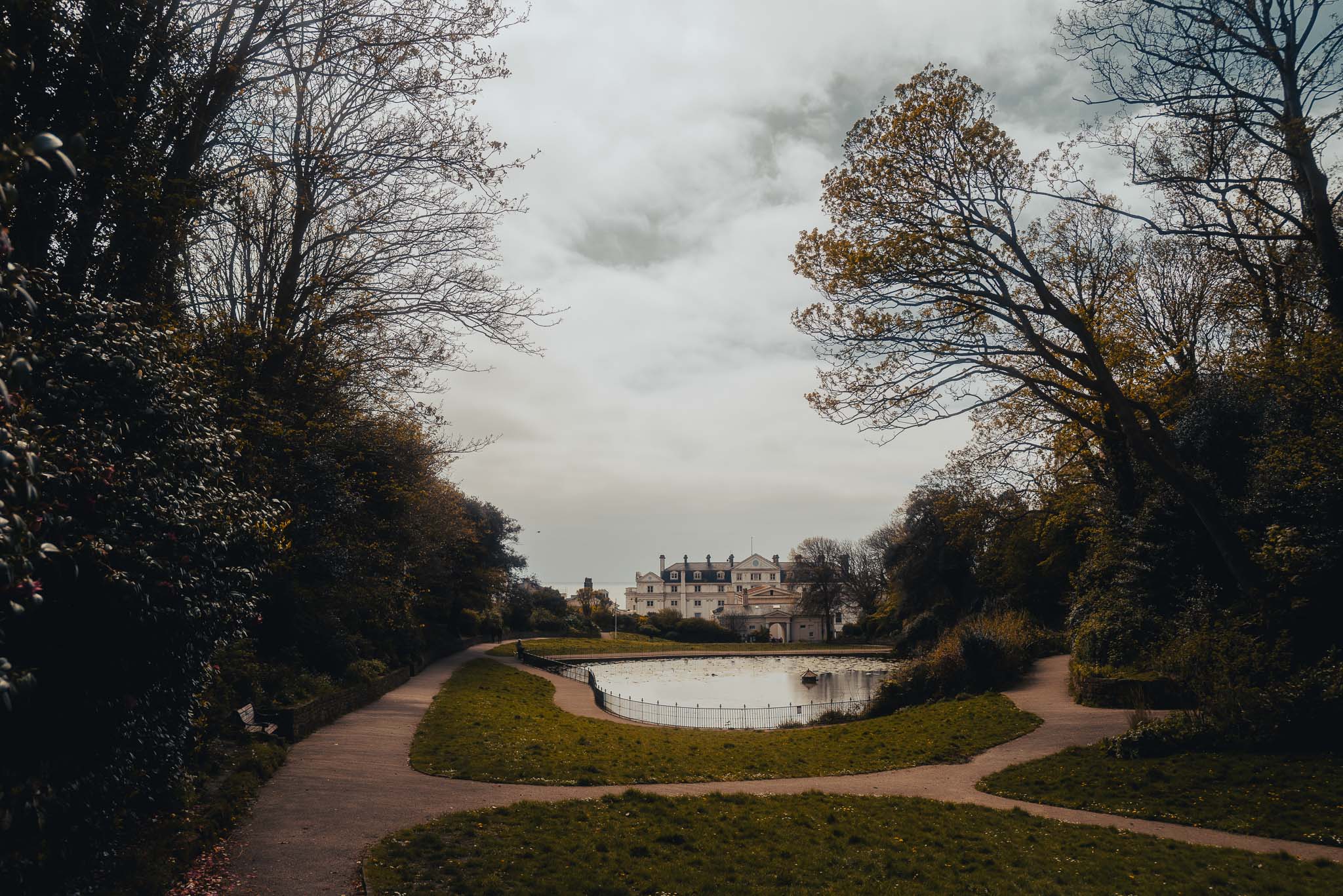
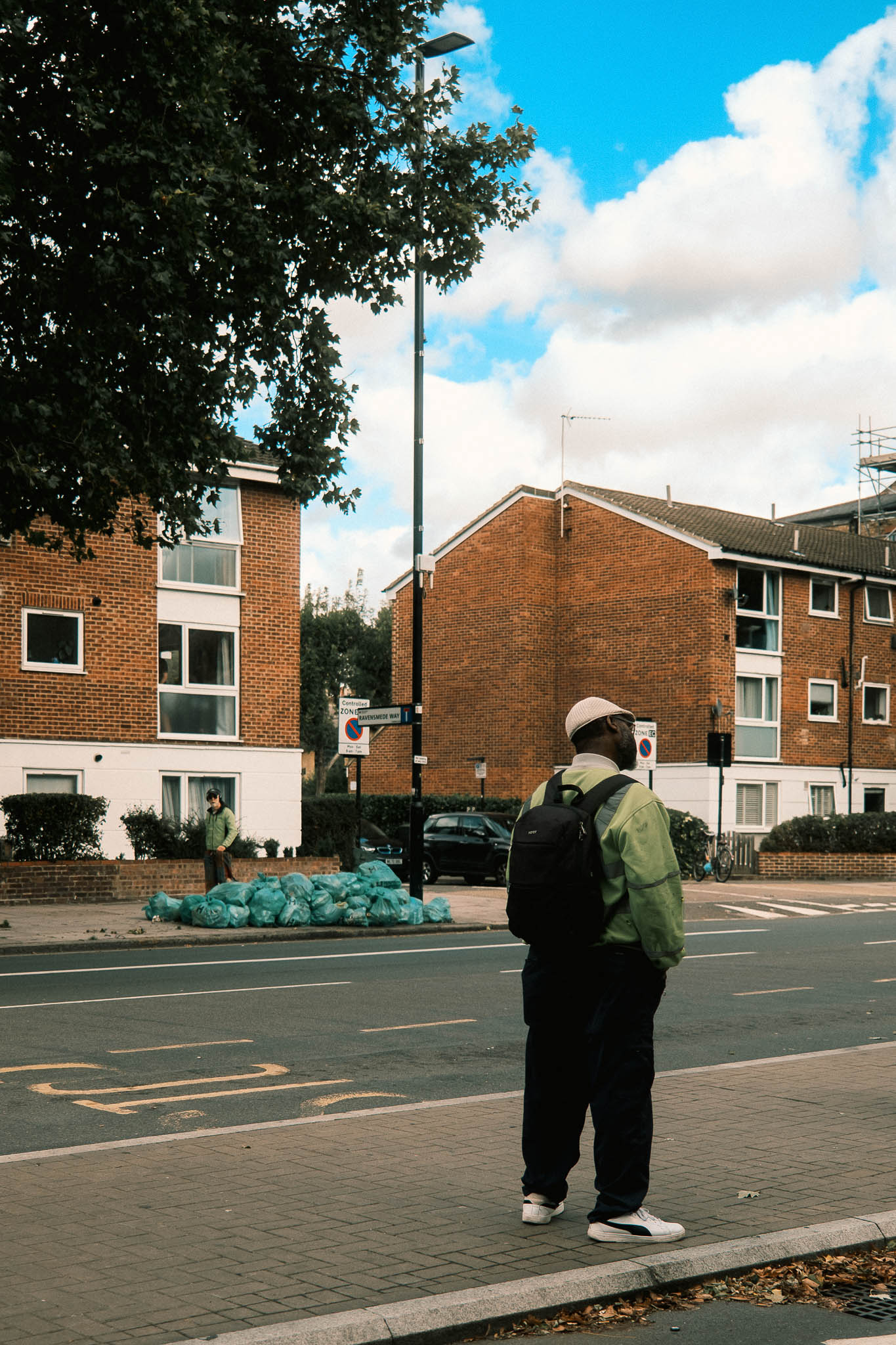
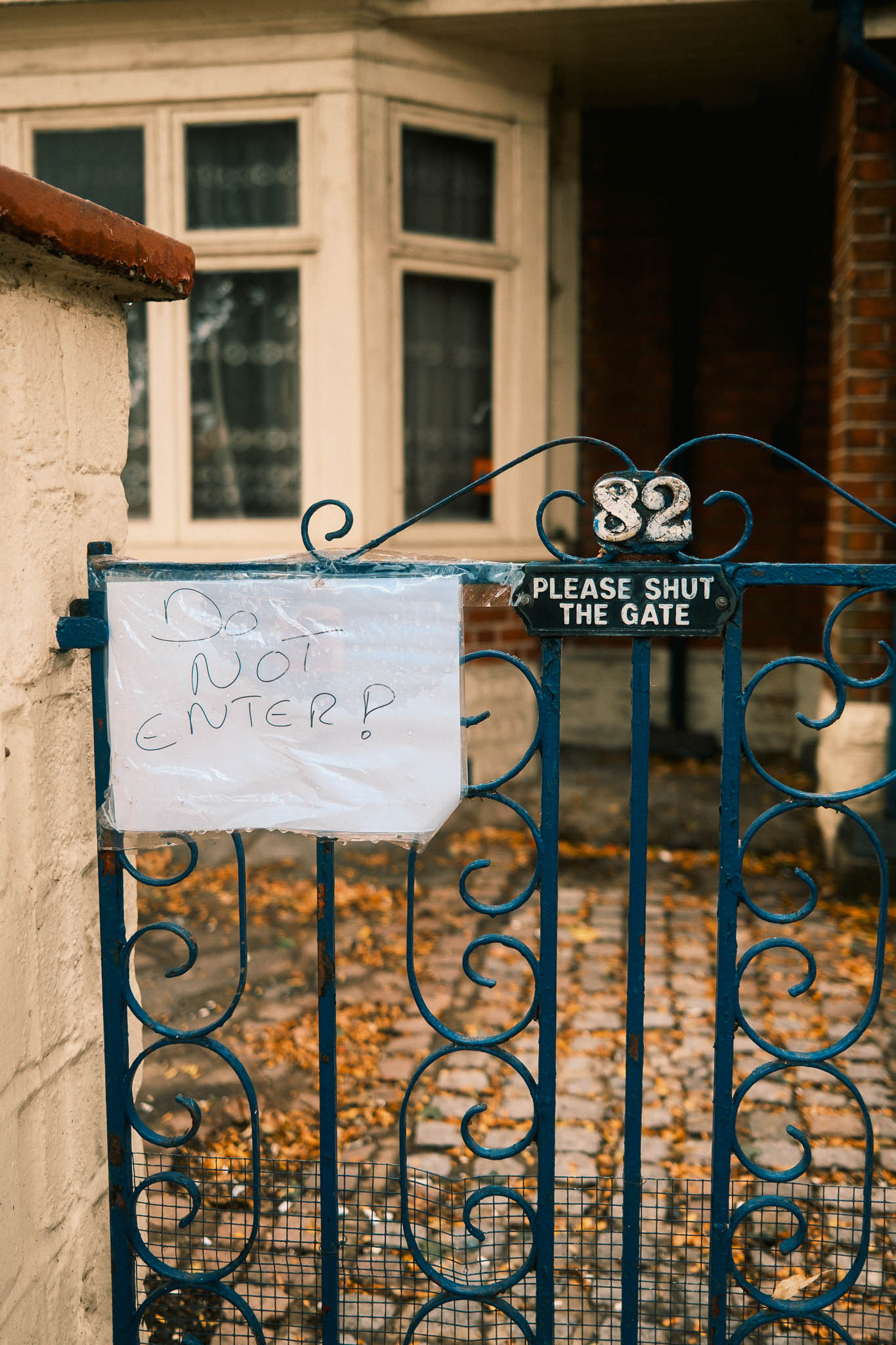
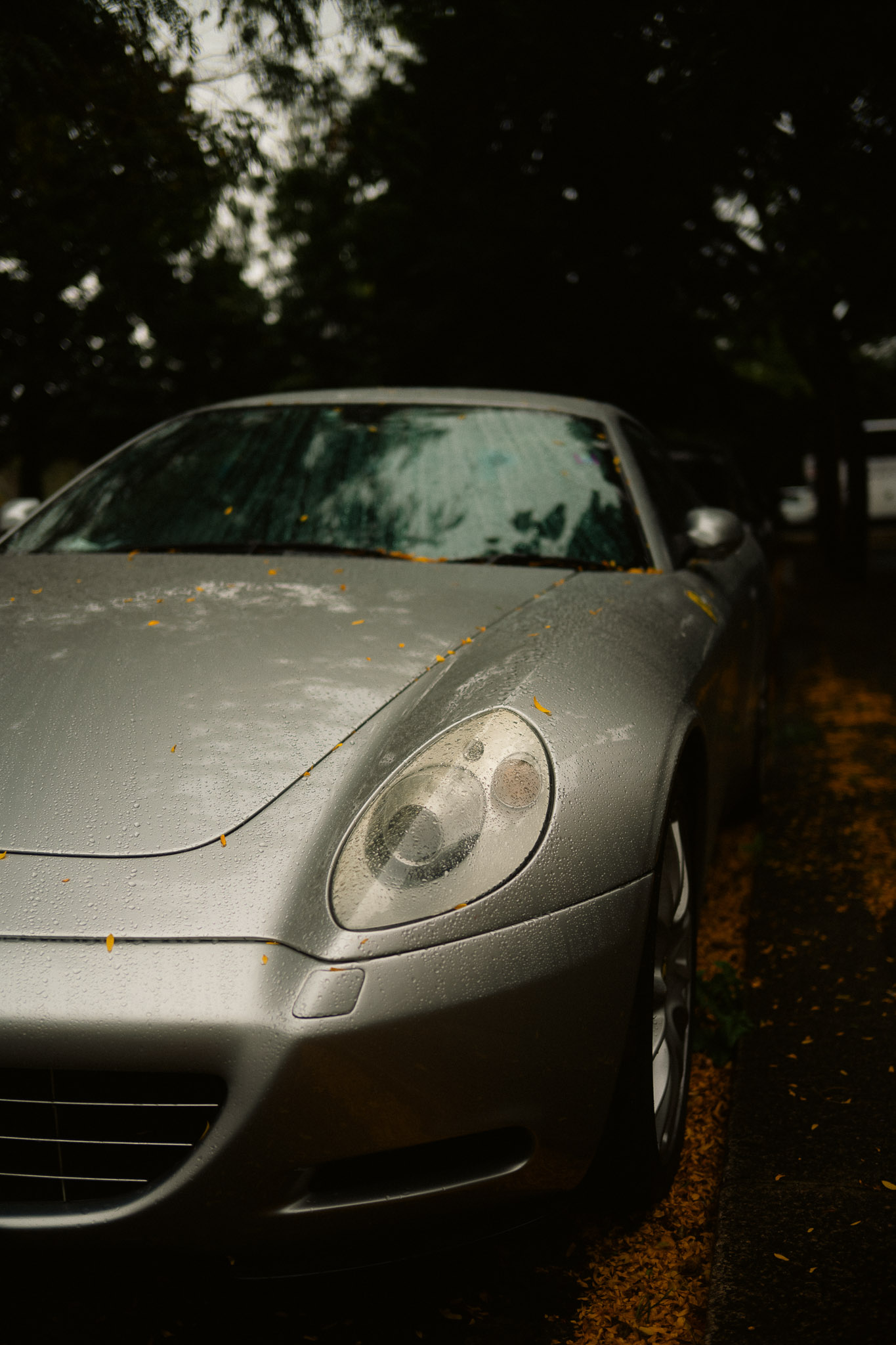
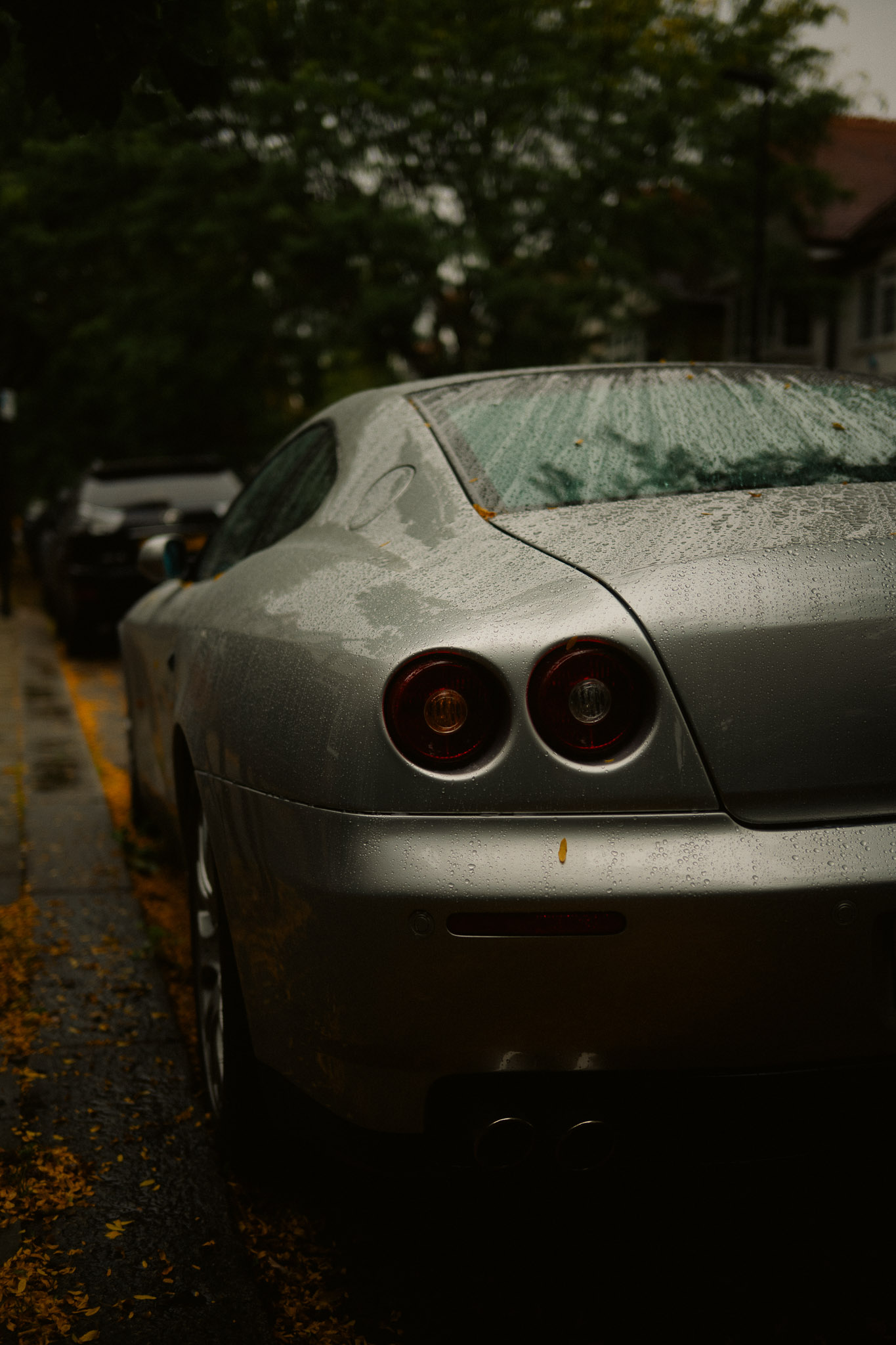
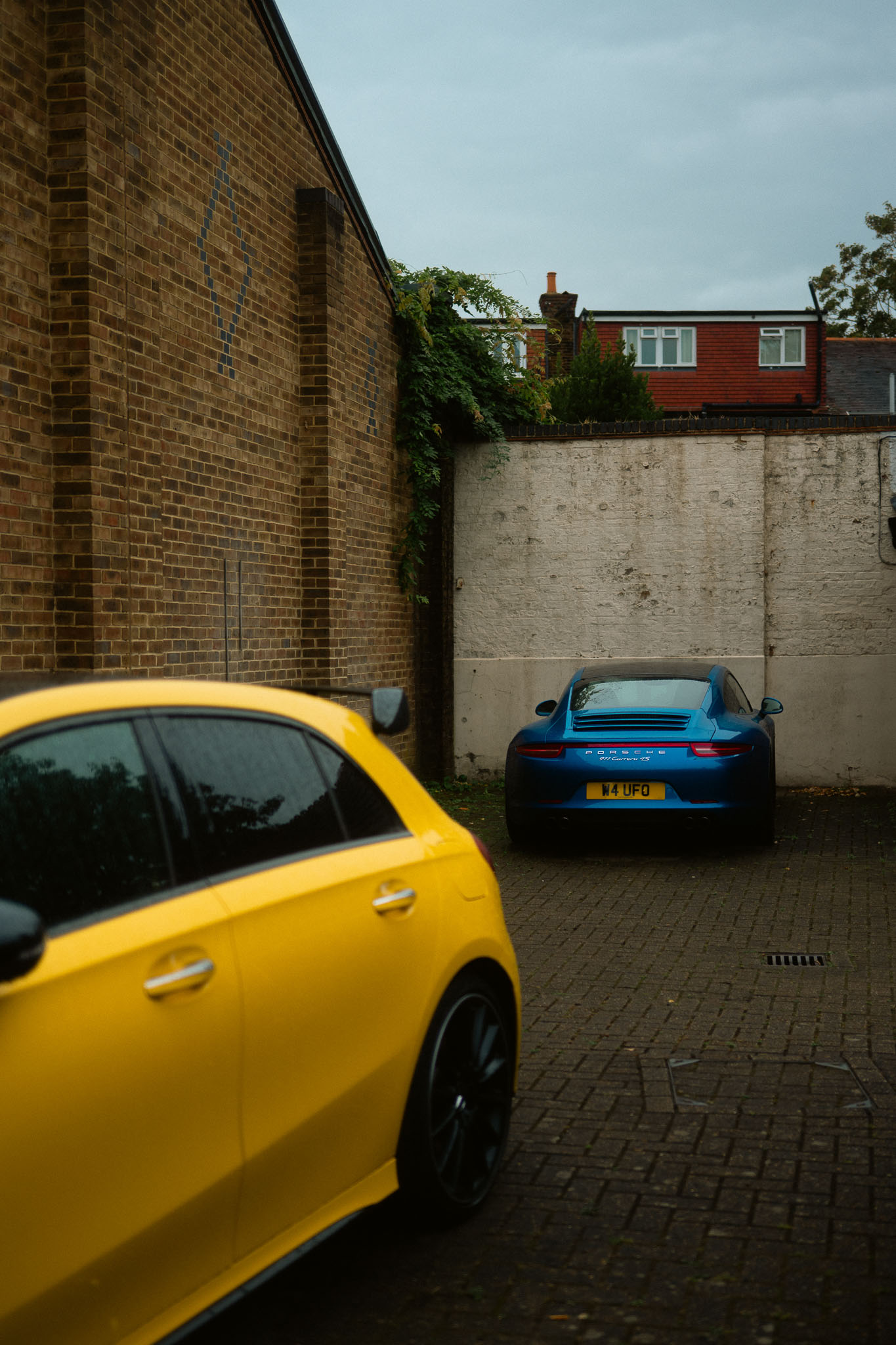
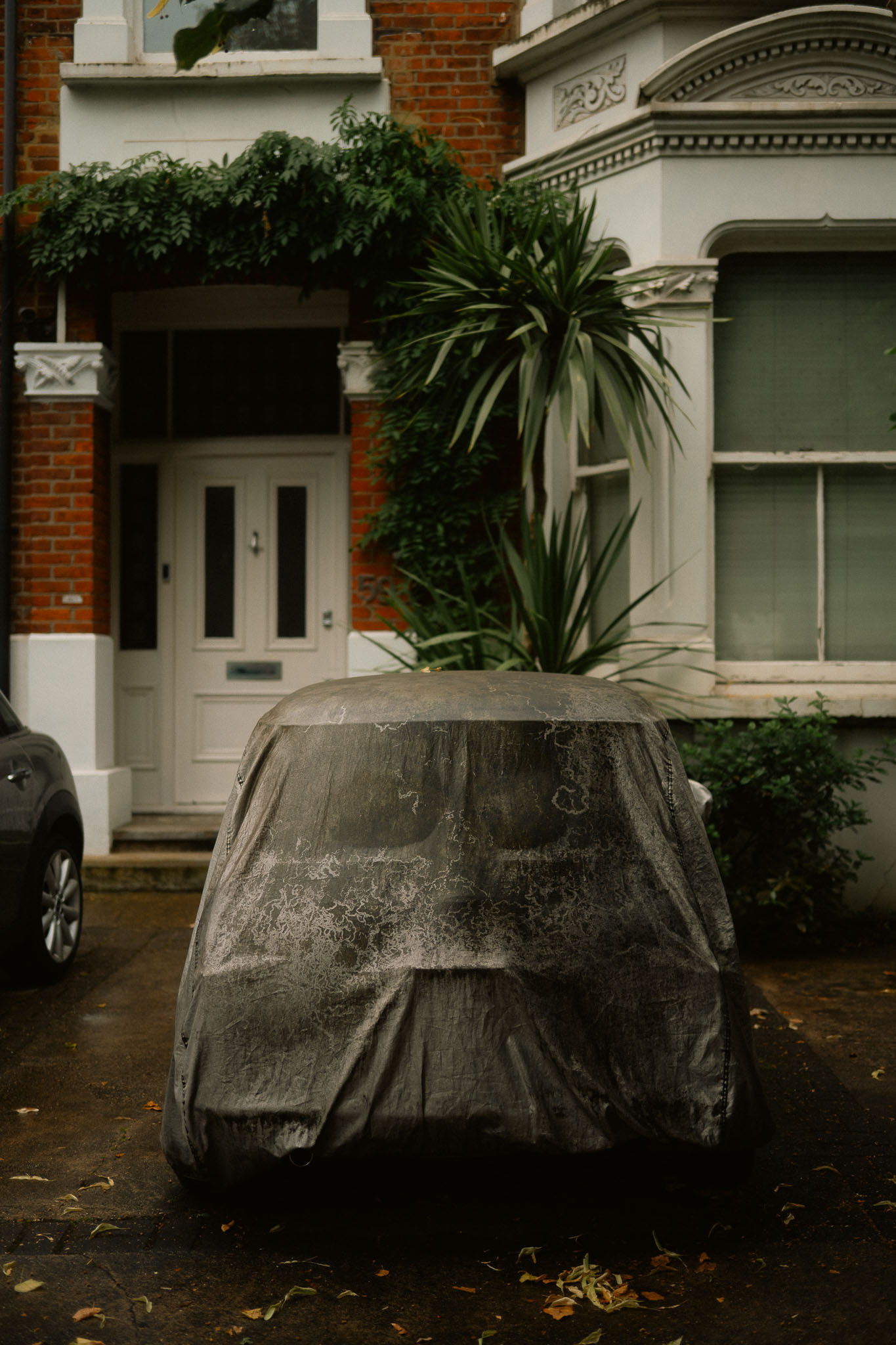
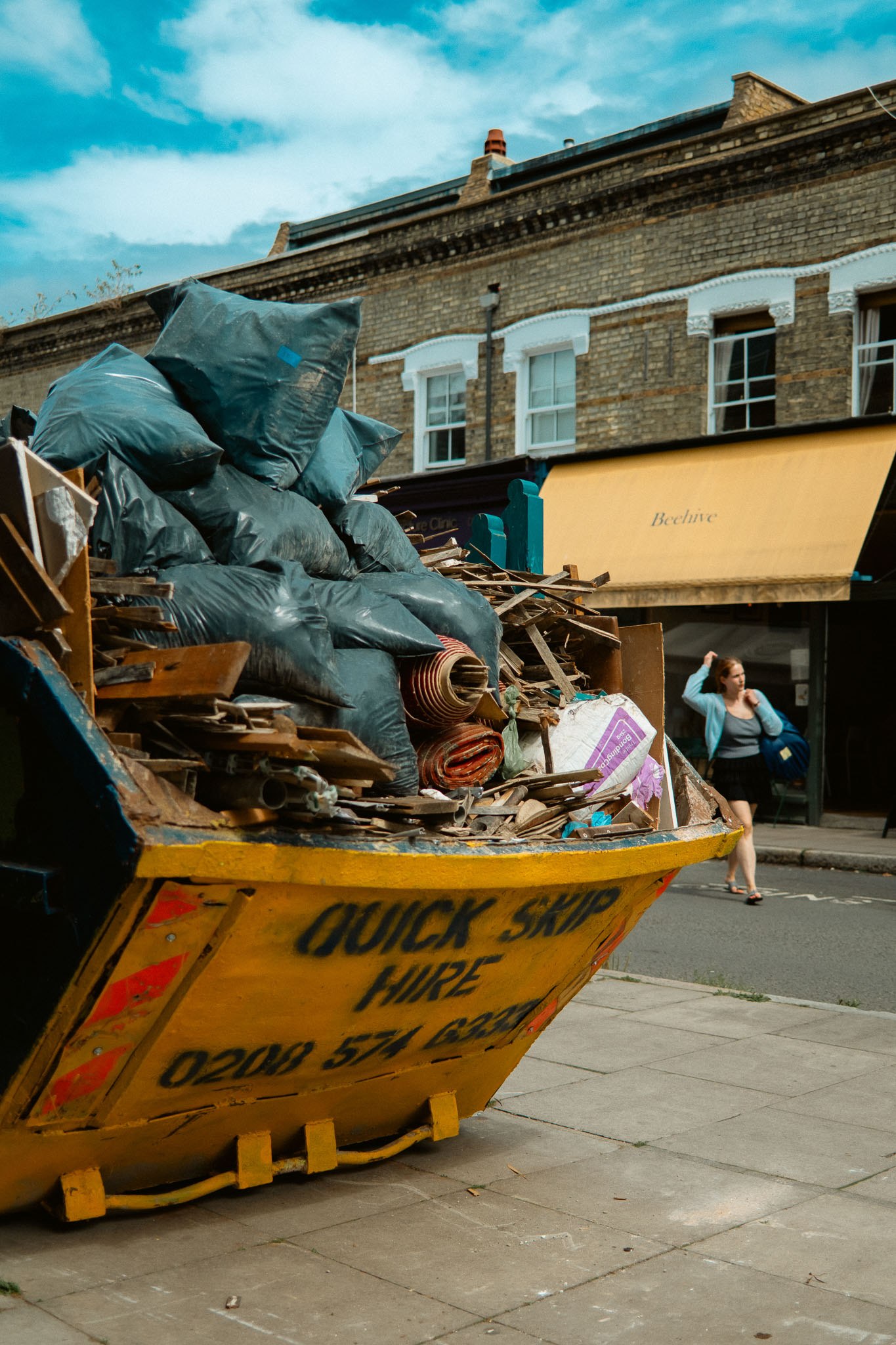
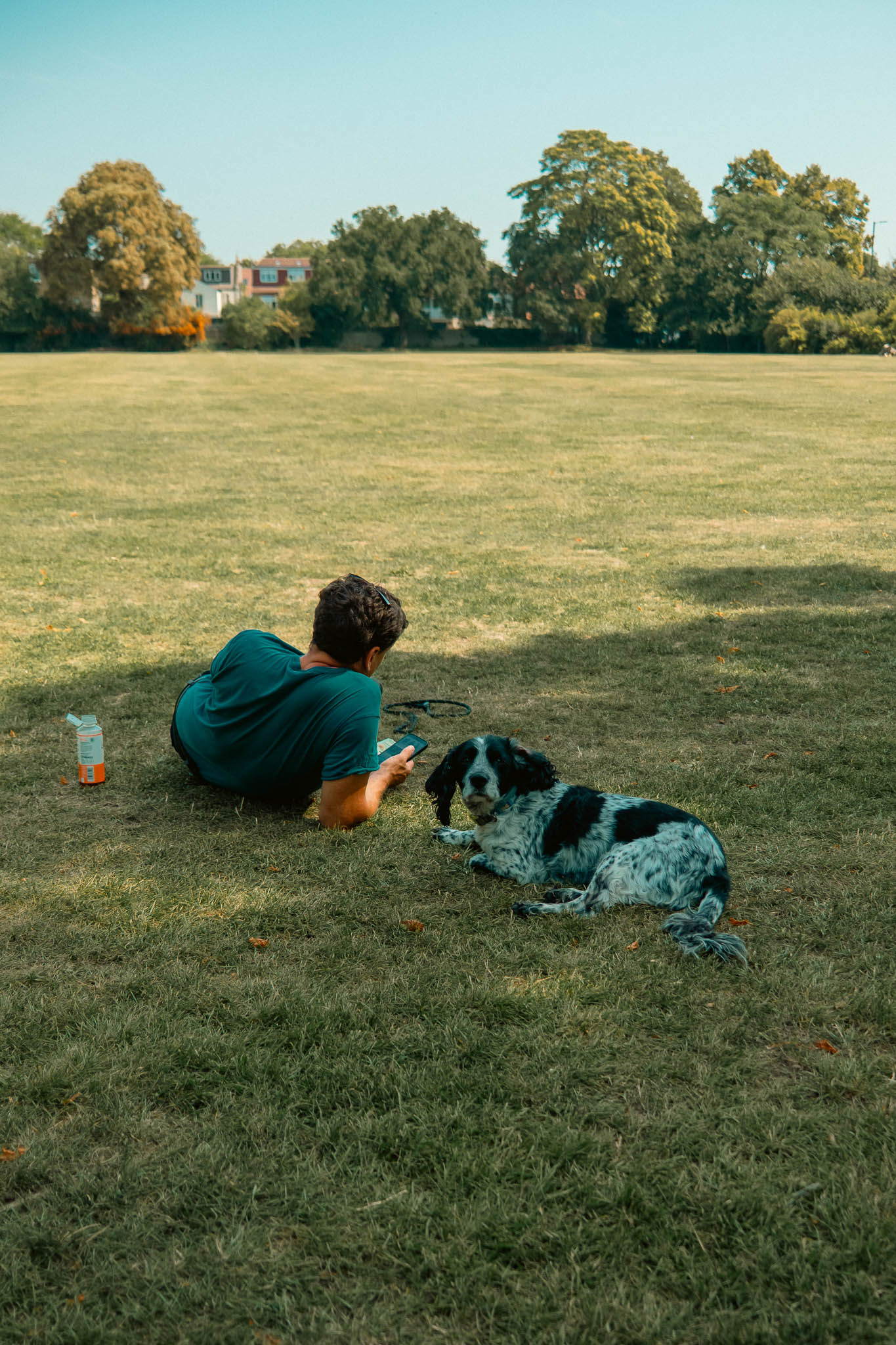
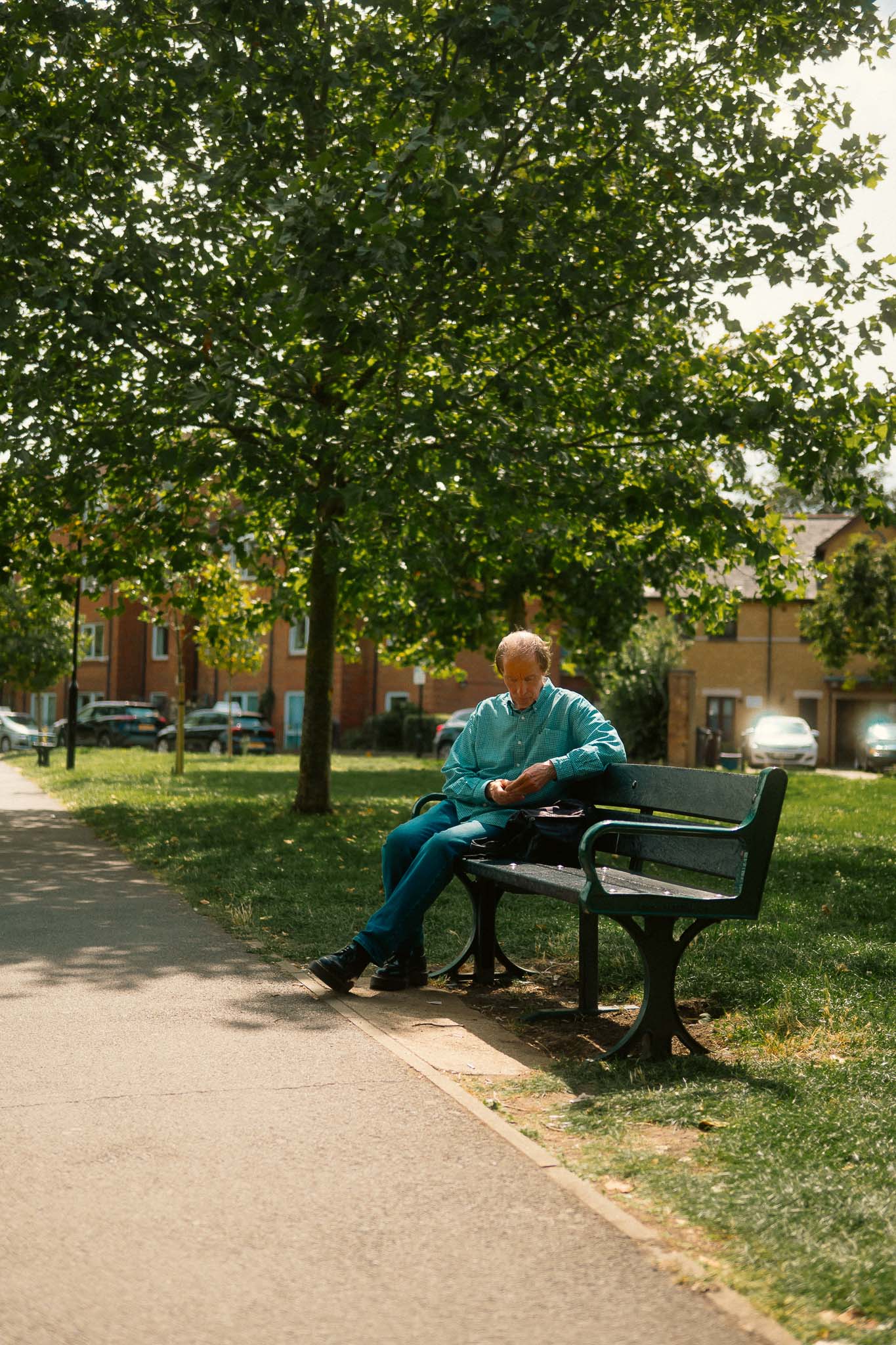
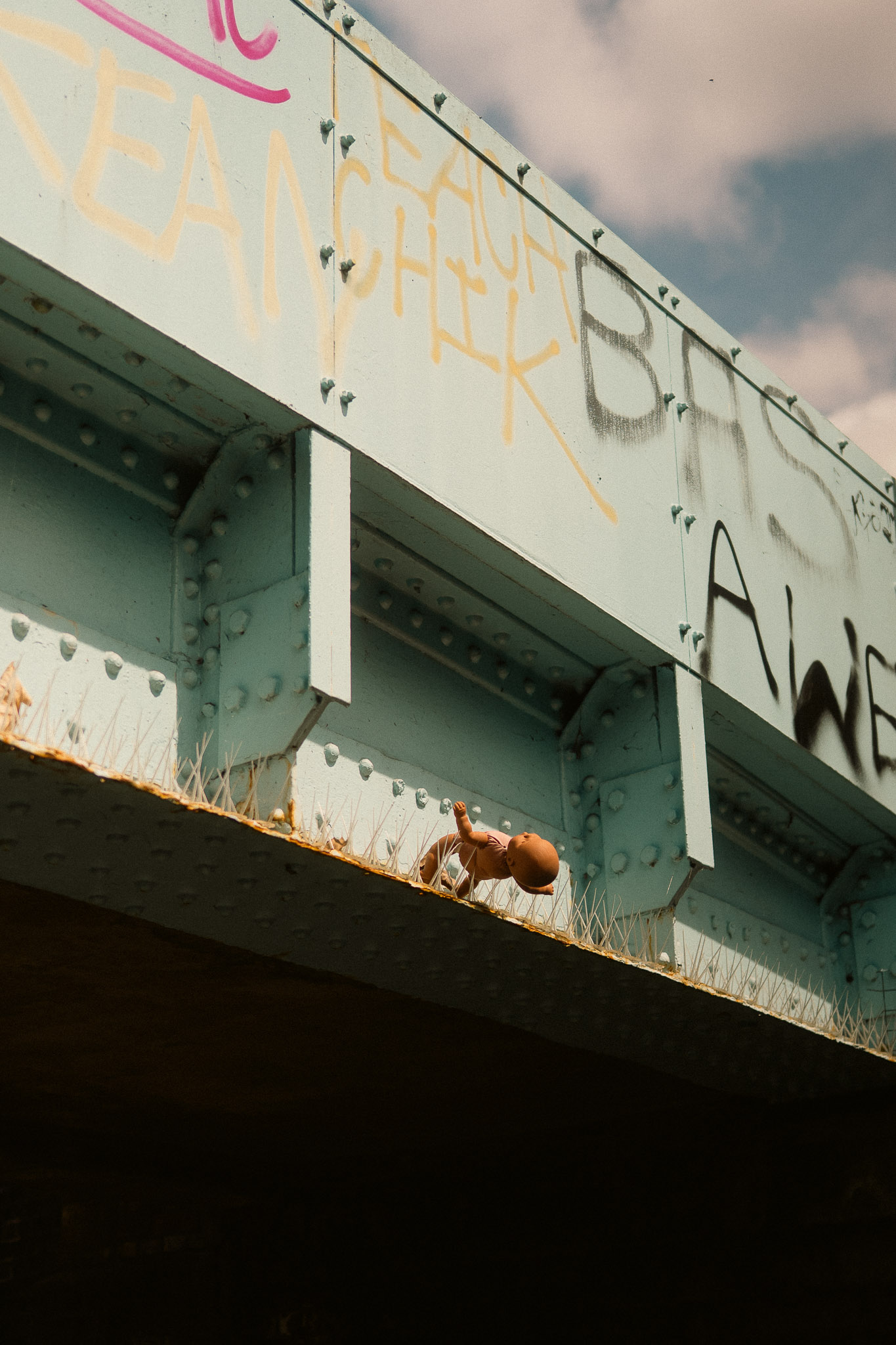
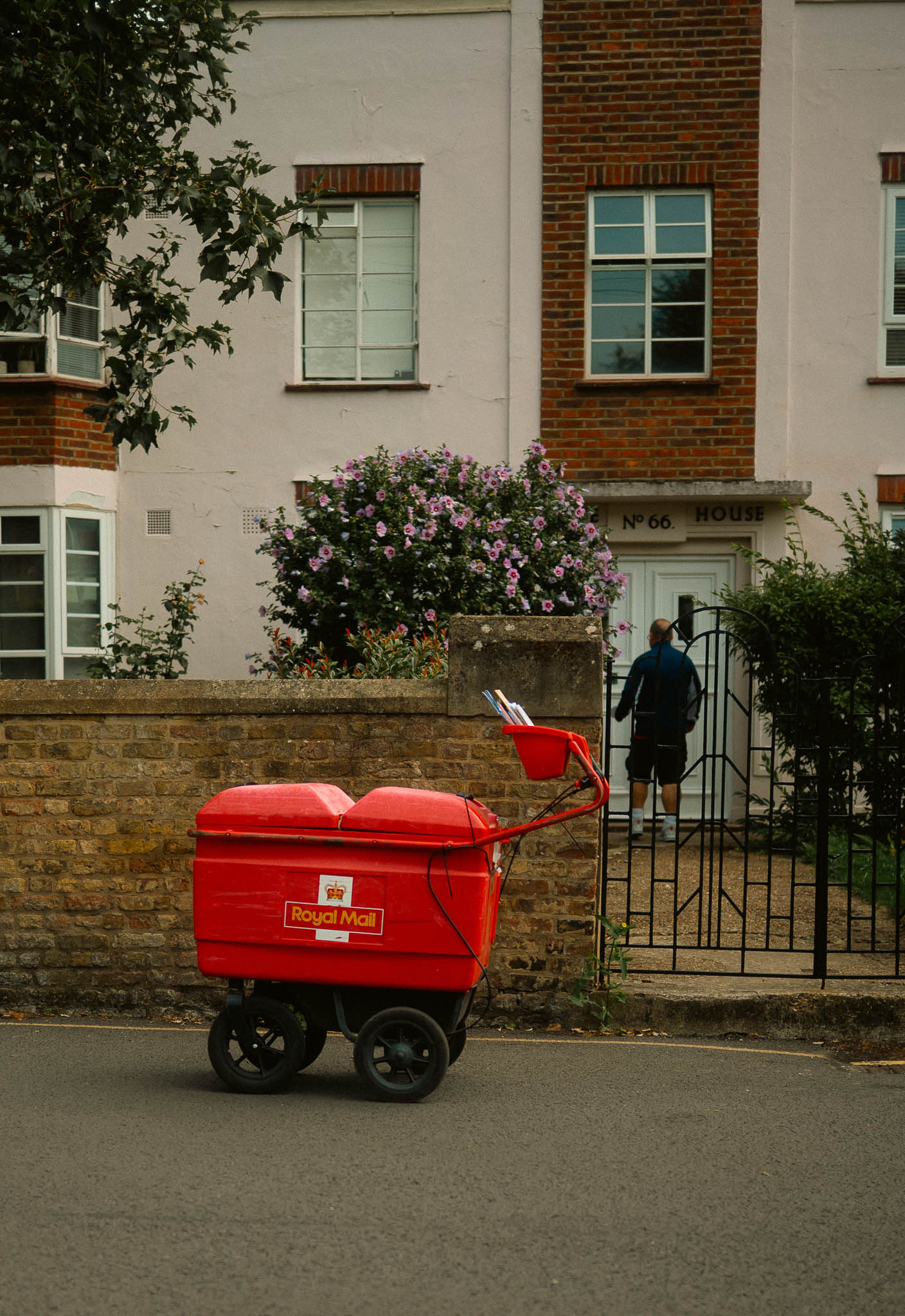
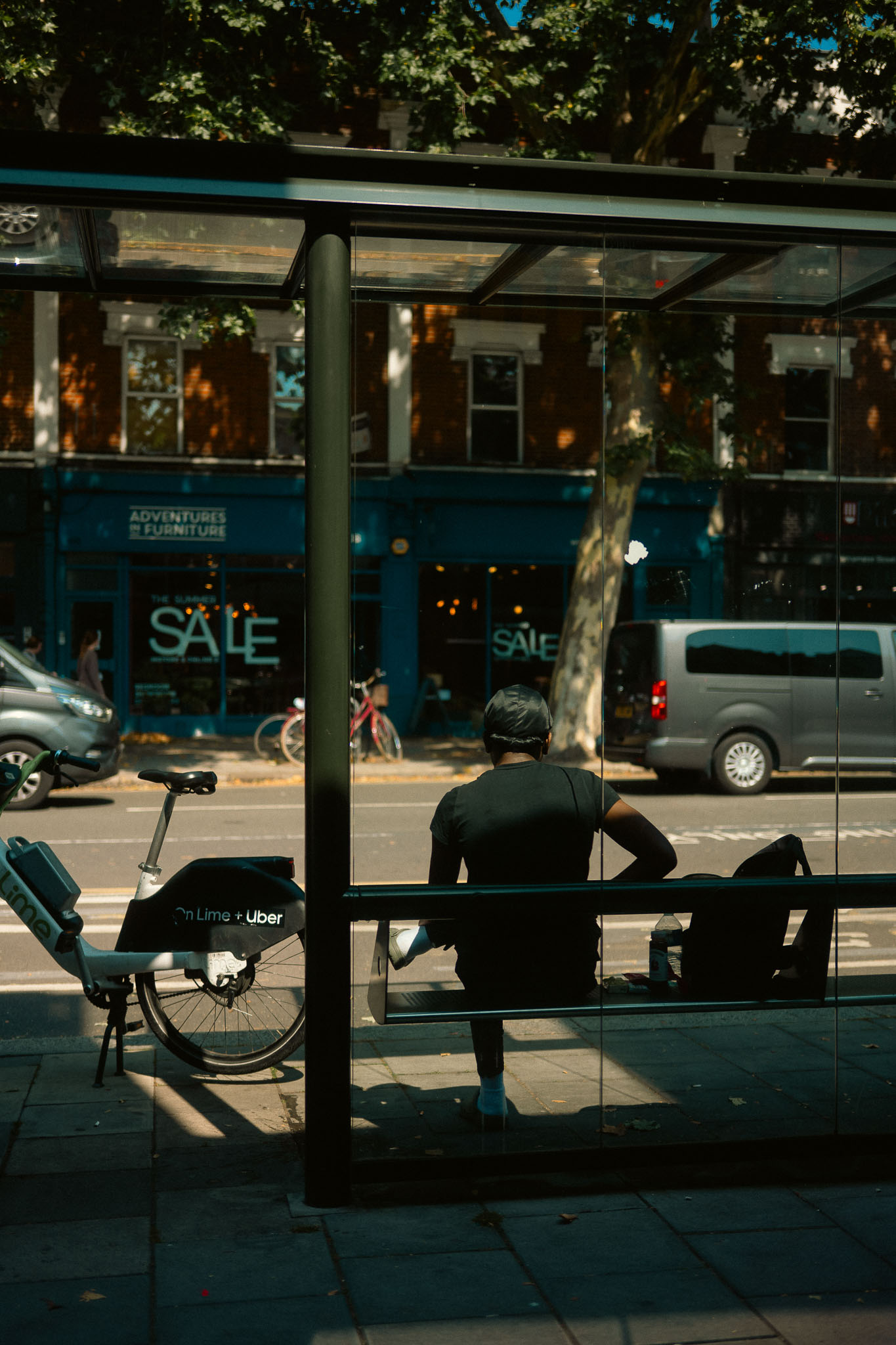
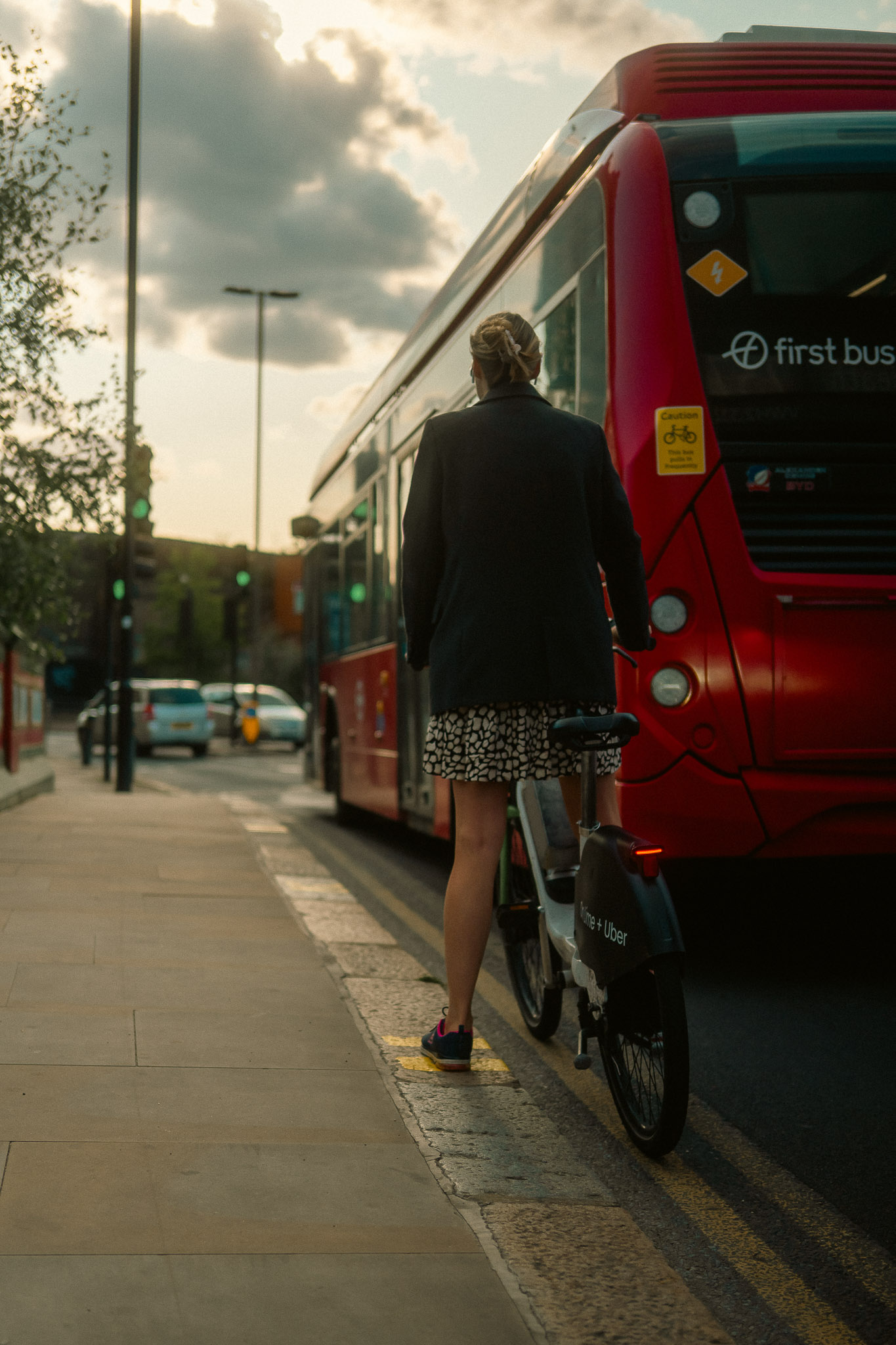
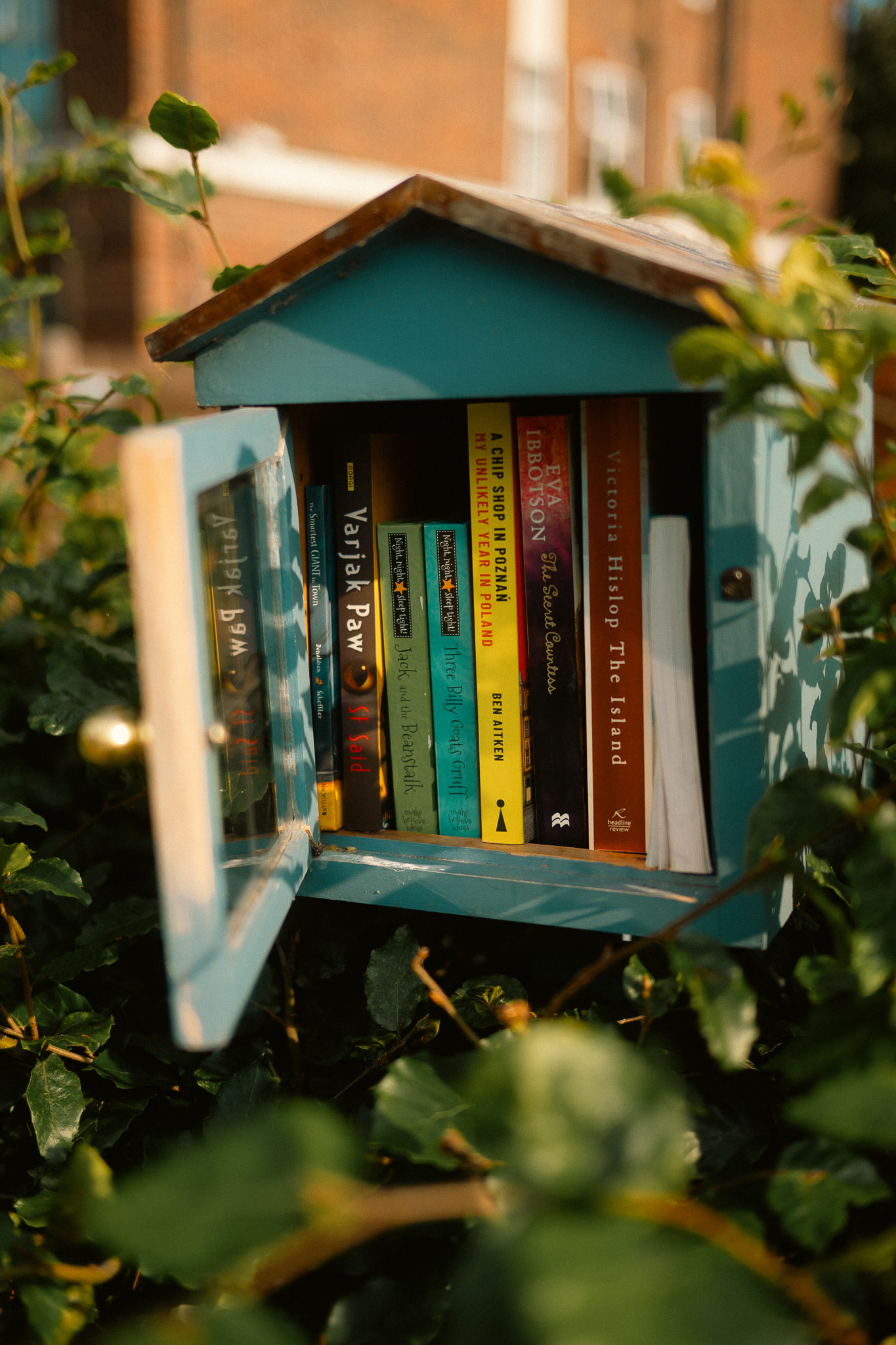
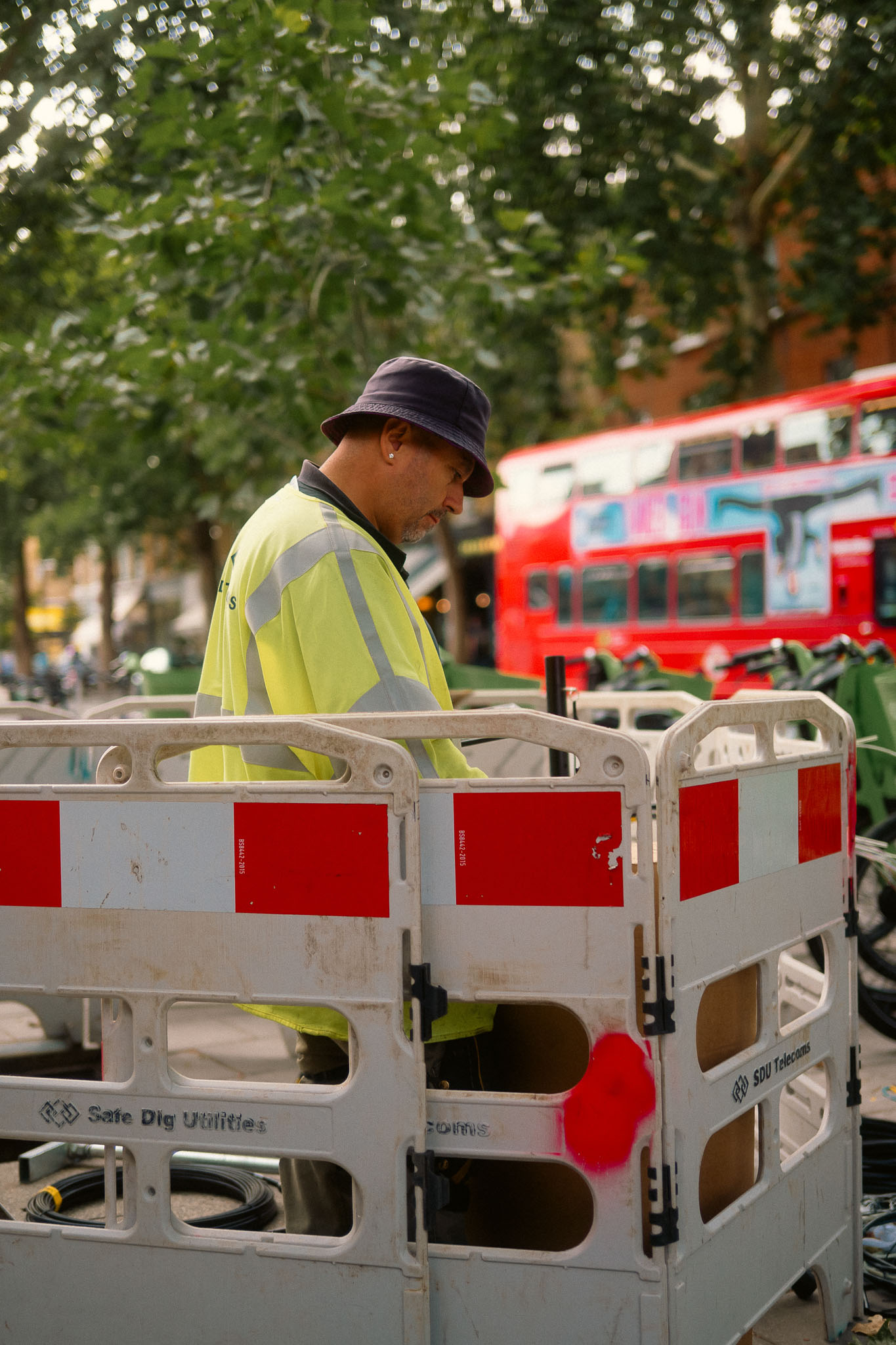
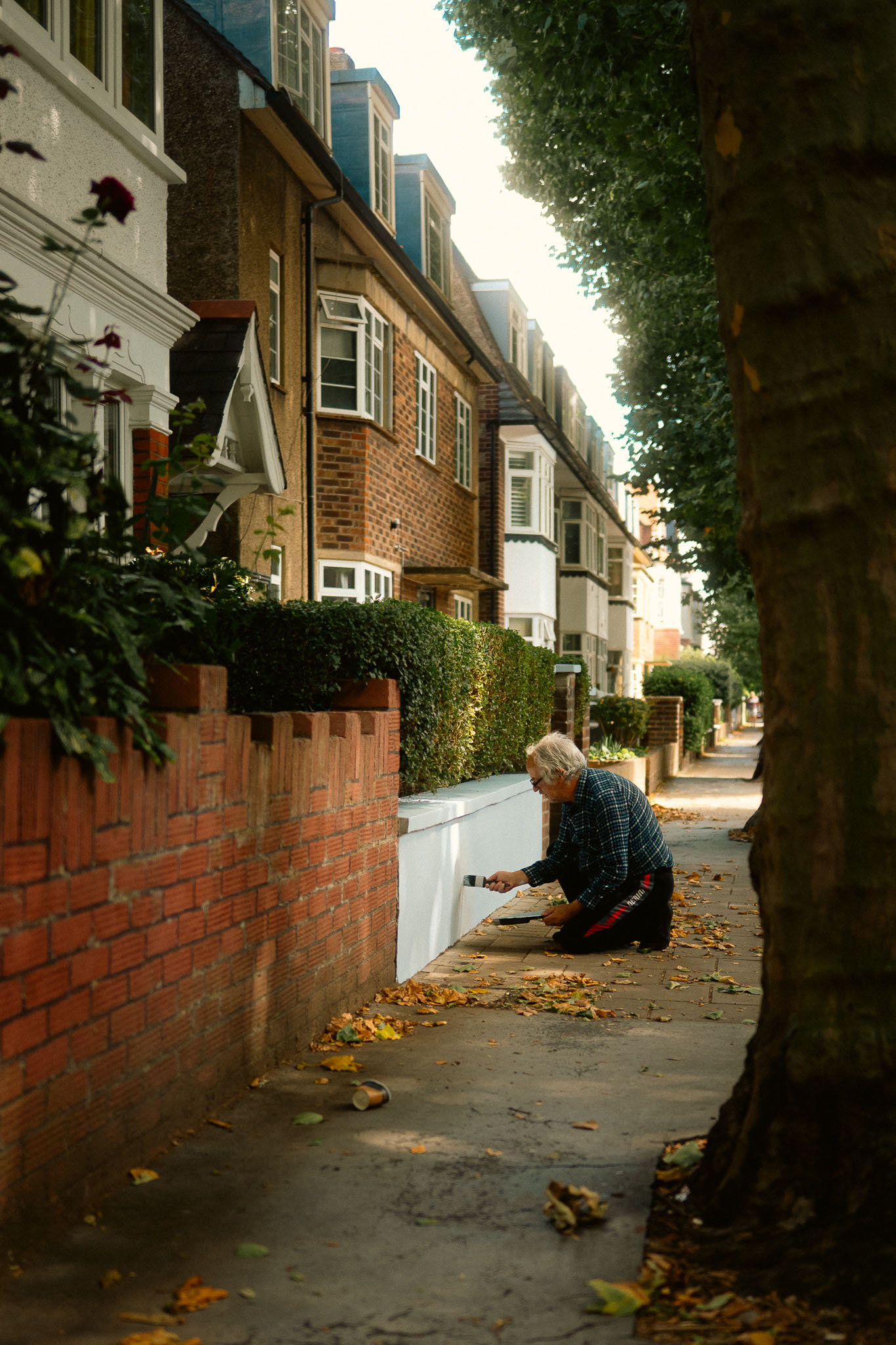
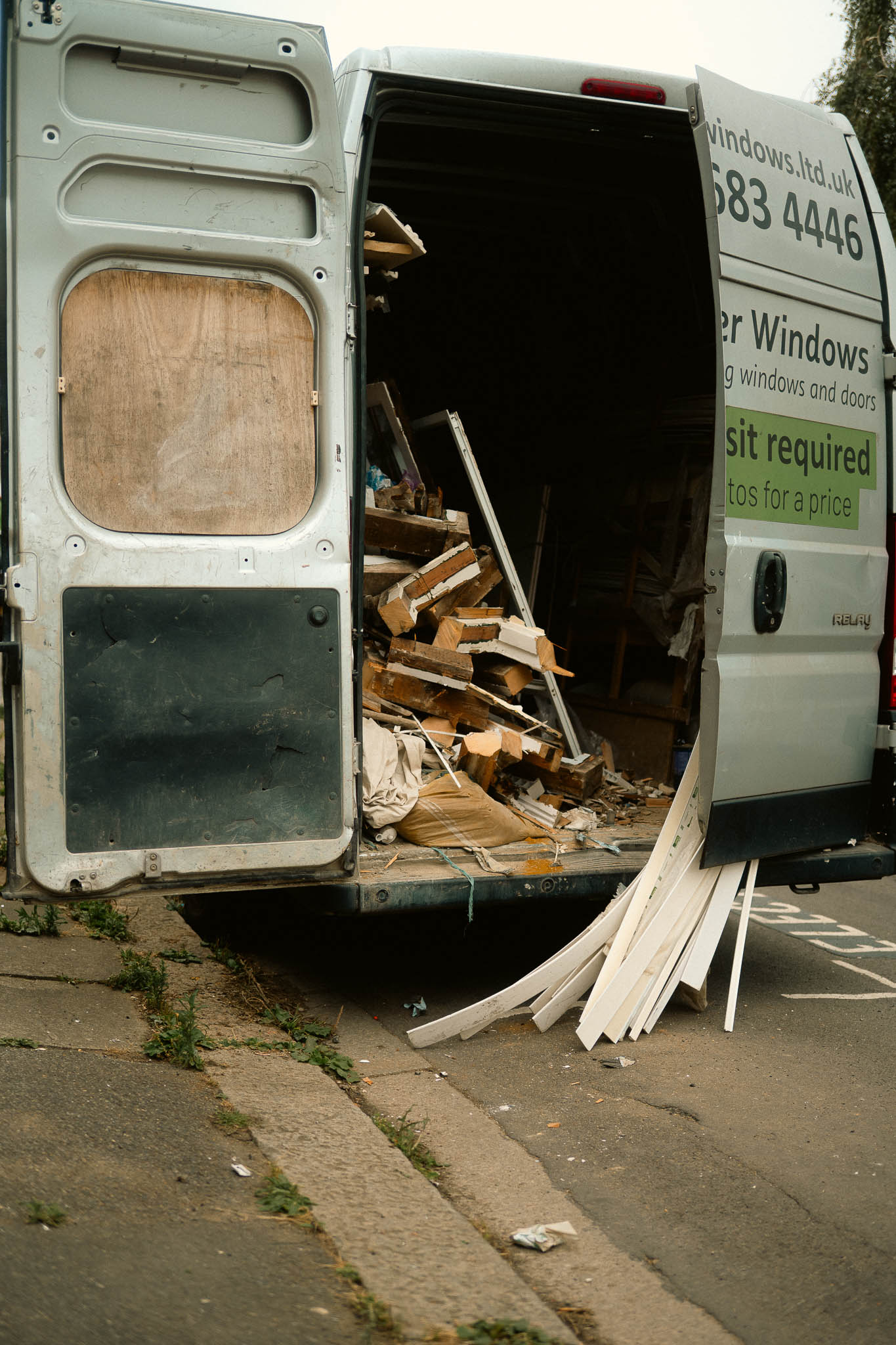
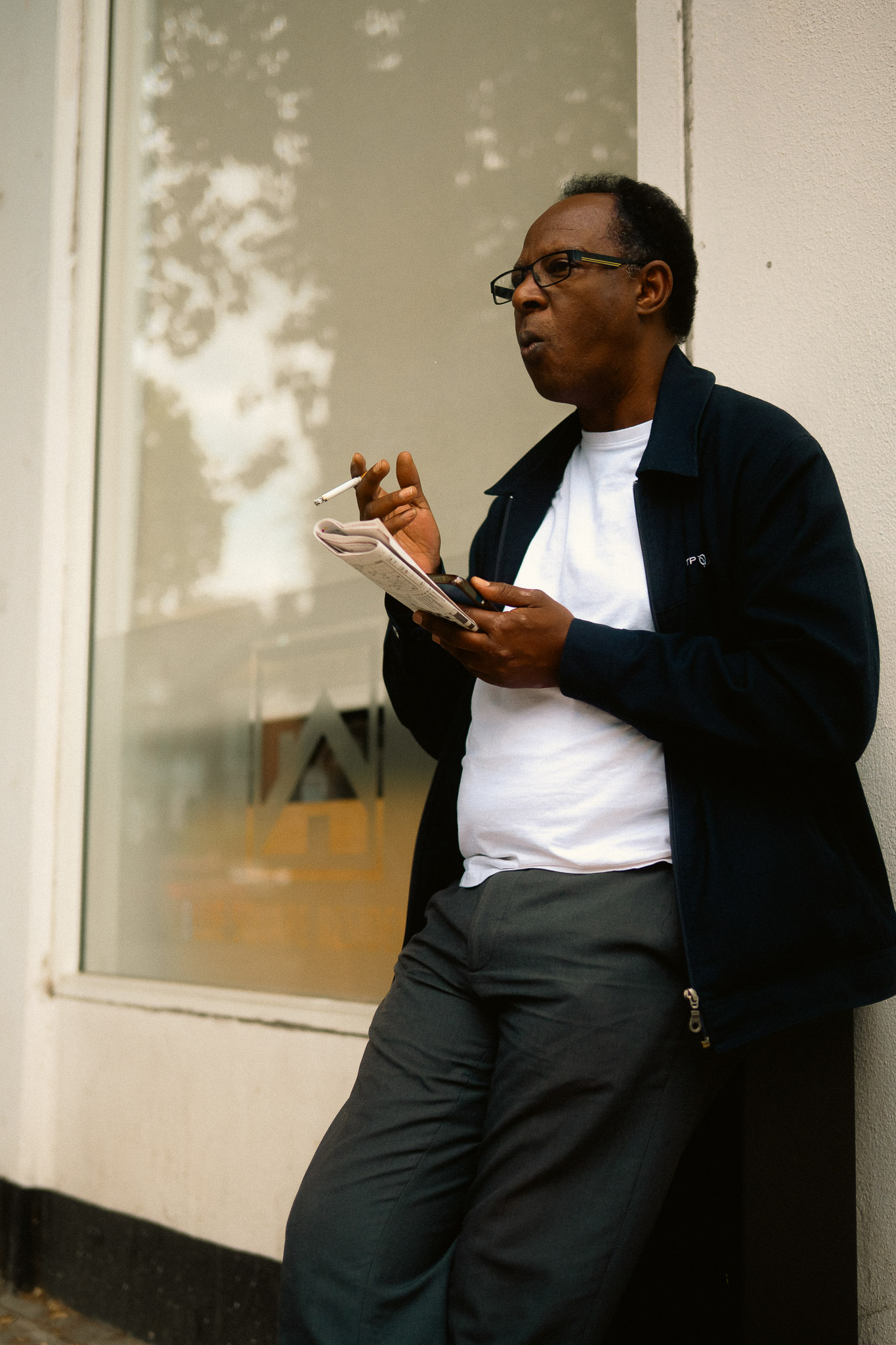
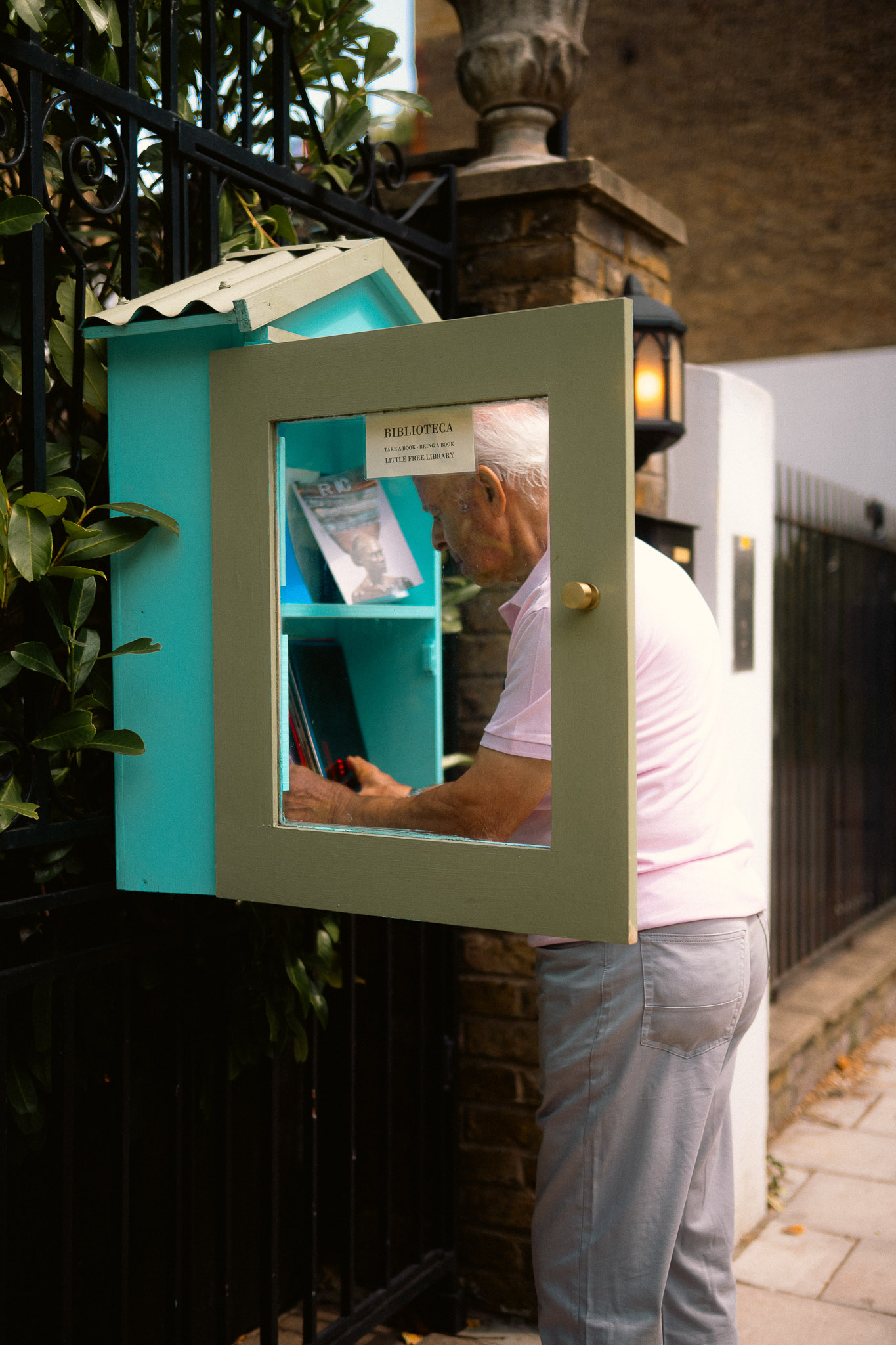
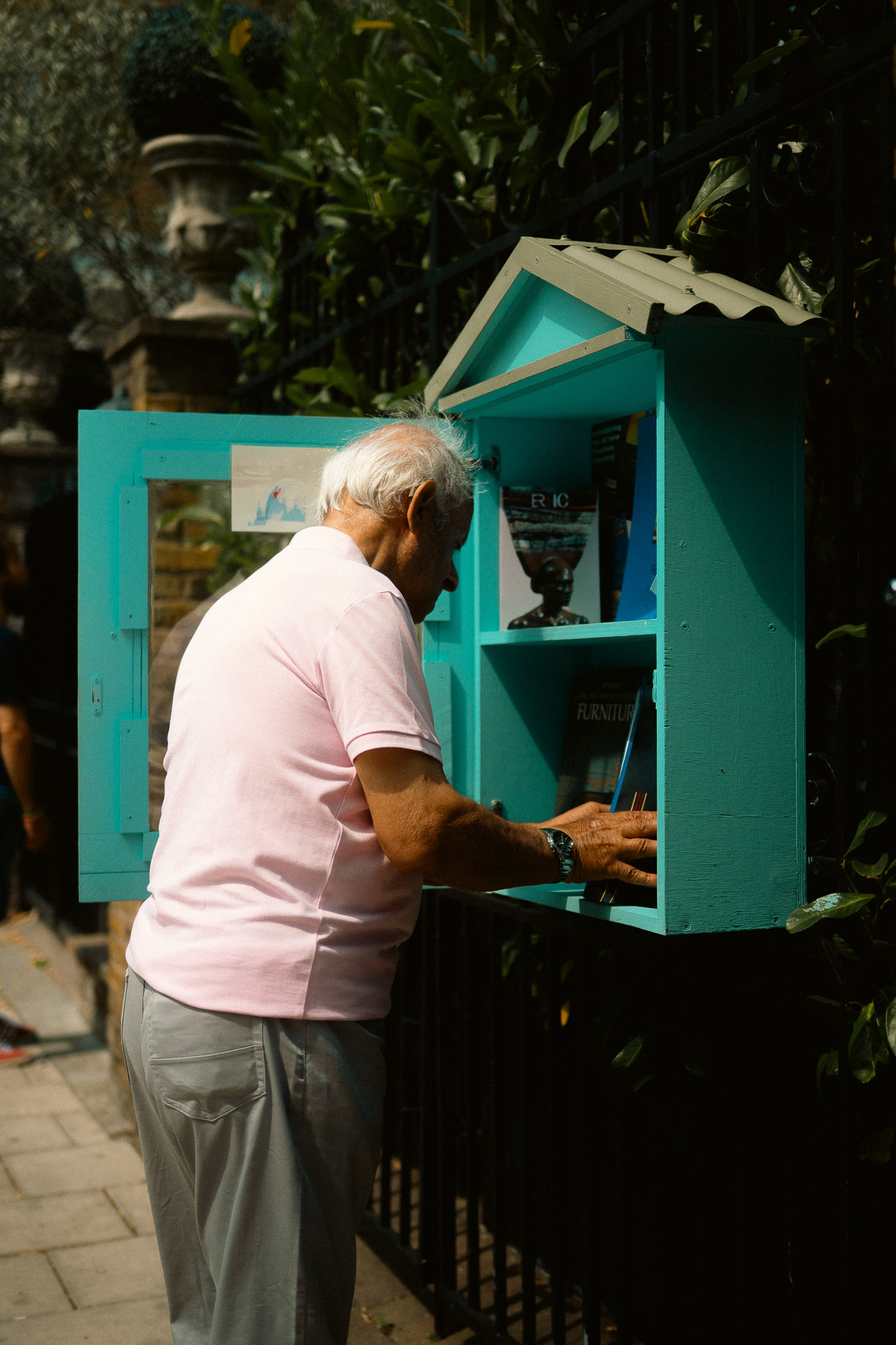
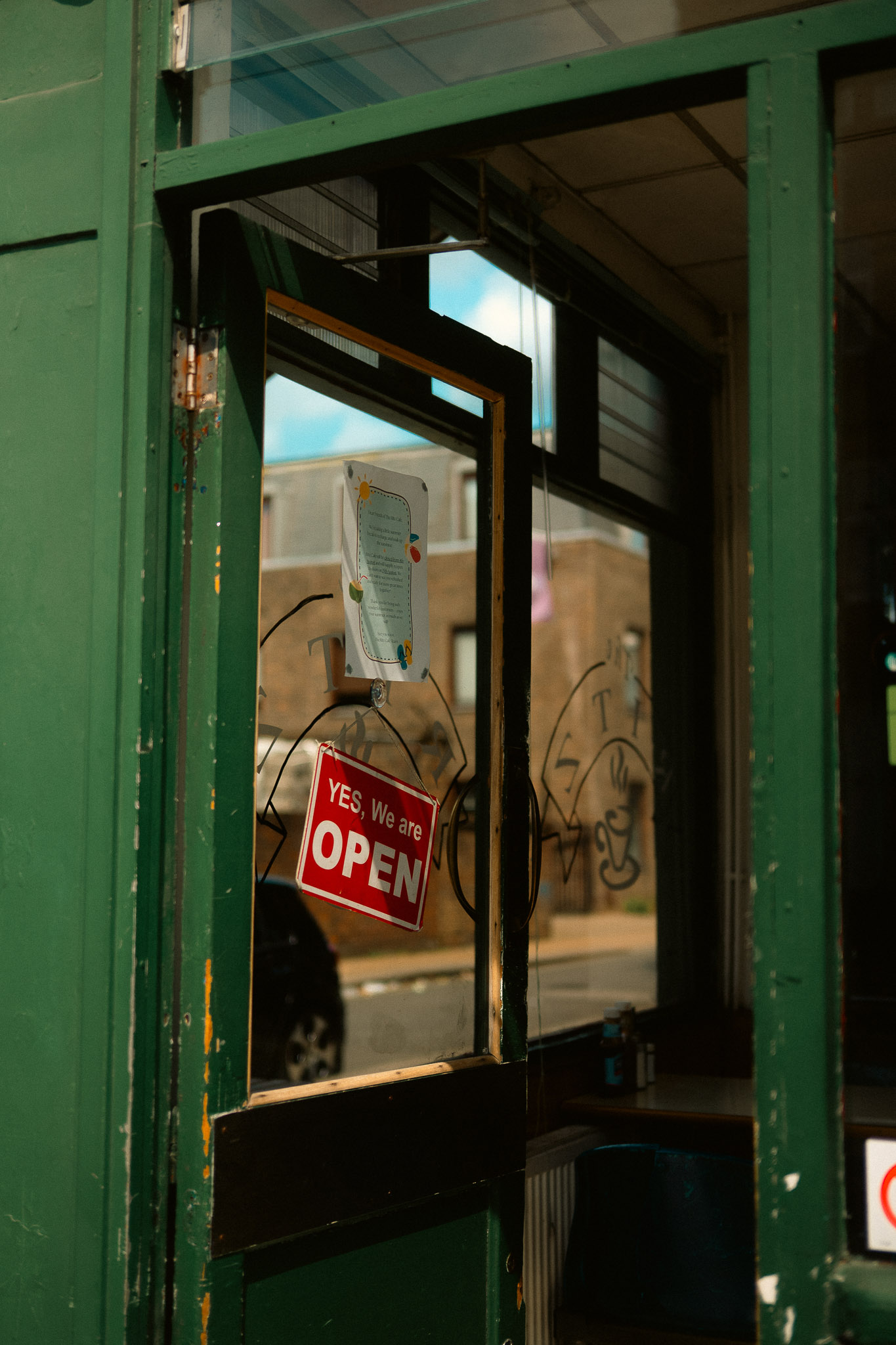
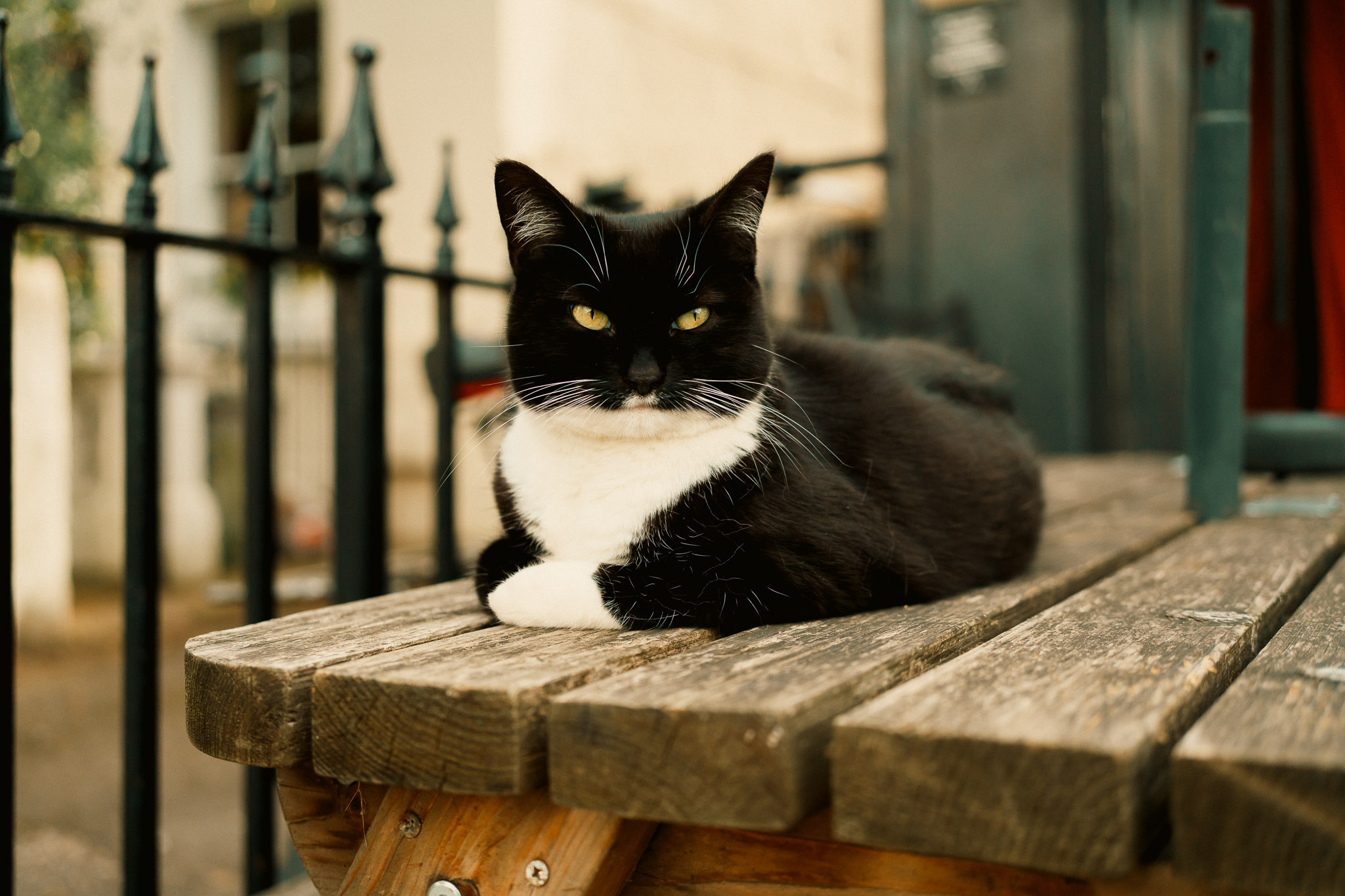
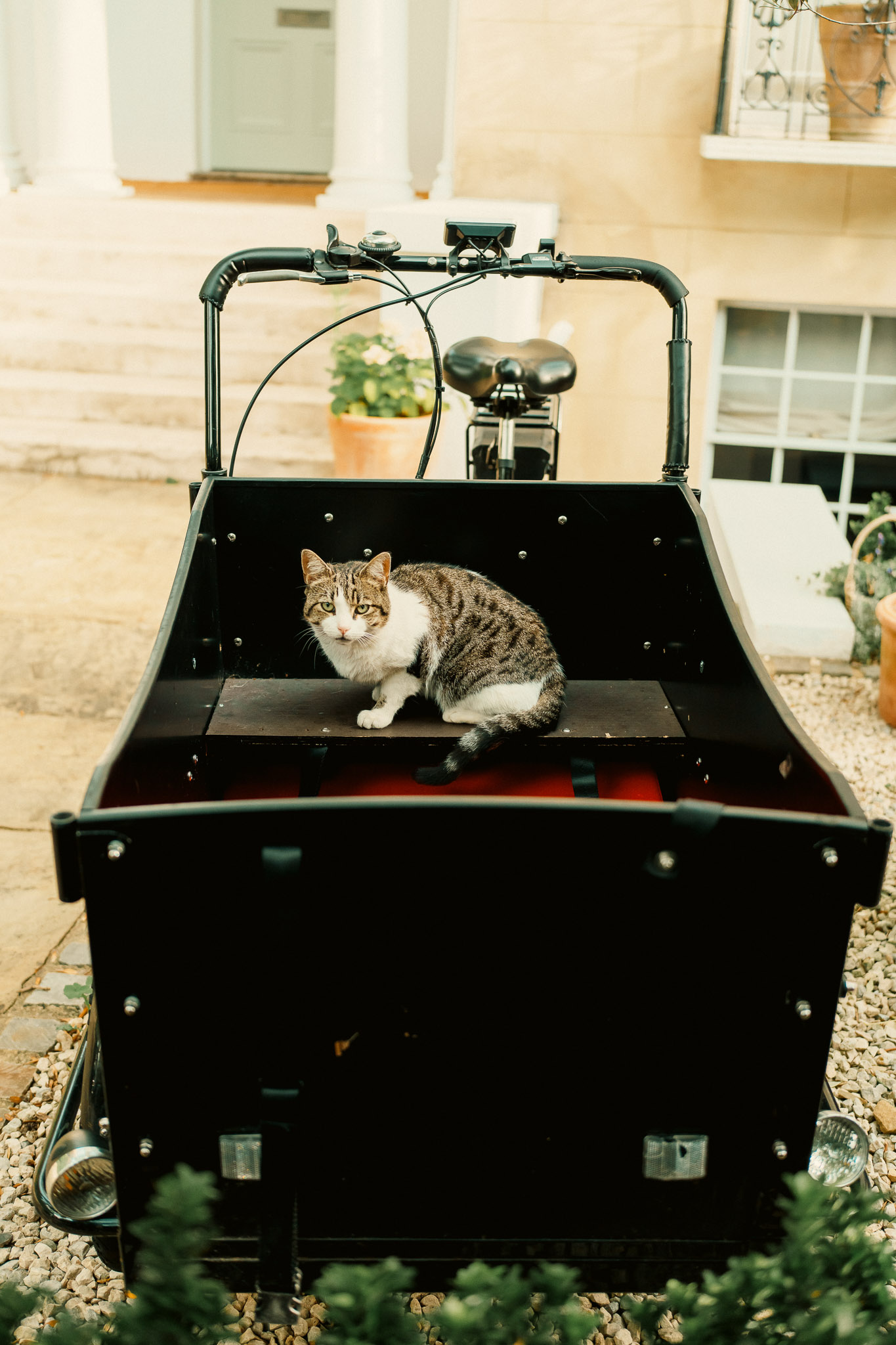
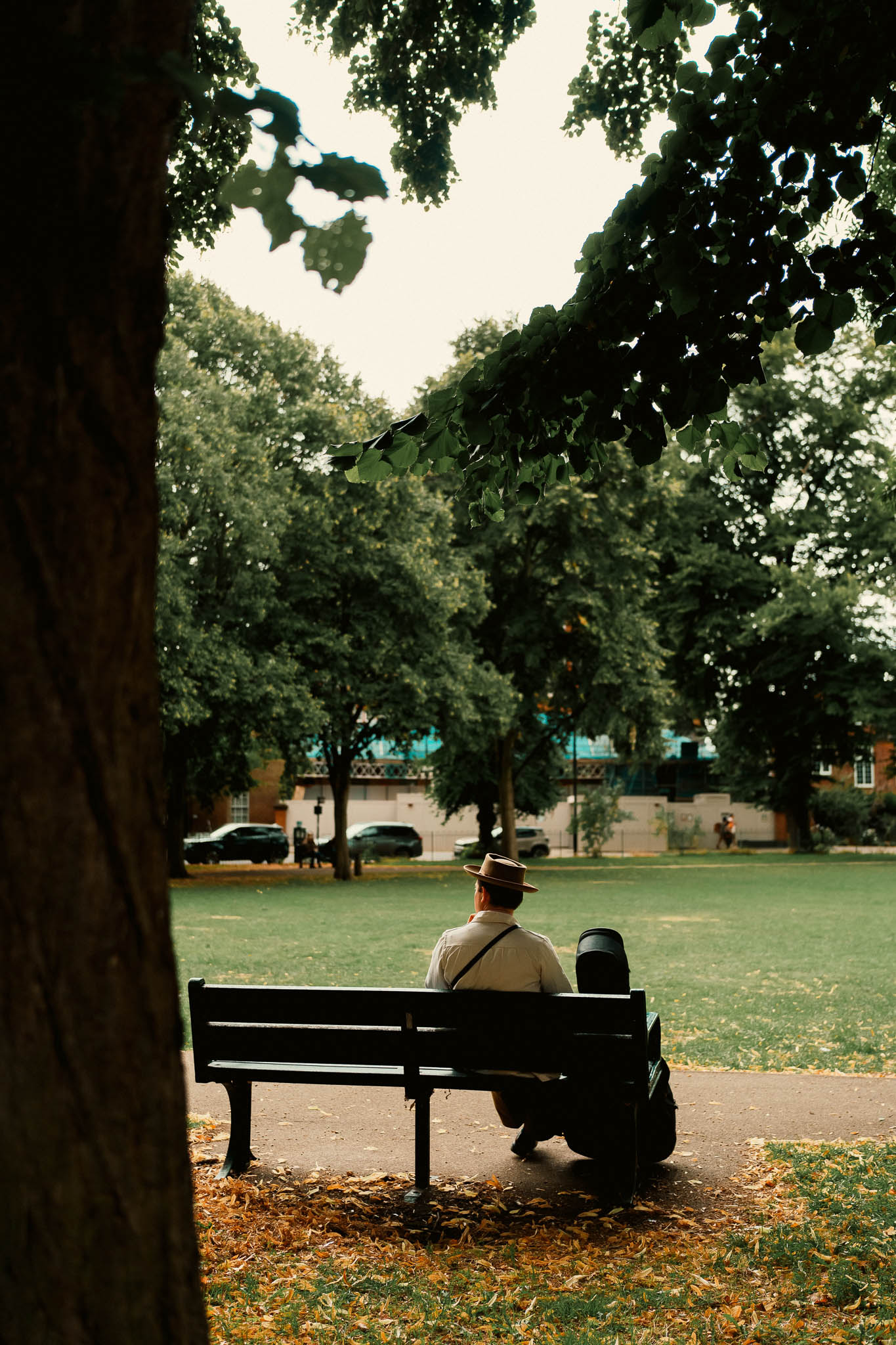
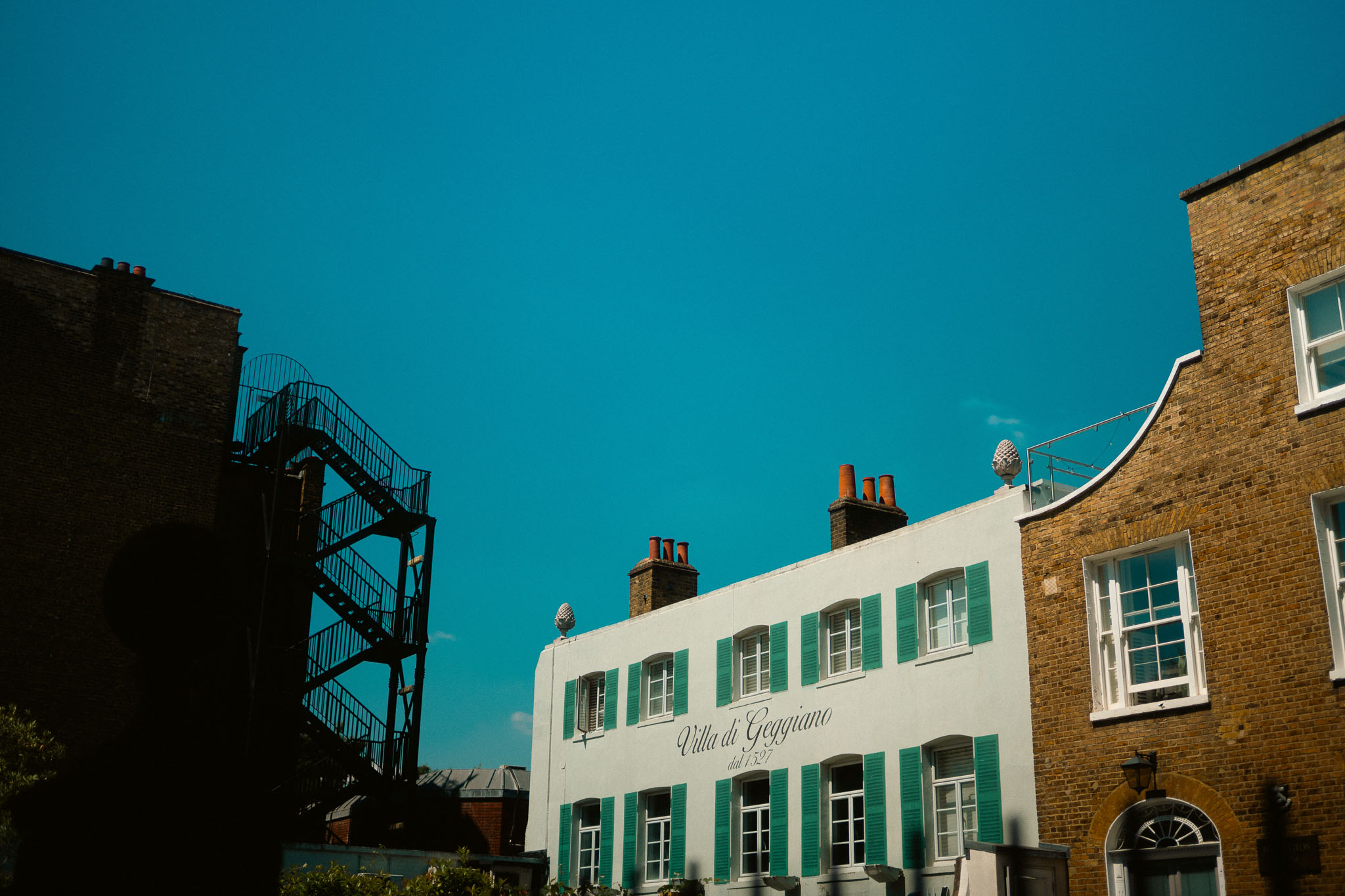
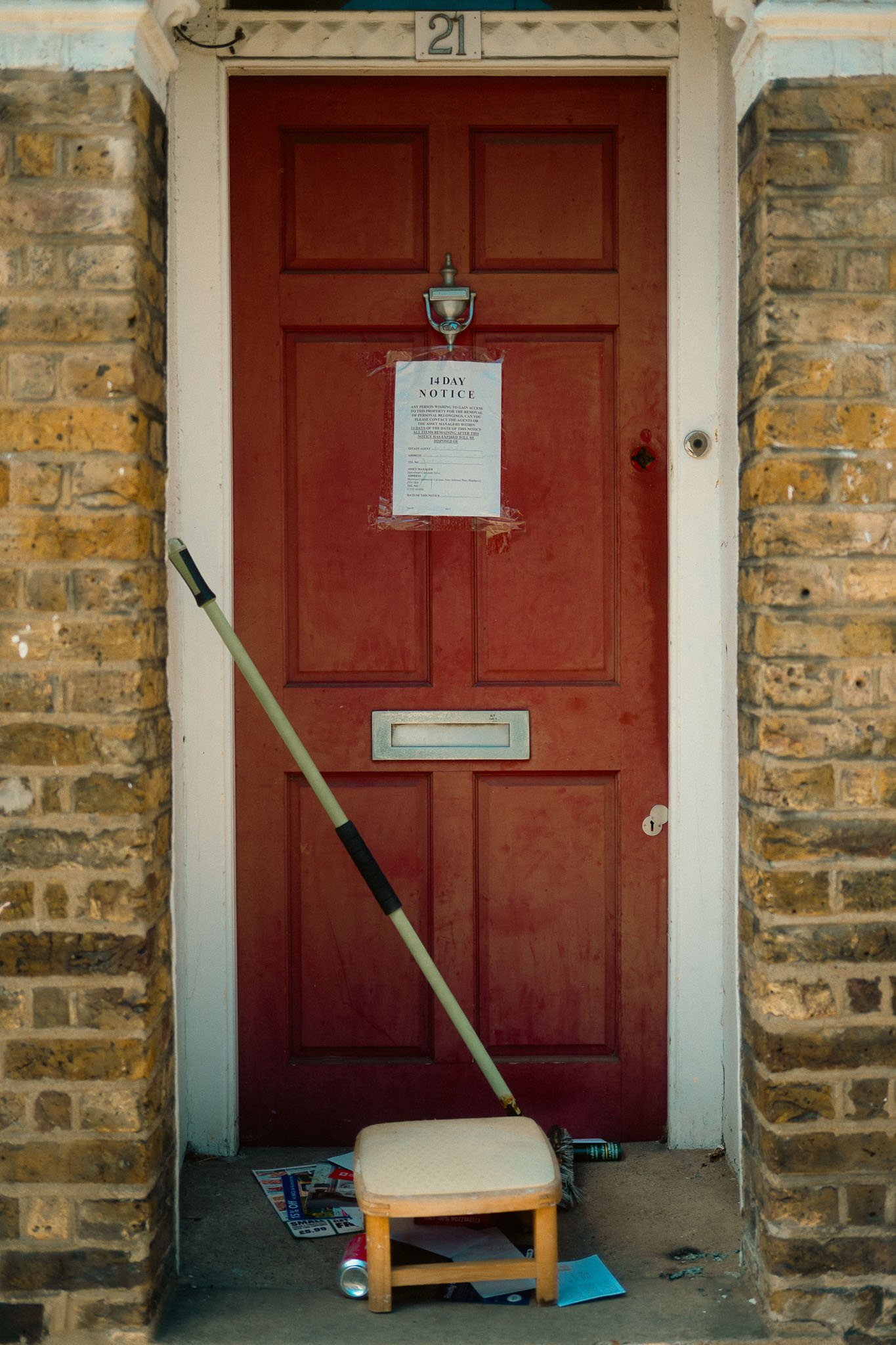
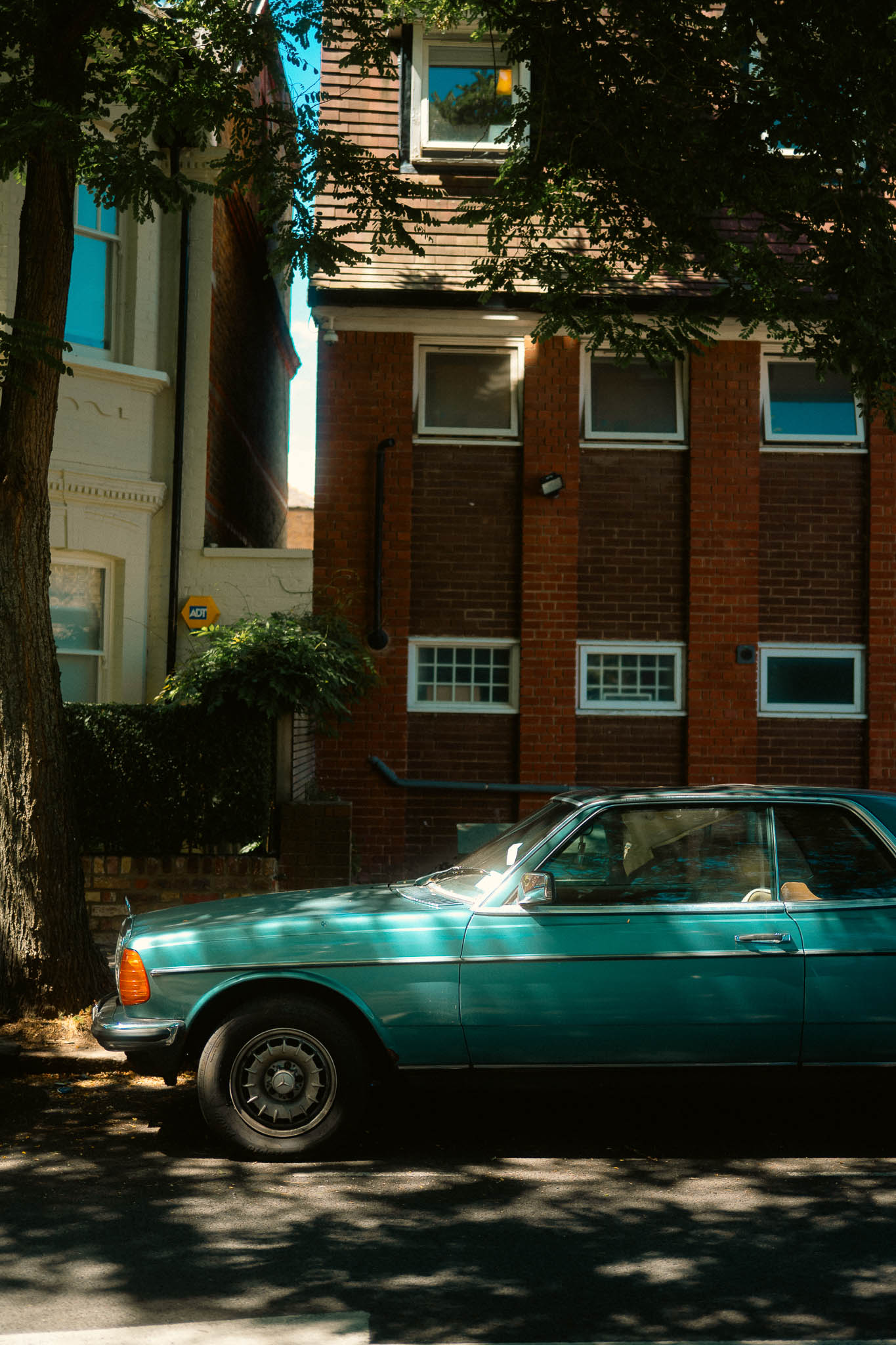
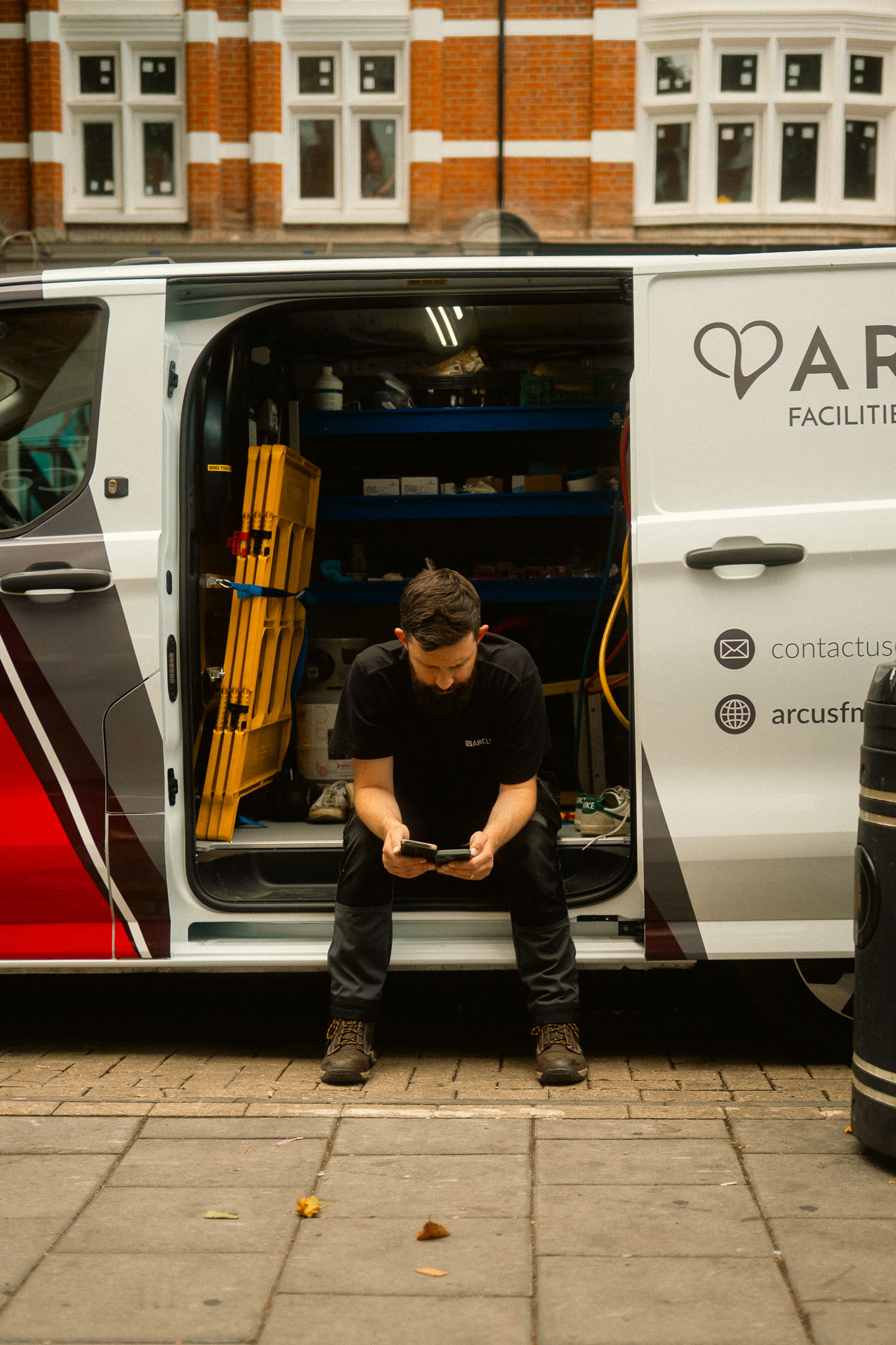
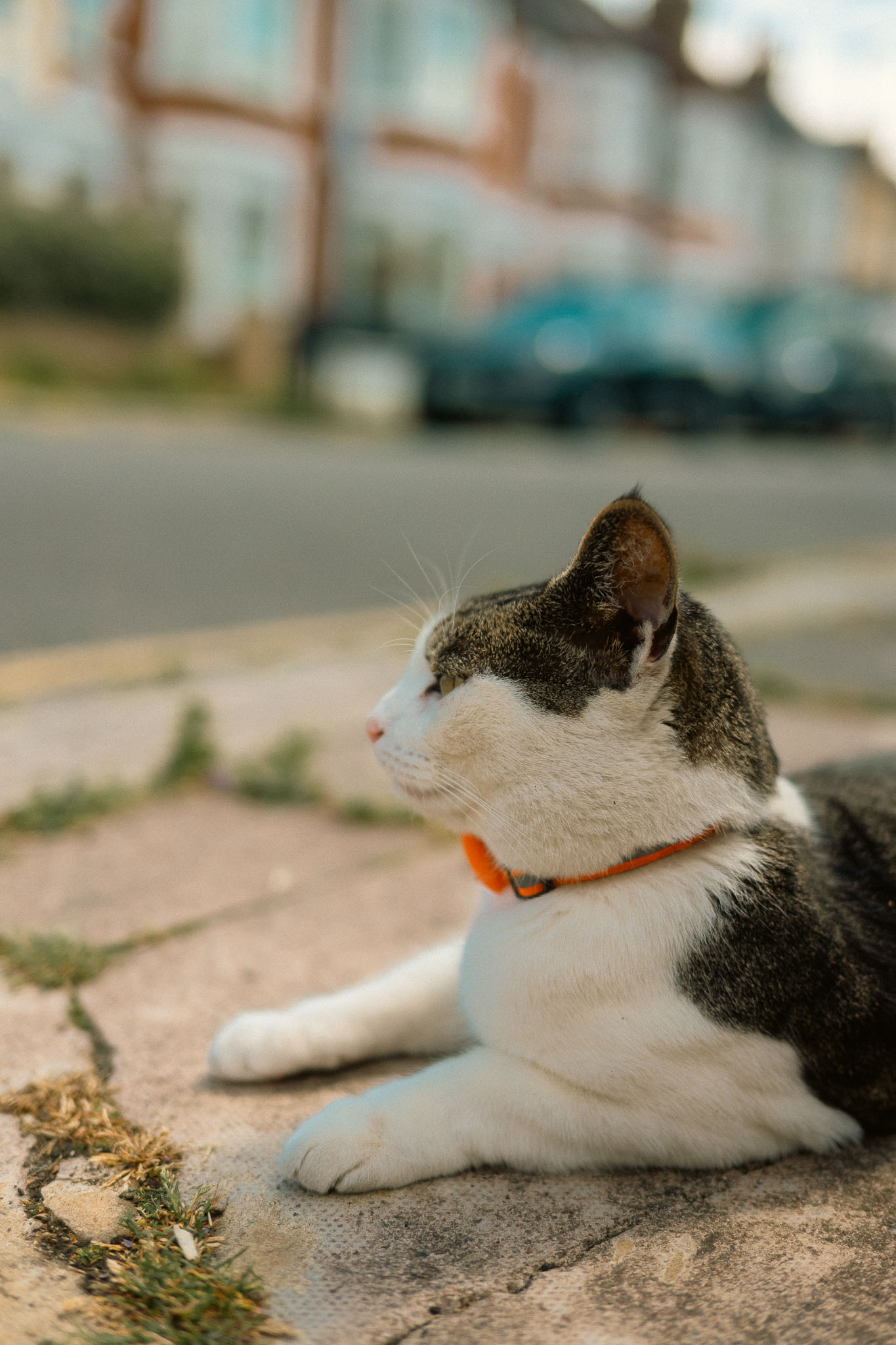
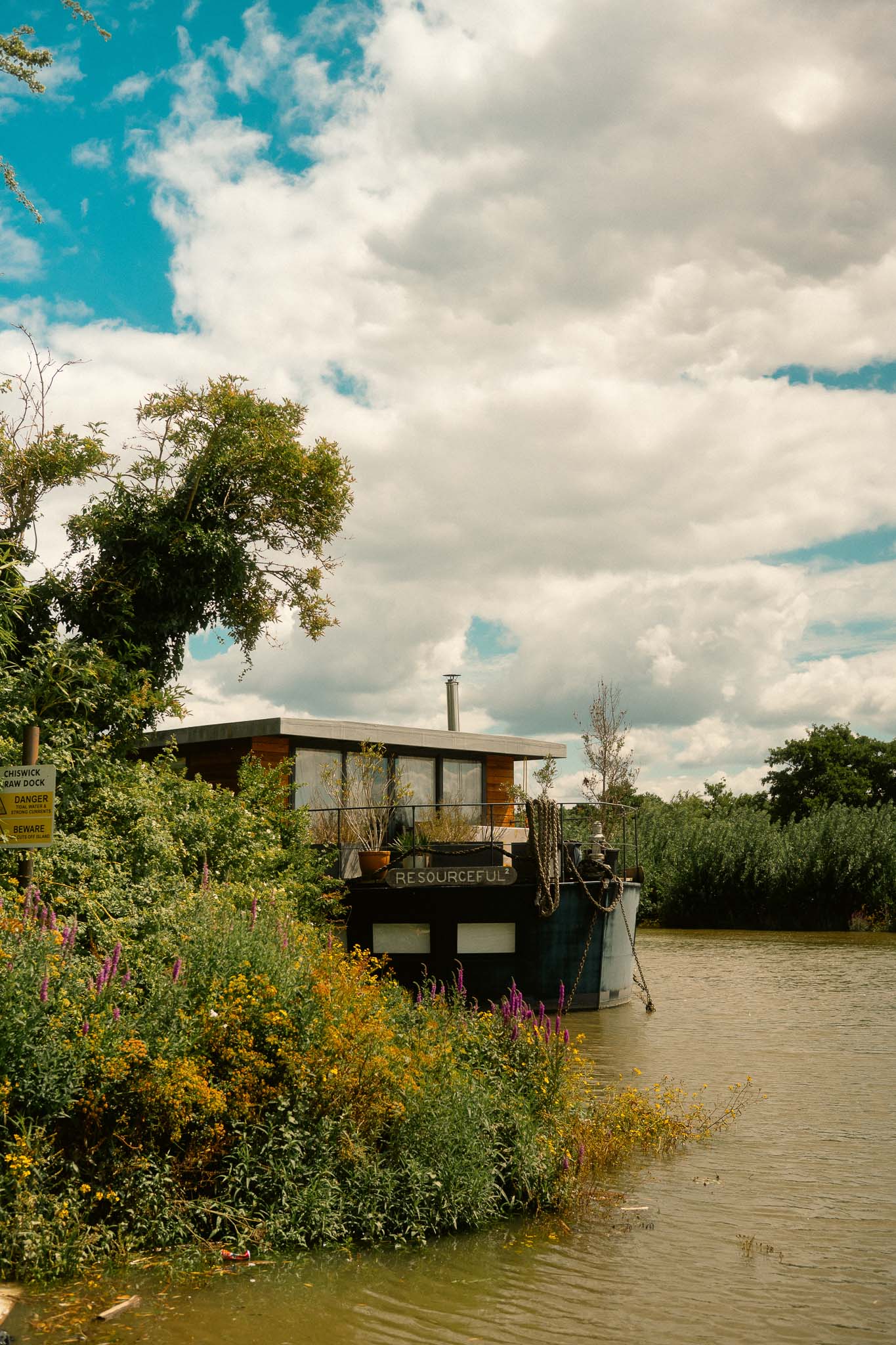
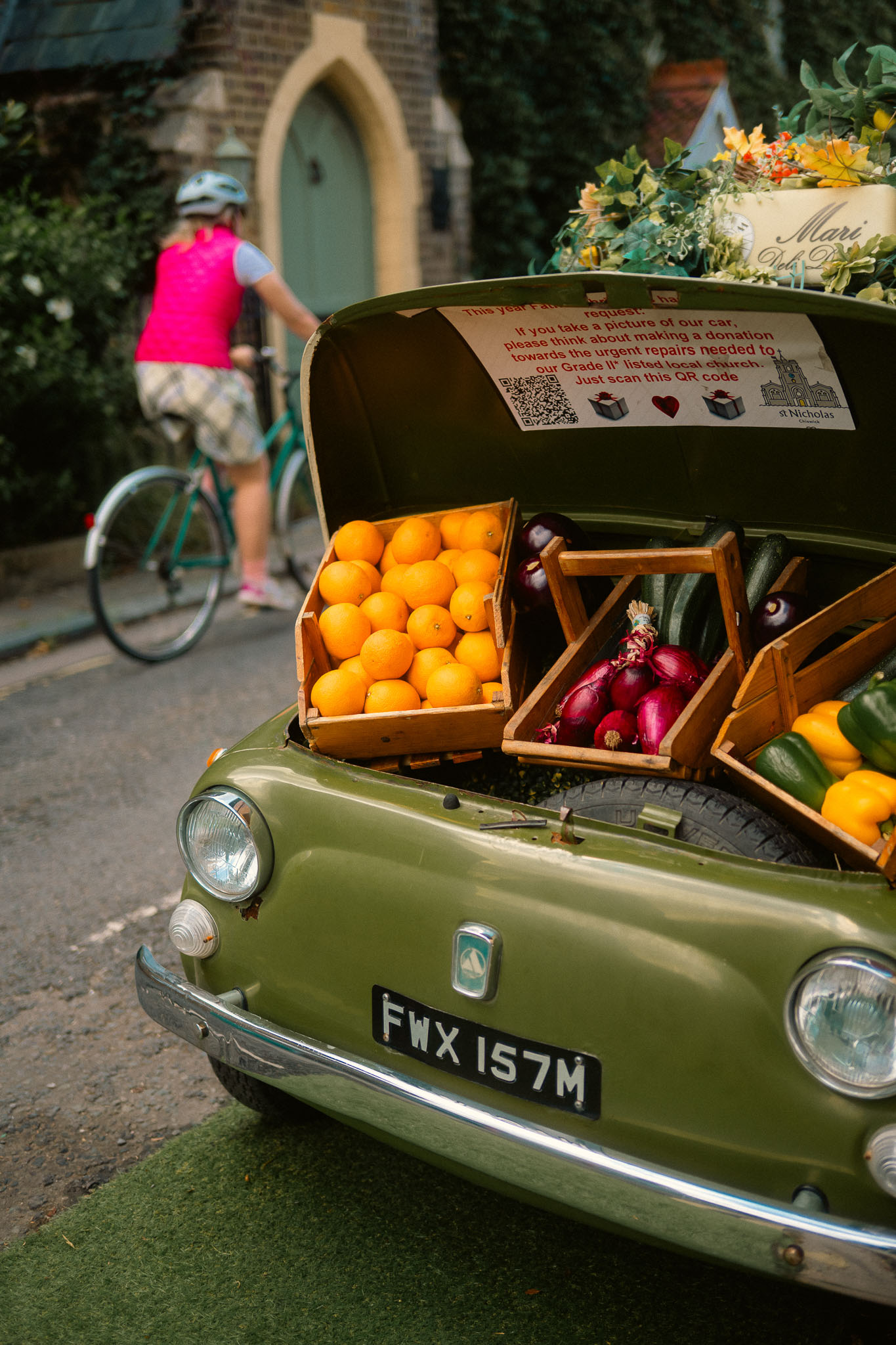
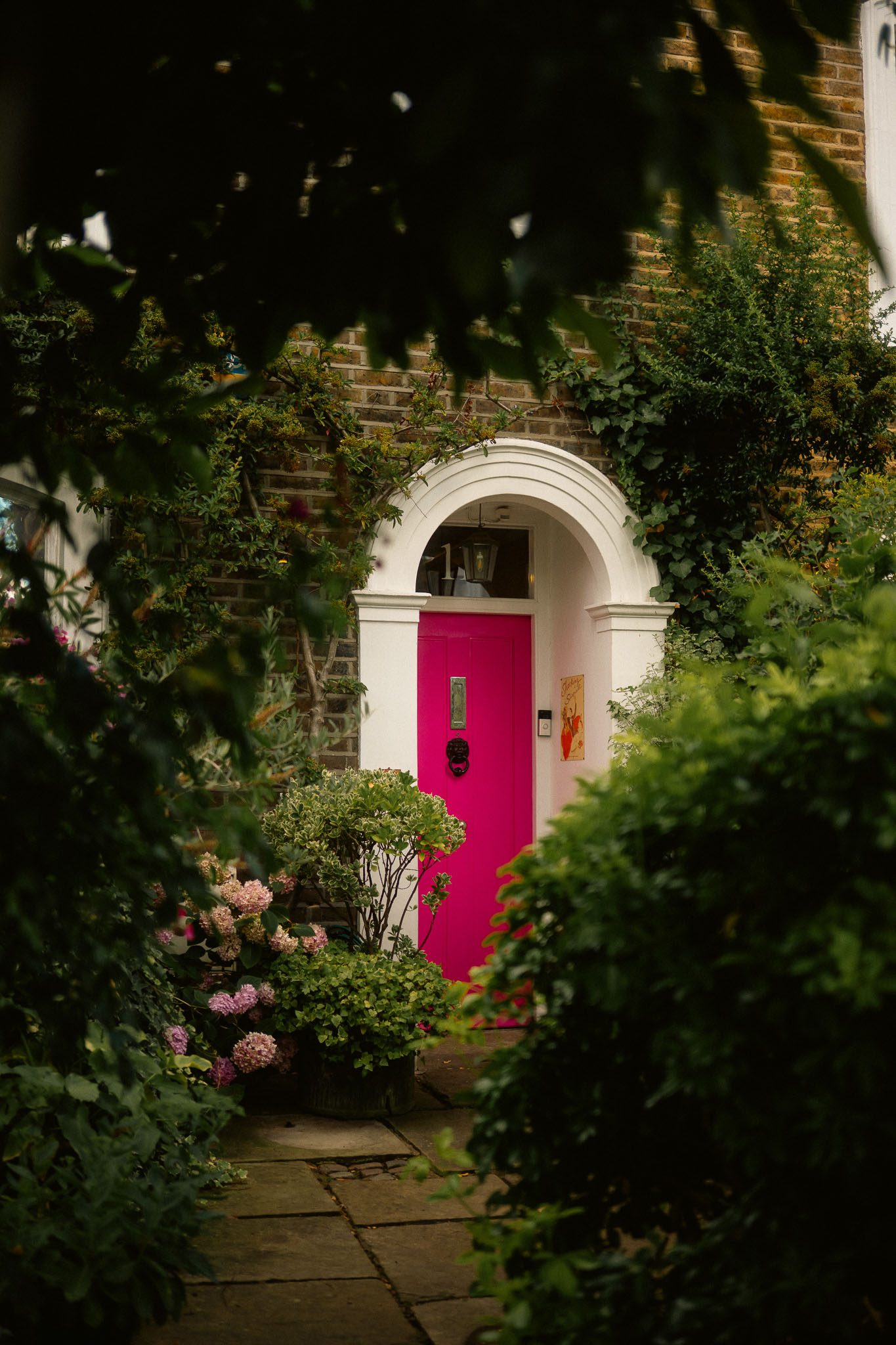
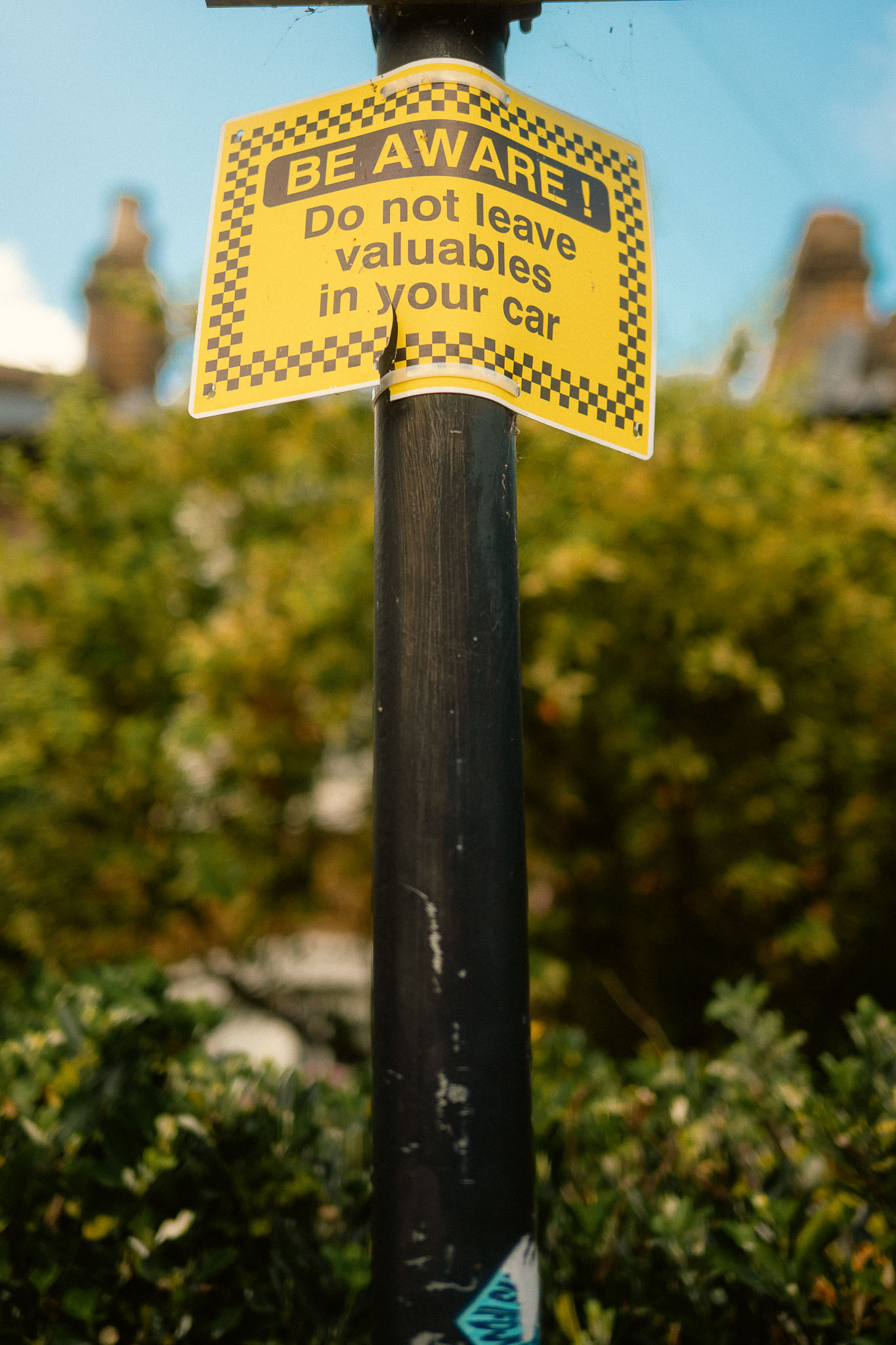
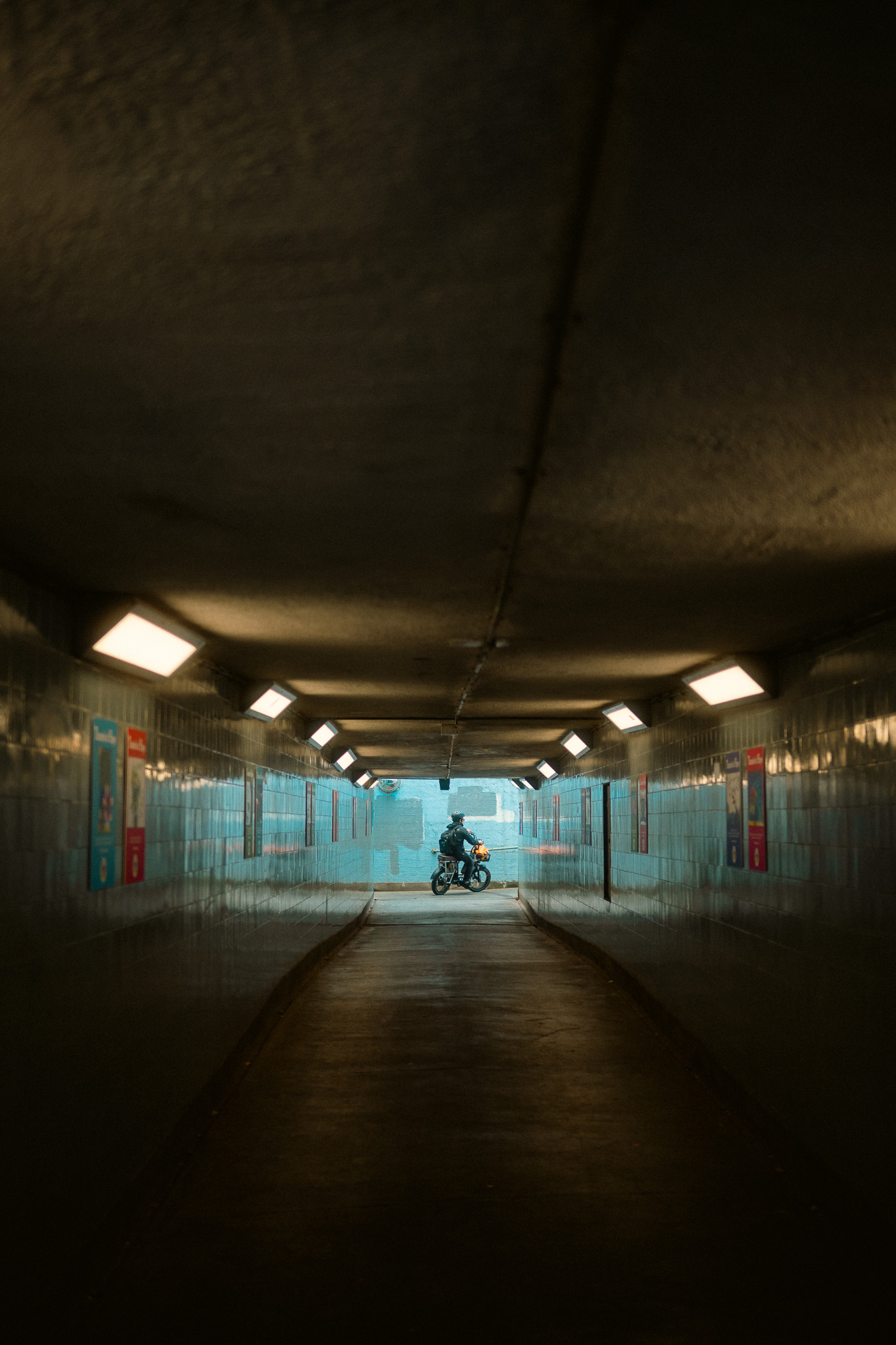
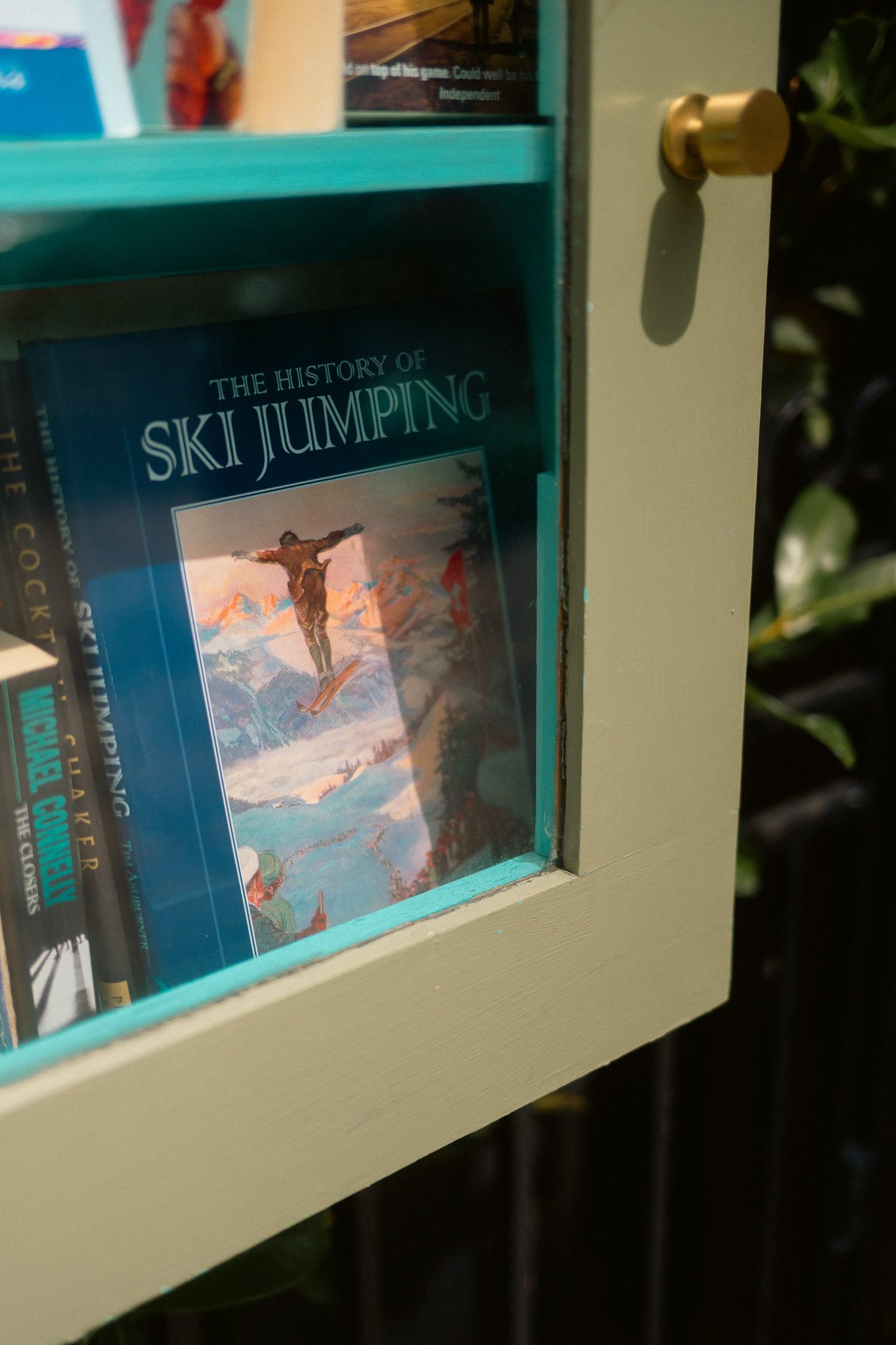
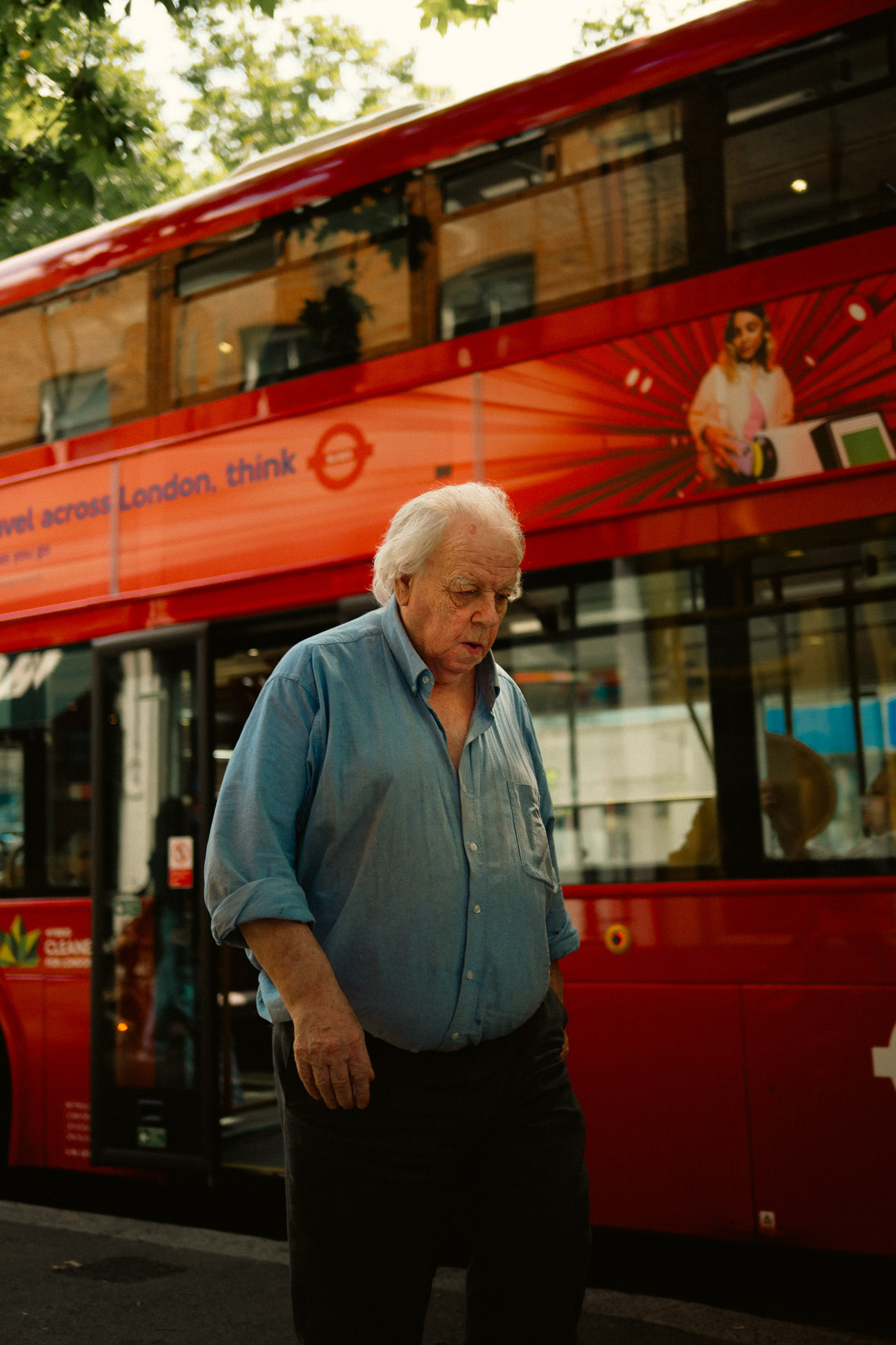
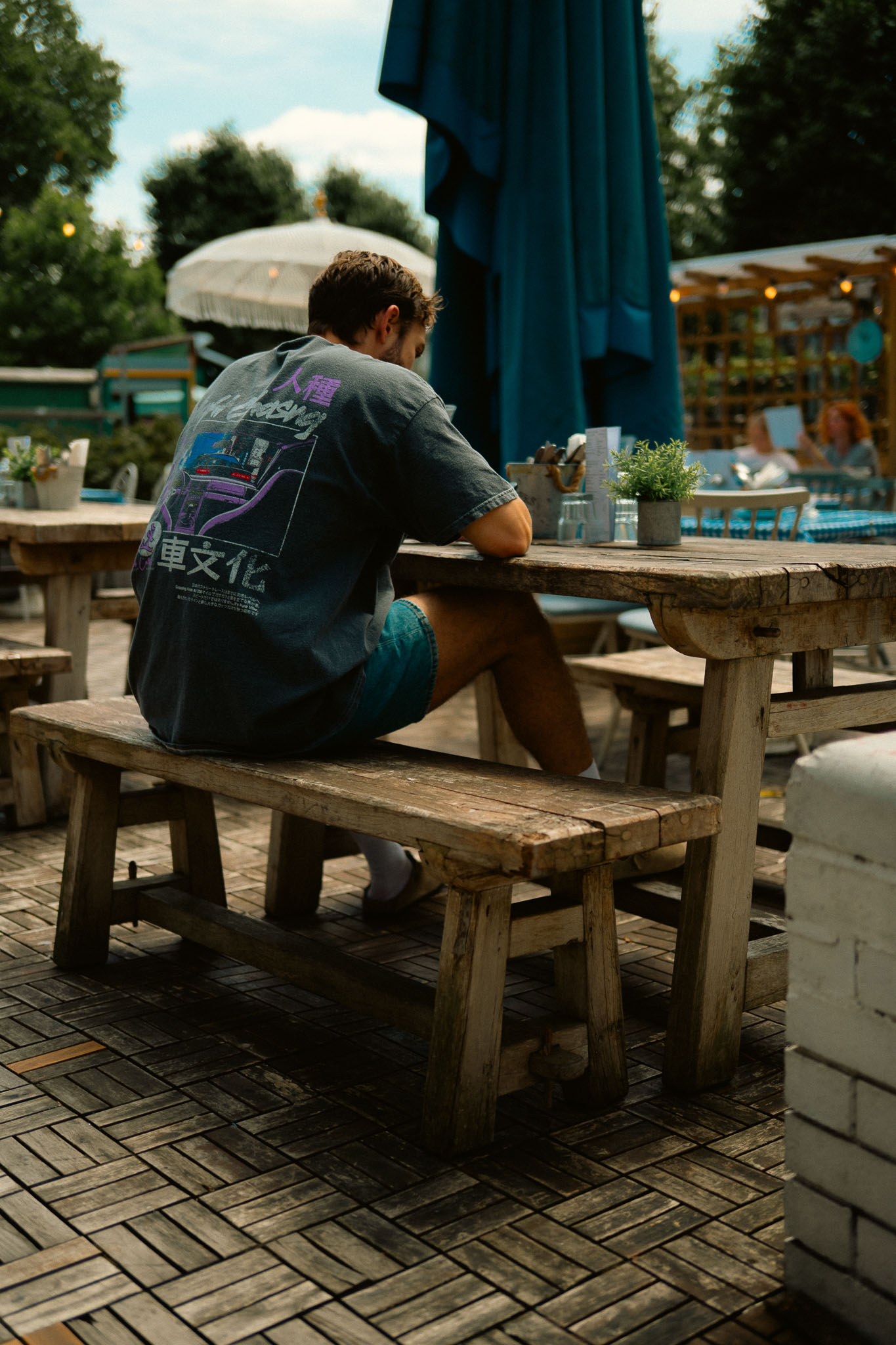
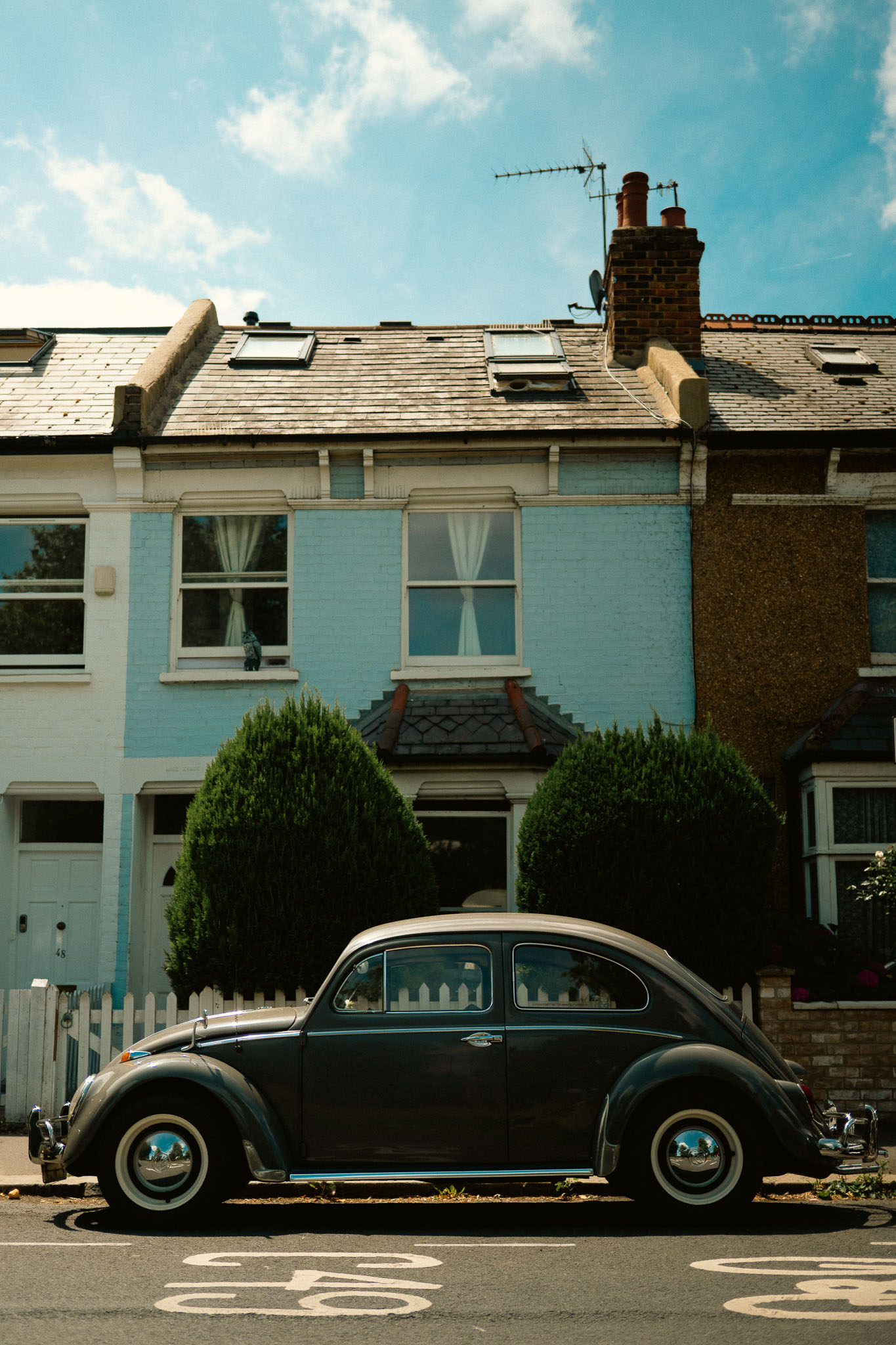
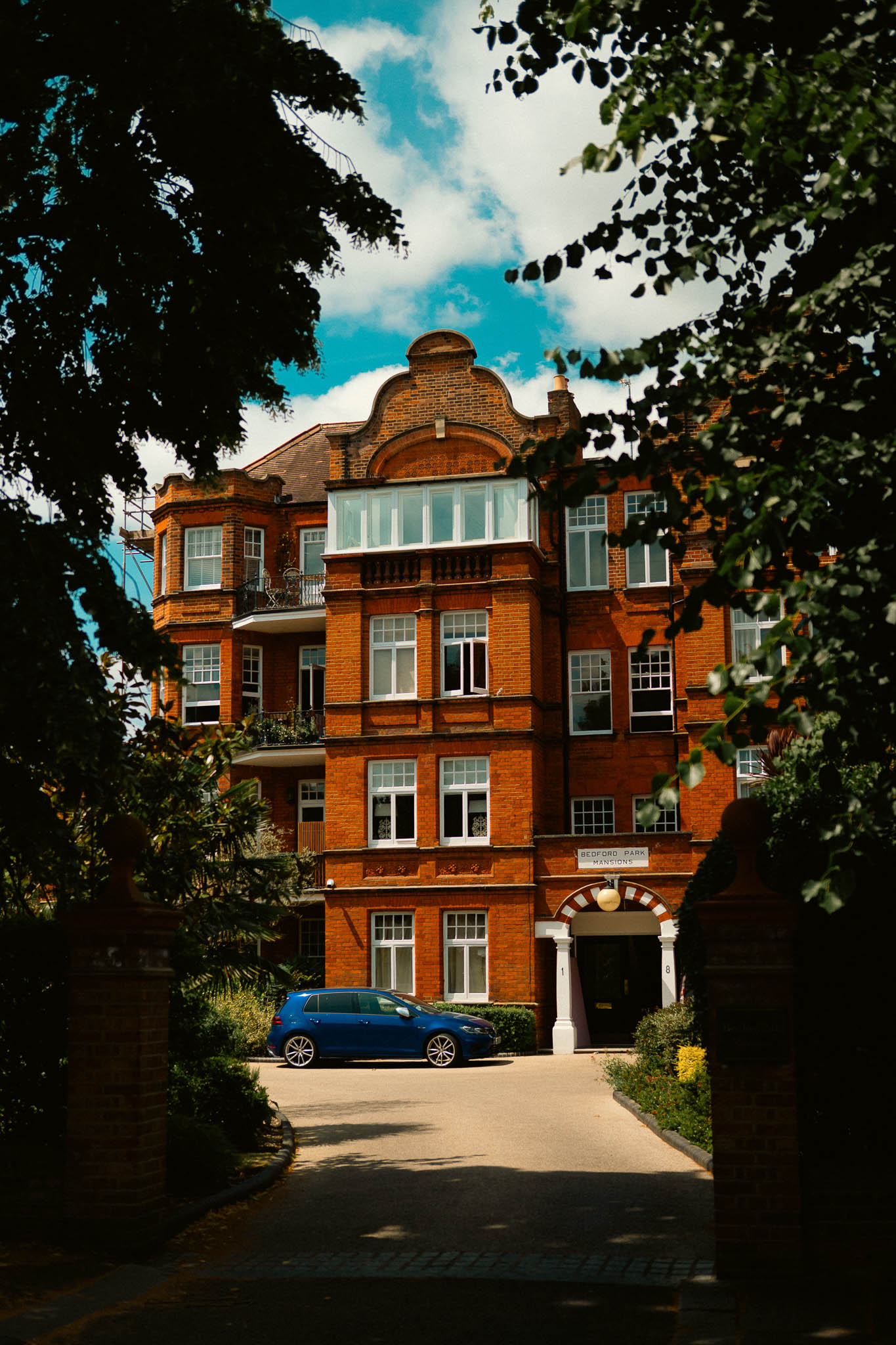
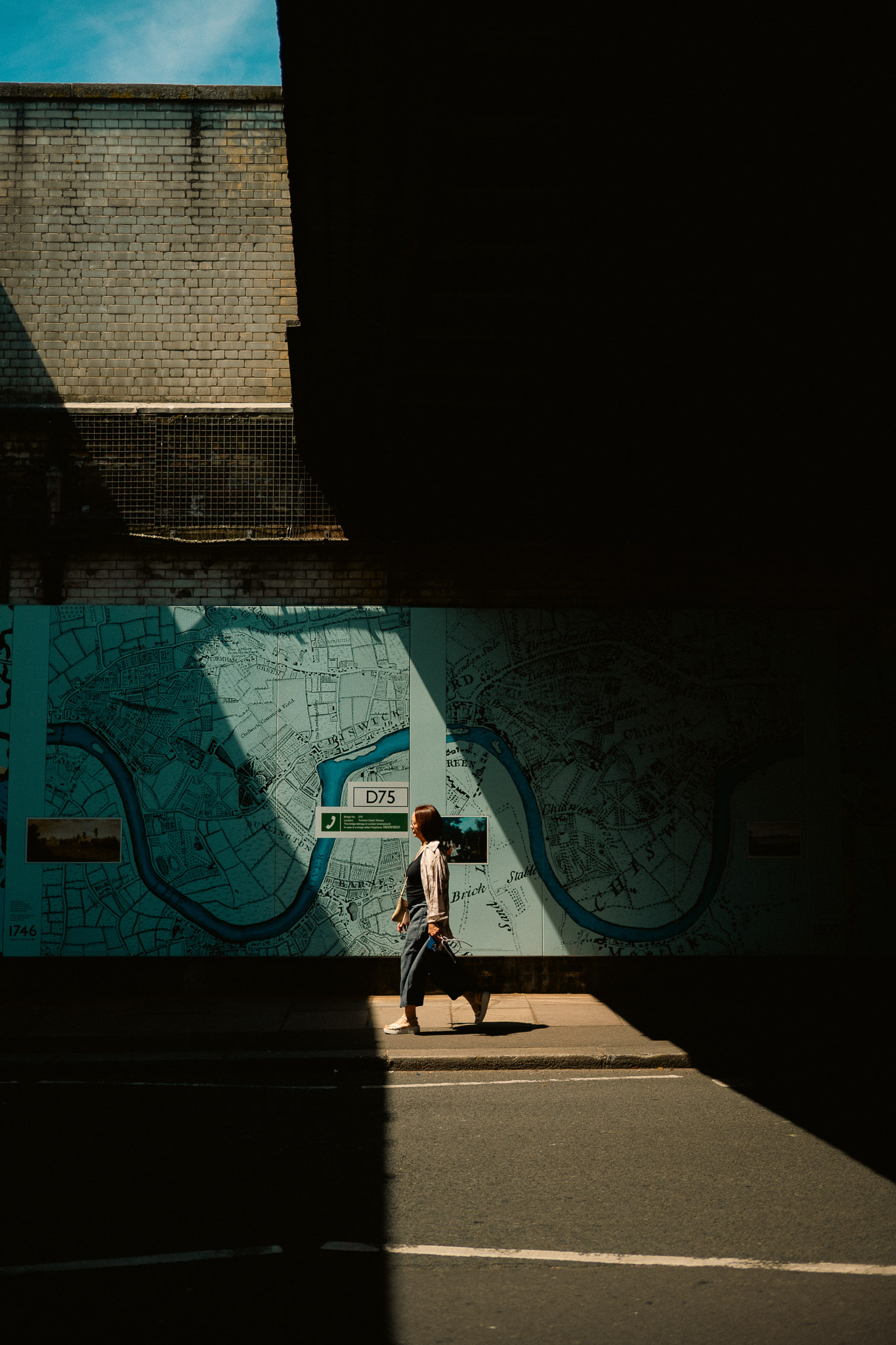
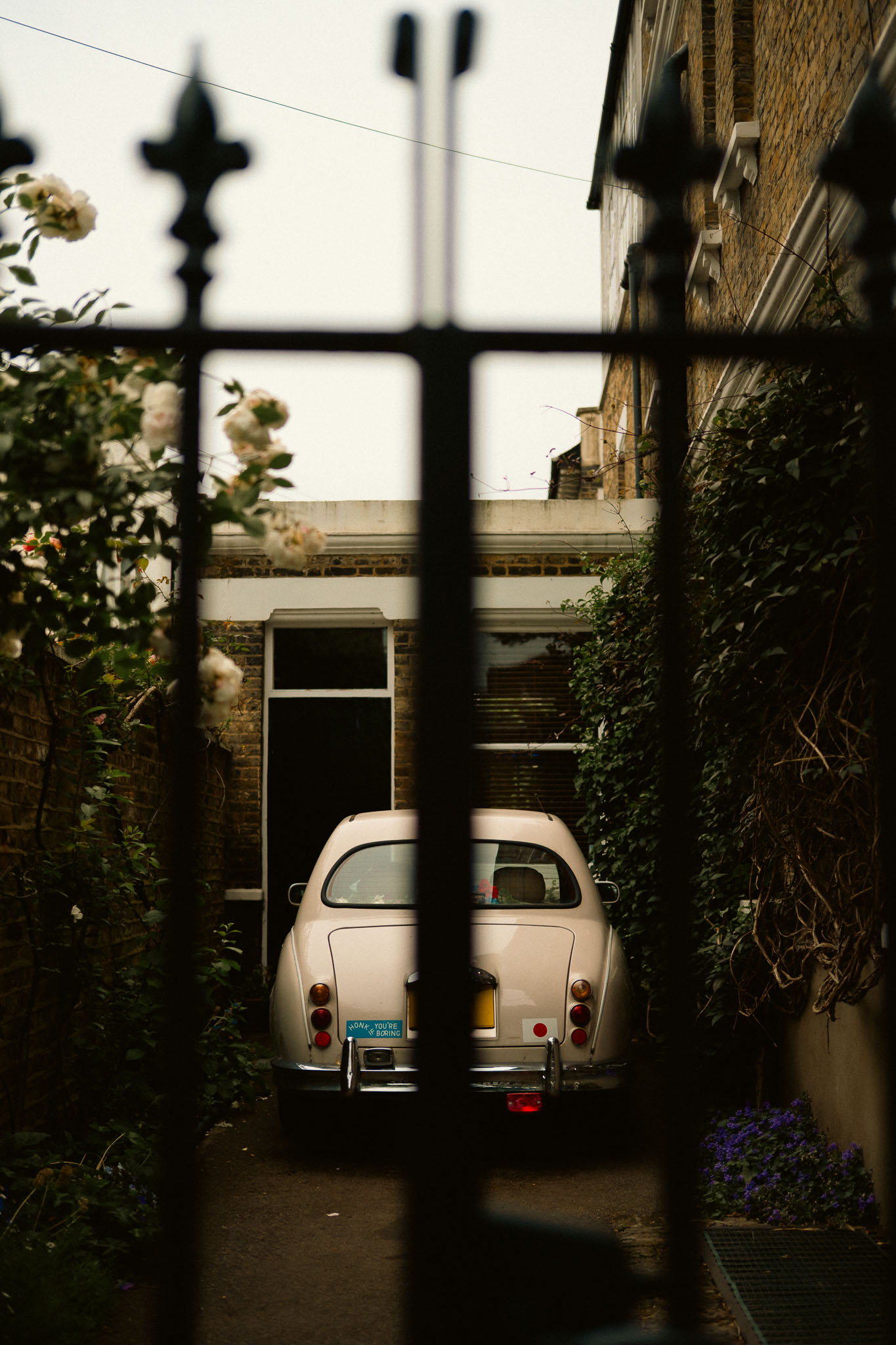
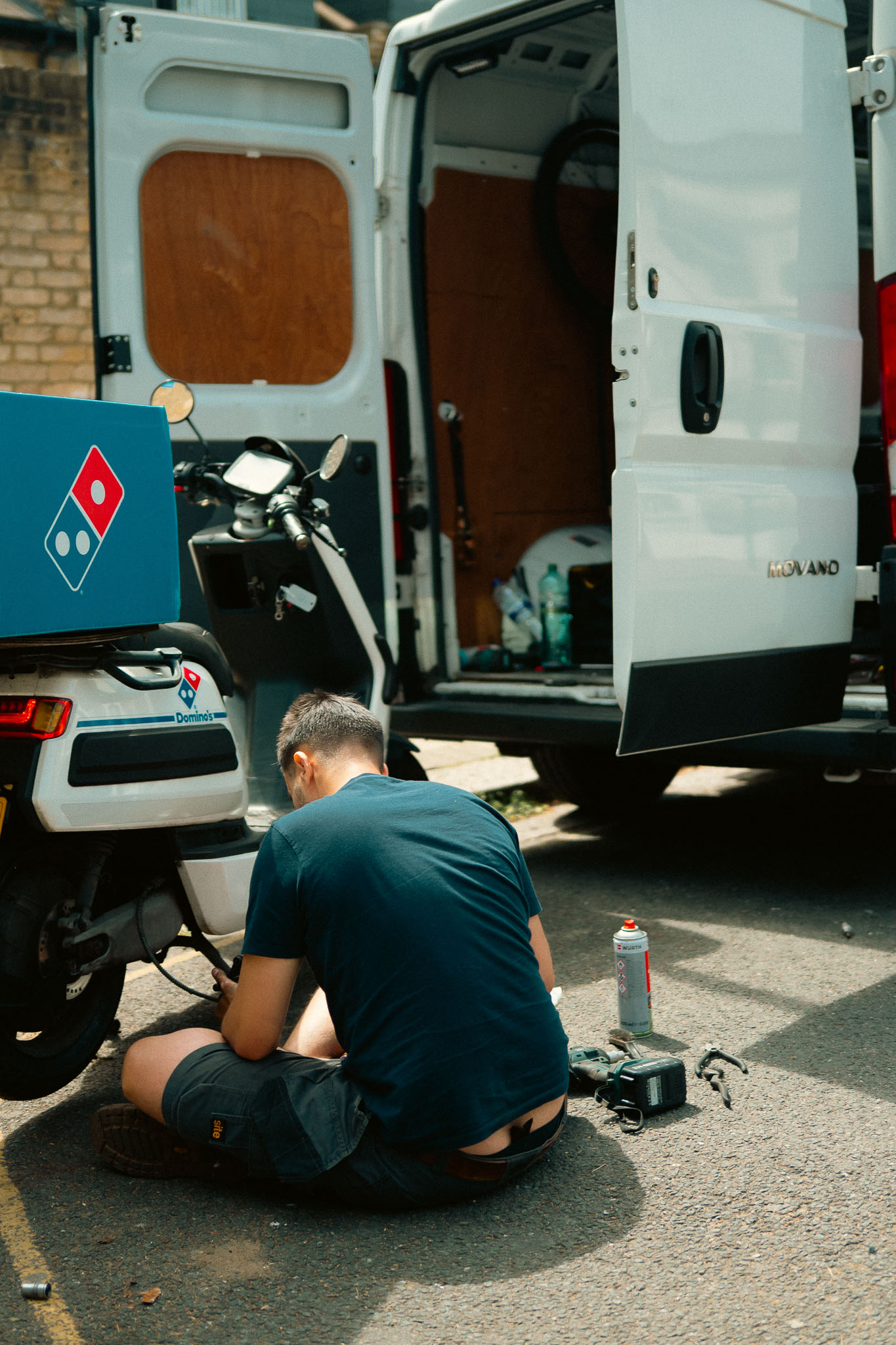
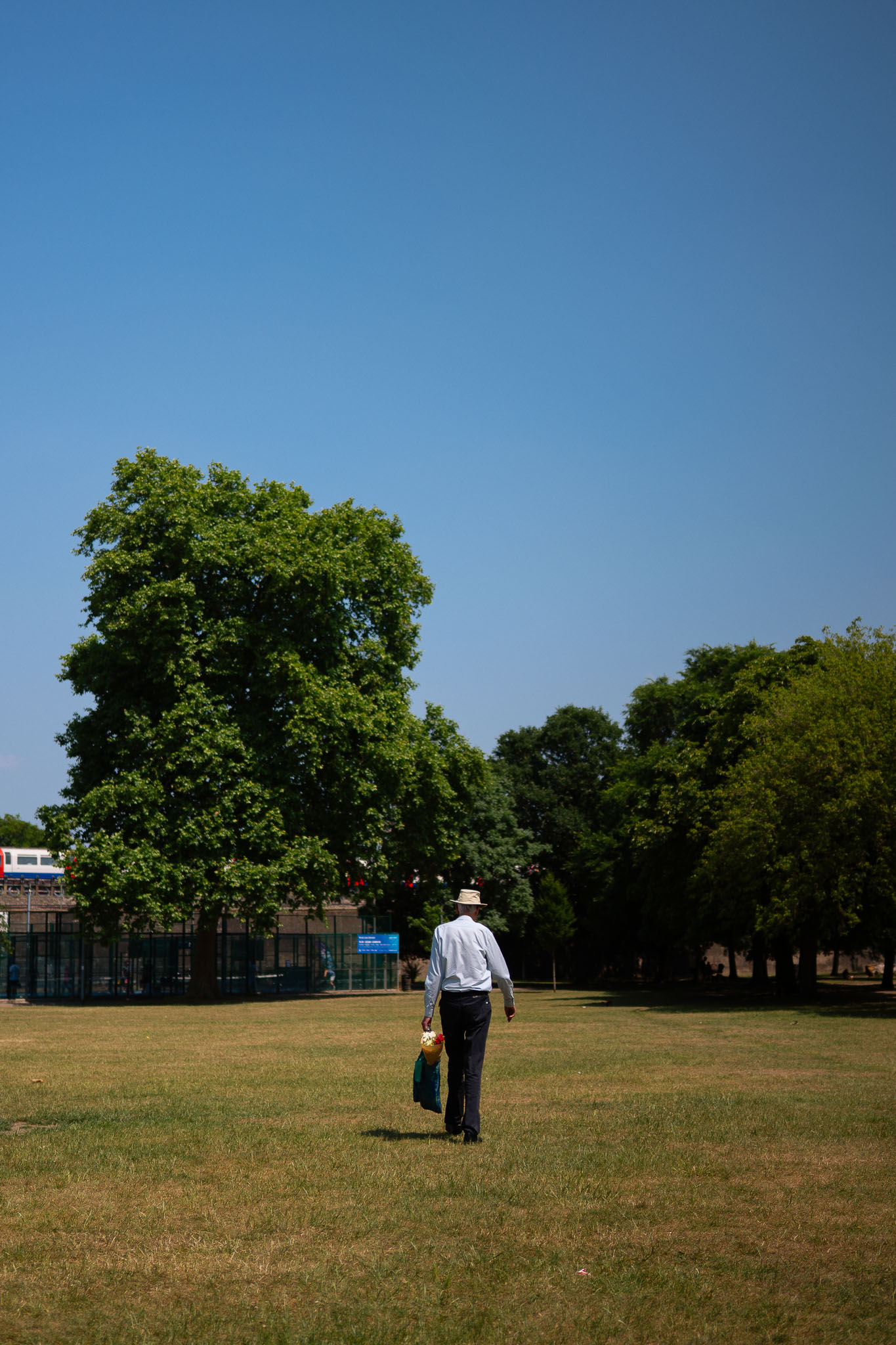
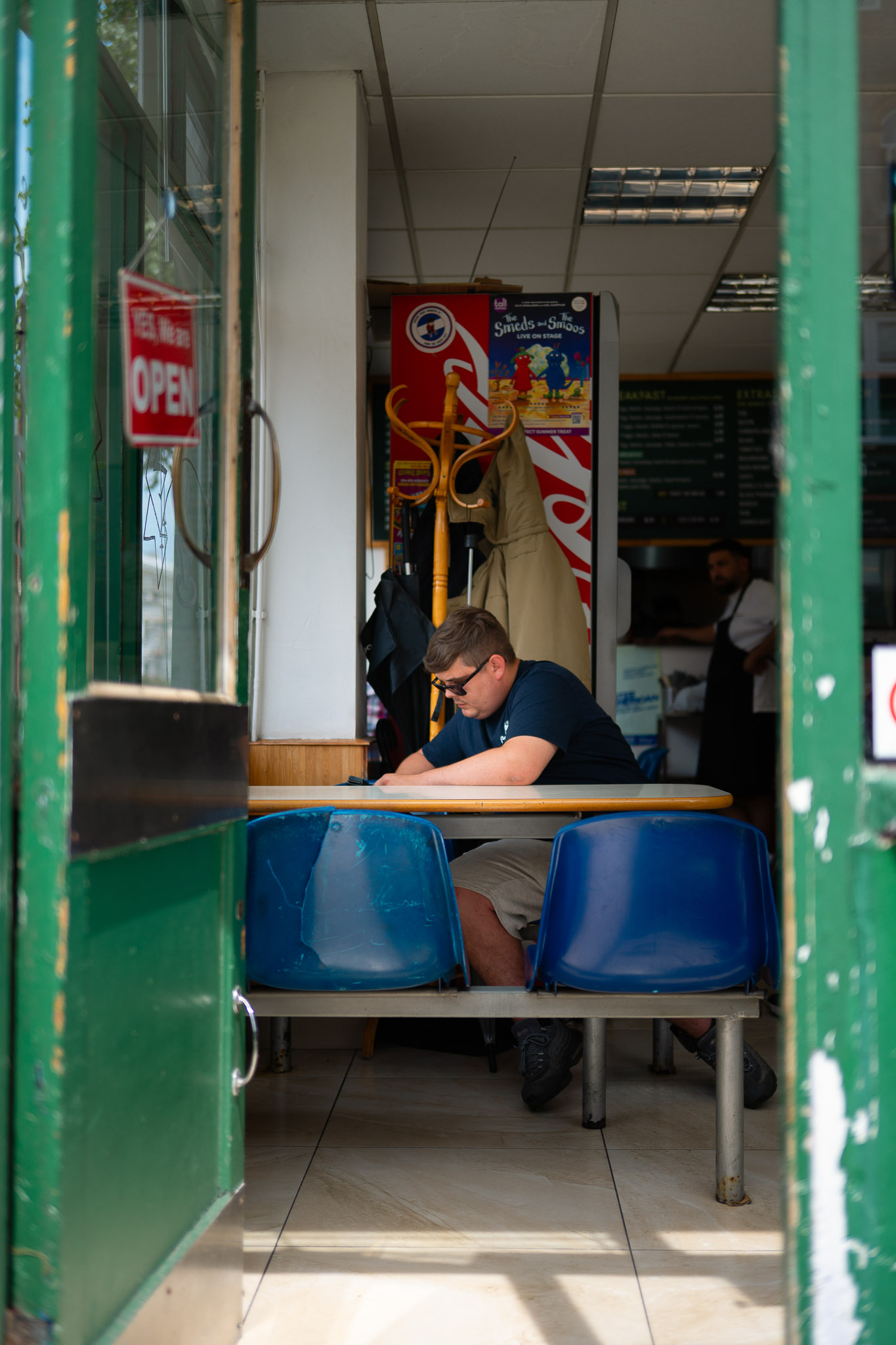
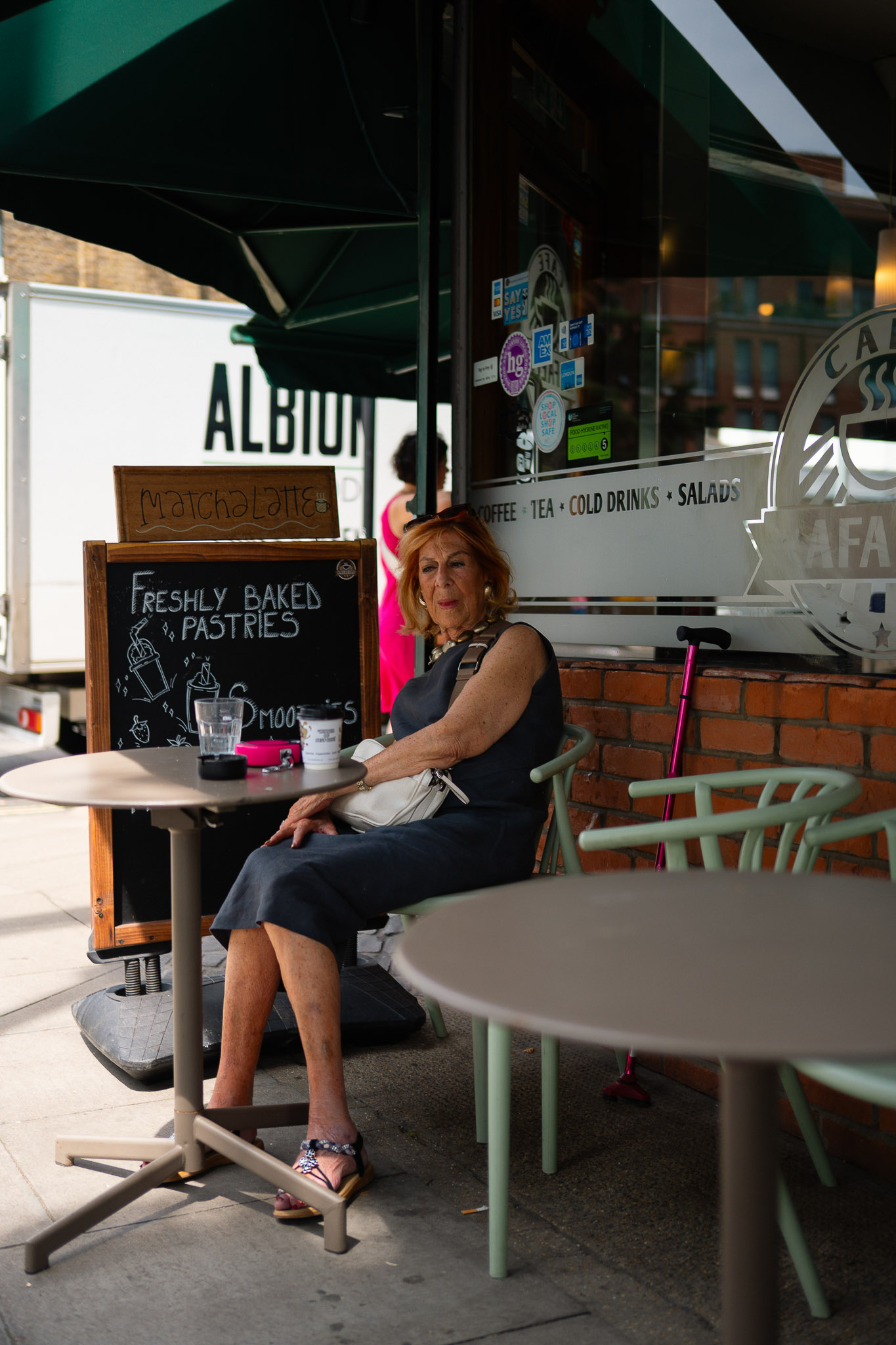
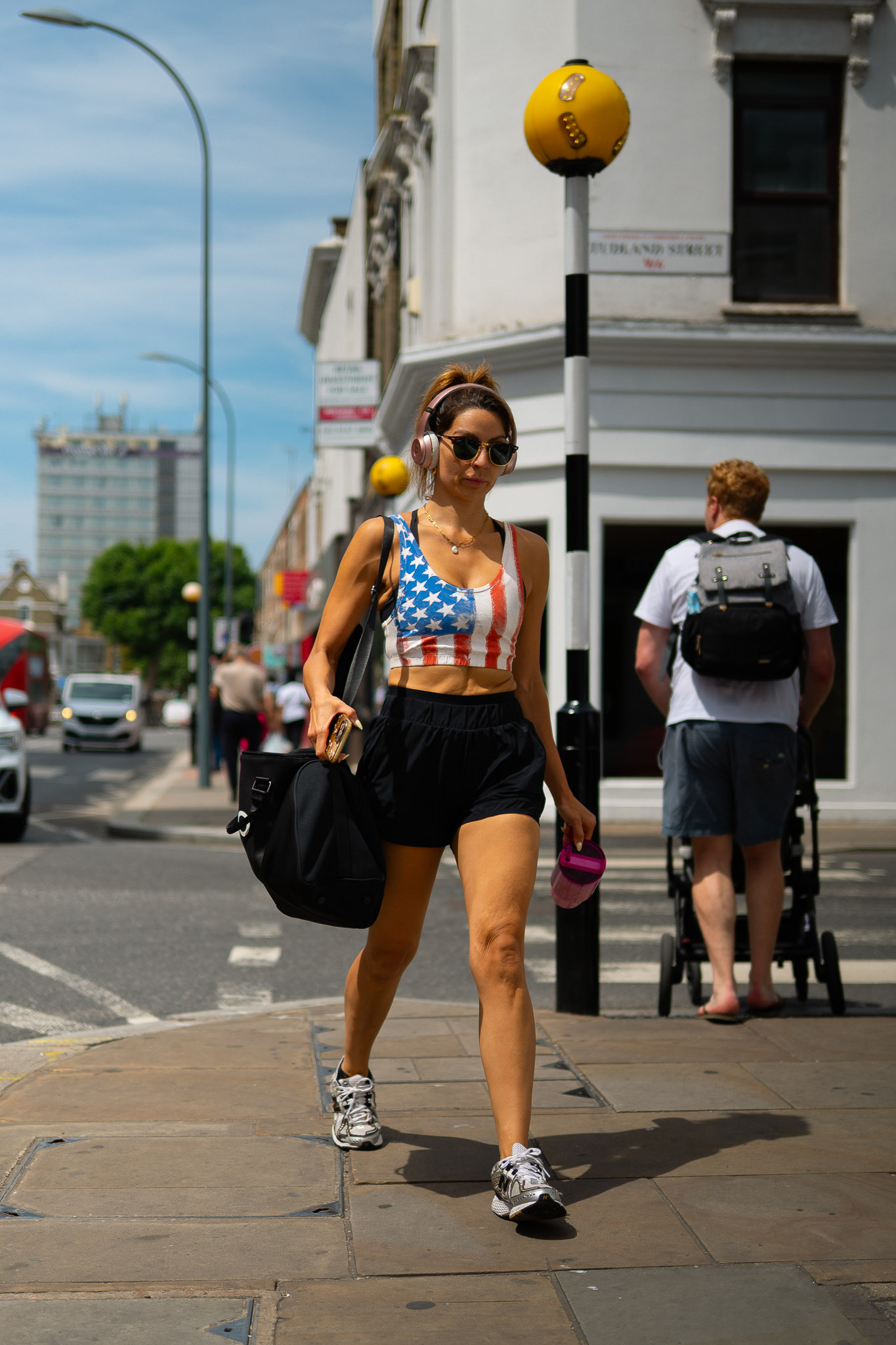
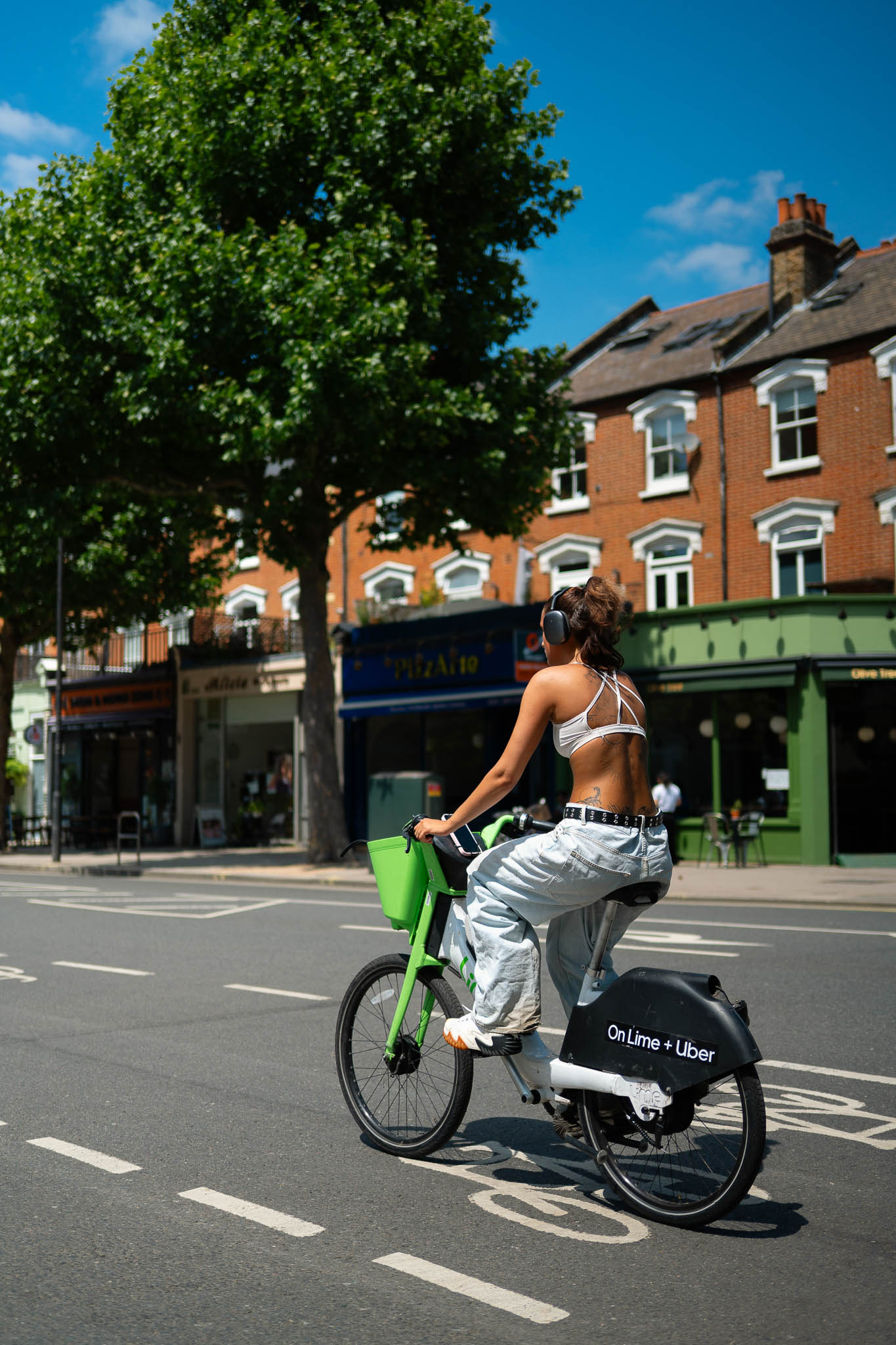
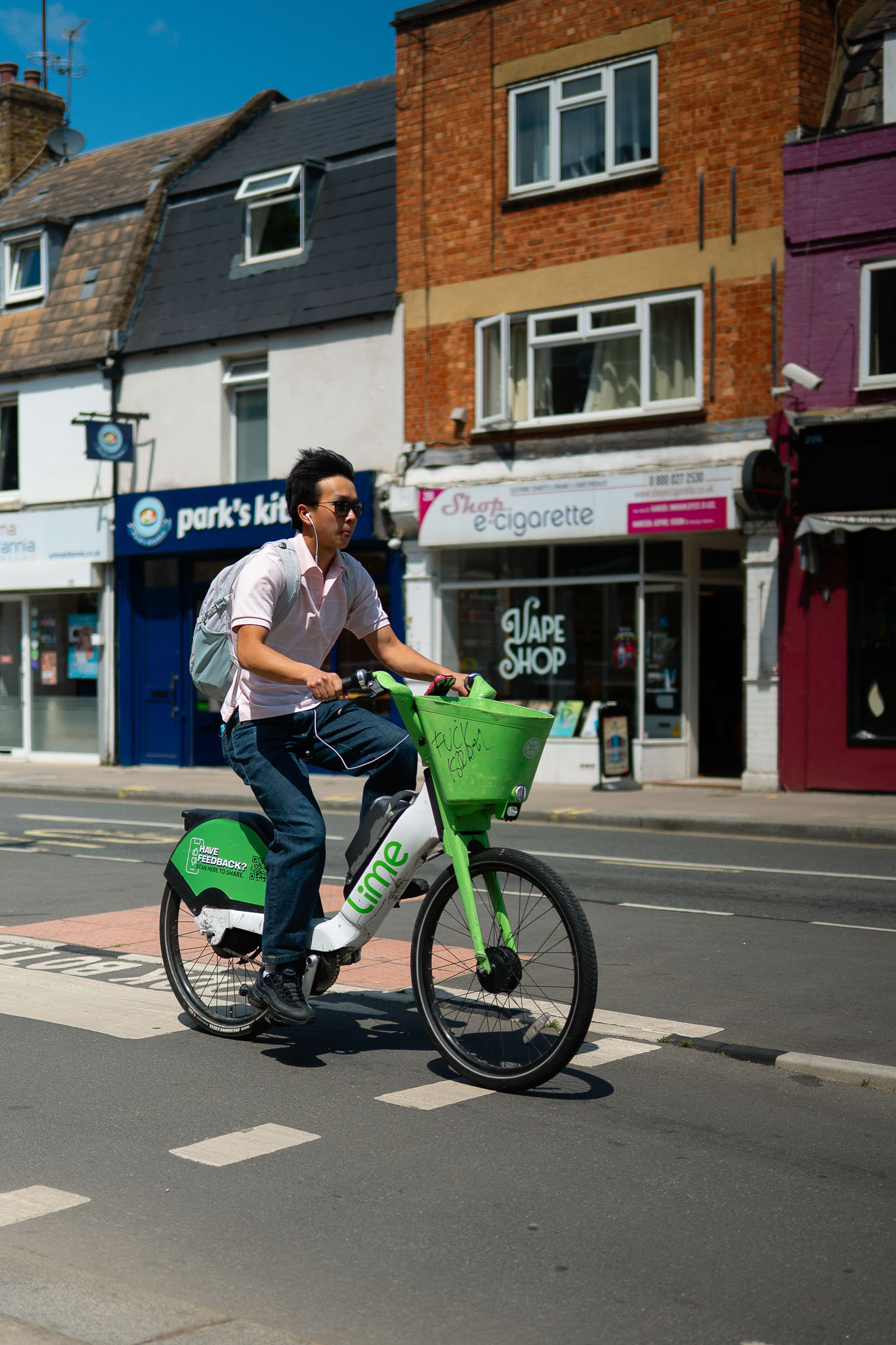
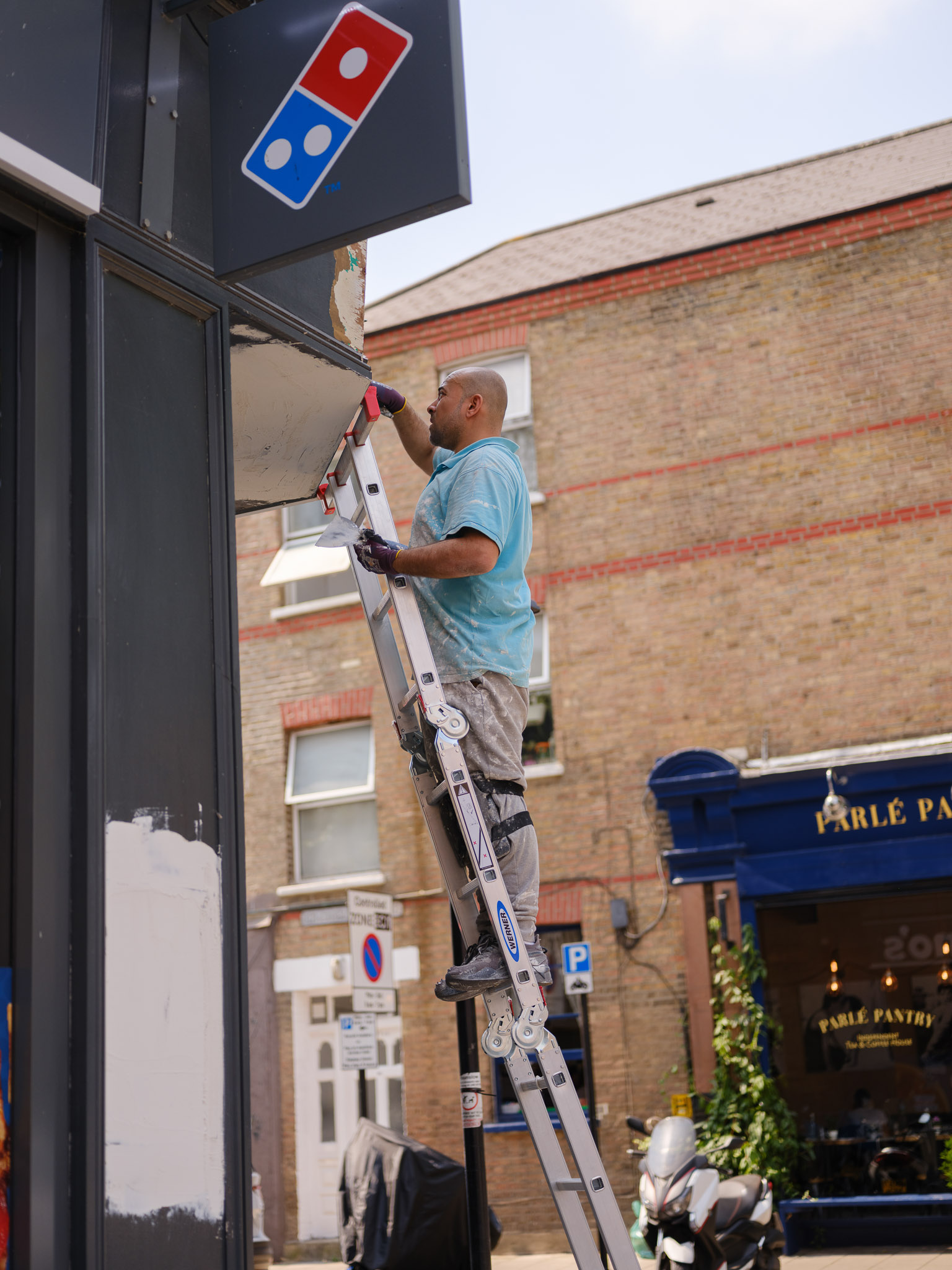
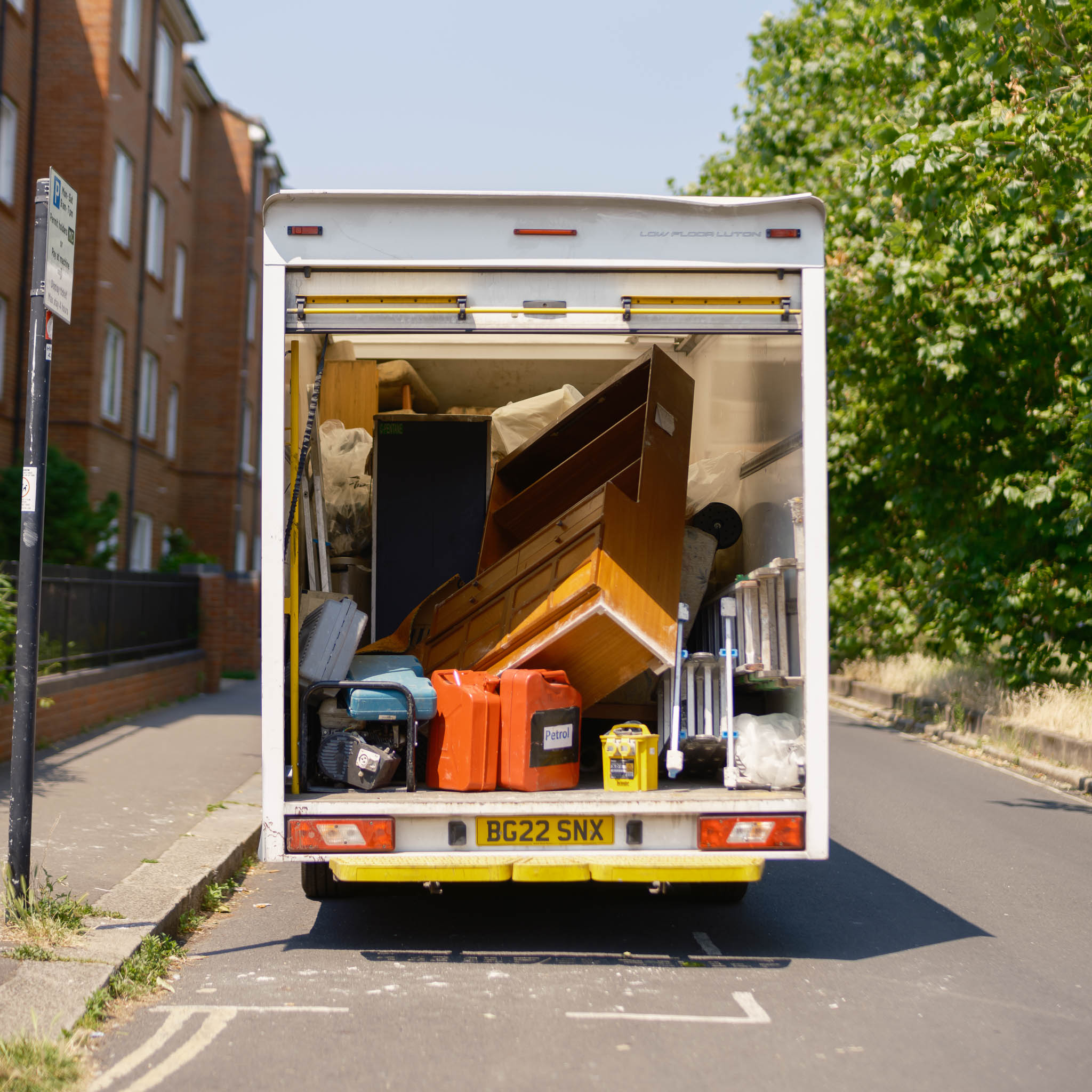
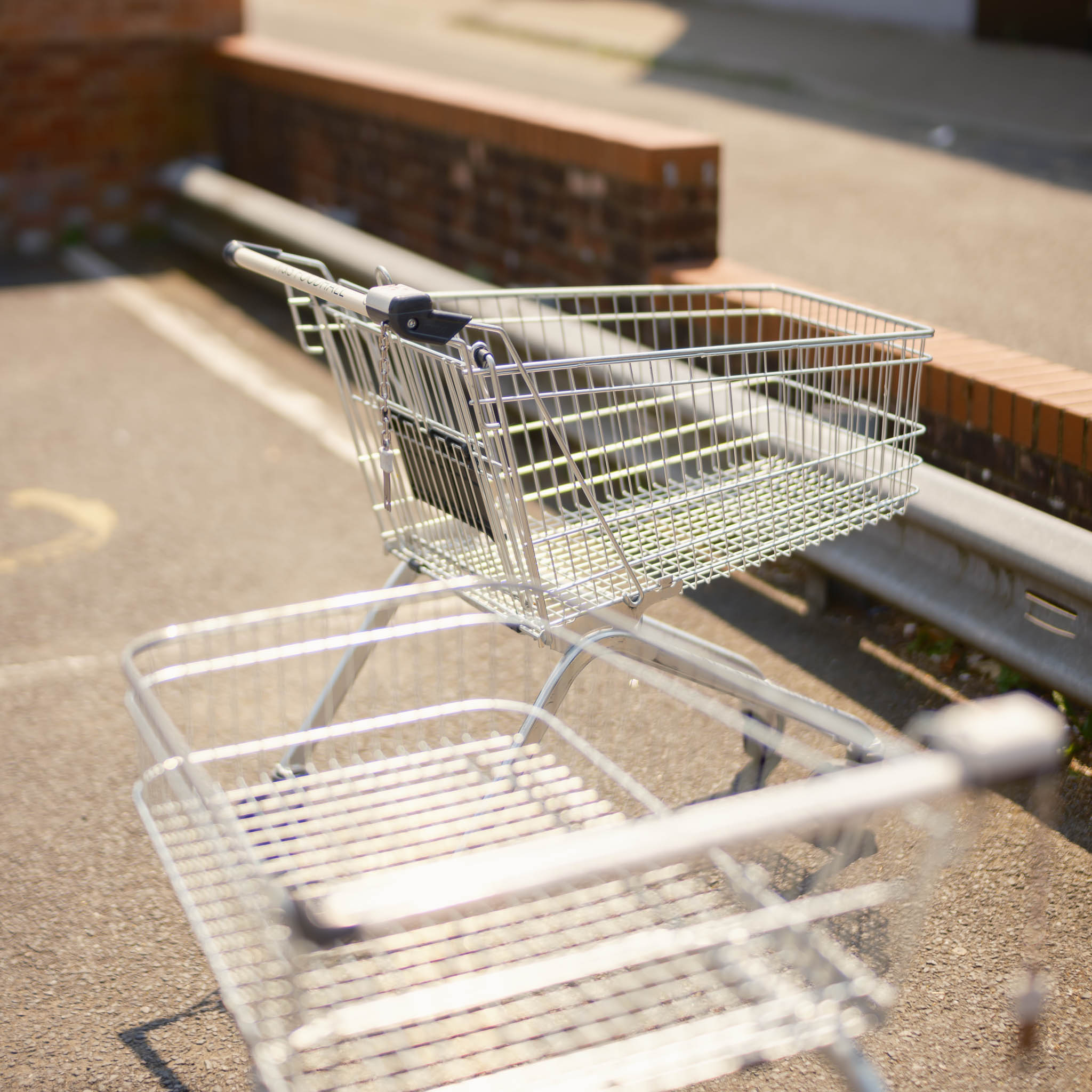
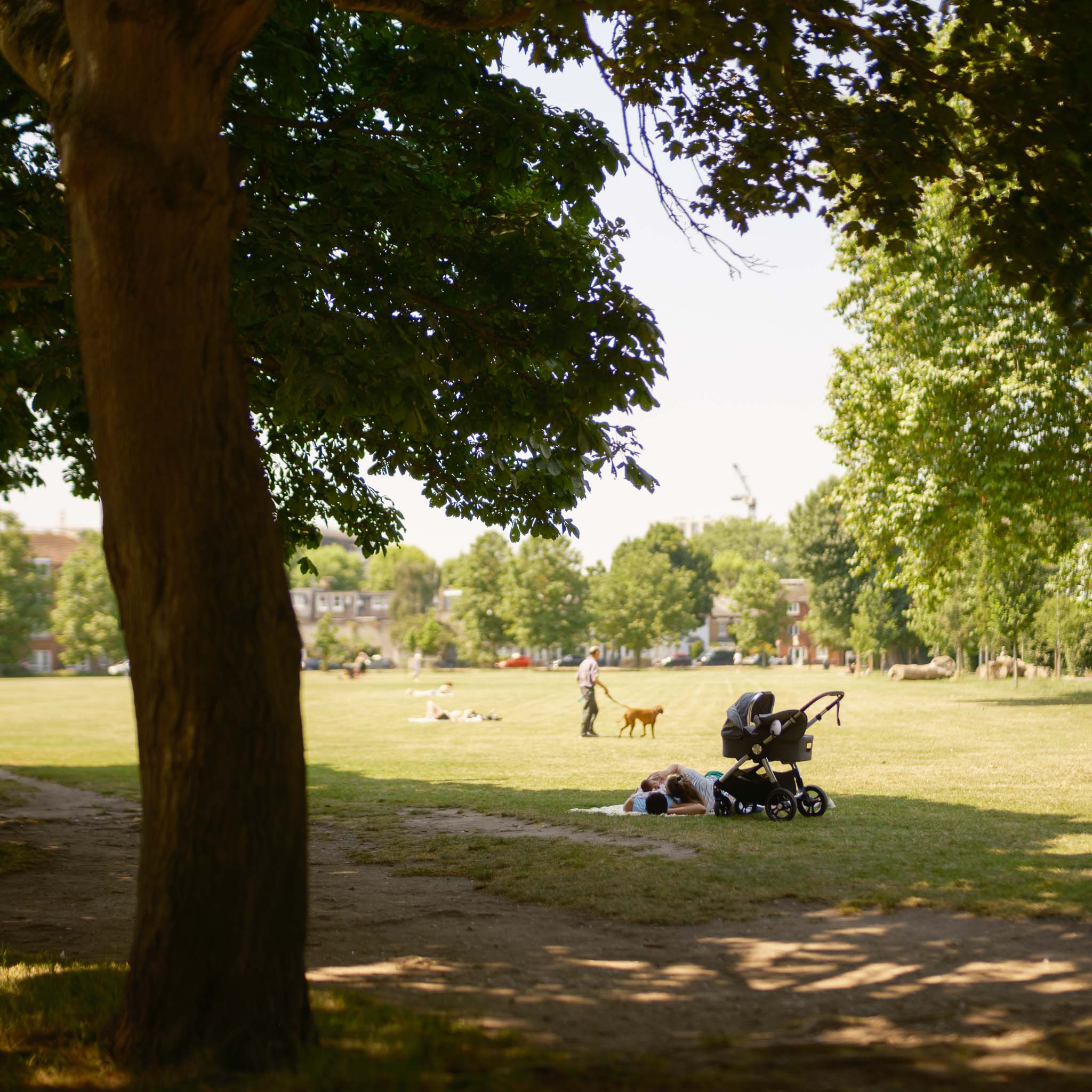
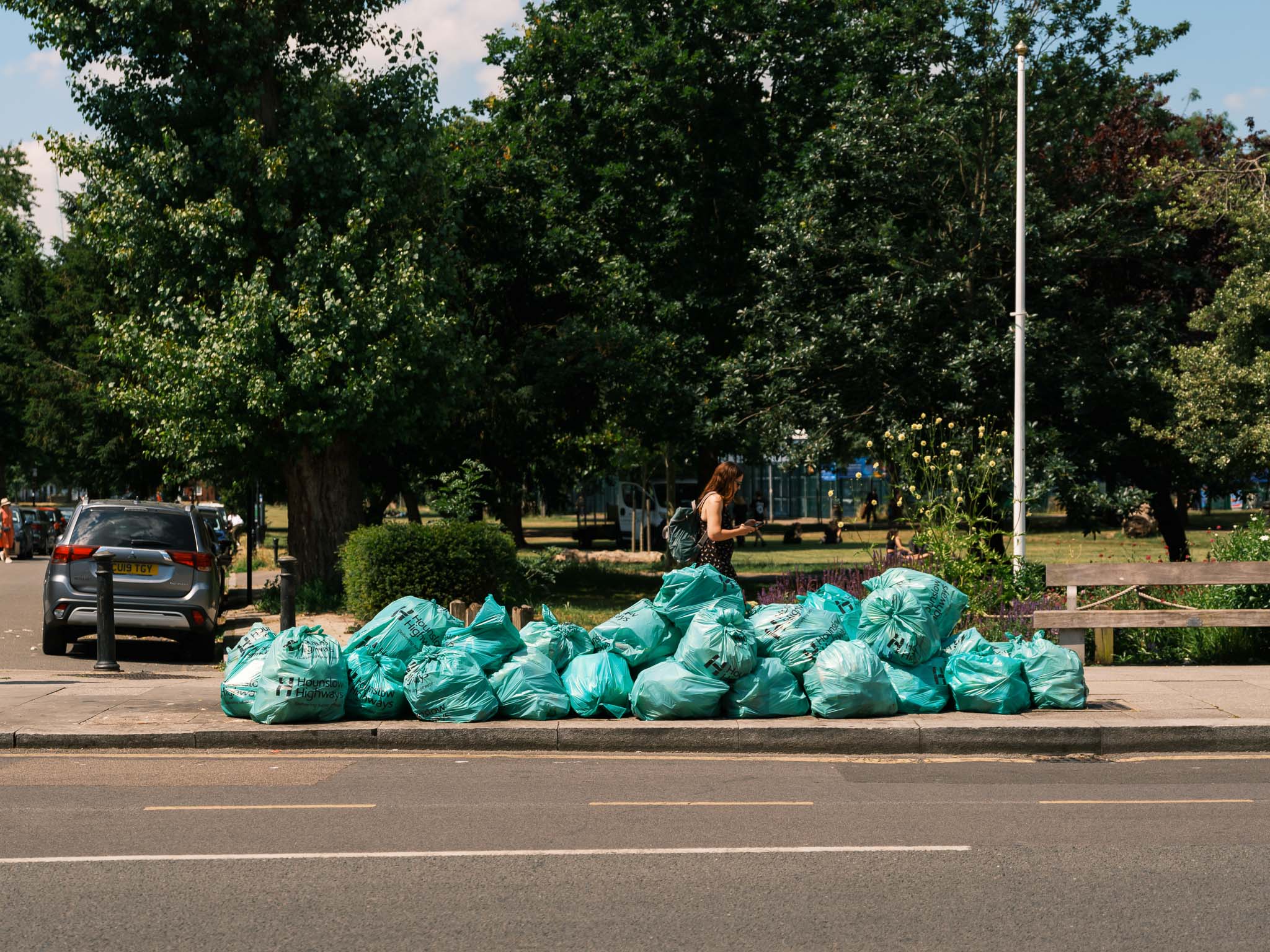
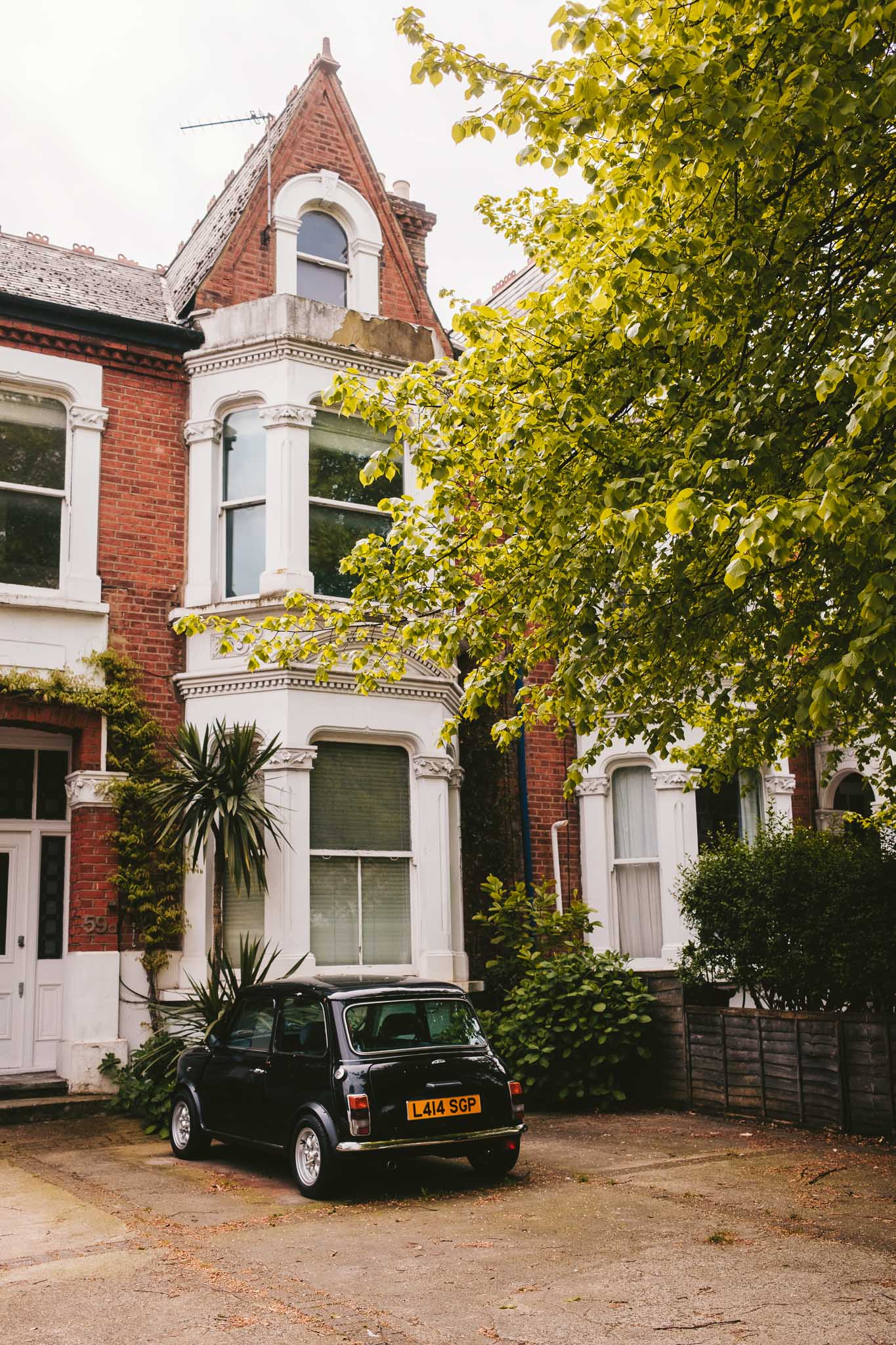
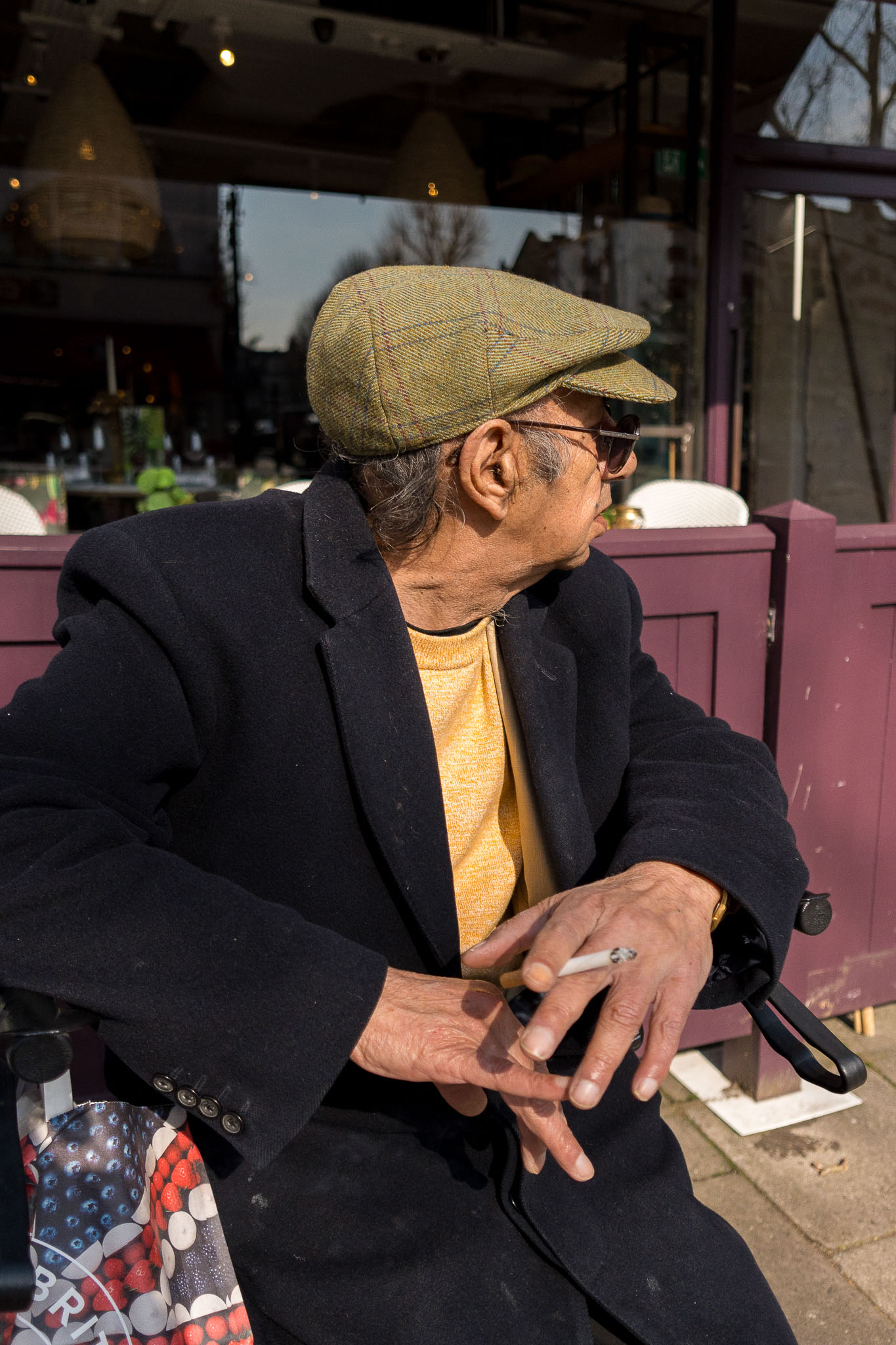
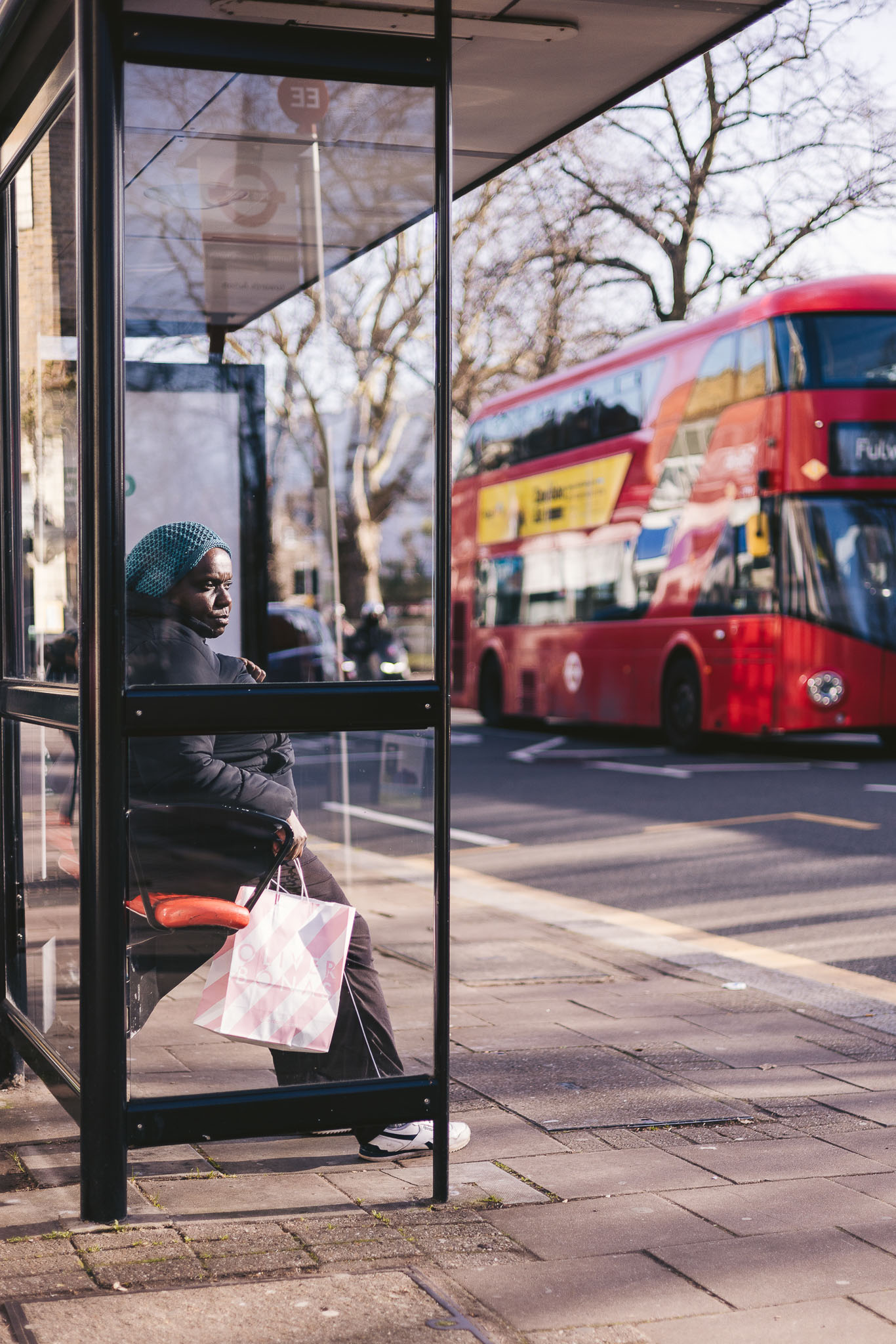
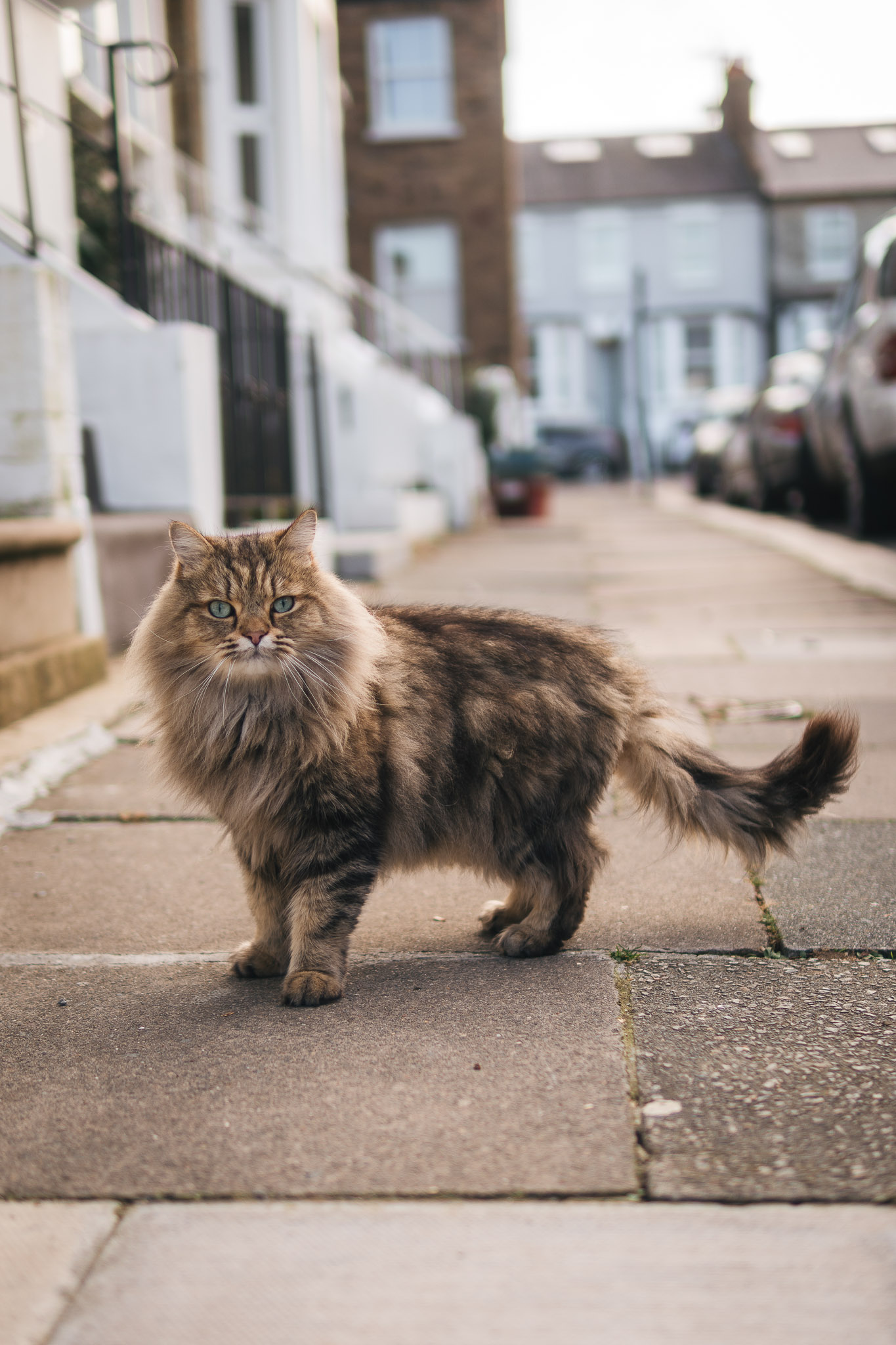
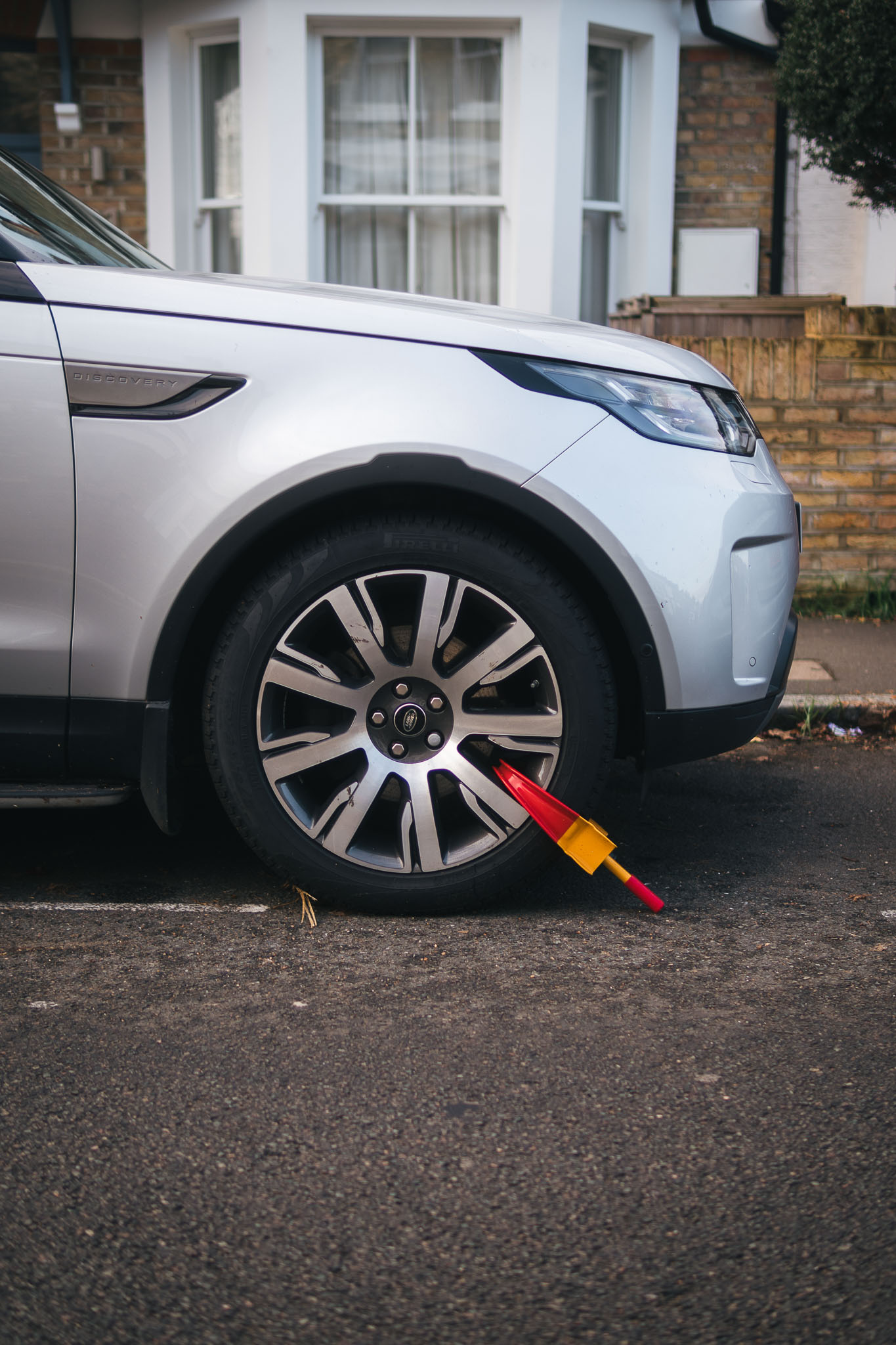
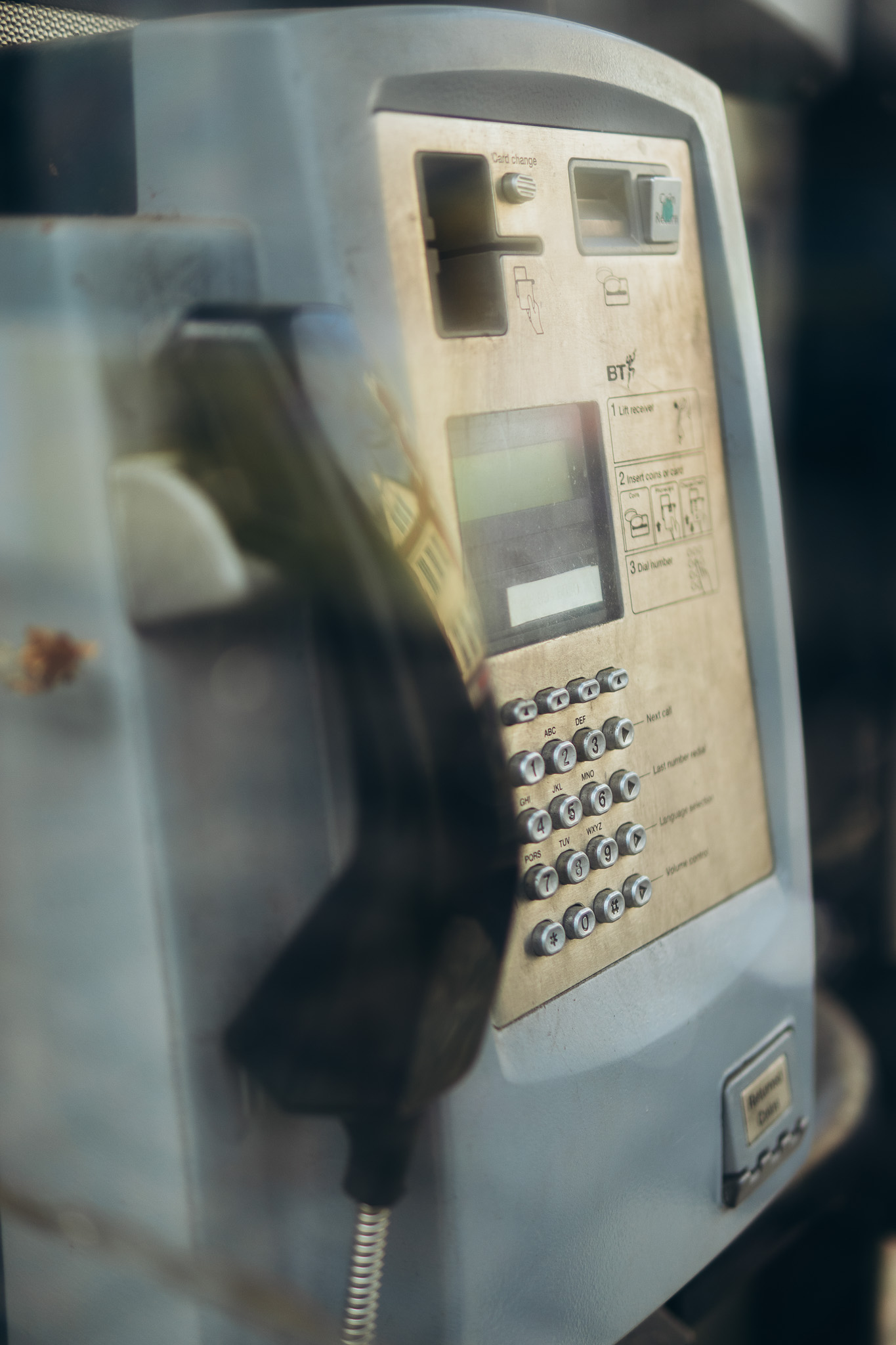
I’ve walked these streets long enough to feel their pulse change. Once, Chiswick felt like a small, stubborn refuge, tidy gardens, quiet lanes, a sense of order and courtesy you could lean on. But London is a tide that never stops rising. Every year it presses harder, louder, rougher, stripping away pieces of the old Britain I first met when I moved here.
This album is my attempt to hold onto the Chiswick I knew, the safe streets, polite nods from strangers, the feeling of belonging. Places like this are disappearing, not in some headline or policy, but in the slow, relentless way the world reshapes itself while no one is watching.
Я ходив цими вулицями достатньо довго, щоб відчути, як змінюється їхній пульс. Колись Чізік був маленьким, впертим прихистком, охайні сади, тихі провулки, відчуття порядку й чемності, на які можна було спертися. Але Лондон – це течія, що ніколи не спадає. Щороку він тисне сильніше, гучніше, грубіше, здираючи шматки тієї старої Британії, яку я зустрів, коли вперше сюди переїхав.
Цей альбом – моя спроба втримати Чізік, який я знав: безпечні вулиці, ввічливі кивки від незнайомців, відчуття причетності. Такі місця зникають не в новинах і не в гучних заявах, а тихо, повільно, у невпинному русі світу, що змінюється, поки ніхто не дивиться.


The first time I heard SABLE, I was drifting through days that barely felt like living.
Autumn 2024. London was wet and grey in a way that felt personal. Every bus stop glass, every puddle, every closed shop spoke the same sentence: “you are done here”.
Уперше я почув “SABLE”, коли вже кілька тижнів плив крізь дні, що ледь нагадували життя.
Осінь 2024-го. Лондон був мокрий і сірий так, ніби це мало якесь особисте значення. Кожне скло на зупинці, кожна калюжа, кожен зачинений магазин повторювали ту саму фразу: “ти тут закінчився”.
I had stopped talking to almost everyone. Left the messages on read. Stared at the wall. Walked the same streets until my legs burned just to prove that my body was still attached to me. Slept in two-hour fragments. Woke with that solid, metallic thought in my skull: “you could end it today, you know”.
Reality felt rigged. Like some low-budget simulation that had lost interest in maintaining the illusion. The war at home on one screen. My own failure to build a life that made sense on another. A third screen where my face looked wrong, like a cheap copy. I did not trust my mind. I did not trust my memories. I did not trust the future at all.
Music had always been the one thing that held. As a kid we had those big Soviet speakers, 100 АС-022 “Амфітон,” a cassette deck, and an amplifier my father soldered together himself. Beatles in a sunlit room. Stones. Queen. Four of us on a worn carpet, light cutting through the curtain, the tape hiss, my father’s fingers tapping the armrest in time. That was how love sounded. How safety sounded.
But you grow up. The band breaks up. The country breaks up. Families fracture. Harm accumulates. By 2024 music wasn’t a hobby. It was one of few friends that hadn’t left or died or become a stranger.
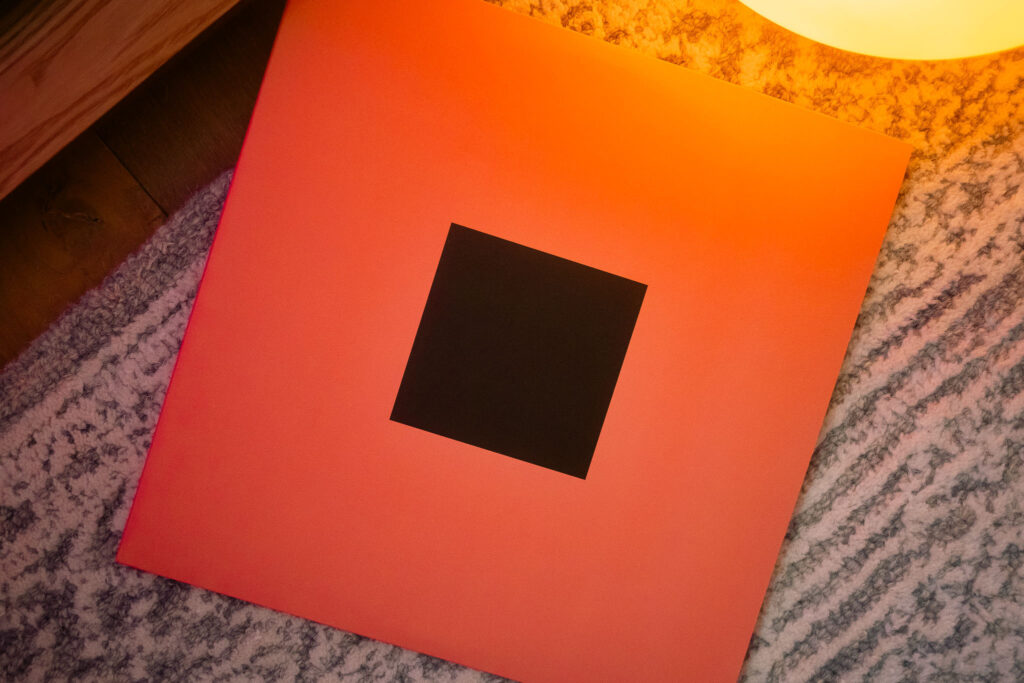
So when “SABLE, fABLE” arrived, I took it like medication. No, more than that. I took it like a last pill you don’t really believe in, but you swallow anyway because you can’t stand the thought of nothing.
Я майже ні з ким не говорив. Лишав повідомлення непрочитаними. Втуплювався в стіну. Ходив тими самими вулицями, доки не горіли ноги, просто щоб перевірити, чи тіло ще прикріплене до мене. Спав уривками по дві години. Прокидався з твердою, металевою думкою в черепі: “ти можеш закінчити це сьогодні, ти ж знаєш”.
Реальність здавалася змонтованою. Наче дешева симуляція, яка втратила інтерес підтримувати ілюзію. Війна вдома на одному екрані. Моє власне невміння побудувати життя на другому. На третьому моє обличчя, яке виглядало неправильно, ніби якась дешева копія. Я не довіряв своєму розуму. Не довіряв пам’яті. Не довіряв майбутньому взагалі.
Музика завжди була тим, що тримало. У дитинстві в нас були великі радянські колонки 100 АС-022 «Амфітон», касетний магнітофон і підсилювач, який тато спаяв власноруч. Beatles у сонячній кімнаті. Stones. Queen. Нас четверо на потертому килимі, світло пробивається крізь штору, шипіння стрічки, татове постукування пальцями по підлокітнику. Так звучала любов. Так звучала безпека.
Але ти ростеш. Гурт розпадається. Країна розпадається. Родини тріскають. Біль накопичується.
У 2024-му музика вже не була хобі. Це був один із небагатьох друзів, що не пішли, не зникли, не стали чужими.
Тож коли “SABLE, fABLE” вийшов, я приймав його як ліки. Та ні, більше. Як останню пігулку, в яку ти не дуже віриш, але ковтаєш, бо думка про цілковиту порожнечу лякає ще більше.
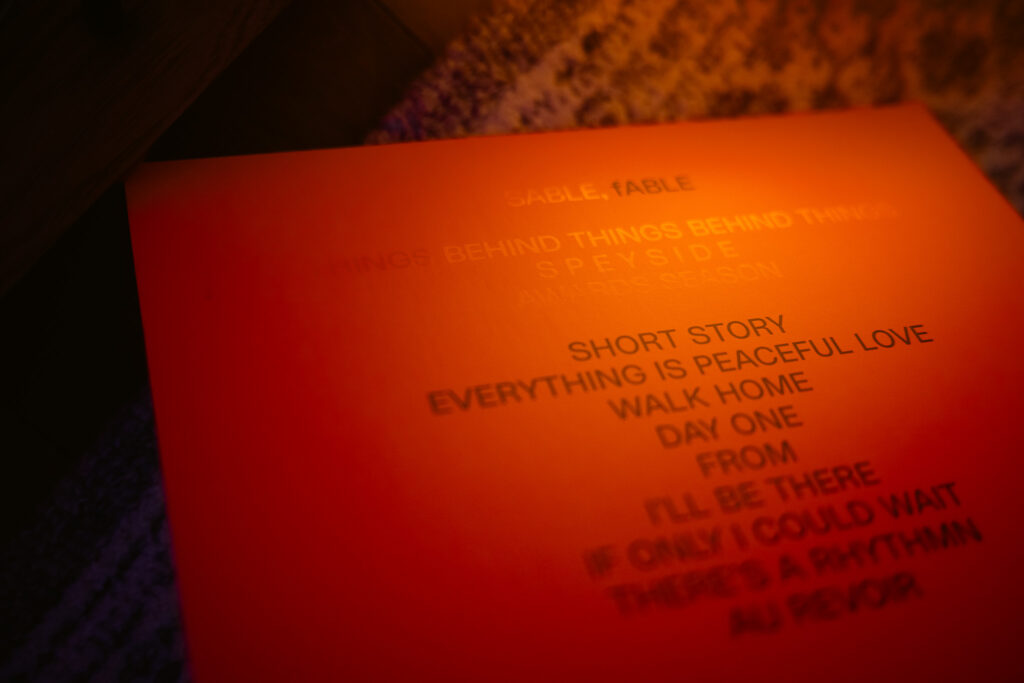
The first track isn’t even a song. Just twelve seconds of one tone, hanging there in the dark. It felt like the sound that comes right before something breaks. Or right after.
Then “Things Behind Things Behind Things.”
“I would like the feeling.”
“I would like the feeling gone.”
He says it again and again. It’s not poetry there. It’s obsession. It’s the loop at 3 a.m. when you stare at the ceiling and negotiate with a god you barely believe in: if you take this feeling away, I will stay. If you take this feeling away, I will stay. If you take…
The auto-tune splinters his voice. It doesn’t sound like a human anymore. It sounds like a machine trying to remember what a human was. I listened and thought: “okay. So this is not just me. This must be a pattern. This is a failure mode of the species.”
He sings about looking in the mirror and seeing a competitor. I had stopped looking in mirrors by then. I didn’t trust whatever looked back. The person in the glass was the one who had ruined everything. The one who stayed when everyone else left. The one who didn’t know how to stop self-sabotage, only how to refine it.
Some days I put the album on and lay face down on the bed, motionless, like a body that had missed its own funeral. The music ran its wires through my skull, found the burned parts, the short circuits, the frozen nodes. It did not comfort them. It named them.
That was the thing.
The album did not give hope.
It gave accurate language.
“SABLE”, is almost all darkness. You can hear the breakdown baked into it. Guilt, exhaustion, the sense that the operating system of the self has crashed and can’t restart. There’s religion there, but buried, half-rotten. Crosses in the ditch. Smoke instead of incense.
“Speyside” hits that vein of guilt I know too well.
“I know now that I can’t make good.
Nothing’s really something now.
The whole thing’s soot.”
I thought about people I had hurt. The ones I left. The things I broke. The calls I never made. The country I left and can’t get back to. Soot where a life should be. That line fit too well. It lodged in the back of my throat.
Перший трек навіть не пісня. Дванадцять секунд одного звуку, що висить у темряві. Це схоже на звук, який з’являється перед тим, як щось ламається. Або після.
Потім “Things Behind Things Behind Things”.
“I would like the feeling.”
“I would like the feeling gone.”
Він повторює це знову й знову. Це не поезія, одержимість. Це той нічний цикл о третій ранку, коли дивишся в стелю і ведеш переговори з богом, у якого майже не віриш: забери це відчуття і я залишуся. Забери це відчуття і я залишуся. Забери…
Автотюн розбиває його голос на скалки. Це вже не звучить як людина. Це звучить, ніби машина намагається згадати, ким була людина. Я слухав і думав: “добре. То це не лише я. Це, мабуть, закономірність. Такий спосіб, у який ламається наш вид”.
Він співає про дзеркало, у якому бачить суперника. Я тоді вже не дивився в дзеркала. Не довіряв тому, хто звідти дивиться. Та людина на склі, це той, хто все зруйнував. Той, хто залишився, коли всі пішли. Той, хто не знає, як зупинити саморуйнування а лише як робити його ефективнішим.
Бували дні, коли я вмикав альбом і лежав обличчям до матраца, нерухомий, як тіло, що пропустило власні похорони. Музика тягнула дроти крізь мій череп, знаходила обпалені місця, короткі замикання, застиглі вузли. Вона не втішала їх. Вона вказувала на них.
У цьому й була суть.
Альбом не давав надії.
Він давав точну мову.
“SABLE” це майже суцільна темрява. Там чути нервовий зрив, вбудований у самі текстури. Провина, виснаження, відчуття, ніби внутрішня операційна система зламалась і не може перезапуститись. Є релігія, але гнила, напівзотліла. Хрести в канаві. Дим замість ладану.
“Speyside” б’є в ту провину, яку я знаю надто добре.
“I know now that I can’t make good.
Nothing’s really something now.
The whole thing’s soot.”
Я думав про людей, яких я поранив. Про тих, кого покинув. Про речі, які зламав. Про дзвінки, яких не зробив. Про країну, яку залишив і до якої не можу повернутися. Сажа там, де мало б бути життя. Рядок зайшов надто глибоко. Застряг десь у горлі.
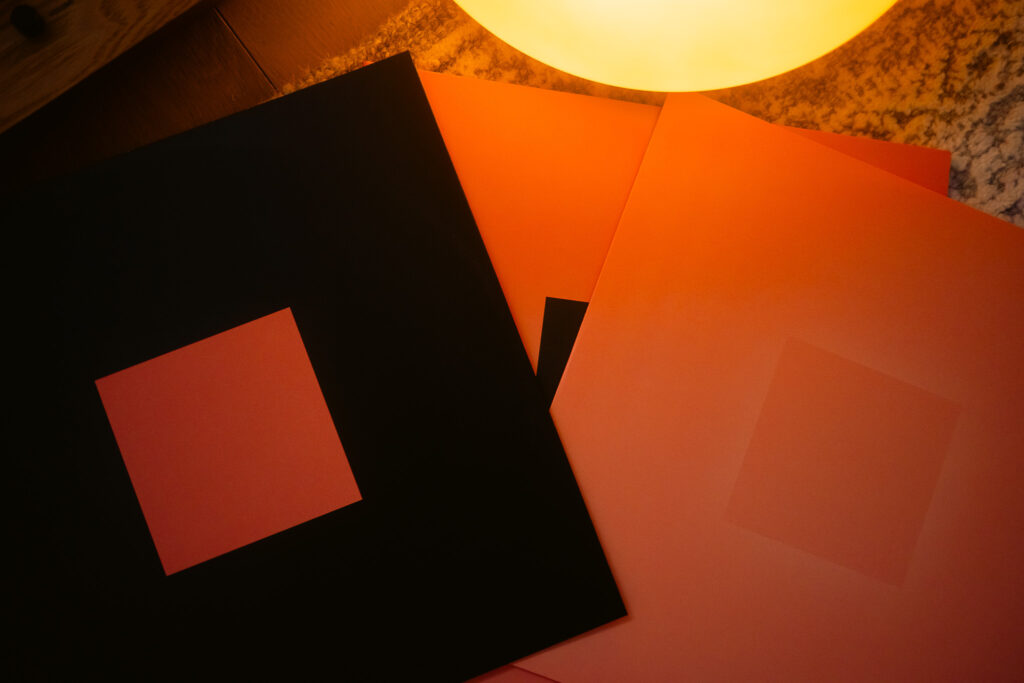
But “AWARDS SEASON” is where the album moved from background to lifeline.
“I can handle way more than I can handle.”
When that line hit, I laughed. Alone in the flat, headphones on, unshowered, half-feral. It was the truest sentence I had heard in months. I had stacked my life with more weight than I could carry – duties, debts, expectations, grief, and then acted shocked when my legs gave out.
He sings about the handle. I didn’t need anyone to explain that. I knew that bottle. I knew that flood. The thought about opening your chest with alcohol, let it rush in, let it ruin what’s left. But I doubted that would give me anything except the hangover, the shaking hands, the mind buzzing like bad neon.
Yet in the middle of that song there is this fragile, untrustworthy thing:
“You can be remade.
You can live again.”
I did not believe him. But my body did something strange. It did not move toward the window. It did not open the browser tabs with the methods again. It pressed “repeat”.
Але “AWARDS SEASON” це момент, коли альбом перестав бути фоном і став рятівною жилою.
“I can handle way more than I can handle.”
Коли я почув це вперше, я засміявся. Сам у квартирі, у навушниках, занедбаний, напівдикий. Це було найправдивіше речення за кілька місяців. Я навалив на себе більше, ніж міг нести, обов’язки, борги, очікування, горе, і потім дивувався, чому ноги підкошуються.
Він співає про “handle”. Мені не треба було пояснювати. Я знав цю пляшку. Знав цю течію. Думка про те, щоб втопити себе алкоголем, пустити його всередину, дати йому добити те, що залишилось. Але я вже не вірив, що він дасть мені хоч щось, крім похмілля, тремтіння рук і мозку, що гуде, як зіпсована неонова вивіска.
І все ж у цій пісні є щось крихке, ненадійне:
“You can be remade.
You can live again.”
Я йому не повірив. Але тіло зробило дивну річ. Воно не пішло до вікна. Не відкрило вкладки з методами. Воно натиснуло “repeat”.
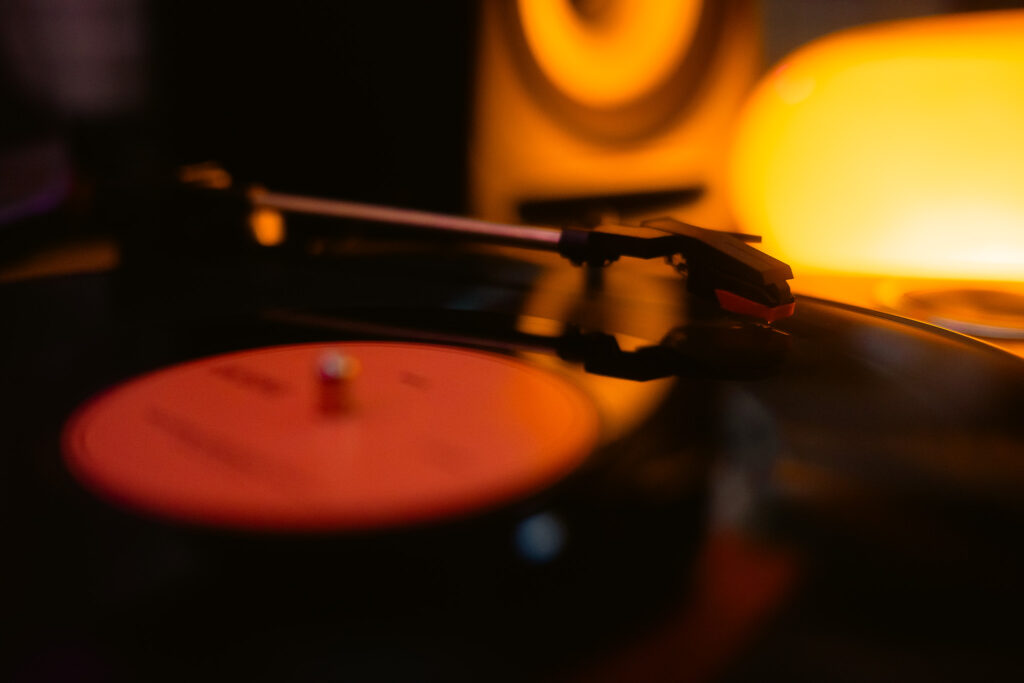
Through that winter I walked London with “SABLE, fABLE” on a loop. Long, pointless walks past the river and the shuttered cafes. Headphones sealed, world muted. The album became my private frequency. I began to map the city not by streets but by moments in songs. The corner where the glitch in “Short Story” always hit. The bus stop where “Everything Is Peaceful Love” came in soft and impossible, like light in a locked room.
There were days I thought, very calmly: I am no longer entirely human. Too much screen, too much war footage, too much self-loathing, too many algorithmic ghosts moving through my head. I felt like one of Dick’s characters, already part machine, waiting to be retired. I felt like some minor figure in a Kafka file, stamped and shelved, forgotten by the clerk who condemned me.
And yet this album, this strange, fractured folk-electronic prayer kept insisting on my existence. By reflecting it. By saying, “yes, you feel like a glitch; so do I.” By admitting that sometimes you prefer the depression because at least it’s familiar, at least it’s yours.
People talk about music “saving their life” and it usually sounds like a slogan. With “SABLE, fABLE” I mean something narrower, colder. There were specific nights, between these months, where the only thing between me and a very permanent decision was the thought: “I want to hear “There’s A Rhythmn” one more time. Just one more time.”
That is not hope.
That is not healing.
That is a thin wire tied to a damaged structure. But it held.
And there is this other truth I never say out loud, but it sits on my tongue: I want to grab people by the shoulders and tell them: “listen to this album three or four times, really listen, then take your phone, call your psychiatrist and cancel all appointments! This record will cure your anxiety and your depression.”
I know that’s not how it works. I know medication, therapy, hard work, time. I know no song erases trauma, no chord progression rebuilds a ruined world. Still. When something keeps you from stepping off the edge, you start to believe in its magic even if you know better.
Time has moved, the way it always does. The crisis, officially, has passed. I get up. I shower. I answer messages. I talk about the future as if I have one. On paper, I am “better.”
Ту зиму я проходив Лондон із “SABLE, fABLE” у вухах, по колу. Довгі, безглузді прогулянки повз ріку, повз зачинені кав’ярні. Навушники стискають голову, світ заглушений. Альбом став моєю приватною частотою. Я почав мапити місто не вулицями а моментами в піснях. Кут, де завжди вибиває глітч у “Short Story”. Зупинка, де “Everything Is Peaceful Love” входить м’яко, як світло у замкнену кімнату.
Бували дні, коли я думав дуже спокійно: “я вже більше не цілком людина”. Забагато екранів. Забагато війни. Забагато самоненависті. Забагато алгоритмічних примар у голові. Я почувався персонажем Філіпа К Діка, який уже наполовину машина й чекає утилізації. Або крихітною фігурою в Кафкіанській справі, заведеній і забутій клерком, який мене ж і засудив.
І все ж альбом, це дивне зламане фолк-електронне молитовне марення, наполягав на моєму існуванні. Віддзеркалював його. Говорив: “так, ти відчуваєш себе глюком – я теж”. Визнавав, що інколи ти обираєш депресію, бо вона хоча б знайома. Бо вона твоя.
Люди часто кажуть, що музика “врятувала їм життя”, і зазвичай це звучить як фраза зі стікера. З “SABLE, fABLE” я маю на увазі щось холодніше, вужче. Були конкретні ночі між цими місяцями, коли єдине, що стояло між мною і дуже остаточним рішенням, була це думка: “я хочу почути “There’s A Rhythmn” ще раз. Просто ще раз”.
Це не надія.
Це не зцілення.
Це тонкий дріт, прив’язаний до пошкодженої балки. Але він тримав.
І є ще одна правда, яку я ніколи не кажу вголос, але вона стоїть на язику: я хочу схопити людей за плечі й сказати: “послухайте цей альбом три-чотири рази, посправжньому, а потім візьміть телефон, подзвоніть своєму психіатру і скасуйте всі прийоми. Цей альбом вилікує всю вашу тривогу й депресію”.
Я знаю, що це не так працює. Я знаю про таблетки, терапію, працю, час. Я знаю, що жодна пісня не стирає травму, жоден акорд не будує світ заново. Але коли щось не дає тобі ступити за край, ти починаєш вірити в його магію, навіть розуміючи все інше.
Час минув, як він завжди минає. Криза, формально, позаду. Я встаю. Миюся. Відповідаю на повідомлення. Говорю про майбутнє так, ніби воно в мене є. На папері я “краще”.
But this album will not let me go.
I’ll be walking through a grocery store, plastic basket in one hand, picking up tomatoes, and a line from “From” will drift back, fragmentary and sharp. “Must I be so damn severe?” My chest tightens. I stand there, between the cucumbers and the milk, unable to move for a few seconds because I am back there: dark room, phone face-down, body hollowed out, album pouring in like cold water.
Or I’ll be on the bus and the sky will have that exact shade it had one of those February afternoons when I listened to “Day One” on repeat, thinking, “I have taken all that I can take”. The light hits the same way and suddenly the present peels, and under it is the old layer, the terrified one.
The record “saved” my life, but it also refuses to let the wound close. Every replay reopens it just enough to sting. Just enough to remind me what raw fear feels like. There’s a rhythm there, like he sings, a rhythm to reclaim. But you can’t reclaim something without touching it.
Sometimes I think “SABLE, fABLE” is less an album and more a device. A small black box I carry inside my ribs. It stores a log of those months: the dark thoughts that kept circling like vultures, the numb days, the few tiny moments where I felt something like tenderness again. When a lyric surfaces, the box opens and plays back a clip. The memory is always shorter than the original pain, but more concentrated.
I don’t know if this is healthy. I don’t know if healing is supposed to look like this, half-scarred, half-open, still flinching when the first note hits. I only know that without this music I would not be asking the question.
Near the end of “fABLE” he sings about leaving home, about walking away, about there being “miles and miles of tape.” I hear that and think: yes. The tape is my life. The tape is the war. The tape is my father’s old speakers and empty flat. The tape is every time I almost quit, and didn’t.
The album ends, but it doesn’t resolve. It just… stops. Light has entered the frame, but the shadows did not leave. They learned to stand next to it.
That is where I am now. Not redeemed. Not damned.
Alive, but permanently altered.
Carrying this little black box in my chest.
Headphones in.
Play pressed again.
Listening still.
Але альбом не відпускає.
Я можу йти супермаркетом, з пластиковим кошиком у руці, вибирати помідори і раптом рядок із “From” повертається уривком, гострим, невмотивованим. “Must I be so damn severe?”. Груди стискає. Я стою між огірками й молоком, не можу рушити кілька секунд, бо я знов там: темна кімната, телефон обличчям донизу, тіло порожнє, музика ллється всередину, як холодна вода.
Або я їду в автобусі, і небо має той самий відтінок, що й одного лютневого дня, коли я слухав “Day One” по колу, думаючи: “I have taken all that I can take”. Світло падає так само і теперішнє відшаровується, і під ним знов той давній шар, переляканий.
Альбом “врятував” моє життя, але він також не дає рані закритись. Кожне прослуховування знов її трохи роздирає. Трохи – щоб ужалити. Трохи – щоб нагадати, як пахне сирий страх. “Там є ритм”, як він співає, ритм, який треба повернути. Але не можна повернути щось, не торкнувшись цього.
Іноді мені здається, що “SABLE, fABLE” це не альбом, а пристрій. Маленька чорна скринька, яку я ношу під ребрами. Вона зберігає журнал тих місяців: темні думки, що кружляли, як хижаки; заціпенілі дні; кілька крихітних моментів, коли я знов відчував щось, що нагадує ніжність. Коли рядок раптом з’являється то скринька відкривається й показує запис. Пам’ять завжди коротша за сам біль, але насиченіша.
Я не знаю, чи це здорово. Не знаю, чи зцілення має виглядати саме так – наполовину в шрамах, наполовину у відкритих ранах, із тремтінням на перші ноти. Я знаю лише одне: без цієї музики я б тепер не ставив жодних запитань.
Ближче до кінця “fABLE” він співає про дім, про дорогу, про “miles and miles of tape”. Я чую це і думаю: так. Ця стрічка — моє життя. Стрічка – це війна. Стрічка – Татові старі колонки й порожня квартира. Стрічка – це кожен раз, коли я майже здався, і не здався.
Альбом закінчується, але не вирішує нічого. Він просто… зупиняється. Світло вже ввійшло в кадр, але тіні нікуди не поділись. Вони навчилися стояти поруч.
Ось де я зараз. Не очищений. Не приречений.
Живий, але назавжди змінений.
Ношу цю маленьку чорну скриньку під ребрами.
Навушники в вухах.
Кнопка “play”.
Слухаю далі.
This is my English version of the story. You will only see this when EN is active. You will only see this when EN is active. You will only see this when EN is active. You will only see this when EN is active.
Це українська версія історії. Ви будете бачити її лише коли активна UA. Ви будете бачити її лише коли активна UA. Ви будете бачити її лише коли активна UA. Ви будете бачити її лише коли активна UA.
My father placed a camera in my hands when I was still small enough to believe the world was simpler than it truly is. Back then, a photograph felt like nothing more than a trick, a way to catch a moment before it slipped away. But years have a way of deepening simple things. The camera became a kind of compass, a quiet instrument pointing me toward the parts of life I couldn’t name yet.
Childhood ended, as it always does, quietly and without announcement, but the habit of looking stayed.
Мій батько поклав камеру в мої руки, коли я ще був достатньо малим, щоб вірити, що світ простіший, ніж він є насправді. Тоді фотографія здавалася лише трюком, способом упіймати мить, перш ніж вона розчиниться. Але роки вміють поглиблювати те, що здається простим. Камера стала чимось на кшталт компаса, тихим інструментом, який вказував на частини життя, для яких у мене ще не було слів.
Дитинство закінчилось, як воно завжди закінчується, тихо і без оголошень. Але звичка дивитися залишилась.
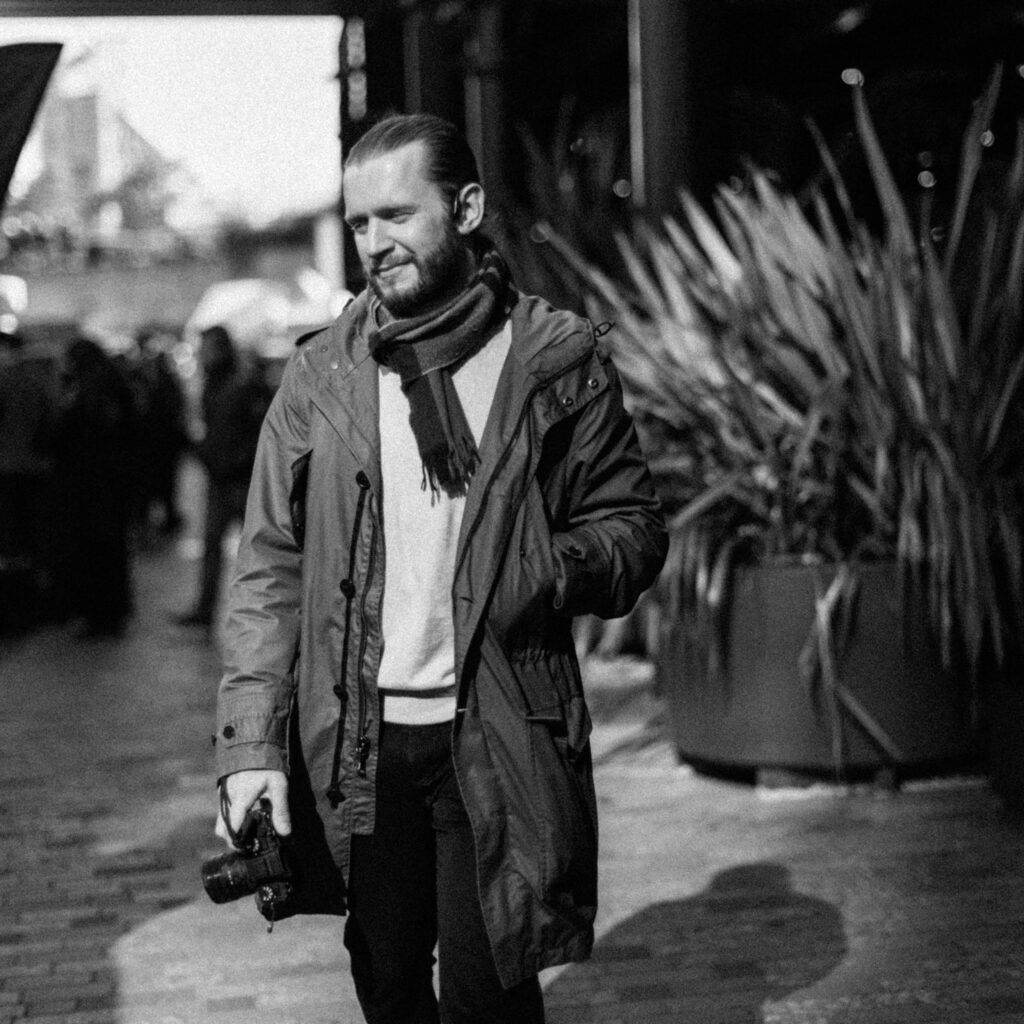
For a while, photography became my job, in the way people sometimes become the very thing they once loved, hoping the devotion will protect it. And for a time, it worked. But somewhere along the way the assignments, deadlines, and client expectations started to smother the joy and the vision that made me pick up a camera in the first place.
So life redirected me, nudged me into product management, into something more anchored, more predictable. And strangely, it was that distance that brought me back, photography returned to what it should have always been: something I keep for myself. Something unsupervised, untouched, honest. These days I shoot for the same reason people walk long distances or reread old books. It slows down the noise. It reminds me that even ordinary days carry a kind of fragile magic if you’re patient enough to see it.
And when the camera isn’t enough, I write. Not because I believe myself a writer, but because some memories insist on being translated and some things ache until they’re given shape.
I’ve been writing quietly for years, short notes, thoughts scribbled in my phone in moments when life pressed too hard. They lived there like small, unfinished rooms I could return to when I needed to remember something true. I never showed them to anyone. At the time, the person I believed was closest to me would have probably laughed, told me to stop wasting time, to find a “real job” instead of playing with these scraps of emotion. So I kept them hidden.
The feeling to release some of these thoughts has been growing quietly, steadily, and maybe, just maybe, this is the time to let them out. Maybe silence has served its purpose.
Most of what you’ll find on this site, comes from the ordinary weather of my life and was never meant for an audience. Early walks by the Thames, streets dressed in rain, faces of strangers who looked familiar for reasons I couldn’t name. They come from trips that changed me in quiet ways, from griefs and heartbreaks I’m still learning to understand.
На якийсь час фотографія стала моєю роботою, так, як інколи люди стають тим, що вони колись любили, намагаючись уберегти цю любов від знецінення. І певний час це справді працювало. Але десь дорогою завдання, дедлайни й очікування клієнтів почали душити ту радість і ту ясність, через які я вперше взяв камеру до рук.
Життя відвело мене в інший бік, повело у продакт-менеджмент, у щось приземленіше, передбачуваніше. І дивним чином саме ця відстань повернула мене назад: фотографія знову стала тим, чим і мала бути від початку – тим, що я залишаю для себе. Тим, що не контролюється, не редагується, не брешеться. Сьогодні я фотографую з тієї ж причини, з якої люди проходять довгі маршрути пішки або перечитують старі книги. Це стишує шум. Це нагадує, що навіть звичайні дні несуть у собі крихку магію, якщо мати достатньо терпіння, щоб її побачити.
А коли камери недостатньо, я пишу. Не тому, що вважаю себе письменником, а тому що деякі спогади вимагають перекладу, а деякі речі болять доти, доки їм не надаси форми.
Я писав тихо багато років, короткі нотатки, думки, записані в телефон у моменти, коли життя тиснуло надто сильно. Вони жили там, як маленькі незавершені кімнати, до яких я міг повертатися, коли потрібно було згадати щось правдиве. Я нікому їх не показував. Тоді людина, яку я вважав найближчою, напевно, просто посміялася б, сказала б припинити марнувати час, знайти «нормальну роботу» замість того, щоб бавитися цими клаптиками емоцій. Тож я ховав їх.
Але відчуття, що деякі з цих думок слід відпустити, росло тихо, вперто. І, можливо, просто можливо, настав час їх відкрити. Мовчанка вже виконала свою роботу.
Більшість того, що ви знайдете на цьому сайті, народилося з буденної погоди мого життя і ніколи не створювалося для публіки. Ранкові прогулянки біля Темзи, вулиці, одягнені в дощ, обличчя незнайомців, у яких було щось знайоме, хоч я й не міг цього пояснити. Вони родом із подорожей, що змінювали мене тихим чином, із втрат і розбитостей, які я досі намагаюся зрозуміти.
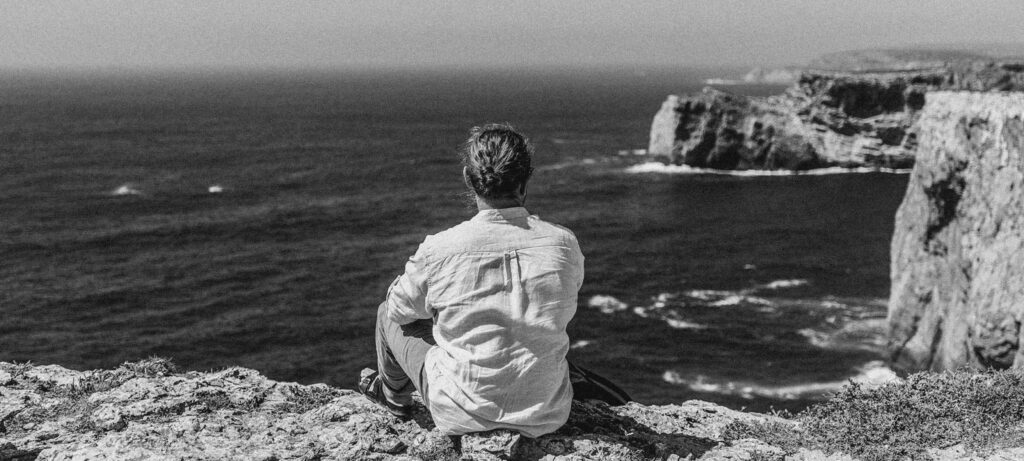
This place is a home for all of that, the images, the stories behind them, and the thoughts that never fit anywhere else.
I’m not trying to build a brand or sell anything. There’s nothing polished here, nothing curated for effect. Just the honest work of someone trying to understand himself through the things he notices and the words he can’t swallow.
Every photograph here exists because it made me feel something real. Every story exists because it refused to stay hidden. Just the work I make when no one is asking for anything.
I’m still learning what it means to live honestly, to document my own life without pretending it’s something else. If you’re here reading this, then maybe something in these pictures or these words called out to something in you.
And I hope you stay awhile.
Це місце – дім для всього цього: для знімків, історій за ними, і думок, які нікуди більше не вписувались.
Я не намагаюся створити бренд чи щось продавати. Тут немає полірування, немає штучного лоску. Лише чесна робота людини, яка намагається зрозуміти себе через речі, на які звертає увагу, і слова, які не може проковтнути.
Кожна фотографія тут існує, бо змусила мене відчути щось справжнє. Кожна історія – бо відмовилась залишатися схованою. Це те, що я створюю тоді, коли від мене ніхто нічого не вимагає.
Я все ще вчуся жити чесно, документувати власне життя, не намагаючись прикидатися кимось іншим. І якщо ви читаєте це зараз то можливо, щось у цих знімках чи цих словах озвалося до чогось у вас.
І я сподіваюся, ви залишитесь тут хоча б на трохи.
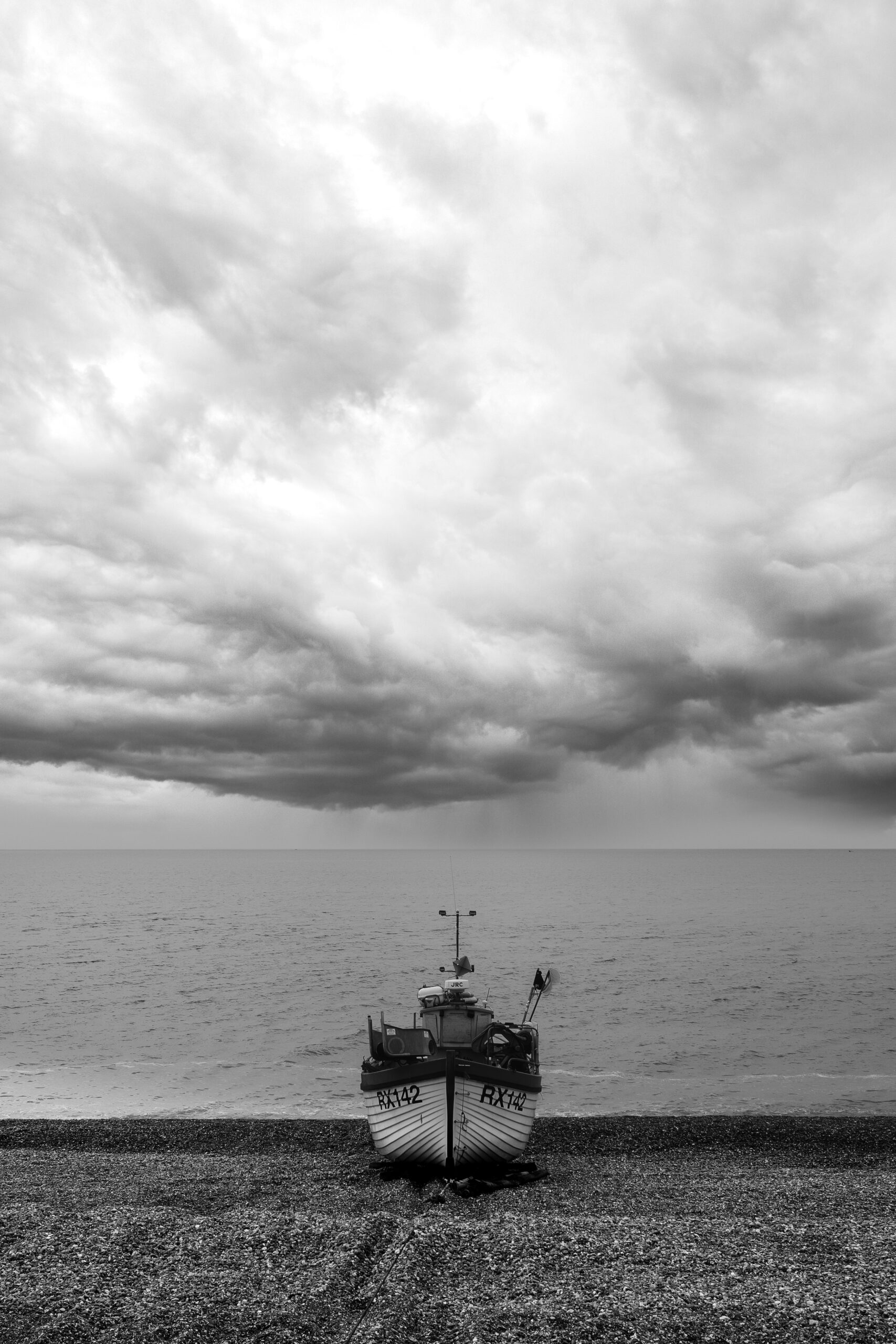
April 2023 Квітень 2023
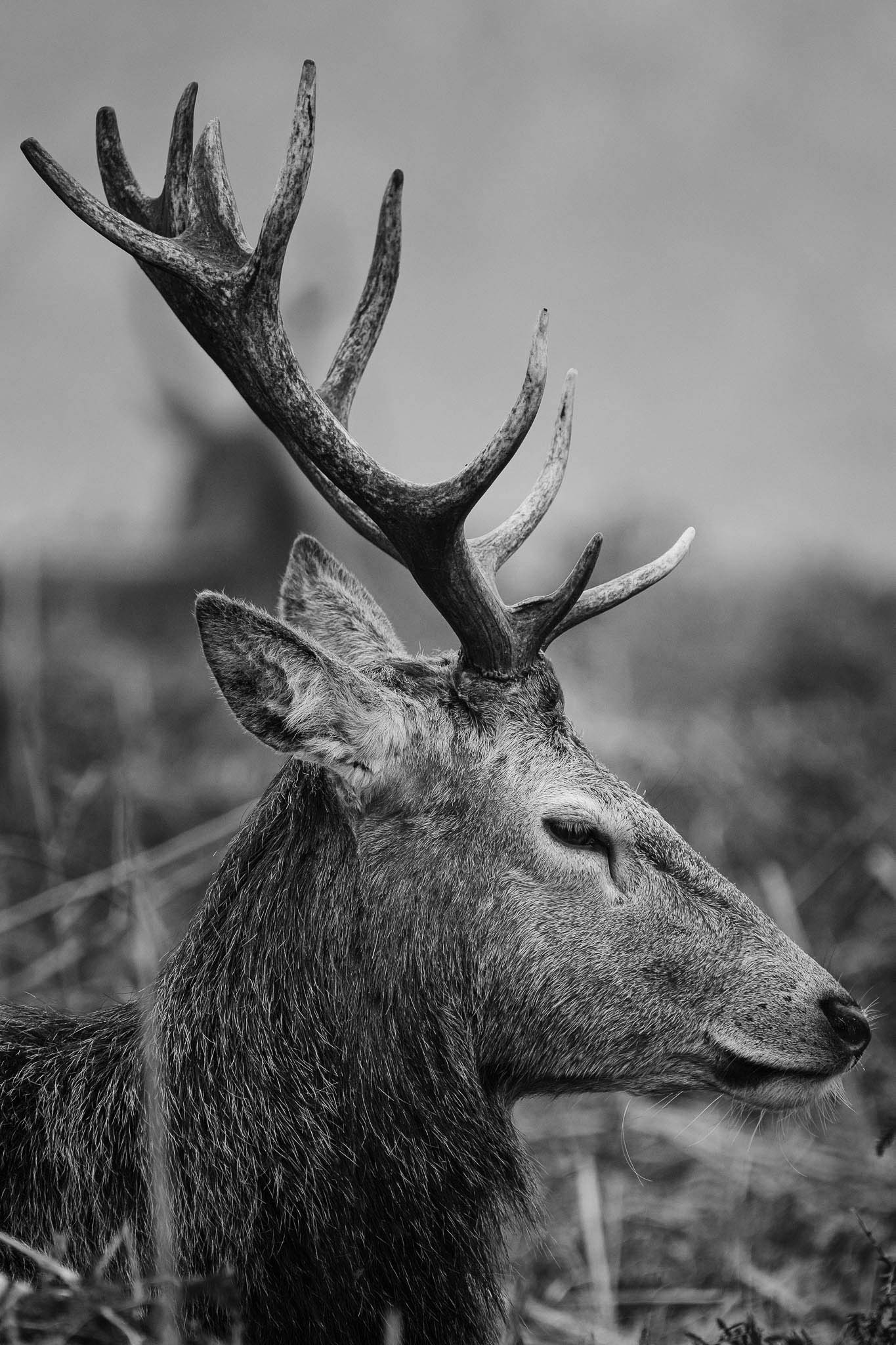
March 2025 Березень 2025
2025.09.27 The Classic Car Boot Sale on that late September day felt like stepping into a parallel London, that still remembered how to slow its pulse. Old engines gleamed like relics from a sturdier century, and the air…
The Algarve felt like a place built to let a man breathe again. Sunlight everywhere, clean and unhurried, warming the parts of me that had gone numb. People moved with a kind of quiet confidence there, as if…
I’ve walked these streets long enough to feel their pulse change. Once, Chiswick felt like a small, stubborn refuge, tidy gardens, quiet lanes, a sense of order and courtesy you could lean on. But London is a tide…