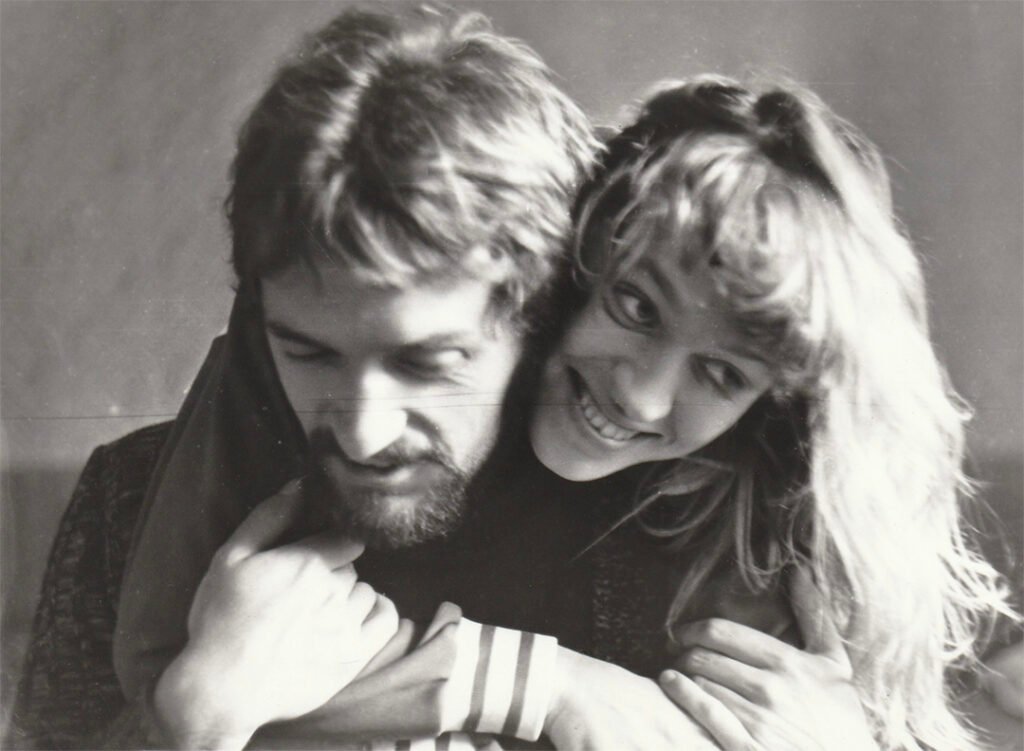
I used to think that the hardest part of growing up was watching your parents grow old.
Watching time leave its marks on the faces of the two people who loved you more than anyone else in the world. Seeing the grey slowly appear in their hair, watching the years quietly change the people you had always thought would stay the same. You grow up, you build your own life, and all the while, they grow older. And you barely notice how quickly time is passing.
But now I know there’s something much harder. Learning to live in a world where one of them is no longer here.
Today marks exactly one year since my Dad passed away.
Колись мені здавалося, що найважче в тому щоб дорослішати – це спостерігати, як старіють твої батьки.
Бачити, як час залишає свої сліди на обличчях тих двох людей, які любили тебе найбільше у світі. Як у їхньому волоссі з’являється сивина, як роки непомітно змінюють людей, яких ти з дитинства звик вважати незмінними. Ти дорослішаєш, будуєш своє життя, а вони тим часом старіють. І ти навіть не помічаєш, як швидко пролітає час.
Але тепер я знаю, що є дещо набагато важче. Навчитися жити у світі, в якому одного з них більше немає.
Сьогодні минає рівно рік, як не стало Тата.
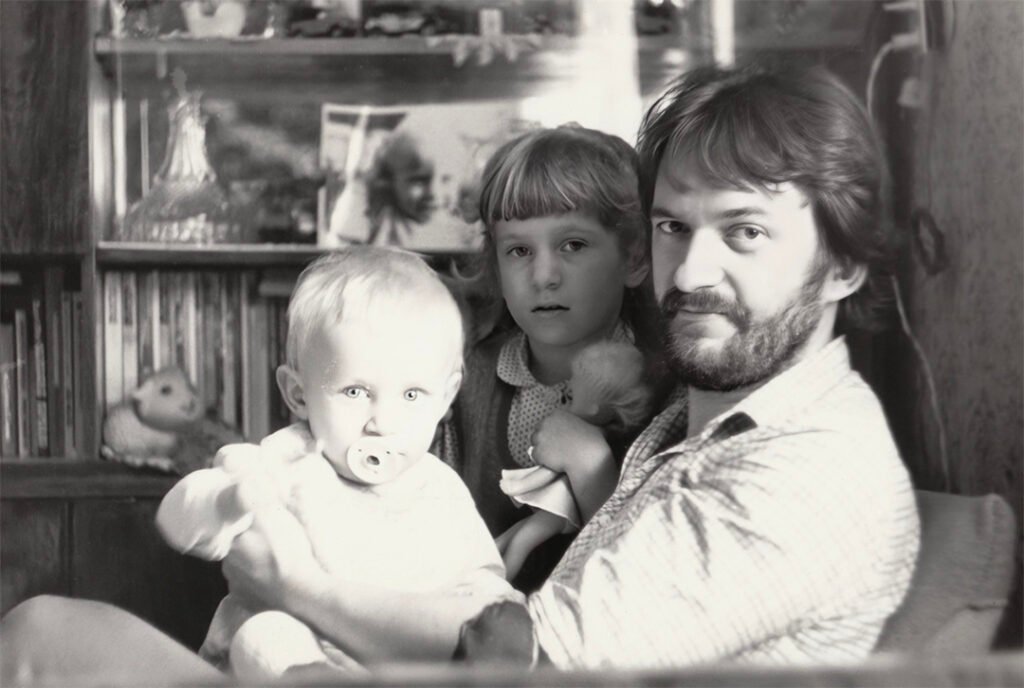
A whole year.
Sometimes it feels like an eternity. Other times, like it happened only yesterday. I still remember the smallest details of those days. The hospital corridors, the names of the medications they were giving him, the sky that evening. I remember coming home and finding our Topa hiding under the bed, as though he too could sense that something terrible had happened.
There are days that divide your life into a before and an after. For me, that day came a year ago. I was one person before it happened. Afterwards, I became someone else. I’ve spent much of this past year thinking, trying to understand what it really means to lose your father. What it means to live with the knowledge that someone who had always been such an inseparable part of your life will never be there again.
For a long time, I didn’t know how to begin writing this. Whether to write about the kind of man he was, or about how terribly I miss him. And I suppose it’s impossible to talk about one without the other. Because if you asked me what my Dad was like, the first thing I’d tell you is that he was always there. Always there to answer my calls. To come and pick me up. To listen…
And it didn’t matter how old I was. To him, I was always his son, someone he would drop whatever he was doing for. He was a man of extraordinary dignity, someone who could never turn away when another person needed help. He had his principles, his convictions, his stubbornness, his own strong sense of right and wrong. And he tried to live by them. But above all, to me, he was so much more than just a father.
He was my best friend.
And I think that’s what makes this so difficult. Because I didn’t just lose the man who gave me life. I lost the person I could share life itself with.
Recently, I scanned more than a thousand photographs from our family archive. And once again, I was reminded of just how wonderful our childhood was. In those photographs, we’re still so young, so carefree. We know nothing yet about loss, about how life can change, or about how one day the people closest to us might no longer be here.
We’re simply happy.
I remember one time we were driving home to Uzhhorod from Nevytske. Dad was driving, Mum was sitting beside him, and at some point he asked her to steer the car from the passenger seat. We were all laughing, while Mum confidently held the steering wheel. Just an ordinary childhood memory. A little story that probably means nothing to someone else. But to me, it now holds an entire world. And I have thousands of memories like that.
I remember how he used to hum different tunes to himself. How he was always discovering new music, sending me songs, telling me about them and sharing his thoughts. How his taste in music changed over the years…
I remember his desk. That incredible creative chaos of equipment, electronics and countless little things, surrounded by which he could spend hours. After he died, I had to go through that desk. It’s difficult to describe what it feels like to hold the belongings of someone who, not so long ago, was using them every single day. To look at his glasses, his tools, his unfinished projects, and realise that the person they belonged to is never coming back.
The world carries on. People rush to work, laugh, make plans, talk about all sorts of little things, while you’re standing in front of your father’s desk, unable to understand how any of it is even possible.
On 28 October, I was still in Lisbon. Dad and I were talking, and I was sharing how happy I was about the race. It was one of those ordinary, everyday phone calls you don’t think much of, because you assume there will be countless more. I couldn’t have imagined then how quickly everything was about to change. And now I often think about how much I still wanted to tell him. How many things I still wanted to ask him. How many places we still had to visit. How many conversations we never got to finish. How many ordinary days we still should have had together.
And it’s not even the big moments that hurt the most. It’s the little things. When I’m on my way home in the evening and see the silhouette of a man walking his dog, and suddenly I’m thinking about Dad. His grey jacket, his hat, the way he used to walk our Topa. When my phone reminds me of photographs taken a year ago, and there he is, still alive. When I call Mum every Monday morning on my way to work, and she tells me she went to see Dad yesterday. That’s what an ordinary sentence about a Sunday visit to the cemetery sounds like now. And every single time, something inside me tightens.
I think one of the hardest things about loss is its permanence. You can get used to so many changes in life. You can learn to live far away from someone, miss them, look forward to seeing them again. But how do you get used to knowing that there won’t be another meeting? That you’ll never hear their voice again? That you’ll never be able to simply dial that familiar number, hear them say “hello”, and tell them about your day? I still don’t know the answer.
Sometimes I even wonder if I think about him too much. Whether, after a whole year, I should somehow be dealing with this loss differently. But how can you not think about someone who was such a huge part of your life?
Grief has no timetable. There’s no deadline after which you’re supposed to stop missing someone. No set number of days, months or years in which you’re expected to learn how to live without a person who meant so much to you. And I’m beginning to realise that maybe it isn’t about ever stopping missing him. Maybe it’s about learning to carry on living with both the love and the pain of losing him.
Цілий рік.
Іноді мені здається, що минула вічність. А іноді, що це сталося лише вчора. Я досі пам’ятаю найменші подробиці тих днів. Пам’ятаю лікарняні коридори, назви препаратів, які йому вводили, небо того вечора. Пам’ятаю, як ми повернулися додому і як нас зустрів наш Топа, заховавшись під ліжком, теж відчував, що сталося щось непоправне.
.Є дні, які ділять життя на до і після. Для мене такий день настав рік тому. До того дня я був однією людиною. Після – став іншою. Протягом цього року я багато думав та старався зрозуміти, що означає втратити батька. Що означає жити з усвідомленням того, що людини, яка була невіддільною частиною твого життя, більше ніколи не буде поруч.
Я довго не знав, як почати цей текст. Чи писати про те, яким він був, чи про те, як сильно мені його не вистачає. І, мабуть, неможливо розповісти про одне, не торкнувшись іншого. Бо якщо мене запитати, яким був мій Тато, перше, що я скажу – він завжди був поруч. Щоб відповісти на мій дзвінок. Щоб забрати мене. Щоб вислухати…
І неважливо, скільки мені було років. Для нього я завжди залишався сином, заради якого він був готовий відкласти будь-які справи. Він був людиною виняткової гідності, яка не могла залишитися байдужою, коли хтось потребував допомоги. У нього були свої принципи, свої переконання, впертість, своє уявлення про те, що правильно, а що ні. І він намагався жити відповідно до них. Але понад усе для мене він був не просто батьком.
Він був моїм найкращим другом.
І, напевно, саме тому зараз так важко. Бо я втратив не лише людину, яка дала мені життя. Я втратив людину, з якою міг поділитися самим життям.
Нещодавно я відсканував понад тисячу фотографій із нашого сімейного архіву. І вкотре переконався, яке ж прекрасне дитинство у нас було. На тих фотографіях ми ще зовсім малі, такі безтурботні. Ми ще нічого не знаємо про втрати, і те, як змінюється життя, про те, що одного дня найближчих людей може не стати.
Ми просто щасливі.
Я згадую, як ми їхали з Невицького додому в Ужгород. Тато був за кермом, Мама сиділа поряд. І в якийсь момент він попросив її покерувати машиною з пасажирського сидіння. Ми всі сміялися, а Мама впевнено тримала кермо. Звичайний дитячий спогад. Маленька історія, яка, можливо, нічого не означатиме для сторонньої людини. А для мене тепер у ній цілий світ. І таких спогадів тисячі.
Я пам’ятаю, як він наспівував собі під ніс різні мелодії. Як постійно знаходив нову музику, надсилав мені пісні, розповідав про них та ділився своїми враженнями. Як із роками змінювалися його музичні смаки…
Пам’ятаю його робочий стіл. Той неймовірний творчий хаос із приладами, електронікою та купою речей, серед яких він міг проводити години. Після його смерті мені довелося перебирати цей стіл. Важко описати, що відчуваєш, коли тримаєш у руках речі людини, яка ще зовсім недавно користувалася ними щодня. Коли дивишся на окуляри, інструменти, незавершені справи, і розумієш, що їхній власник більше не повернеться.
Світ продовжує жити. Люди поспішають на роботу, сміються, будують плани, обговорюють якісь дрібниці, а ти стоїш перед столом свого батька і не можеш зрозуміти, як це взагалі можливо.
Ще 28 жовтня я був у Лісабоні. Ми розмовляли з Татом, я ділився з ним радістю від забігу. Це був один із тих звичайних щоденних дзвінків, яким ти не надаєш особливого значення, бо впевнений, що попереду буде ще безліч інших. Тоді я навіть не міг уявити, наскільки швидко все зміниться. І тепер я часто думаю про те, скільки всього ще хотів йому розповісти. Скільки всього ще хотів у нього запитати. Скільки місць ми ще мали відвідати. Скільки розмов не встигли завершити. Скільки звичайних днів провести разом.
І найбільше болять навіть не великі події. Болять дрібниці. Коли дорогою додому ввечері я бачу силует чоловіка, який вигулює собаку, і раптом згадую Тата. Його сіру куртку, шапку, те, як він гуляв із нашим Топою. Коли телефон нагадує мені про фотографії річної давнини, а на них він ще живий. Коли щопонеділка вранці дорогою на роботу я телефоную Мамі, і вона розповідає, що вчора була в Тата. Так тепер звучить звичайне речення про недільний похід на кладовище. І щоразу від цих слів щось стискається всередині.
Мабуть, одна з найважчих речей у втраті – це її остаточність. Ти можеш звикнути до багатьох змін у житті. Можеш навчитися жити на відстані, сумувати за людиною, чекати наступної зустрічі. Але як звикнути до того, що зустрічі більше не буде? Що ти ніколи більше не почуєш її голосу? Що більше не зможеш просто набрати знайомий номер, почути «алло» і розповісти, як минув твій день? Я досі не знаю відповіді.
Іноді мені навіть здається, що я надто багато про нього думаю. Що, можливо, через рік я вже мав би якось інакше переживати цю втрату. Але як не думати про людину, яка була такою великою частиною твого життя?
Горе не має розкладу. У нього немає терміну, після якого ти повинен перестати сумувати. Немає певної кількості днів, місяців чи років, за які можна навчитися жити без людини, котра так багато значила. І я починаю розуміти, що, можливо, справа зовсім не в тому, щоб колись перестати сумувати. Можливо, потрібно навчитися жити далі, несучи в собі водночас і любов, і біль від її втрати.
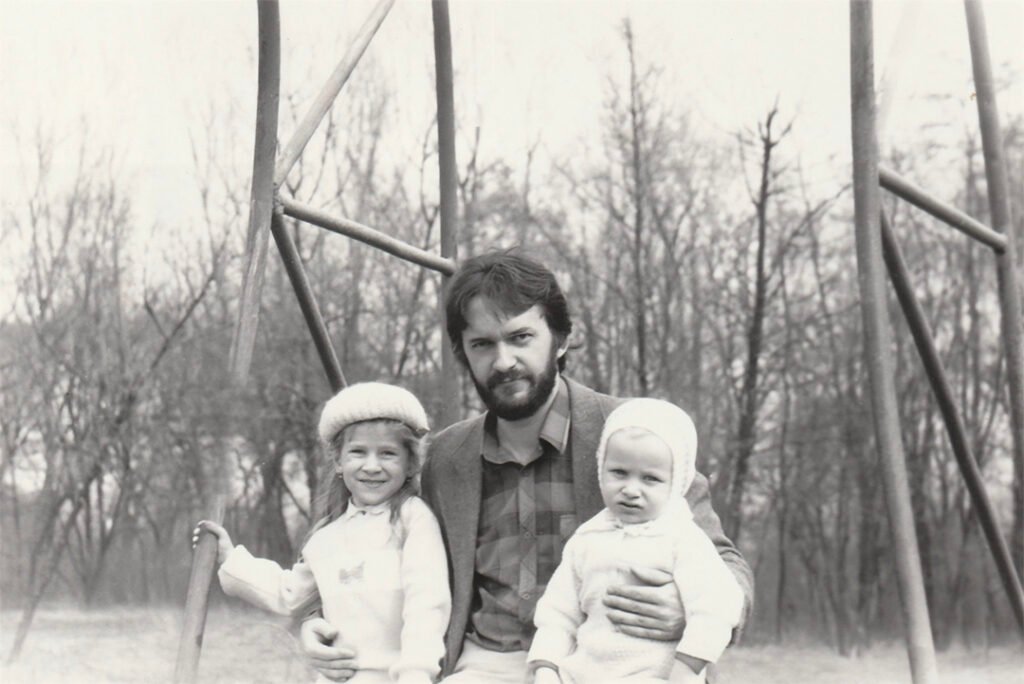
There’s another thought that I find particularly hard to bear. I so desperately wanted to achieve more while he was still here. To become more successful. To make his life easier. To give something back for everything he had done for me.
He once said to me, “I’m sorry I couldn’t give you more.”
And it breaks my heart to think that perhaps he never truly understood just how much he had given me. Because the most precious things he could ever have given me weren’t material things or money. It was his presence and his love. His friendship. He gave me a happy childhood, knowledge, values, principles, and so much of what makes me the person I am today. And I really hope he knew just how much I treasured all of that. I often think about how many of the things I love most in this life, I love because of him. And perhaps that’s one of the most beautiful things a father can leave behind. Not just memories. But a part of himself.
I could write thousands more stories. About our childhood, our travels, ordinary family evenings, funny moments, the things he said or did. And I don’t think I’d ever run out. But I’ll save some of them for another time.
Today, I simply wanted to tell you about the man who was the best father and friend I could ever have wished for, and one of the most precious people in my life. And if you’re reading this and you’ve also lost someone close to you, there’s one thing I want to say. I don’t know how to make that pain any easier. And I’m not going to tell you that time heals everything. But I now know just how lonely a person can feel in a world that keeps moving as though nothing has happened.
And if you sometimes feel that way too, if you still cry, still remember, still find yourself talking in your mind to those who are no longer here, please know that you’re not alone in your grief. Don’t expect yourself to forget. Don’t be ashamed of the love that no longer has anywhere to go.
I know my Dad will continue to live on in our memories, in everything he taught us, in our actions, our thoughts and our values.
And as long as I’m alive, a part of him will live on in me.
Dad, thank you for everything.
For our wonderful childhood. For all our conversations. For every moment you were there. For always believing in me, even when I doubted myself.
For being my father.
And for being my best friend.
This past year has taught me a lot. But most of all, it’s taught me just how precious what I had really was. And if this unbearable pain proves anything, it’s how incredibly lucky I was to have a Dad like him.
I miss you so much.
Till we meet again, Dad.
Є ще одна думка, від якої мені особливо важко. Я так хотів встигнути досягти більшого. Стати успішнішим. Зробити його життя легшим. Віддячити за все, що він зробив для мене.
Колись він сказав мені: «Пробач, що я не міг дати тобі більше».
І мені нестерпно від усвідомлення того, що він, можливо, так і не зрозумів, наскільки багато насправді мені дав. Бо найціннішим із того, що він міг мені подарувати, були не речі й не гроші. Це була його присутність та любов. Його дружба. Він дав мені щасливе дитинство, знання, цінності, принципи й величезну частину всього того, що сьогодні робить мене мною. І я дуже сподіваюся, що він знав, наскільки я цим дорожив. Я часто думаю про те, що багато з того, що я найбільше люблю в цьому житті, я люблю саме завдяки йому. І це, мабуть, одна з найпрекрасніших речей, які батько може залишити після себе. Не лише спогади. А частинку самого себе.
Я міг би написати ще тисячі історій. Про наше дитинство, про подорожі, про звичайні сімейні вечори, про смішні випадки, про його слова чи вчинки. І, здається, не побачив би їм кінця. Але залишу деякі з них для наступного разу.
Сьогодні мені хотілося просто розповісти вам про людину, яка була для мене найкращим батьком, другом і однією з найбільших цінностей у житті. А якщо ви читаєте ці слова й теж втратили когось близького, я хочу сказати вам лише одне. Я не знаю, як полегшити цей біль. І не стану переконувати, що час обов’язково все вилікує. Але тепер я знаю, наскільки самотньою може бути людина посеред світу, який продовжує жити так, ніби нічого не сталося.
І якщо ви теж іноді почуваєтеся так, якщо досі плачете, згадуєте, розмовляєте подумки з тими, кого вже немає, знайте, що ви не одні у своїй журбі. Не вимагайте від себе забути. Не соромтеся любові, якій більше нікуди подітися.
Я знаю, що мій Тато продовжуватиме жити у наших спогадах, у тому, чого він нас навчив, у наших вчинках, думках і цінностях.
І поки я живий, частинка його житиме в мені.
Тату, дякую тобі за все.
За наше прекрасне дитинство. За всі наші розмови. За кожну мить, коли ти був поруч. За те, що завжди вірив у мене, навіть коли я сам у собі сумнівався.
За те, що був моїм батьком.
І за те, що був моїм найкращим другом.
Цей рік навчив мене багато чого. Але найбільше – наскільки безцінним було те, що я мав. І якщо цей нестерпний біль щось і доводить, то лише те, що мені неймовірно пощастило мати такого Тата.
Як же сильно мені тебе не вистачає.
Till we meet again, Dad.